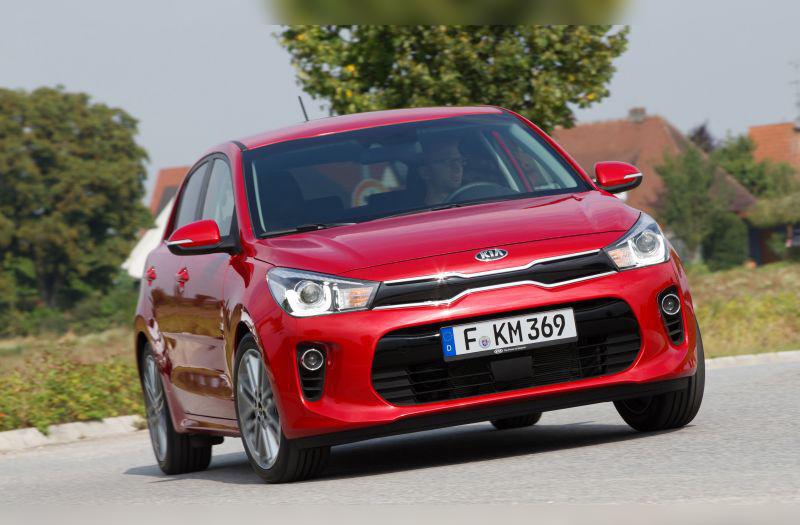
Hyundai and Kia 1.4 MPI (Kappa / G4LC) engine: Experiences, issues, fuel consumption and used-car buying tips
- Exceptional reliability: Old-school naturally aspirated engine without a turbo and without direct injection. Failures are very rare.
- Low maintenance costs: No dual-mass flywheel, no sensitive and expensive injectors, uses a reliable timing chain.
- Ideal for LPG (autogas): Thanks to the MPI (Multi-Point Injection) system, LPG installation is simple and very cost-effective.
- Sluggish in heavier cars: In models such as the Hyundai i30 or Kia Ceed, this engine is quite “lazy” when overtaking and on uphill sections.
- Noise on the motorway: Due to short gear ratios, at 130 km/h the engine runs at fairly high revs.
- Conclusion: A perfect choice for drivers who care about low running costs and longevity rather than sporty performance.
Contents
- Introduction: Old-school design, modern reliability
- Technical specifications
- Reliability and maintenance
- Specific parts and costs
- Fuel consumption and performance
- Extras, LPG and modifications
- Gearbox: Manual and automatic
- Buying used and conclusion
Introduction: Old-school design, modern reliability
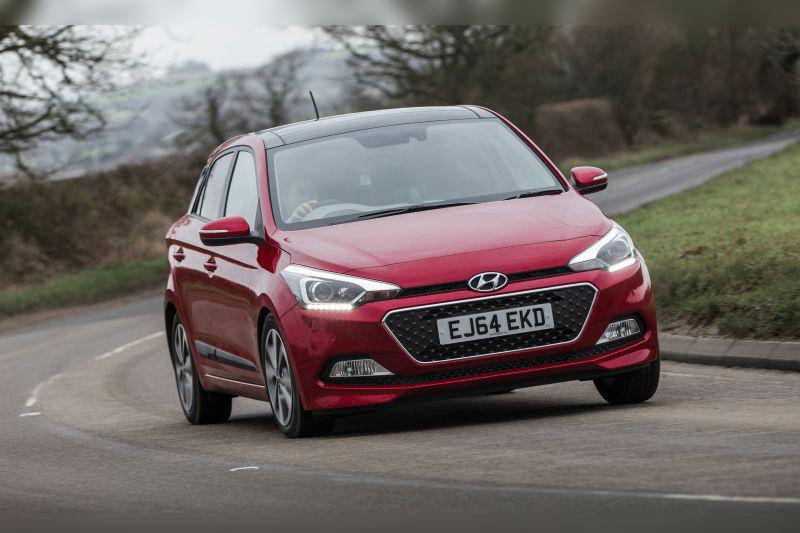
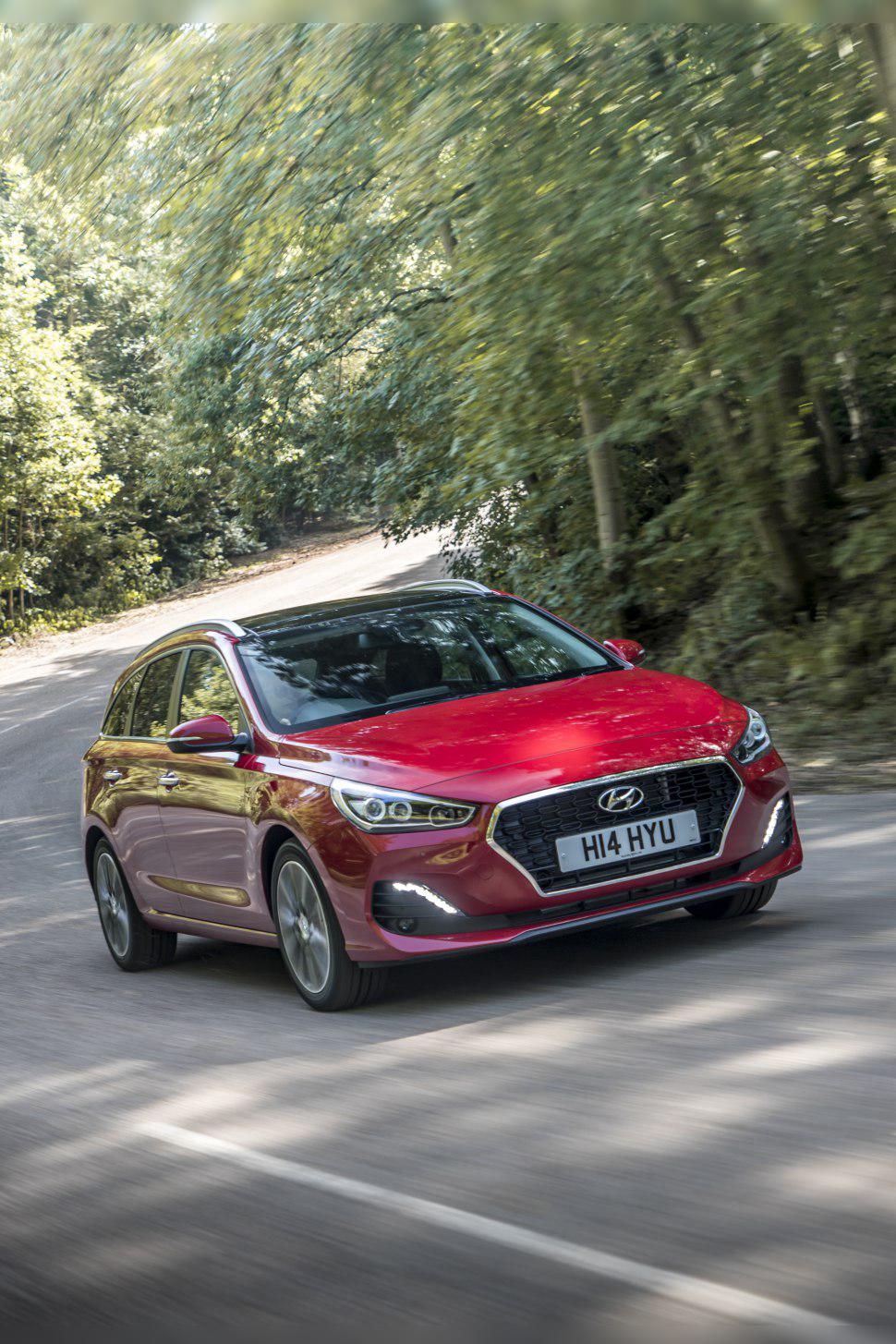
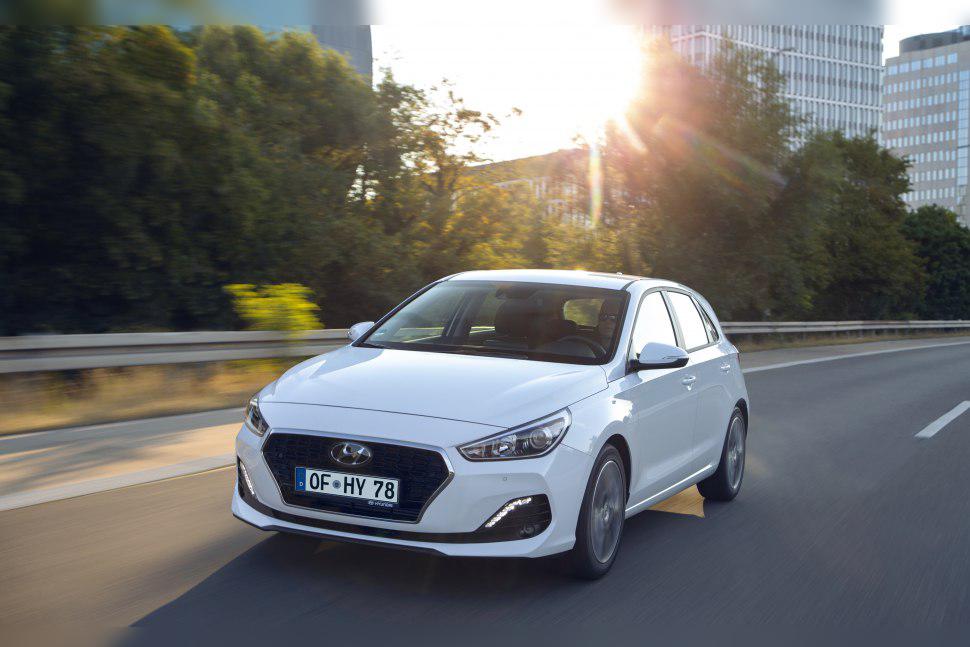
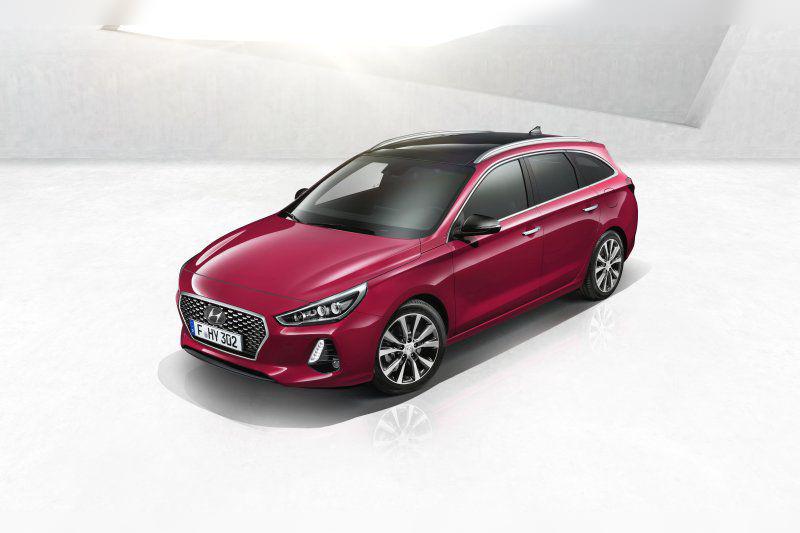
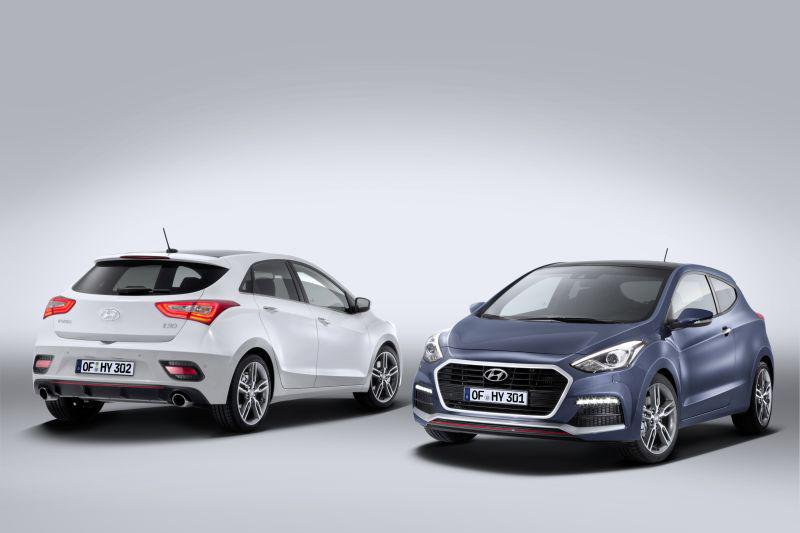
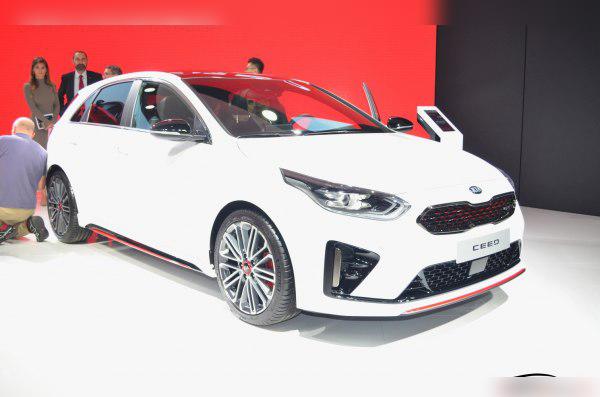
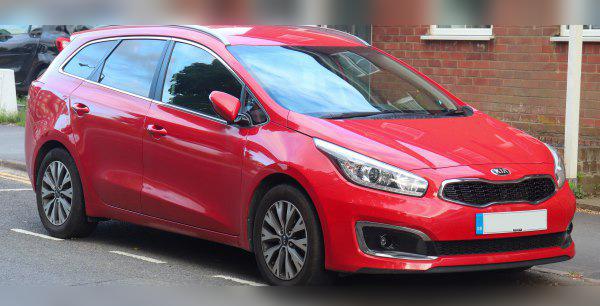
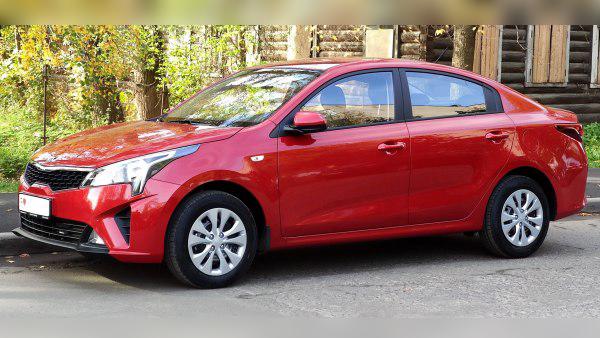
As modern cars become increasingly complex, the Kappa 1.4 MPI with the G4LC code (shared by Hyundai and Kia) is a real breath of fresh air for enthusiasts who prefer mechanics without too much electronics. This engine is a classic naturally aspirated petrol unit with a four-cylinder block that has proven to be incredibly tough. It was installed in a wide range of vehicles, from city runabouts like the Hyundai i20, Kia Rio and Kia Stonic, all the way to compact hatchbacks and estates such as the Hyundai i30 and Kia Ceed. Thanks to its simple construction, this engine often outlives the car’s bodywork itself, provided it is serviced regularly.
Technical specifications
| Specification | Data |
|---|---|
| Engine code | Kappa / G4LC |
| Engine displacement | 1368 cc |
| Engine power | 74 kW (100 hp) |
| Torque | 133 Nm |
| Injection type | MPI (Multi-Point Injection) – Port fuel injection |
| Aspiration | Naturally aspirated – No turbo |
| Fuel type | Petrol |
Reliability and maintenance
Does this engine have a timing belt or a chain?
The good news for your wallet is that the G4LC uses a timing chain (together with sprockets and guides), not a conventional timing belt. The chain is designed to last a very long time and usually doesn’t need to be replaced before 200,000 km, unless you hear a specific rattling noise on a cold start. The system is reliable and rarely jumps teeth.
What are the most common issues with this engine?
Thanks to the absence of complex technologies, serious engine failures are extremely rare. Still, mechanics most often encounter the following problems:
- Ignition coils and leads: The most common reason why this engine starts jerking, losing power or idling roughly is coil failure. Symptoms include the “Check Engine” light and a noticeable loss of power. Replacement is not expensive (depends on the market).
- Oil leaks from the valve cover gasket: After around 100,000 km, the rubber gasket hardens and oil can start running down the engine block. This is mostly a cosmetic issue, but over time it can damage the spark plugs if oil seeps into their wells. The repair is cheap and routine.
- Crankshaft position sensor: An occasional issue that can cause hard hot starts or even stalling while driving.
At what mileage is the “major service” due?
Since the engine uses a chain, the classic “major service” (which usually means mandatory belt replacement every 80–100k km) does not exist in a strict sense here. Instead, the condition of the chain, tensioner and guides is checked regularly after about 150,000 km. However, what does need to be replaced every 60,000 to 90,000 km is the so‑called auxiliary (serpentine) belt together with the idler pulleys and water pump. This job falls into the “not expensive” category (depends on the market).
How many litres of oil does this engine take and which grade?
This engine takes about 3.3 to 3.6 litres of oil (including the filter). The manufacturer recommends fully synthetic oil of grade 5W-30 or 5W-40 (ACEA A5/B5 or API SN). It is advisable to change it every 10,000 to 15,000 km, especially if the car is used mainly in city traffic.
Does it burn oil between services?
Unlike many rival engines from the same period, the Kappa 1.4 MPI is not known for oil consumption. As long as the engine is healthy and has under 150,000 km, oil consumption is negligible (from one change to the next, the dipstick level barely drops). The manufacturer does state up to 0.5 litres per 1000 km as “normal” in the manual, but in practice if this engine uses more than 1 litre per 10,000 km, the valve stem seals or piston rings are slowly starting to wear.
At what mileage should the spark plugs be replaced?
Since this is a petrol engine, spark plug condition is crucial for smooth running. Standard (nickel) plugs should be replaced every 40,000 to 60,000 km. If you fit higher-quality iridium plugs, the interval can be extended to around 90,000 km. Signs that they need replacing include rough idle (the engine “stumbles”) and slightly increased fuel consumption.
Specific parts and costs
Does this engine have a dual-mass flywheel?
Excellent news – this engine does not have a dual-mass flywheel. With the manual gearbox it uses a simple solid flywheel. This means you won’t be facing a painfully expensive repair later on. Only the standard clutch kit (pressure plate, disc, release bearing) is replaced.
What kind of injection system does it use and are the injectors problematic?
The injection system is MPI (Multi-Point Injection) – the petrol injectors spray fuel into the intake manifold, upstream of the intake valves. This system is far more robust and less sensitive to poor-quality fuel than modern GDI (direct injection) systems. Petrol also washes the intake valves, so the infamous carbon build-up on them (soot) seen in direct-injection engines does not occur here. Injector failures are rare; and even if they do get clogged, ultrasonic cleaning is cheap and solves the problem.
Does the engine have a turbocharger and DPF/AdBlue?
The engine is fully naturally aspirated, which means it does not have a turbocharger, nor an intercooler or associated pressurised hoses that can burst. This drastically reduces potential repair costs.
As for emissions systems, since this is a pure petrol engine, it does not use AdBlue. Older models also do not have a particulate filter, while newer ones (after the introduction of Euro 6d-Temp standards at the end of 2018) may be fitted with a GPF (Gasoline Particulate Filter). A GPF is far less troublesome than a diesel DPF because petrol engines warm up faster and exhaust gas temperatures are higher, so the filter regenerates more easily and more often on its own. The EGR system is simple and rarely clogs, unlike on diesels.
Fuel consumption and performance
What is the real-world fuel consumption in city driving?
Don’t expect miracles – this engine needs to rev higher to deliver its power. In i20 and Rio models, city consumption is around 7.0 to 8.5 litres per 100 km. However, in heavier cars such as the Hyundai i30 estate or Kia Ceed SW, in stop‑and‑go traffic with the air conditioning on, consumption easily exceeds 9.0 litres per 100 km.
Is this engine “underpowered” for the weight of the car?
This is one of the main complaints from drivers. With only 133 Nm of torque available relatively high in the rev range (around 4000 rpm), the engine feels very “lazy” and lethargic in heavier and larger bodies (i30, Ceed). For safe overtakes on country roads you’ll have to shift down from sixth to fourth or even third gear and rev the engine close to the redline. For B‑segment cars (i20, Rio, Stonic) the power is more than adequate and the car behaves perfectly fine.
What is it like on the motorway and what revs at 130 km/h?
Because of the modest torque, engineers had to pair the engine with fairly short gear ratios. As a result, in sixth gear at 130 km/h, the engine spins at a fairly high 3,500 to 3,800 rpm (depending on the model). The consequence is increased cabin noise at cruising speeds and higher fuel consumption (around 7.5–8.0 l/100 km on the motorway). It’s not ideal for frequent long-distance motorway trips.
Extras, LPG and modifications
Is this engine suitable for LPG conversion?
Absolutely YES! Thanks to MPI injection, installing a sequential LPG system is straightforward, with no need for expensive systems and emulators as on GDI engines. The engine runs on LPG very well. The only thing experienced mechanics warn about is the valve seats, so when converting to LPG it is recommended to adjust (or at least check) the valve clearances every 60,000 to 80,000 km, because not all versions have hydraulic lifters (this depends on the exact model year, so always check by VIN).
How much power can you gain with a “Stage 1” remap?
Attempting a Stage 1 remap on this engine is basically a waste of money. Since it’s naturally aspirated, remapping the ECU will give you at most 5 to 8 hp, which you won’t really feel in everyday driving. Leave the factory maps alone.
Gearbox: Manual and automatic
Which gearboxes are fitted?
The 1.4 MPI G4LC is most commonly paired with an excellent 6‑speed manual gearbox. On certain trim levels and markets, traditional automatic gearboxes (with a torque converter) were also offered. On older models this was a proven but slow 4‑speed automatic, while newer models (such as the facelifted Rio and i20) received a much better 6‑speed conventional automatic. Hyundai/Kia reserve modern DCT dual‑clutch gearboxes for their turbocharged (T‑GDI) engines.
What are the most common issues and how much does a clutch cost?
- Manual gearbox: Very robust. Sometimes drivers notice a “whining” noise from the gearbox at idle that disappears when the clutch pedal is pressed. This points to wear of the input shaft bearing (lay shaft bearing). The repair requires removing the gearbox. Thanks to the solid flywheel, the clutch kit is not expensive (depends on the market) and typically lasts between 120,000 and 150,000 km, depending on how much city driving the car does.
- Automatic gearbox: The old HD automatics are considered almost indestructible, provided the oil in them isn’t 10 years old. Electronic and hydraulic valve body failures are very rare.
At what mileage should the gearbox be serviced and the oil changed?
For the manual gearbox, manufacturers often claim the oil is “lifetime”, but experienced mechanics recommend changing the transmission oil every 80,000 to 100,000 km.
For the automatic gearbox the rules are much stricter: the oil and filter must be replaced every 60,000 km to keep the valve body and clutch packs in good condition.
Buying used and conclusion
What should you check before buying?
When looking at a used car with the 1.4 MPI Kappa engine, the most important thing is the first start from a completely cold engine. Ask the seller not to start the car before you arrive. As soon as you start it, open the bonnet and listen. If you hear metallic rattling or knocking in the first 2–3 seconds, the timing chain has stretched or the hydraulic tensioner is weak and the timing set will need to be replaced.
Also inspect the edges of the valve cover – if everything is oily and covered in fresh oil, ask for a price reduction to cover the gasket replacement. Test the clutch: it should be light, and gears should engage easily; any difficulty selecting first or reverse gear suggests the clutch is not fully disengaging.
Who is this engine for?
The 1.4 MPI 100 hp (G4LC) engine is aimed at relaxed drivers. It’s not for racers or those who constantly drive on the motorway, as they will be annoyed by the high revs, noise and lack of power. However, if you want a car that will never leave you stranded, that tolerates poorer-quality fuel, whose maintenance boils down to “basic service and fill it up”, and which has huge potential for cheap running on LPG – this is one of the most reliable naturally aspirated engines you could buy on the used market in the last decade.