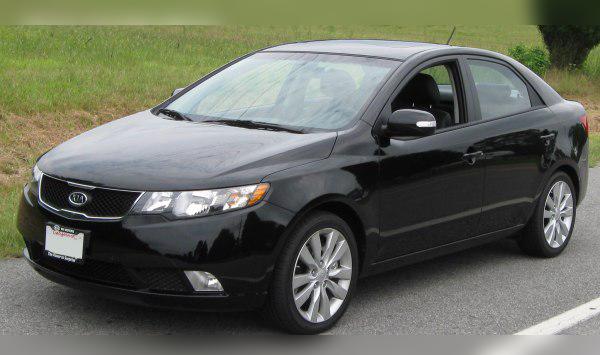
Theta II / G4KD (2.0L 156 hp) – Experiences, problems, fuel consumption and used car buying guide
Key points (TL;DR)
- Prone to failure: This engine has a bad reputation because of cylinder wall scoring. It requires exceptional attention before purchase.
- Timing drive: Uses a reliable timing chain, but the tensioners can fail if the oil is not changed regularly.
- Basically cheap to maintain: Naturally aspirated engine with MPI injection. No turbo, no dual-mass flywheel, no expensive injectors.
- Fuel consumption: Expect slightly higher fuel consumption in the city, often over 11 l/100 km.
- LPG: An ideal platform for installing a sequential LPG system.
- Transmissions: A wide range of gearboxes in Kia models (4, 5 and 6 speeds); automatics are reliable with regular servicing.
- Buying used: An inspection with an endoscopic camera through the spark plug holes is an absolutely mandatory step!
Contents
- Introduction and engine characteristics
- Technical specifications
- Reliability and maintenance
- Specific parts and costs
- Fuel consumption and performance
- Additional options and modifications
- Transmissions and power delivery
- Buying used and conclusion
Introduction and engine characteristics
The G4KD engine belongs to the first generation of the notorious yet massively produced Theta II family from the Hyundai/Kia group. It is a naturally aspirated 2.0-liter petrol engine with an output of 115 kW (156 hp). It was installed in many models worldwide, and is particularly common in models such as the Kia Forte, Forte5 and Koup.
On paper, this engine is a dream for every traditional driver: no complicated injection systems, no turbo, it runs smoothly and delivers decent power. However, in practice it turned out to hide a serious design flaw related to cylinder lubrication, which still gives many owners headaches. That’s why this engine requires expert knowledge and a cautious approach.
Technical specifications
| Specification | Value |
|---|---|
| Engine code | Theta II / G4KD |
| Displacement | 1998 cc (2.0 L) |
| Power | 115 kW (156 hp) |
| Torque | 195 Nm at 4300 rpm |
| Injection type | MPI (Multi-Point Injection – port injection) |
| Aspiration | Naturally aspirated |
| Camshaft drive | Timing chain |
Reliability and maintenance
This is the section that interests potential buyers the most. For driving the camshafts, the G4KD uses a timing chain, not a timing belt. The chain is robust and does not snap easily, but its long service life directly depends on regular oil changes. A traditional “major service” at a fixed mileage does not really exist, but the timing chain set (chain, tensioners, guides) is replaced when it becomes noisy on cold start, which usually happens around 200,000 to 250,000 km. The price of replacing the chain set is moderate to slightly higher, and the repair itself is not extremely expensive (depends on the market).
Most common failures: piston slap and cylinder scoring
The biggest issue and Achilles’ heel of the G4KD engine is the so‑called cylinder wall scoring. Due to poor block cooling design, tight ring tolerances and the absence of oil squirters for cooling the piston crown (which were added only in later revisions), overheating occurs. The piston starts scraping against the cylinder wall. The symptoms manifest as audible knocking on cold start (the so‑called piston slap), which disappears once the engine warms up. In later stages, the knocking remains constant, and oil consumption increases dramatically. The only cure is a full engine rebuild and re-sleeving of the block, which is very expensive (depends on the market).
Engine oil and spark plugs
This engine takes about 4.1 to 4.5 liters of oil (depending on the size of the installed filter). The manufacturer specifies 5W-20 or 5W-30 oil (API SM / ILSAC GF-4 or newer). Do not pour thicker oils (such as 10W-40) thinking you will quiet down the chain, because the CVVT system (variable valve timing) requires low-viscosity oil to work properly! Change the oil strictly every 10,000 km. As for oil consumption, up to 0.2–0.3 liters per 1000 km due to evaporation is considered normal, but anything over 0.5 l/1000 km clearly points to a problem with the rings or scored cylinders.
Since this is a petrol engine, regular maintenance also includes replacing the spark plugs. Standard nickel plugs are replaced at around 40,000 to 60,000 km, while modern iridium plugs extend the interval to about 90,000 km.
Specific parts and costs
The good news with this engine is what it doesn’t have under the hood. Thanks to its simple design, repairs to the engine’s peripheral components generally won’t drain your wallet.
- Flywheel and clutch: This engine was paired with a conventional clutch kit. There is no dual-mass flywheel, only a simple solid one, which drastically reduces clutch replacement costs when the time comes.
- Fuel injection system: Unlike more modern GDI (Gasoline Direct Injection) engines, this G4KD uses the old, proven MPI system (port injection into the intake manifold). The petrol injectors operate at low pressure, are long-lasting and generally not problematic. If they do get dirty, ultrasonic cleaning usually solves the issue, and repairs are not expensive (depends on the market).
- Turbocharger: This is a naturally aspirated engine, so it does not have a turbocharger, intercooler, or high-pressure hoses. Therefore, there is no risk of whistling noises, oil leaks into the intake, or costly turbo overhauls.
- Emissions (DPF/EGR/AdBlue): Since this is a petrol engine, it does not have a DPF filter or AdBlue system, so you avoid the nightmares of modern diesels. It does have a basic EGR (exhaust gas recirculation) valve and a PCV valve (crankcase ventilation). The PCV valve can clog with deposits at around 100,000 km, which causes oil leaks at the valve cover gasket. Fortunately, the valve itself costs only a few tens of euros.
Fuel consumption and performance
Performance in the Kia Forte, Forte5 or Koup is adequate, but this is certainly not a racing engine despite its 156 hp. It is not “lazy” relative to the vehicle’s weight (which ranges from 1,250 to 1,350 kg), but the maximum torque of 195 Nm is delivered only at 4300 rpm. This means you have to rev it higher if you want brisk acceleration.
City fuel consumption is the weak point of older naturally aspirated 2.0-liter engines. In stop‑and‑go city driving, expect a realistic 10.5 to 12.0 l/100 km. On open roads and highways, it can drop to around 6.5–7.5 liters.
On motorways, behavior largely depends on the type of gearbox. In versions with the older 5-speed manual gearbox, the engine will be spinning at a somewhat tiring 3500–3700 rpm at a cruising speed of 130 km/h, which increases cabin noise and fuel consumption. Newer 6-speed gearboxes (both manual and automatic) lower the revs to a more comfortable 2800–3000 rpm at the same speed.
Additional options and modifications
Given the relatively high city fuel consumption, many owners understandably wonder how to reduce running costs.
LPG conversion
The G4KD is a fantastic candidate for LPG conversion. Since it uses indirect MPI injection, a standard sequential LPG system works flawlessly and is not expensive to install (depends on the market). It is only important to regularly monitor the condition of the spark plugs and valve clearances, because the engine does not have hydraulic lifters but mechanical “buckets”, so they should be checked every 100,000 km, as LPG increases combustion temperatures.
ECU remap (Stage 1)
On naturally aspirated petrol engines, software tuning is basically a waste of money. A Stage 1 remap can extract at most 10 to 12 hp and maybe 15 Nm of torque from this engine. In real-world driving, you will hardly feel any difference except for a slightly sharper throttle response. It is not worth the risk or the cost.
Transmissions and power delivery
Depending on the production year, trim level and facelift, the Theta II G4KD was paired with a wide range of transmissions. There are manual gearboxes with 5 and 6 speeds, as well as automatic gearboxes with 4 and 6 speeds.
- Manual gearboxes (5-speed / 6-speed): They have proven to be extremely robust. Failures are very rare and usually come down to worn shift cables. It is advisable to change the oil in the manual gearbox every 80,000 km. Because there is no dual-mass flywheel, clutch kits are inexpensive and fall into the “very affordable” category (depends on the market).
- Automatic gearboxes (4-speed / 6-speed): The old 4-speed automatic (often found in models up to 2010) is an almost indestructible classic torque-converter unit. It is somewhat slower and increases fuel consumption, but mechanical failures are rare. The newer 6-speed automatic is much better to drive and reduces engine load on the motorway. The most common issues with these automatics are not mechanical; the valves (solenoids) in the valve body tend to fail if the oil is not changed.
Automatic transmission maintenance: Servicing the automatic gearbox is absolutely mandatory! Oil and filter changes should be carried out every 60,000 km. Many dealers claim the oil is “lifetime fill” (sealed for life), but any experienced mechanic knows this is a myth that leads straight to transmission failure.
Buying used and conclusion
The decision to buy a Kia with the 2.0L G4KD engine must be made with a cool head and only after a thorough inspection by a competent mechanic. Because of the notorious cylinder issues, here is what should be your absolute priority at the dealership or with a private seller:
- Cold start: The engine must be completely cold (touch the exhaust manifold before starting). Ask the seller to start it while you listen to the sound during the first 30 seconds to 2 minutes. If you hear a pronounced “clack‑clack‑clack” and knocking similar to a diesel, walk away. That is piston slap and the pistons are already heavily scoring the cylinders.
- Exhaust smoke: Once the engine is warm, rev it to about 4000 rpm. If it emits bluish smoke, the engine is burning a lot of oil – the rings are stuck or the cylinders are worn out.
- Endoscopic inspection (MANDATORY): Do not buy this model without removing the spark plugs. The mechanic must insert an endoscope probe and inspect the cylinder walls. If there are deep vertical scratches (scoring), the purchase is not worthwhile even if the car is half the usual price.
- VIN check: Check with an authorized dealer whether this particular car has already had a short block replacement under warranty in the past (some have, and they may have a “newer heart” without these issues).
Who is this car for?
If you find an example with a well-maintained engine (oil changes under 10,000 km intervals), clean cylinders and a clear service history, you will get a spacious, comfortable car (especially the Kia Forte/Cerato/Koup) that is excellent for long-distance driving, especially with an LPG system installed. If you plan to take a risk on a poorly maintained example just because it looks good on the outside, be prepared to set aside a serious amount of money for a full engine block overhaul.