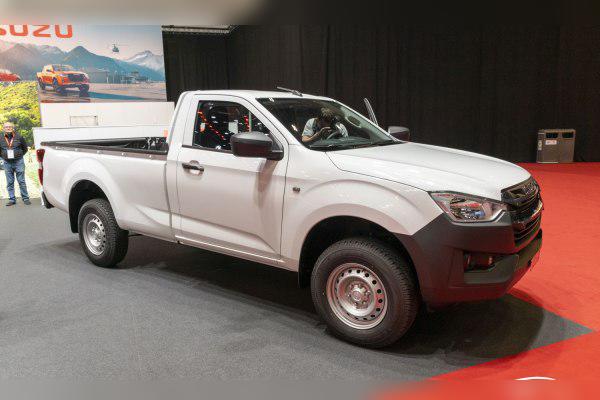
Isuzu 3.0 Ddi 4JJ3-TCX (190 HP): Experiences, problems, fuel consumption and buying used
When Isuzu is mentioned, the first association for a true connoisseur of the automotive industry is an indestructible workhorse engine. The power unit designated 4JJ3-TCX represents the latest evolution of the legendary 3.0-liter engine series, delivering 190 horsepower and a massive 450 Nm of torque. It is designed to withstand harsh working conditions, trailer towing and serious off-road use, yet it complies with today’s strict environmental standards.
Key points in short (TL;DR):
- One of the most reliable four-cylinder diesel engines in its class, with genuine truck DNA.
- Uses a very durable timing chain and gears, which eliminates the high cost of a major timing service.
- Has huge torque available at low revs, making it ideal for towing heavy loads.
- The most common headaches come from modern emission systems (DPF, EGR and AdBlue) when the vehicle is used mostly in city driving.
- Manual gearboxes have a dual-mass flywheel whose replacement is expensive, while the Japanese Aisin automatic has proven virtually indestructible with regular maintenance.
- Fuel consumption is reasonable for a 3-liter work engine, but inevitably rises in heavy city traffic.
Contents:
- Introduction and engine origin
- Technical specifications
- Reliability and maintenance
- Specific parts and costs
- Fuel consumption and performance
- Additional options and modifications
- Gearbox and drivetrain
- Buying used and conclusion
Introduction and engine origin
Isuzu is a global leader in the production of commercial diesel engines. The 4JJ3-TCX engine is the direct successor to the 4JJ1 model, which has achieved cult status worldwide thanks to its longevity. This modernized three-liter block is now installed in current generations of the Isuzu D-Max III (in all cab and drivetrain versions) as well as in the SUV model Isuzu MU-X II. It is intended for drivers who primarily need brutal pulling power, high durability under load and reliability off paved roads.
Technical specifications
| Parameter | Specification |
|---|---|
| Engine displacement | 2999 cc (3.0L) |
| Power | 140 kW (190 HP) |
| Torque | 450 Nm (at 1600 - 2600 rpm) |
| Engine codes | 4JJ3-TCX |
| Injection type | Common Rail direct injection (Denso) |
| Intake type | Turbocharger (VGS), intercooler |
| Fuel type | Diesel |
Reliability and maintenance
Chain or timing belt and major service
One of the best characteristics of this Isuzu engine is that it relies on a combination of timing gears and chain to drive the camshafts. There is no conventional timing belt that requires periodic replacement. Because of this, a classic major timing service is not performed in the way we are used to with European engines. The chain is designed to last as long as the engine itself. It is usually replaced only after 300,000 to 400,000 km if a rattling noise appears during cold start. At 100,000 km it is recommended to replace the serpentine (PK) belt and tensioner that drive auxiliaries such as the alternator and water pump.
Engine oil and consumption
The sump of this massive block holds about 7.5 to 8 liters of engine oil (including the filter). It is mandatory to use synthetic oil of 5W-30 grade that meets ACEA C3 standards due to the presence of a DPF filter. This engine is not known as an “oil burner”. It is normal for the level to drop by about 0.3 to 0.5 liters between services (every 15,000 km), which usually means you will not need to top up oil between changes, provided that the piston rings and turbocharger are in good condition.
Injection system and injectors
This model is equipped with a Japanese Denso high-pressure Common Rail injection system. The injectors are extremely durable, but sensitive to poor fuel quality. In practice, they easily last 200,000 to 250,000 km with the use of cleaning additives and regular fuel filter replacement. When the injectors start to fail, symptoms include a “knocking” sound at idle, more difficult cold starts, rough running until the engine warms up, and in extreme cases – an increased oil level in the sump due to unburnt fuel seeping down (which can lead to engine runaway).
Specific parts and costs
Dual-mass flywheel and clutch
Isuzu D-Max versions equipped with a manual gearbox have a dual-mass flywheel, whose role is to absorb the huge torque shocks from 450 Nm. Depending on how the vehicle is used (frequent trailer towing or heavy off-road), this part can fail after around 150,000 km. Symptoms include judder when setting off and vibrations felt through the clutch pedal. A clutch kit with a dual-mass flywheel is very expensive (depends on the market), as these are heavy-duty components for off-road vehicles.
Turbocharger
The 4JJ3-TCX engine has a single VGS (Variable Geometry System) turbocharger. Thanks to water and oil cooling, its service life is excellent. Failures are rare before 250,000 km, unless the engine is switched off immediately after heavy load on the motorway (before the oil in the turbo has cooled). When wear occurs, the driver will notice a characteristic “whistle”, loss of power and the presence of oil in the intercooler hoses.
EGR, DPF and AdBlue systems
To enable this workhorse engine to meet modern Euro standards, it is equipped with an EGR valve and a DPF filter. The EGR valve tends to clog with soot, especially if the vehicle is used on short city trips. Symptoms include hesitation or jerking at around 2000 rpm. The DPF filter also requires longer journeys in order to perform successful regeneration. To meet the strictest Euro 6d standards in certain markets, some models are equipped with an AdBlue (SCR) system. Unfortunately, this system often causes problems due to crystallization of the fluid in the pump and failures of NOx sensors. Repairing the SCR system is expensive (depends on the market), and issues manifest as a warning light on the dashboard and speed limitation or even preventing the engine from starting after a certain number of kilometers.
Fuel consumption and performance
Is this engine “lazy”?
The short answer: absolutely not. With 190 HP and 450 Nm of torque available from just 1600 rpm, the Isuzu behaves like a freight locomotive. Whether you are carrying a one-ton load in the bed or towing a 3.5-ton trailer, this engine will not give up. Acceleration from a standstill is perfectly adequate for a vehicle weighing over 2 tons, and in-gear acceleration when overtaking inspires a lot of confidence.
Real-world consumption and motorway driving
Due to the large 3.0-liter displacement, vehicle weight and “brick-like” aerodynamics, city fuel consumption ranges between 9.5 and 11 l/100km, especially on models with automatic transmission and 4WD. On open roads, consumption can drop to around 7.5 l/100km. On the motorway at a cruising speed of 130 km/h, thanks to long gearbox ratios, the engine runs relaxed at about 2000 - 2200 rpm. Consumption then is around 8.5 to 9 l/100km. Engine noise is kept to a minimum in newer models thanks to excellent cabin sound insulation, although from the outside this power unit still sounds quite “truck-like”.
Additional options and modifications
Given that the working capacity of the block is truly impressive (3000 cc for 4 cylinders), the engine is very suitable for chip tuning. With a reliable and safe “Stage 1” software modification, power can easily be raised from the stock 190 HP to about 220 to 230 HP, while torque climbs to an incredible 520 Nm or more. It is important to emphasize that if you have a manual gearbox, such an increase in torque can prematurely destroy the dual-mass flywheel and clutch, so sympathetic driving (avoiding full throttle at extremely low revs in a high gear) remains essential.
Gearbox
Types and failures
Two types of transmissions are paired with the 4JJ3-TCX engine: a six-speed manual gearbox and an Aisin six-speed automatic gearbox (Rev Tronic). The manual gearboxes are extremely robust, and their only real drawback is stiff gear engagement in very low temperatures until the oil warms up. As mentioned, the biggest expense here is replacing the clutch kit and dual-mass flywheel.
The Aisin automatic gearbox is a conventional torque-converter automatic – it does not have a dual-mass flywheel. It has proven bulletproof if maintained properly. It does not suffer from the “teething problems” typical of many European dual-clutch gearboxes in such heavy-duty applications.
Gearbox service intervals
For long life of the Aisin automatic, it is essential to change the oil every 60,000 to 80,000 kilometers (around 10 liters of ATF are needed with flushing). In the manual gearbox, the oil should be changed every 60,000 kilometers. Also, do not forget regular oil changes in the differentials and transfer case at the same intervals, especially if the vehicle frequently crosses water obstacles where moisture can enter the system.
Buying used and conclusion
What to check before buying?
When buying a used Isuzu D-Max or MU-X with this engine, be sure to pay attention to the following details:
- Timing chain rattle: Ask the seller not to start the vehicle before you arrive. When starting from cold, listen carefully for any rattling noise from the front of the engine. If you hear it, the time for chain replacement is approaching.
- Suspension and underbody condition: These vehicles are built for off-road use. Always put the car on a lift and look for damage to underbody protection, the oil pan, or oil leaks around the differentials, which indicate heavy off-road abuse.
- DPF and injector diagnostics: Always connect a diagnostic tool to check injector correction values and the degree of DPF saturation.
- Judder when setting off: On models with a manual gearbox, set off uphill with light throttle. Any vibrations are transmitted from a worn dual-mass flywheel.
Final conclusion
The Isuzu 3.0 Ddi 4JJ3-TCX is a true piece of engineering refreshment in a sea of today’s “overstressed” small-displacement diesels. Its main trump card is sheer durability. Who is it for? This engine is ideal for people living in rural or suburban areas, farmers, construction contractors, people who tow boat trailers, and genuine off-road enthusiasts. On the other hand, if you plan to buy a D-Max solely for posing on city boulevards, be prepared for headaches with the DPF and AdBlue systems, because this giant hates short city trips and running below proper operating temperature.