Opel/Isuzu Z30DT 3.0 V6 CDTI (184 hp): Experiences, problems, fuel consumption and used-car buying tips
- Powerful autobahn cruiser: V6 diesel with excellent torque (400 Nm), ideal for long-distance trips, but sluggish in tight city conditions.
- Improved design: Successor to the notorious Y30DT engine. The Z30DT solved the issues of cracked blocks and dropped cylinder liners, but still requires perfect cooling.
- High maintenance costs: The cramped engine bay means every intervention is expensive due to many hours of labor.
- Denso injection system: Very durable injectors, but problematic SCV valves on the high-pressure fuel pump.
- Gearboxes are reliable: The manual F40 is almost indestructible, while the Aisin automatic only requires regular oil changes.
- Not for city driving: The DPF filter and EGR valve will cause serious headaches if the car doesn’t regularly see open roads.
Contents
- Introduction: What you need to know about the Z30DT engine
- Technical specifications
- Reliability and maintenance
- Most common failures and fixes
- Specific parts and costs
- Fuel consumption and performance
- Gearbox: Manual vs automatic
- Additional options and modifications
- Buying used and conclusion
Introduction: What you need to know about the Z30DT engine
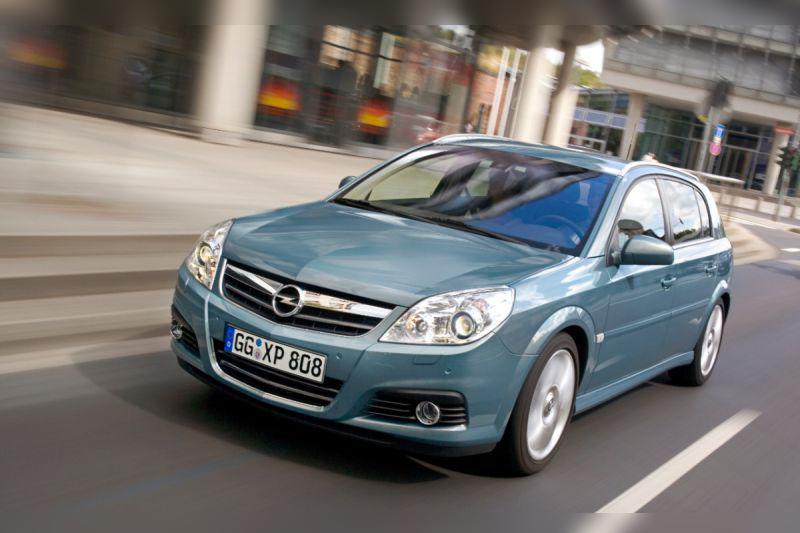
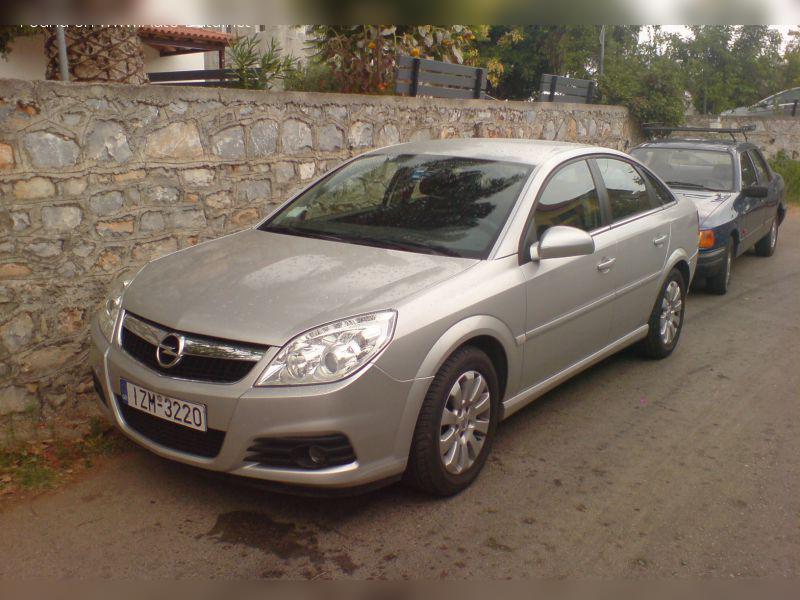
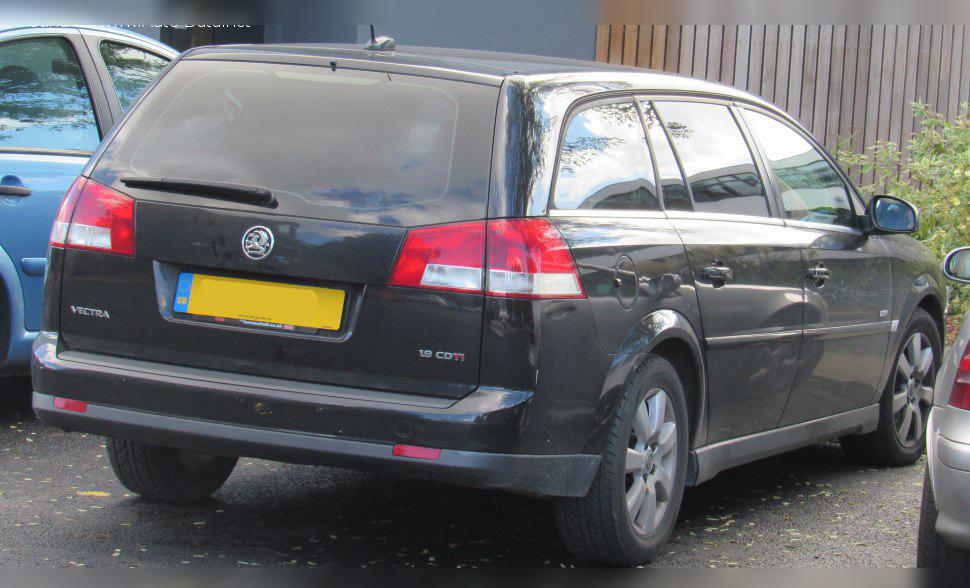
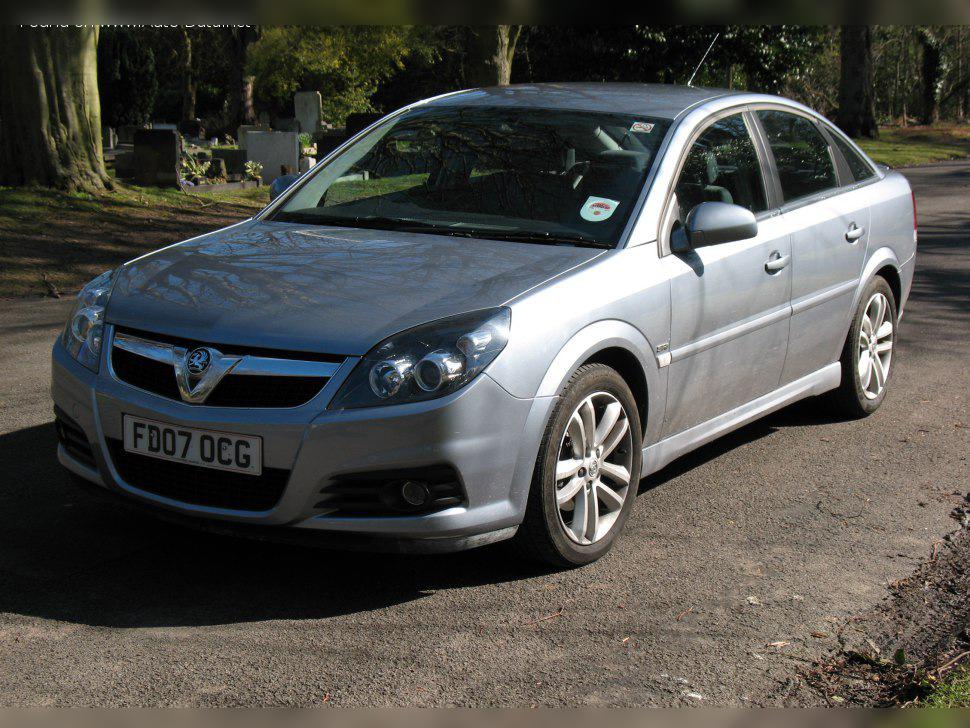
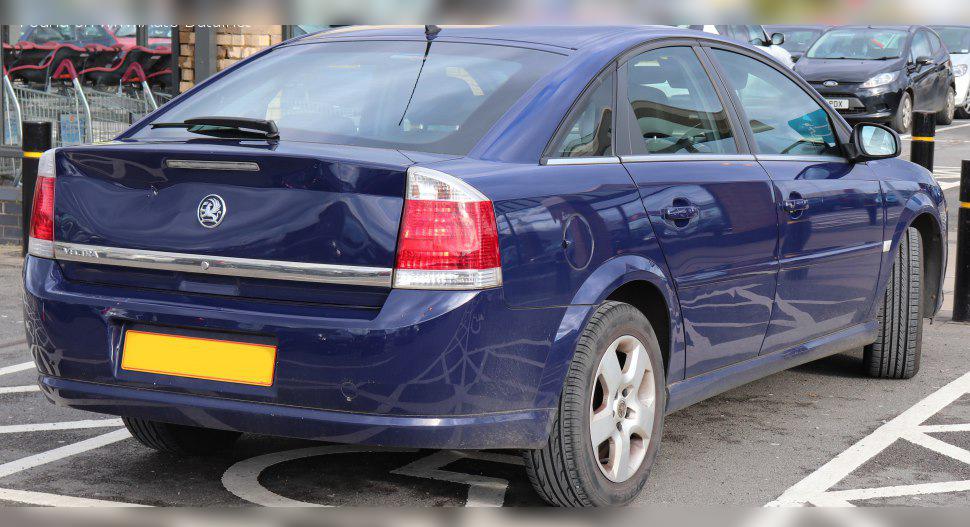
The engine designated as Z30DT is a three-liter V6 turbodiesel from Isuzu, installed in the facelifted Opel and Vauxhall Vectra C models, as well as the Signum from 2005 onwards. It came as the successor to the Y30DT engine (177 hp), which had a bad reputation due to catastrophic cooling issues and dropping cylinder liners. The good news? The Z30DT was significantly revised. The engine now delivers 184 hp and meets Euro 4 standards. It is a classic powerplant made for highway mile-eaters, offering the refined operation of a V6 architecture, but also complex maintenance due to the fact that it barely fits into the engine bay of the Vectra and Signum.
Technical specifications
| Parameter | Specification |
|---|---|
| Displacement | 2958 cc |
| Power | 135 kW (184 hp) |
| Torque | 400 Nm |
| Engine code | Z30DT |
| Injection type | Common Rail (Denso) |
| Charging | VGT turbocharger with intercooler |
Reliability and maintenance
This V6 diesel uses a timing belt to transfer power to the camshafts, although there is also a complex system of gears inside the engine that connects the pump and the crankshaft. The major service, which includes replacement of the timing belt, tensioners, rollers and water pump, is factory-specified at 150,000 km. However, experienced mechanics in Europe advise shortening this interval and doing the major service at a maximum of 100,000 to 120,000 km to avoid catastrophic failure.
As for lubrication, the Z30DT takes a considerable amount of oil – about 7.2 liters. Fully synthetic oil with a viscosity of 5W-30 that meets GM specifications (Dexos 2) is recommended because of the DPF filter. Be sure to change the oil every 10,000 to a maximum of 15,000 km. The engine should not consume large amounts of oil between services; consumption of about 0.5 liters per 10,000 km is considered completely normal for a turbodiesel of this era. Anything above that (e.g. one liter per 2,000 km) indicates a tired turbocharger or worn piston rings.
Since this is a diesel, the service life of the Denso injectors is excellent. In practice, they easily last 250,000 to 300,000 km. However, if the injectors eventually give up (you’ll notice this by black smoke under acceleration, rough idle and increased fuel consumption), keep in mind that the Denso injection system is very expensive to refurbish (depending on the market) compared to the more common Bosch systems.
Most common failures and fixes
SCV valve issues on the pump
By far the most common failure in the Z30DT injection system concerns the SCV (Suction Control Valve) – the fuel pressure control valves located on the high-pressure pump. The driver will notice this as pronounced idle speed fluctuation (the engine “flares up”), random stalling when stopping at traffic lights, and occasional entry into limp mode under hard acceleration. Replacing these valves solves the problem, and the repair cost is not excessively high.
Overheating and dirty radiators
Although the Z30DT does not drop liners like its predecessor, the V6 architecture generates a huge amount of heat in a cramped space. The coolant radiator, A/C condenser and intercooler are packed right up against each other. Over time, a layer of dirt, leaves and dust (the so‑called “blanket”) builds up between them, blocking airflow. The symptom is the temperature gauge climbing above 90°C under load or with the A/C on in city traffic. Preventive removal and external cleaning of the radiators every two years is a must.
Specific parts and costs
The Z30DT is equipped with a single variable-geometry turbocharger (VGT) located within the V of the engine. The turbo’s service life is good and exceeds 200,000 km, but its main enemies are poor-quality oil and a clogged DPF. Symptoms of turbo failure include whistling under acceleration, loss of power (low boost pressure) and oil consumption. Due to its location, removing the turbo requires many hours of labor, which further increases the cost of the job.
Unlike older generations, this model has a DPF filter, but no AdBlue system. The DPF and EGR valve are well-known enemies of this engine if the car is driven mostly in the city. The EGR clogs up with soot mixed with oil vapors, which causes the engine to choke at low revs. The DPF suffers from failed regenerations in urban driving, which eventually results in clogging and a warning light on the instrument cluster, and often also in fuel mixing with the oil (the oil level on the dipstick rises).
Fuel consumption and performance
Fuel consumption is a sore point for all drivers who plan to use the car in urban environments. Due to the vehicle’s weight (Vectra estate or Signum weigh over 1.6 tons) and the engine displacement, real-world city consumption is between 10 and 12 l/100 km. On the other hand, the engine absolutely shines on the motorway, where at 130 km/h it cruises effortlessly with consumption of about 6.5 to 7.5 l/100 km.
This engine is anything but “lazy”. With 400 Nm available from low revs, in-gear acceleration (e.g. from 80 to 120 km/h) is excellent. The driving feel is linear and powerful, but due to the heavy cast-iron block over the front axle, the car suffers from understeer in sharper corners, so it is not intended for sporty driving on twisty roads, but exclusively for devouring kilometres in a straight line.
Gearbox: Manual vs automatic
Two types of six-speed gearboxes were fitted to the Z30DT:
- F40 (manual gearbox): Mechanically, this is one of GM’s strongest gearboxes and rarely fails. However, the manual version comes with a dual-mass flywheel. The heavy engine and high torque take their toll, so the flywheel usually fails at around 150,000 to 200,000 km. Symptoms are vibrations at idle, knocking when starting/stopping the engine and shuddering when moving off from a standstill. The price of a clutch and dual-mass flywheel kit is very high (depending on the market).
- AF40-6 (Aisin automatic): This is a conventional automatic gearbox with a torque converter. It does not use a dual-mass flywheel, which is a financial relief. It is extremely reliable if the oil is changed every 60,000 km. The most common failure on the automatic is valve body (solenoid) failure due to dirty oil. The driver will notice this as a very harsh, sharp jolt when shifting from ‘N’ into ‘D’ or ‘R’, as well as delayed shifting from 2nd to 3rd gear.
Additional options and modifications
Owners often wonder whether they can extract more power, and the answer is yes. With a safe Stage 1 remap, the Z30DT can quite easily reach about 215–220 hp and 460–480 Nm of torque. Thanks to the robust internals of the engine itself, the hardware can handle this without issue. However, the main limitation lies in the gearboxes.
If you have the automatic gearbox (AF40-6), it is factory-rated at around 440–450 Nm of maximum torque. Poor-quality chiptuning that dumps torque in abruptly at low revs will quickly destroy the torque converter. The map must be made so that power is delivered linearly.
Buying used and conclusion
What to check before buying?
- Cold start: The engine should start “on half a turn” without flaring up at idle. Fluctuating revs indicate expensive SCV valves on the pump.
- Exhaust condition: The car must be connected to diagnostics to check the DPF status. Bluish smoke indicates oil consumption (turbo), while thick black smoke under throttle points to tired injectors (Denso injectors are very expensive).
- Automatic gearbox test drive: Drive the car until it reaches operating temperature (the gearbox must warm up). Then slow down to a stop and observe whether it downshifts harshly, or jolts when you shift from neutral into ‘Drive’.
- Cooling system: Be sure to check whether the coolant hoses are hard (under pressure) after a drive, as this would be a sign of a leaking head gasket. Although this is not common on this newer engine, you should always be cautious with this Isuzu design.
Final conclusion
Who is the Z30DT for? This engine is absolutely not for drivers whose daily route is 10 km of city traffic from home to work. The DPF, EGR and fuel consumption will ruin you financially, and an engine bay crammed with a hot and inaccessible V6 will give every mechanic a hard time. On the other hand, if you are a travelling salesperson or simply cover huge distances across Europe, an Opel Vectra or Signum equipped with the Z30DT will offer fantastic comfort, speed and impressive in-gear acceleration. If you find an example with a regularly serviced Aisin automatic gearbox and a clean cooling system, it is a more reliable and far more refined cruiser than the usual 1.9 CDTI versions – just be prepared for premium maintenance costs.