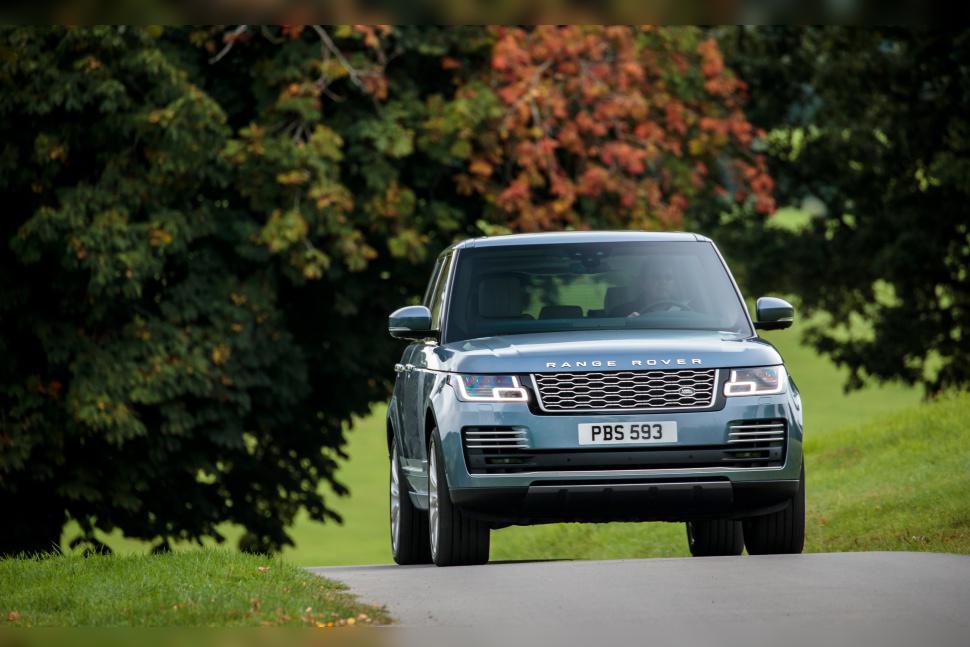
Experiences, issues, fuel consumption and used-buying tips: Jaguar and Land Rover 3.0 V6 Supercharged (306PS / AJ126) 280 kW (380 hp)
Most important in short (TL;DR)
- Excellent performance and sound: One of the best-sounding V6 engines on the market, thanks to the supercharger that offers instant throttle response.
- More reliable than its V8 relative, but not flawless: It’s based on the 5.0 V8, which means the block is extremely robust, but it shares some of its “childhood diseases”.
- Coolant leak issues: The most critical point are the plastic coolant pipes under the supercharger, which crack over time due to high temperatures (expensive, labor cost depends on the market, as the supercharger has to come off).
- Supercharger rattle (isolator rattle): A “marbles in a can” noise at idle indicates a worn isolator in the supercharger snout.
- Timing chain needs attention: Early models had issues with chain tensioners, although this was mostly resolved from 2017 (facelift) onwards. Still, regular oil changes are crucial.
- Gearbox maintenance is mandatory: The excellent ZF 8-speed automatic requires an oil change every 80,000 to 100,000 km to remain smooth and reliable.
Contents
- Introduction: What kind of engine is this?
- Technical specifications
- Reliability, Maintenance and Failures
- Specific Components and Injection System
- Fuel Consumption and Performance
- Extras: LPG and Chiptuning
- Transmissions, Clutches and Maintenance
- Buying Used and Conclusion
Introduction: What kind of engine is this?
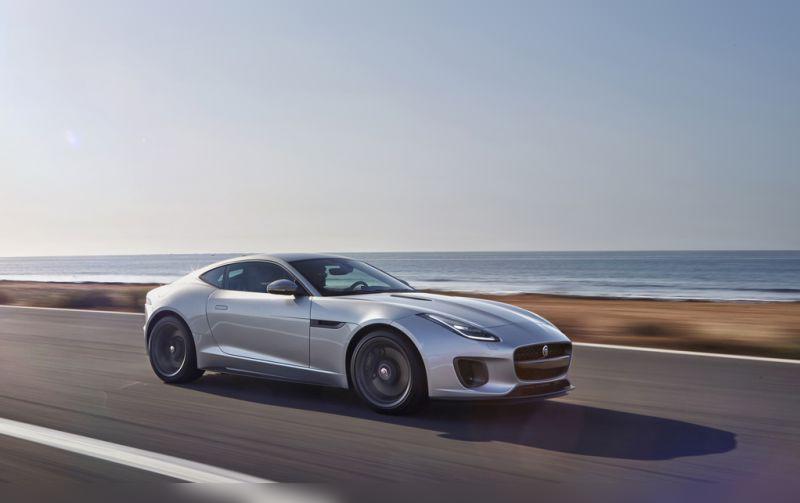
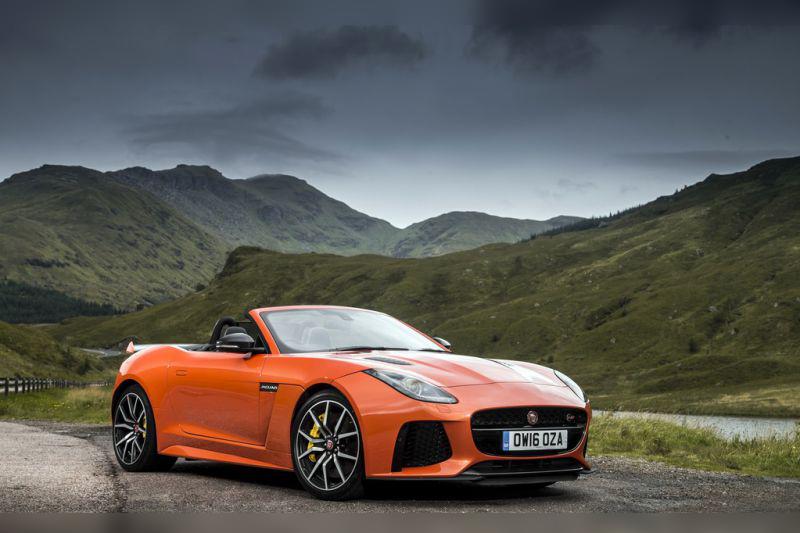
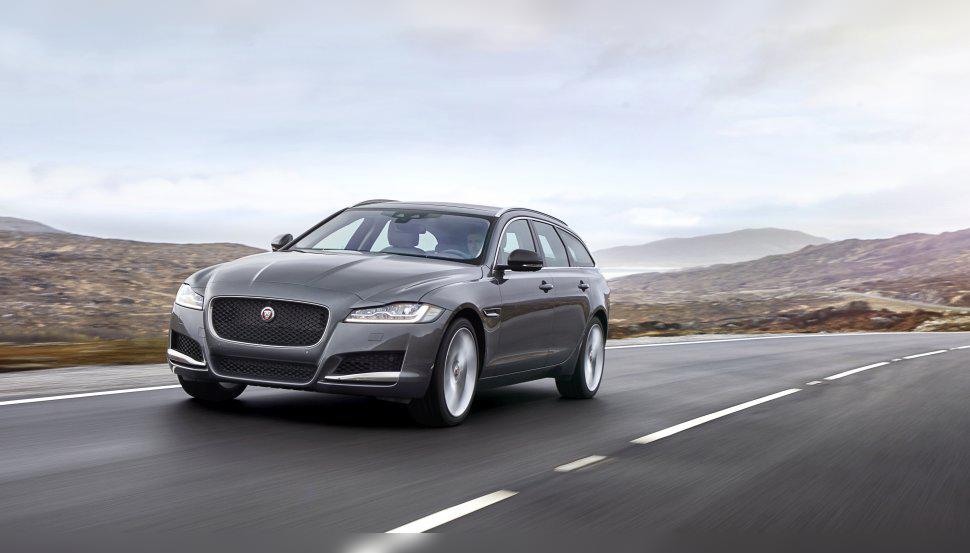
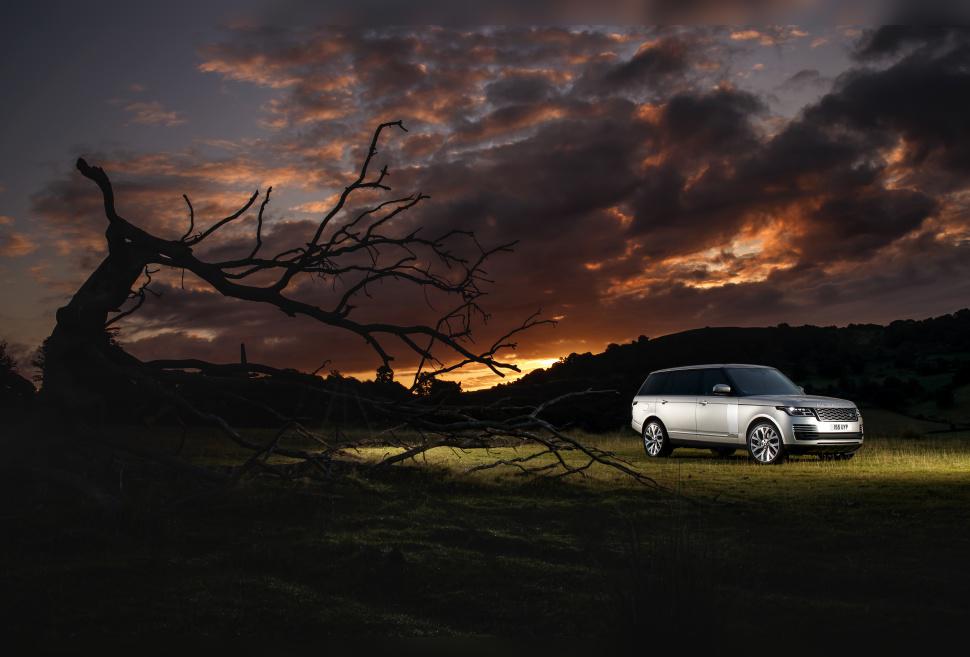
The engine with the code 306PS (often known within the group by the engineering name AJ126) is a technological masterpiece of British engineering, designed to replace older naturally aspirated V8 engines, offering similar power with less weight and lower fuel consumption. It is installed in the most prestigious models such as the Jaguar F-Type, XE S, XF S, but also in heavyweights like the Range Rover and Range Rover Velar. Interestingly, this engine was created by “cutting off” two cylinders from the famous 5.0 V8 (AJ133) engine, which is why it has a specific V-angle and a somewhat rougher operation that is smoothed out by balance shafts. Its biggest asset is the mechanical supercharger, which guarantees raw power at all revs, without any “turbo lag”.
Technical specifications
| Characteristic | Data |
|---|---|
| Engine displacement | 2995 cc (3.0 V6) |
| Engine power | 280 kW (380 hp) |
| Torque | 450 Nm |
| Engine codes | 306PS / AJ126 |
| Injection type | Direct injection (GDI) |
| Charging method | Mechanical supercharger + intercooler |
| Fuel type | Petrol (gasoline) |
Reliability, Maintenance and Failures
Timing system: Chain and tensioners
This engine uses a timing chain to drive the camshafts. On the earliest versions of this engine (before 2015) there was a known issue with the chain tensioners that would lose tension, causing chain rattle on cold start. Models produced from 2017 (facelift, which are primarily the ones discussed here) received revised, reinforced tensioners and guides, so this issue is much less common. There is no classic major service in the sense of replacing a timing belt, but the supercharger belt does need to be replaced at around 100,000 to 120,000 km. If the chain becomes noisy, it has to be replaced as a complete set, which is expensive (depends on the market) and requires engine removal or special tools.
Most common failures and “childhood diseases”
By far the most well-known issue with this engine concerns the cooling system. Under the supercharger there are plastic pipes (“Y-pipe” and crossover pipe) for coolant flow. Due to aging and extreme heat cycles in the V of the engine, this plastic becomes brittle and cracks. Symptoms include a sweet coolant smell around the bonnet, a drop in coolant level, and in the worst case overheating that can lead to warping of the aluminum cylinder head. Therefore, it is recommended to replace these pipes preventively with improved aluminum versions, which is expensive (depends on the market) mainly because of labor, as it requires removal of the supercharger.
The second weak point is the water pump. It often starts leaking as early as 80,000 km, so a visual inspection of the belts and pulleys around the pump for traces of pink coolant is mandatory at every minor service.
Oil, service intervals and spark plugs
The engine takes about 7.25 liters of oil, and the factory specification JLR STJLR.51.5122 is strongly recommended, usually in the 0W-20 grade. This is a very thin oil that improves efficiency, but requires uncompromising adherence to change intervals of a maximum of 10,000 to 15,000 km. Forget factory “long-life” intervals of 24,000 km if you want a long-lasting chain. As for oil consumption, the engine is very decent in that regard. A healthy unit should not consume more than 0.2 to 0.3 liters per 1,000 km between services. If consumption increases, the problem is usually the PCV valve (crankcase ventilation / oil separator valve), which is not too expensive to replace.
Given the high performance, the spark plugs are under heavy load. They should be replaced every 60,000 to 80,000 km. Faulty spark plugs can cause rough idle and misfires and potentially damage the expensive catalytic converters.
Specific Components and Injection System
Direct injection and injector sensitivity
The engine uses a high-pressure direct fuel injection (GDI) system. The petrol injectors themselves are very reliable and rarely cause problems. However, the main “enemy” of direct injection is carbon buildup on the intake valves. Since the fuel does not wash over the valves on its way to the combustion chamber, deposits from the PCV system can gradually reduce airflow. Cleaning the valves using the “walnut blasting” method is recommended at around 120,000 km to restore the original throttle response. As this is a petrol engine, it does not have a DPF filter, no AdBlue system and no traditional diesel-style EGR valve that often clogs on diesels.
Mechanical supercharger versus turbocharger
Unlike many modern engines, this JLR V6 does not have turbochargers. Cylinder filling is handled by a mechanical supercharger from Eaton (TVS R1320) mounted in the V of the engine. Its lifespan generally matches the life of the engine, it is very robust, but it has one very irritating flaw. Inside the supercharger snout there is a torsional isolator with a spring. Over time, the spring “eats into” the shaft it rests on. The driver notices this as an irregular, loud rattling or grinding noise from the engine bay at idle, reminiscent of small stones in a tin can. Replacing the isolator with an improved solid version is absolutely possible, and the cost is not expensive to expensive (depends on the market) depending on where you buy the rebuild kit and which specialist you use.
Fuel Consumption and Performance
How much does it really use?
It is unrealistic to expect fuel economy from a 3.0-liter petrol engine with a supercharger. Real-world city consumption ranges from 13 up to 18 l/100 km. Heavier models like the Range Rover will constantly be at the upper end, while the more aerodynamic Jaguar F-Type in gentle city driving can get down to around 13–14 l/100 km.
Performance: Is the engine “lazy”?
The engine is under no circumstances “lazy”. With its 380 hp and 450 Nm, it pulls bodies weighing over two tons (Range Rover Velar) impressively well. Thanks to the supercharger, torque is available instantly. There is no waiting for boost to build (“turbo lag”), the throttle pedal has surgically precise response, and the engine eagerly revs all the way to the redline. The intake sound mixes with the characteristic supercharger “whine”, providing a fantastic experience.
On the motorway this unit is extremely refined. Paired with the 8-speed automatic, cruising at 130 km/h happens at a relaxed 1,900 to 2,100 rpm in top gear. At such speeds, fuel consumption can drop to around 8.5 to 10 l/100 km.
Extras: LPG and Chiptuning
LPG conversion
Although it is theoretically possible, converting this engine to LPG is very rarely recommended. The reasons are direct injection (which requires an expensive and specific system that injects liquid gas or runs with a share of petrol to cool the injectors), a very cramped engine bay filled by the supercharger, and high operating temperatures. A quality system is very expensive (depends on the market), and the risk of a lean mixture that could melt the pistons at full throttle is too high for the savings achieved.
“Stage 1” tuning potential
This is where the 306PS / AJ126 absolutely shines! The factory electronically limited the power of this engine so it wouldn’t threaten sales of the more powerful V8. With a simple ECU remap (Stage 1), power can be safely raised from 380 hp to about 410 to 420 hp. If you also opt for a smaller supercharger pulley (to spin the supercharger faster) and matching software, figures close to 450 hp are easily achievable. The engine block and gearbox can handle this without any issues, provided the cooling system is in perfect condition.
Transmissions, Clutches and Maintenance
This engine is almost always paired with the legendary ZF 8HP70 8-speed automatic gearbox. The Jaguar F-Type in some (very rare) trims was also offered with a 6-speed manual gearbox from the well-known manufacturer ZF.
Automatic gearbox failures and maintenance
The ZF 8-speed automatic is a true masterpiece and has no inherent weaknesses, provided you haven’t “killed” it by neglect. This gearbox does not have a dual-mass flywheel, but uses a hydraulic torque converter. The most common “issues” are limited to harsher gear changes due to worn-out oil. Although the car manufacturer claims for some markets that the oil is lifetime (“sealed for life”), the gearbox manufacturer (ZF) explicitly states that oil and filter (sump) must be changed every 80,000 to 100,000 km. This is a key investment, which falls into the expensive (depends on the market) category, but ensures flawless operation for tens of thousands of kilometers.
Failures and clutch costs on the manual gearbox
If you come across the rare manual version (most often the F-Type), keep in mind that it uses a traditional dual-mass flywheel. With high power and 450 Nm of torque, the clutch and flywheel are under huge stress, especially during aggressive launches. Signs that replacement is due include a heavy pedal, clutch slip in higher gears under full throttle and strong vibrations. Replacing the complete set is very expensive (depends on the market) due to the rarity of parts for a manual transmission paired with this engine.
Buying Used and Conclusion
What exactly should you check when buying?
- Smell under the bonnet: As soon as the car returns from a test drive and the engine is hot, open the bonnet and smell around the plastic engine cover. If you notice a sweet smell, coolant is evaporating somewhere on the block. Ask a mechanic to inspect the gaps under the supercharger with an endoscope camera.
- Idle noise – cold engine: Listen carefully during the first 3 to 5 seconds after the morning start. Metal-on-metal rattling indicates that the timing chain is stretched or the tensioners have lost tension.
- Idle noise – hot engine: If you hear an intense knocking from the area where the belt runs across the front of the engine, like “marbles in a metal box”, the supercharger isolator has worn out.
- Oil service history: Use diagnostics to read past oil change intervals. If the car has been serviced every 25,000 km from new, the timing chain is already questionable.
Conclusion: Who is this engine for?
This 3.0 V6 Supercharged unit is a “wolf in sheep’s clothing”. It offers 80% of the thrill and brutality of a supercharged V8, but in a somewhat more civilized and lighter package. This engine is not for frugal drivers – it demands top-quality oil, a healthy cooling system and regular visits to specialists who truly understand the JLR platform. However, for someone who buys it as a weekend toy (in a Jaguar) or a powerful cruiser (in a Range Rover), it will deliver unique mechanical character, a superb exhaust symphony and instant throttle response that today’s strangled turbo engines can rarely match.