Experiences, issues and maintenance: Ingenium 204DTD engine (2.0 D 150 HP) – Used car buyer’s guide
Key points in short (TL;DR)
- Timing chain is the critical point: It is located at the rear of the engine, prone to stretching, and replacement requires removing both the engine and gearbox – the repair is very expensive (Depends on the market).
- Oil dilution with diesel fuel: Due to frequent DPF regenerations, diesel ends up in the oil sump, which raises the oil level and drastically reduces crankshaft lubrication.
- Performance and weight: With 110 kW (150 HP), this engine is quite "lazy" for heavy bodies such as the Land Rover Discovery Sport or Jaguar E-Pace.
- AdBlue system: Frequent failures of the heater and pump, which are integrated into the tank.
- Transmissions: Excellent 9-speed ZF automatic, but it requires regular oil changes to avoid harsh shifts.
- Fuel consumption: Not economical. Expect high city consumption due to the heavy vehicle weight and all-wheel drive (AWD).
Contents
- Introduction: About the Ingenium 204DTD engine
- Technical specifications
- Reliability, maintenance and common failures
- Specific parts and costs
- Fuel consumption and performance
- Additional options and modifications
- Transmissions and drivetrain
- Buying used and conclusion
Introduction: About the Ingenium 204DTD engine
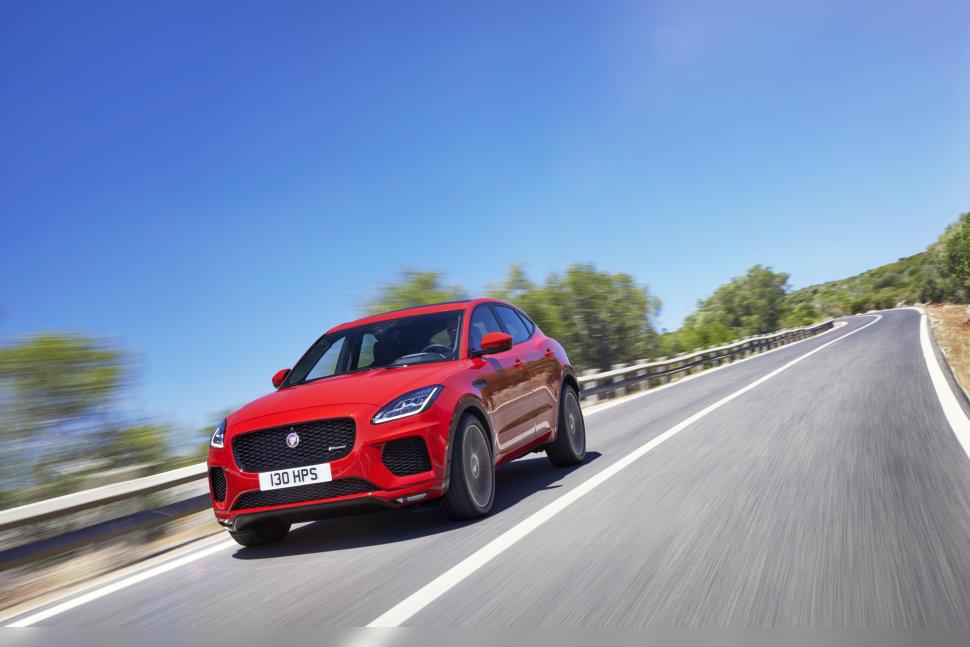
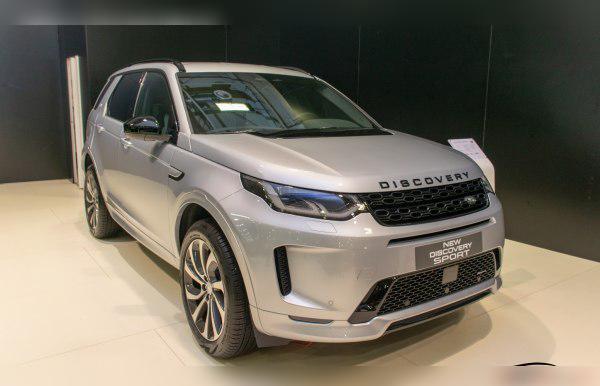
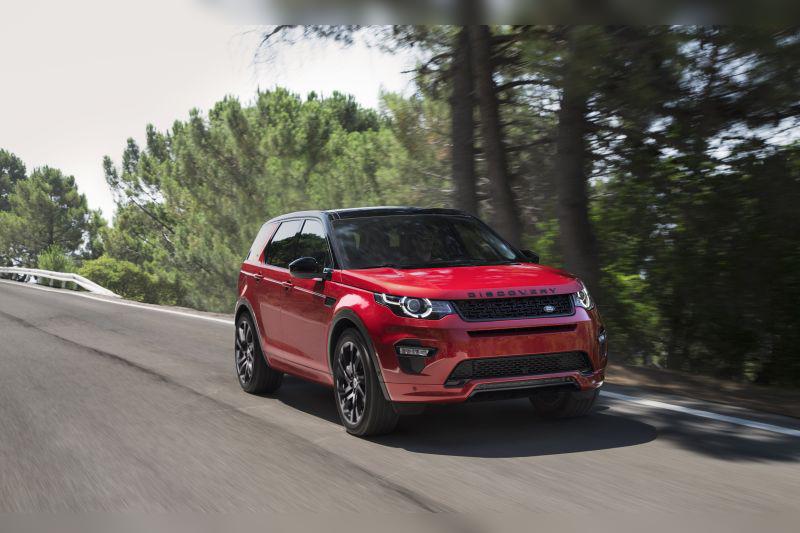
The engine designated as 204DTD belongs to the Ingenium family of powertrains that the Jaguar Land Rover (JLR) group developed in-house to replace the older 2.2‑liter diesels from the Ford/PSA group. It was installed in premium SUV models such as the Jaguar E-Pace, Range Rover Evoque (both generations) and Land Rover Discovery Sport. Although it offers smoother operation and better emissions standards, this 110 kW (150 HP) engine has in practice shown serious engineering flaws that give owners headaches. There are conventional versions, as well as Mild Hybrid (MHEV) variants with a 48V system on facelift models from 2019 onwards, which provide a slight assist when pulling away from a standstill.
Technical specifications
| Characteristic | Data |
|---|---|
| Displacement | 1999 cc |
| Power | 110 kW (150 HP) |
| Torque | 380 Nm |
| Engine code | 204DTD (Ingenium) |
| Injection type | Common Rail (Direct injection) |
| Charging method | Turbocharger (VGT), Intercooler |
Reliability, maintenance and common failures
Does this engine have a timing belt or chain?
The Ingenium 204DTD uses a timing chain. However, JLR engineers made a very unpopular decision to place the chain at the rear of the engine, right next to the gearbox and firewall. The manufacturer intended the chain to last the lifetime of the engine, but real‑world experience has shown the complete opposite.
What are the most common failures and when is the major service done?
Due to poor design and long oil change intervals, the chain is prone to rapid stretching and the plastic guides tend to crack. Symptoms include rattling on cold start. A traditional "major service" is not officially prescribed, but experienced mechanics recommend a preventive chain replacement at 100,000 to 120,000 km. Since the entire engine and gearbox have to be removed from the vehicle to replace the chain, this procedure is very expensive (Depends on the market).
The second major issue is engine oil dilution. Due to the specific exhaust system architecture, the engine often fails to complete DPF regeneration. Because of this, the ECU injects excess diesel which runs down the cylinder walls straight into the oil sump. The result? The oil level rises, viscosity is lost, lubrication of the big-end and main bearings on the crankshaft weakens, which can lead to complete engine failure.
Oil: Capacity and consumption
This engine takes about 7.0 to 7.25 liters of oil (depending on the exact shape of the sump and drivetrain). Only 0W-30 oil with specification STJLR.03.5007 is recommended. The manufacturer once specified service intervals of over 30,000 km, which is disastrous. You must do an oil change at a maximum of 10,000 to 12,000 km. The engine does not consume much oil in the classic sense (up to 0.5 liters between services is normal), but as mentioned, pay attention that the level on the dipstick does not rise.
Injector longevity
The injection system is reliable. The injectors (mostly Bosch or Denso, depending on the year) can easily last over 200,000 km when using quality Euro diesel. They are sensitive to metal shavings from the high-pressure pump if the fuel filter is not changed regularly. Symptoms of bad injectors include rough idle, increased black smoke and harder starting.
Specific parts and costs
Turbocharger and DPF/EGR system
The engine has a single turbocharger with variable geometry (VGT). The turbo itself is durable (often lasting over 150,000 km), but the variable geometry vanes can get stuck due to soot build-up, especially if the car is driven mainly in the city at low revs.
The DPF filter and EGR valve are a major weak point of this model. The EGR valve has a cooler which can start leaking, causing coolant loss, while the valve itself often gets stuck due to soot. The DPF clogs up very quickly. Replacement or professional cleaning are common procedures, and ignoring the problem leads directly to the aforementioned oil dilution issue.
AdBlue system (SCR)
Euro 6 versions of this engine are equipped with an AdBlue system. It causes major problems, especially in winter. The fluid heater and pump are integrated into the AdBlue tank itself. When the heater fails (more common at temperatures below 0 °C), the ECU throws an error and starts counting down the remaining kilometers until the engine will no longer start. Replacement requires buying the entire module/tank, which is very expensive (Depends on the market).
Fuel consumption and performance
Is this engine "lazy"?
In short: Yes. An empty Evoque, Discovery Sport or E-Pace weighs between 1,800 and 2,000 kilograms. With 110 kW (150 HP) and 380 Nm, the engine really struggles to move that mass, especially with AWD. For everyday city driving it is acceptable, but on country roads when overtaking it lacks "breath". Mild Hybrid versions from 2019 slightly mask the turbo lag when pulling away, but overall this is not a car for dynamic driving.
Real-world consumption and motorway driving
Because it has to fight against the heavy body and the aerodynamic drag of these tall SUV models, real-world consumption in city driving is between 8.5 and 10.5 l/100 km. On open roads the situation is better. Thanks to modern multi-speed gearboxes, at 130 km/h the engine cruises at very low revs (around 1,800 to 2,000 rpm with the 9-speed automatic), and then consumption is a tolerable 6.5 to 7.5 l/100 km.
Additional options and modifications
Since this is the lower-powered version of the same Ingenium block that also comes in 180 HP variants, this engine is an excellent candidate for a software power increase (chiptuning). A safe Stage 1 remap can raise power to around 180 to 190 HP and torque to about 430 Nm. This modification is highly recommended because it drastically reduces the feeling of the vehicle being "lazy" and can even slightly lower fuel consumption in normal driving, as the engine does not have to work as hard.
Transmissions and drivetrain
Types of gearboxes and failures
Two types of gearboxes are paired with this engine:
- 6-speed manual gearbox: Reliable in itself, but it comes with a dual-mass flywheel. Given the heavy vehicle weight and 380 Nm of torque, the dual-mass flywheel is under huge stress when pulling away. It often fails between 150,000 and 200,000 km. Symptoms include vibration in the clutch pedal, shuddering when switching off the engine and a dull thud when changing gears. Replacing the clutch kit and dual-mass flywheel is expensive (Depends on the market).
- 9-speed automatic gearbox (ZF 9HP): By far the better and more common choice. It does not use a dual-mass flywheel, but a reliable torque converter. Failures are rare, but owners often complain about harsh shifting in the lower gears (from 1st to 2nd and 3rd). This is usually resolved by updating the gearbox software.
Gearbox maintenance
Although dealers often claim that the oil in the automatic gearbox is "lifetime", the gearbox manufacturer (ZF) strictly requires that the oil and filter be changed every 80,000 to 100,000 km. If you are buying a used car with more than 120,000 km and the oil in the automatic has never been changed, prepare for possible jerks and expensive repairs of the valve body (mechatronics).
Buying used and conclusion
What to check before buying?
Buying a vehicle with the Ingenium 204DTD engine requires exceptional caution. Here is your checklist:
- Cold start: Ask the seller not to start the car before you arrive. At the first start, listen carefully to the rear of the engine (towards the cabin). If you hear metallic rattling or scraping that lasts a few seconds, the timing chain is due for replacement.
- Oil level check: Pull out the dipstick. If the level is above the "MAX" mark or the oil strongly smells of diesel, the car has a serious problem with DPF regenerations. Skip that example.
- Diagnostics: Be sure to connect diagnostics specific to JLR vehicles (e.g. SDD/Pathfinder) and check for faults related to the EGR, DPF saturation and AdBlue module.
- Inspection of suspension and drivetrain: On AWD versions, check the Haldex coupling and driveshaft, as these cars are heavy and the drivetrain components can suffer in stop‑and‑go city driving.
Conclusion
Who is a JLR model with the Ingenium 204DTD engine intended for? It is aimed at drivers for whom design and brand prestige come first, and who do not cover huge mileages exclusively in city traffic. For this engine to survive, it has to be driven on the motorway so that the DPF can do its job and diesel does not end up in the oil. The lower 150 HP version is objectively underpowered for the bodies it is installed in, so chiptuning (Stage 1) is almost a necessity. If you find an example with a proper service history, where the rear timing chain has already been replaced and the oil has been changed every 10,000 km, it can serve you well. Otherwise, this engine represents a major financial risk for your wallet.