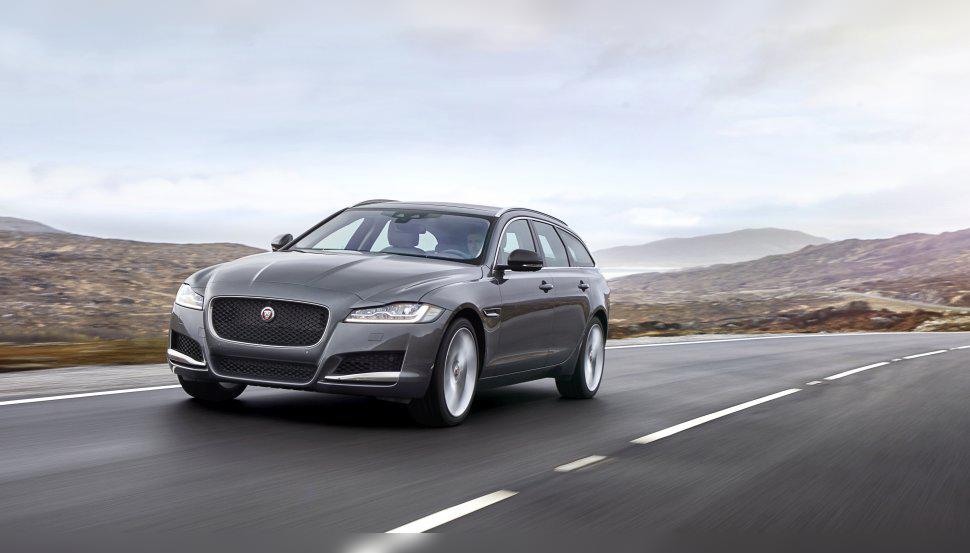
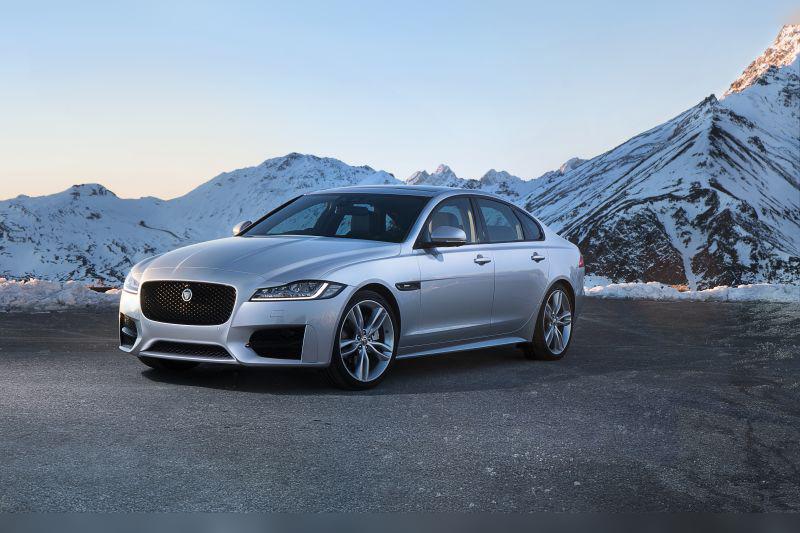
Jaguar/Land Rover 2.0d Ingenium (204DTD) 163 HP: Experiences, problems, fuel consumption and used car buying guide
Key points (TL;DR)
- Timing system: Uses a chain located at the rear of the engine. Chain stretch is a common issue, and replacement requires removal of the engine or gearbox.
- DPF and oil dilution: The exhaust system layout makes regeneration in city driving difficult, which leads to diesel entering the sump and raising the oil level.
- Performance vs. weight: With 163 HP (120 kW) the engine is excellent for lighter saloons such as the Jaguar XE, but rather “lazy” in heavy SUVs (F-Pace, Discovery Sport).
- Gearbox: The 8-speed ZF automatic is excellent and very reliable, provided the oil is changed regularly.
- Maintenance: Parts and labour are expensive compared to mainstream European competitors (depends on market).
- Recommendation: Buying makes sense only if you mostly drive longer distances on open roads; avoid this engine for predominantly city driving.
Contents
- Introduction: Meet the 2.0d Ingenium
- Technical specifications
- Reliability, maintenance and common failures
- Specific components, systems and costs
- Fuel consumption, performance and driving characteristics
- Additional options and modifications (Chiptuning)
- Gearboxes, clutch and dual-mass flywheel
- Buying used and Conclusion
Introduction: Meet the 2.0d Ingenium
The engine designated 204DTD belongs to the new Ingenium engine family developed in-house by the Jaguar Land Rover (JLR) group to replace older Ford and PSA units (such as the well-known 2.2 diesel). This aluminium block, badged E-Performance and rated at 163 HP, was conceived as the most economical entry ticket into the premium segment.
It was installed in a wide range of vehicles: from the agile Jaguar XE and XF (including Sportbrake estates) all the way to large SUV models such as the Jaguar F-Pace and Land Rover Discovery Sport. Although engineers promised top-notch refinement and low fuel consumption, real-world experience from workshops across Europe has shown that this engine requires extremely careful maintenance and has several serious design weaknesses that every potential buyer must be aware of.
Technical specifications
| Parameter | Value |
|---|---|
| Engine displacement | 1997 cc |
| Power | 120 kW (163 HP) |
| Torque | 380 Nm |
| Engine code | 204DTD (Ingenium E-Performance) |
| Injection type | Common-rail direct injection |
| Charging | Variable-geometry turbocharger (VGT) + intercooler |
Reliability, maintenance and common failures
Engine timing chain (Major service)
One of the most common questions is: does this engine have a timing belt or a chain? The answer is: a chain. However, the engineers made a controversial decision and placed the timing system on the rear side of the engine, towards the gearbox. In practice this means that chain stretch, which is a frequent occurrence on Ingenium engines before 150,000 km, requires a major labour-intensive job. To replace the chain, tensioners and guides, the engine has to be removed or the gearbox completely taken out. The cost of the major service is therefore high to very high (depends on market).
Symptoms of a stretched chain include rattling and scraping noises on cold start. If you hear a metallic sound during the first few seconds after starting, the chain is already due for replacement.
Oil, capacity and oil dilution
This engine takes around 7 to 7.25 litres of oil (with filter), and the required grade is 0W-30 that meets strict JLR specifications (STJLR.03.5007). The manufacturer initially prescribed unrealistically long service intervals (up to 34,000 km), which is disastrous for this engine.
One of the most serious problems of the 204DTD engine is not that it consumes oil, but that its oil level rises. Why does this happen? Due to unsuccessful DPF regenerations, unburnt diesel runs down the cylinder walls straight into the sump, mixing with the engine oil. The oil then loses viscosity and its lubricating properties, which directly leads to turbocharger, crankshaft and chain failure. If you see the oil level on the dipstick well above the maximum mark and you can smell strong diesel, an immediate oil change is mandatory. The correct interval for an oil service should not exceed 10,000 to 15,000 km.
Balance shafts
Apart from the chain, a known issue is failure of the balance shaft bearings. It manifests itself as a high-pitched whining noise that rises with engine speed, similar to a faulty alternator or turbo.
Specific components, systems and costs
Fuel injection system
The engine uses a sophisticated Bosch high-pressure common-rail system. The injectors are generally reliable and can often cover 200,000 km without major issues, provided you use quality fuel and regularly replace the fuel filter. If a failure does occur, refurbishment is expensive (depends on market). Symptoms of faulty injectors include rough idle, increased smoke under heavy acceleration and loss of power.
Turbocharger
This 163 HP version uses a single turbocharger with variable geometry (more powerful 240 HP versions have bi-turbo). The turbo is quite durable, but its lifespan depends directly on oil condition. If the oil is diluted with diesel (as explained above), the turbo will be the first to fail due to poor lubrication. Repair or replacement is not cheap, but it is a standard procedure.
EGR valve, DPF filter and AdBlue system
This is where we come to the Achilles’ heel of this engine in city driving. The EGR valve often and quickly gets clogged with soot, causing jerking and the “Check Engine” light to come on. The DPF filter (diesel particulate filter) is positioned structurally a bit further away from the exhaust manifold, so it takes longer to reach the operating temperature required for regeneration (around 600 °C). In city driving, regenerations are often interrupted, which quickly clogs the filter.
The engine is equipped with an AdBlue (SCR) system to reduce NOx emissions (Euro 6 standard). This system is known for its quirks: the pump in the AdBlue tank or the urea dosing injector often fail, as well as the NOx sensors. When the system fails, a countdown of remaining kilometres appears on the dashboard, after which the car will refuse to start. Fixing AdBlue issues is expensive (depends on market).
Fuel consumption, performance and driving characteristics
Real-world fuel consumption
Fuel consumption varies greatly depending on body style. In city driving, lighter models such as the Jaguar XE and XF use around 7.0 to 8.0 l/100 km. On the other hand, heavier SUVs and AWD versions such as the F-Pace and Discovery Sport easily exceed 8.5 to 10 l/100 km in stop-and-go traffic. On the open road, consumption drops to an excellent 5.0–6.0 l/100 km.
Performance by body style
Is 163 HP “lazy”? In the Jaguar XE (X760) saloon, the 163 HP and 380 Nm output is absolutely adequate for everyday driving and the engine feels quite lively. However, in the F-Pace or Land Rover Discovery Sport (especially with 5+2 seats), which weigh around 1.9 tonnes empty, this engine really struggles, particularly when overtaking uphill. For SUV models, this engine is “lazy” and often needs higher revs, which further increases fuel consumption.
Motorway behaviour
The engine shines on long motorway stretches. Thanks to the excellent cabin insulation of JLR models and the superb 8-speed gearbox, at a cruising speed of 130 km/h the engine sits at a relaxed 1,800 to 1,900 rpm. At that point it is very quiet, uses little fuel and provides excellent comfort on long journeys.
Additional options and modifications (Chiptuning)
As this is a turbocharged diesel engine, LPG installation is neither possible nor cost-effective in passenger cars of this type.
As for software power upgrades (Stage 1 chiptuning), this engine has excellent potential because the basic block architecture is the same as on the 180 HP versions. The engine can safely be tuned to around 190–200 HP and about 430–450 Nm of torque. This is particularly recommended for F-Pace and Land Rover drivers to gain the necessary low-end flexibility. However, only consider chiptuning if you are certain that the chain, DPF and injectors are in perfect condition, otherwise you will simply accelerate the engine’s demise.
Gearboxes, clutch and dual-mass flywheel
Models with the 204DTD engine come with two basic transmission options:
- 6-speed manual gearbox: Engines paired with this gearbox are fitted with a dual-mass flywheel (DMF). The most common issue is wear of the dual-mass flywheel at around 150,000 km. Symptoms include judder when moving off, difficulty engaging first gear and strong vibrations at idle. Replacing the clutch kit together with the dual-mass flywheel is a fairly expensive job (depends on market).
- 8-speed automatic gearbox (ZF 8HP): This is by far the better option. The ZF 8-speed torque-converter automatic (it does not use a conventional dual-mass flywheel) is one of the best gearboxes in the world. It shifts excellently, is smooth and does not strain the engine.
Automatic gearbox maintenance
Although JLR service documentation often states that the gearbox is “sealed for life”, the gearbox manufacturer (ZF) strongly recommends regular oil changes. The oil in the ZF gearbox, together with the sump that incorporates the filter, must be changed every 80,000 to 100,000 km. Neglecting this service leads to harsh shifts, delayed gear changes (especially from second to third) and eventually an expensive mechatronic failure.
Buying used and Conclusion
What to check before buying?
If you are considering a Jaguar or Land Rover with this engine, you must pay attention to the following points before you hand over any money:
- Cold start: Ask the seller not to start the car before you arrive. Listen carefully to the rear of the engine immediately after starting – if you hear the chain rattling and metal-on-metal scraping, immediately factor in the cost of a major service (engine removal).
- Dipstick: Pull out the dipstick and check the level. If it is above the “MAX” line, it means the DPF has been causing problems and diesel has entered the oil. Such an engine has been running with poor lubrication.
- Service history: Ignore the factory interval of 30,000+ km. Ask for proof that the oil has been changed at a maximum of every 15,000 km.
- Diagnostic test drive: Check the DPF saturation level (ash content) and the condition of the AdBlue system using professional OBD diagnostics.
Who is this engine for?
The Jaguar Land Rover 2.0d Ingenium (204DTD) with 163 HP is not an engine for everyone. Its maintenance costs are not on the level of cheaper vehicles, and its technical solutions require an excellent and well-trained mechanic. A recommendation to buy exists only if you mostly drive on open roads or motorways where the DPF can regenerate regularly, if you are buying a saloon (XE/XF) because it is rather weak for SUV models, and if you plan to pair it with the excellent ZF automatic gearbox.
For those who need a car exclusively for city congestion and short trips from one set of traffic lights to the next, problems with oil dilution, the EGR valve and a clogged DPF filter will turn ownership of this engine into a real headache.