Ingenium 204DTD (2.0 Diesel, 180 HP): Experiences, problems, fuel consumption and used car buying guide
In short, the most important (TL;DR):
- Biggest downside: Timing chain mounted on the rear side of the engine is prone to stretching; replacement is very complex and quite expensive.
- Systemic issue: Engine oil dilution with fuel due to failed DPF regenerations, which leads to premature mechanical wear.
- Gearboxes: Excellent ZF automatic transmissions (8 or 9 speeds), but they require regular oil changes to remain reliable.
- Fuel consumption: Varies noticeably; economical in sedans (Jaguar XE), while in heavy SUVs (Discovery, Evoque) it can be quite “thirsty” in city driving.
- Conclusion: Excellent comfort and power delivery on open roads, but requires rigorous maintenance and avoiding exclusively city driving. Not suitable for drivers with a tight maintenance budget.
Contents:
- Introduction: Out with the old, in with the new
- Technical specifications
- Reliability, maintenance and “phantom” faults
- Specific components: Flywheel, injectors and DPF nightmares
- Fuel consumption and performance: Is 180 HP enough?
- Additional options and modifications
- Gearbox: Manual and automatic systems
- Buying used and Conclusion
Introduction: Out with the old, in with the new
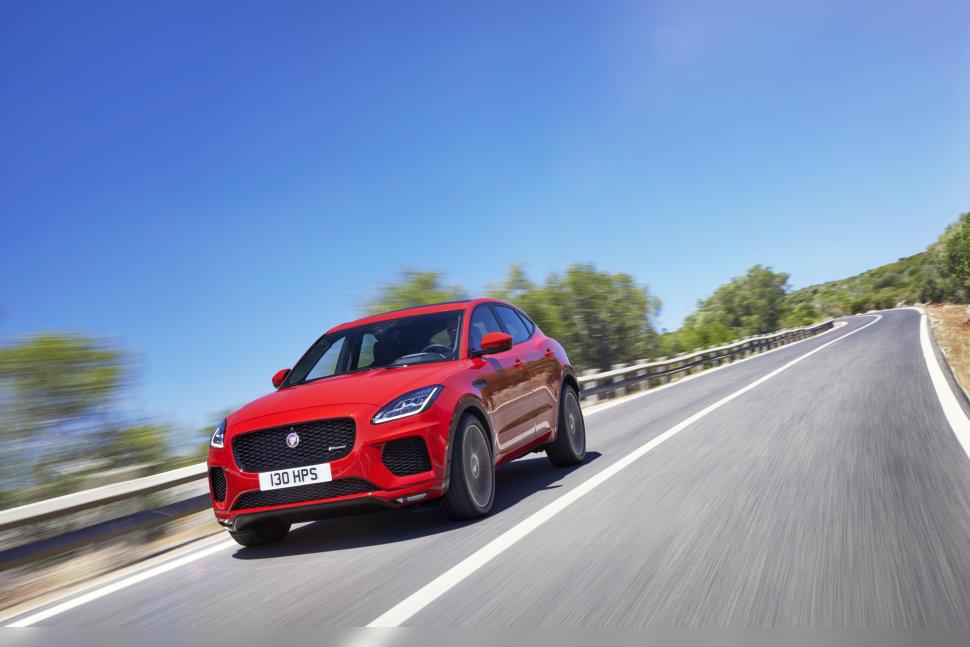
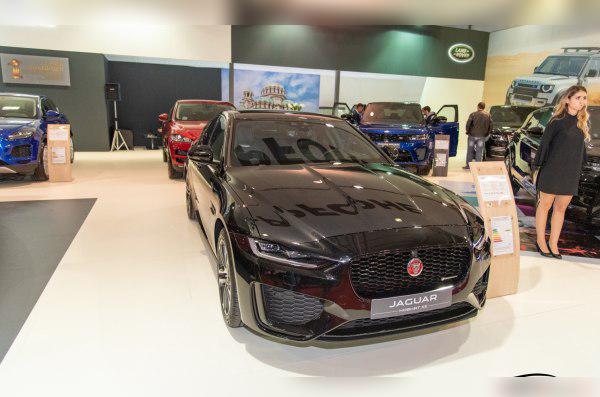
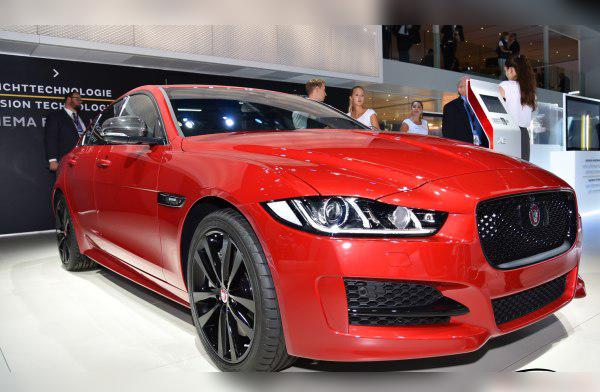
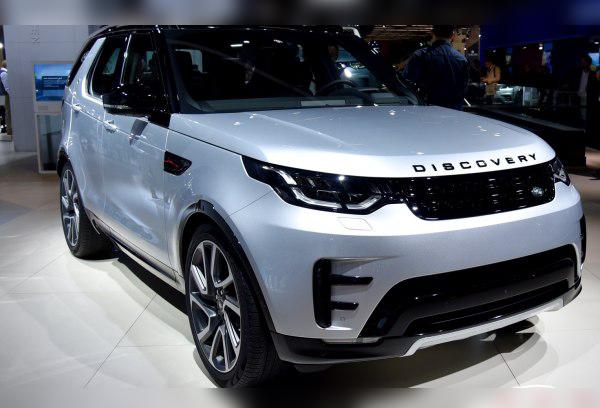
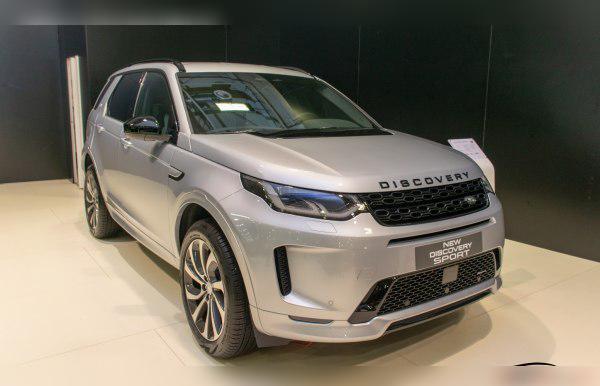
The Ingenium 204DTD engine represents a major step for the Jaguar Land Rover (JLR) group. It was designed to replace the reliable but somewhat outdated and noisy 2.2 diesel units developed in cooperation with Ford and the PSA group. With a displacement of two liters, this aluminum block was engineered to be lighter, cleaner and more efficient. It was installed in a wide range of vehicles, from elegant sedans like the Jaguar XE, all the way to large SUVs such as the Land Rover Discovery, Discovery Sport and Range Rover Evoque.
Technical specifications
| Parameter | Specification |
|---|---|
| Displacement | 1999 cc |
| Power | 132 kW (180 HP) |
| Torque | 430 Nm |
| Engine code | 204DTD (Ingenium family) |
| Injection type | Direct injection (Common Rail) |
| Charging system | Turbocharger with variable geometry (VGT) + Intercooler |
Reliability, maintenance and “phantom” faults
Chain instead of timing belt – blessing or curse?
This engine uses a timing chain instead of a conventional timing belt. On paper, the chain should last as long as the engine itself. In practice, on Ingenium 204DTD units, the timing chain is their biggest weak point. The chain stretches due to poorer lubrication and the specific engine design, and the first symptoms are a characteristic “rattling” on cold start (similar to a sewing machine sound) which disappears once the engine builds up oil pressure. It is located on the rear side of the engine (towards the cabin), which means that for a major service the engine usually has to be removed from the car. Preventive replacement of the chain, tensioner and guides is recommended already at 100,000 to 120,000 km, and the procedure itself is extremely expensive (depends on the market).
Oil, viscosity grade and the biggest threat to this engine
The engine takes approximately 6.5 to 7.25 liters of oil (the amount varies slightly depending on the shape of the oil pan on longitudinally or transversely mounted engines). The manufacturer specifies a thin 0W-30 oil that must meet the STJLR.03.5007 specification.
This engine generally does not consume oil to the extent that the driver would need to top it up constantly. In fact, the problem is quite the opposite – the oil level rises. This happens due to failed DPF regenerations (more common in city driving), when the ECU injects excess diesel fuel which eventually ends up running down the cylinders into the sump. This dilutes the oil, destroys its lubricating properties and drastically accelerates chain stretching and crankshaft bearing wear. Therefore, oil changes are strictly recommended every 10,000 to 12,000 km, never at the factory interval of over 20,000 km.
Injector lifespan
The Common Rail injectors on this engine have proven to be very robust. If the fuel filter is replaced regularly and quality Euro diesel is used, their service life exceeds 200,000 to 250,000 km before they require overhaul or replacement. Symptoms of worn injectors include rough idling, increased fuel consumption and occasional black smoke under hard acceleration.
Specific components: Flywheel, injectors and DPF nightmares
Dual-mass flywheel and turbocharger
This engine definitely has a dual-mass flywheel, regardless of whether it is paired with a manual or an automatic gearbox (with automatics it is a torque converter and flex plate that absorb vibrations, while with manuals it is a classic dual-mass flywheel). Its replacement is expensive (depends on the market).
The 180 HP version is fitted with a single turbocharger with variable geometry vanes (VGT). The turbo is reliable and its lifespan can easily match that of the engine, provided the oil has not been contaminated with fuel. If it fails, the driver will notice a loss of power (“safe mode”), a whistling noise under load, or bluish smoke.
Emissions: DPF, EGR and AdBlue system
All models equipped with this engine have both a DPF filter and an EGR valve. If the car is driven mostly in the city, the DPF and EGR are prone to severe clogging. Symptoms of a clogged EGR include jerking under light throttle and engine hesitation, while a clogged DPF will trigger a warning light and put the vehicle into reduced power mode.
Newer versions of this engine (to meet strict Euro 6 standards) are equipped with an AdBlue system (SCR catalyst). Failures in this system are common, primarily due to failed heaters in the AdBlue tank or pump failure. When the system fails, a message appears on the dashboard stating that the engine will not be able to start after a certain number of kilometers. Maintenance involves regularly topping up with fresh fluid, and repairs are quite expensive (depends on the market).
Fuel consumption and performance: Is 180 HP and 430 Nm enough?
Fuel consumption varies drastically depending on the “packaging” the engine comes in. In the aerodynamic Jaguar XE (especially with rear-wheel drive), city consumption is around 7.5 to 8.5 l/100 km. On the other hand, if this engine powers the heavy body of a Land Rover Discovery, Discovery Sport or Evoque (weighing close to 2 tons with all-wheel drive), real-world city consumption jumps to 9.5 to as much as 11.5 l/100 km.
Is the engine “lazy”? In the Jaguar XE, performance is excellent. The car is agile and the engine is fully adequate. However, in Land Rover models, 180 HP is something of a “golden middle ground” – you will absolutely get where you need to go, overtaking is not a problem thanks to the high 430 Nm of torque, but the car is definitely not a sports car and does not like aggressive driving. Due to the weight, throttle response can feel slightly delayed before the turbo builds full boost.
On the motorway: At 130 km/h, paired with the latest ZF automatic transmissions, the engine is a fantastic cruiser. Revs sit very low, in the 1800 to 2100 rpm range, which ensures cabin quietness and brings fuel consumption down to about 6 to 7 l/100 km.
Additional options and modifications
For performance enthusiasts, this engine offers great potential. Since more powerful factory versions (such as 240 HP twin-turbo variants) are based on the same block, the engine architecture can handle an increase in power.
A reliable software remap (Stage 1) on the 180 HP version raises power to a safe 210 to 220 HP, while torque climbs to a massive 480 to 500 Nm. This modification is most recommended for SUV owners, as the extra torque is clearly noticeable when pulling the heavy body uphill or during overtaking.
Gearbox: Manual and automatic systems
Different gearboxes are used depending on the body style:
- Automatic transmissions: This engine is commonly paired with excellent ZF gearboxes. In the Jaguar XE (with a longitudinally mounted engine) the famous ZF 8HP (8-speed) is used. In SUVs with a transverse engine layout (Discovery Sport, Evoque), the ZF 9HP (9-speed) variant is fitted. Both transmissions are industry benchmarks, but the 9-speed can sometimes shift a bit harshly from first to second gear at lower temperatures.
- Manual transmissions: A 6-speed manual gearbox is available, though very rare on the market. The cost of replacing the clutch and dual-mass flywheel on manuals is high (depends on the market).
Gearbox maintenance: Do not fall for the “lifetime fluid” story. To preserve the valve body (mechatronics) and clutches inside the automatic transmission, you must change the oil and filter every 80,000 to a maximum of 100,000 kilometers.
Buying used and Conclusion
What exactly should you check before buying?
- First and basic test (cold start): Ask the seller to leave the engine completely cold. Listen carefully at the rear of the engine and under the bonnet immediately after starting. If you hear a sharp metallic rattle lasting a few seconds, the chain is stretched. Ask for a discount to cover a major service or walk away from that car.
- Engine oil level: Pull out the dipstick (if physically present) or read the level via the onboard computer. If the level is above the maximum mark, the DPF system is dumping fuel into the sump. This is a huge “red flag” indicating potentially serious crankshaft damage.
- Diagnostics of EGR and DPF parameters: It is essential to connect proper factory or dedicated diagnostics and check DPF soot loading in grams and the frequency of recent regenerations.
Who is this engine for?
The Ingenium 204DTD (180 HP) is a refined and flexible engine, but it requires careful and dedicated maintenance. Due to its sensitivity to city driving and known issues with the DPF and timing chain, it is primarily intended for drivers who do most of their mileage on open roads or motorways.
If you are looking for a car only for commuting through city-center traffic jams, this engine will soon punish you with expensive repairs. On the other hand, if you want a robust SUV or an elegant sedan with great design, and you are prepared to proactively replace the chain and invest in more frequent minor services, JLR engines from this series will provide you with an exceptional level of comfort and smooth, effortless power delivery.