Jaguar and Land Rover 2.0 Ingenium PT204 (300 hp) – Experiences, problems, fuel consumption and used car buying tips
Key points (TL;DR)
- Excellent performance: With 300 hp and 400 Nm it offers fantastic acceleration, although it struggles quite a bit in heavy off‑road vehicles.
- Timing system (Chain): Although more reliable than the diesel Ingenium versions, the timing chain can still cause issues and requires attention above 150,000 km.
- Carbon build‑up: Like any direct‑injection engine, it suffers from carbon deposits on the intake valves, which causes rough running.
- Turbocharger: The twin‑scroll turbo is reliable, but sensitive to clogged oil feed lines if the oil is not changed regularly.
- Gearboxes are excellent: It is paired with the proven ZF automatic (8 or 9 speeds depending on the model), but it requires regular maintenance and oil changes.
- Not suitable for LPG: High‑pressure direct injection makes LPG conversion too expensive and not cost‑effective.
- Large variation in fuel consumption: In lighter models the consumption is acceptable, but in “boxy” SUVs like the Defender it becomes a serious gas guzzler.
Contents
- Introduction: Engine overview
- Technical specifications
- Reliability and maintenance
- Specific parts and costs
- Fuel consumption and performance
- Additional options and modifications
- Gearbox and drivetrain
- Buying used and conclusion
Introduction: Engine overview
The Jaguar Land Rover (JLR) group made a major break with the Ingenium engine family, ending its long‑standing reliance on Ford power units (such as the well‑known EcoBoost engines). The engine designated PT204 represents the very top of the range for 2.0‑liter four‑cylinder petrol engines. Equipped with advanced systems such as CVVL (Continuous Variable Valve Lift) for variable valve control and a twin‑scroll turbo, this engine develops a serious 300 hp.
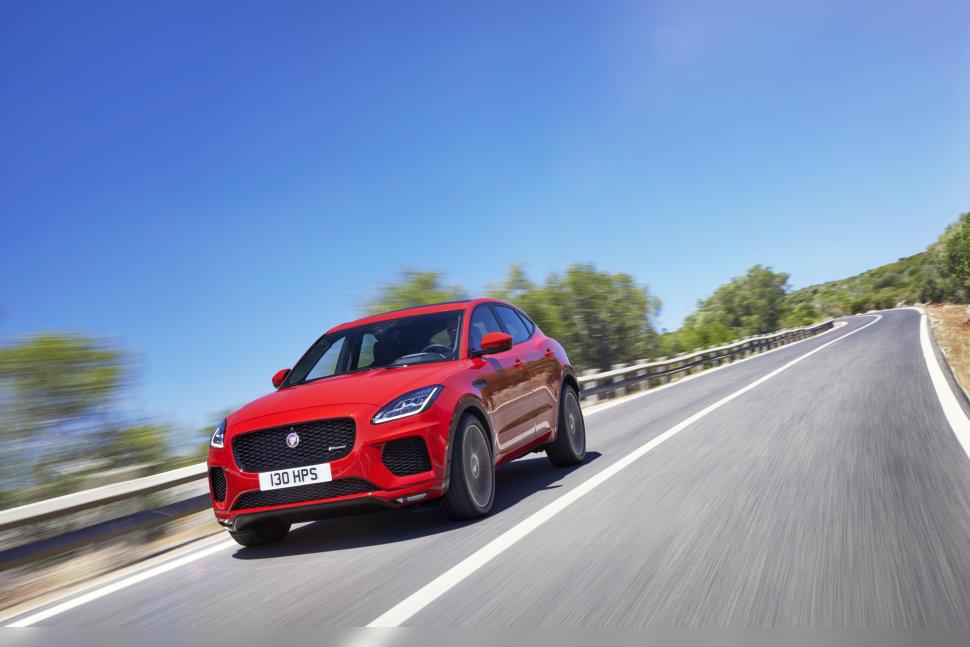
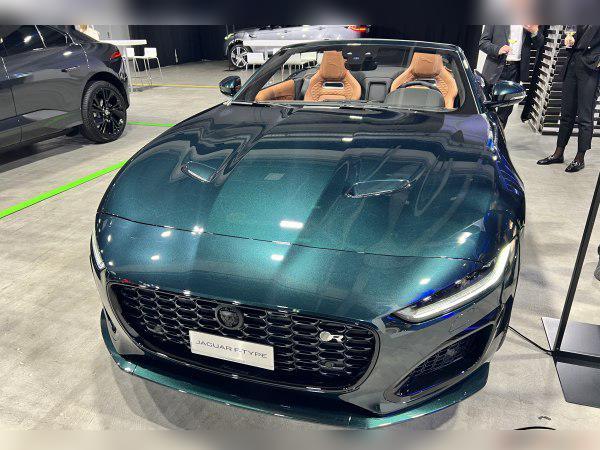
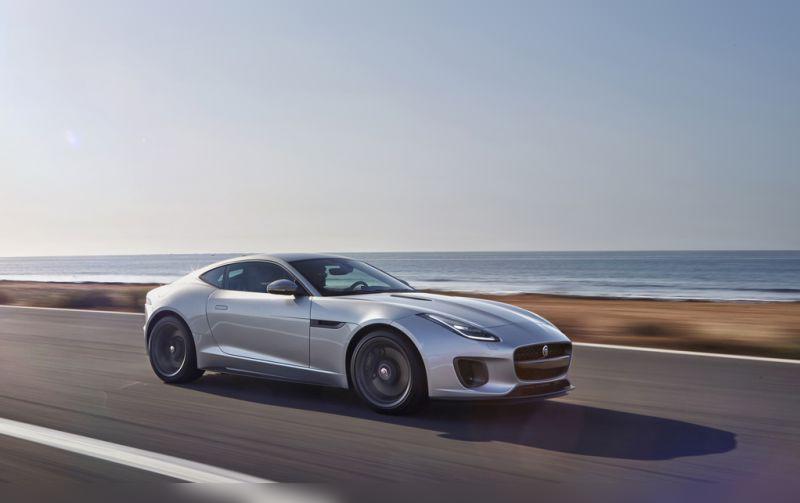
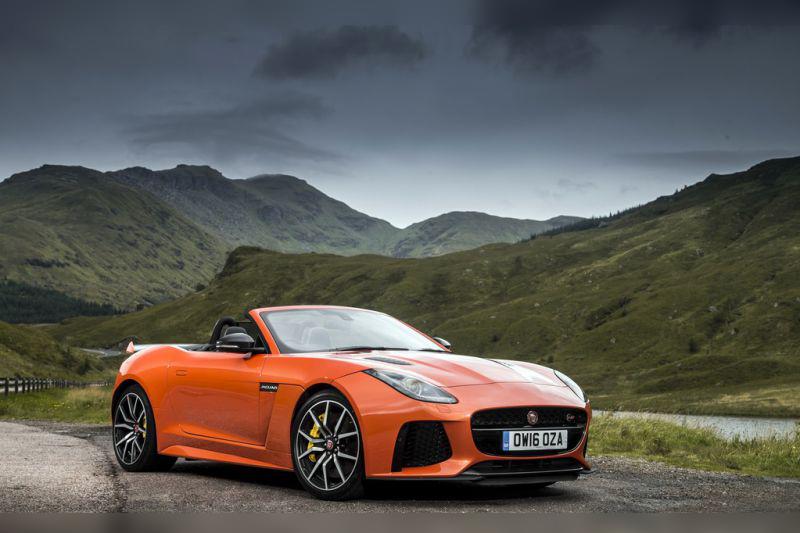
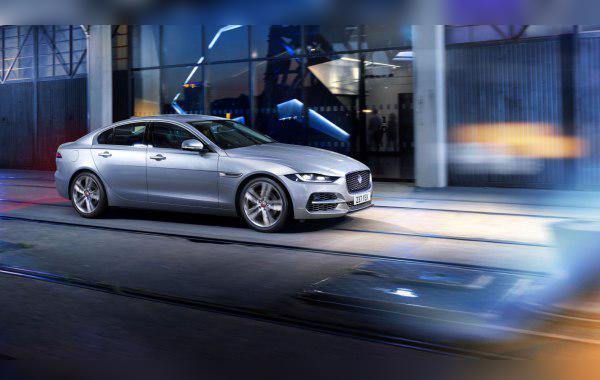
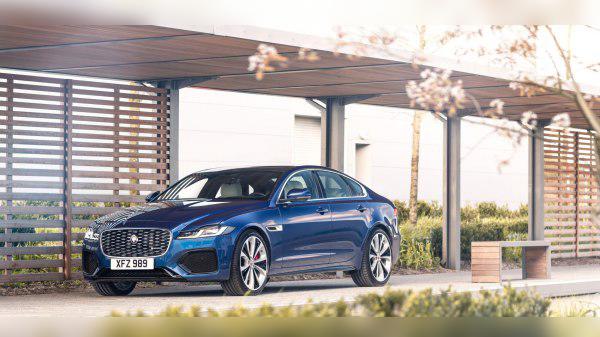
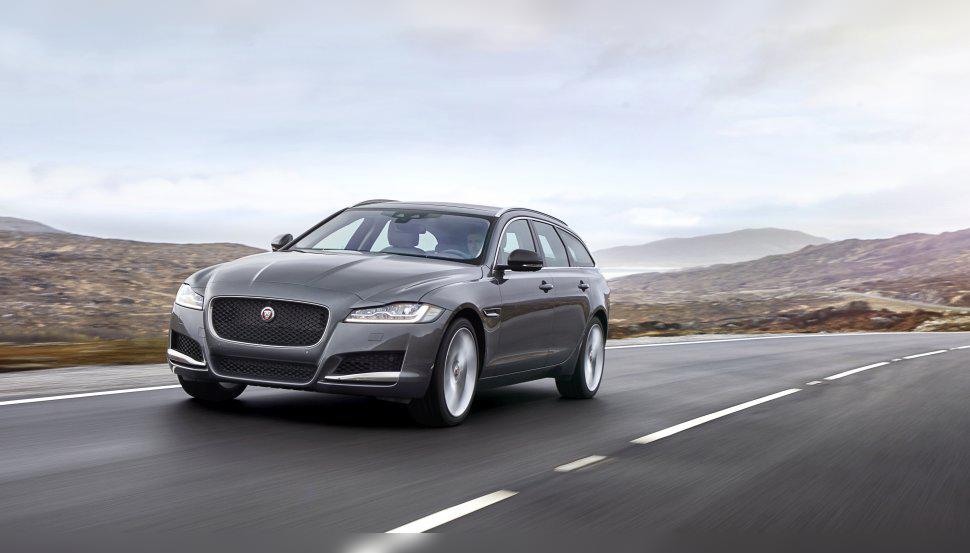
Its application is extremely broad. It is installed in low‑slung sports models such as the Jaguar F‑Type, XE and XF, where it delivers genuine driver‑focused dynamics. On the other hand, it carries a heavy load in massive vehicles such as the Land Rover Defender (L663), Discovery, Range Rover Sport and Velar, as well as in more compact SUVs (E‑Pace, F‑Pace, Evoque). Because of these differences in body style, driving impressions and the service life of certain components can vary drastically.
Technical specifications
| Characteristic | Data |
|---|---|
| Engine displacement | 1997 cc |
| Power | 221 kW (300 hp) at 5500 rpm |
| Torque | 400 Nm at 1500–4500 rpm |
| Engine codes | PT204 / AJ200P |
| Injection type | Direct injection (200 bar) |
| Charging | Turbocharger (twin‑scroll), intercooler |
Reliability and maintenance
Does this engine have a timing belt or a chain?
The Ingenium PT204 petrol engine uses a chain for timing. Unlike the diesel Ingenium variants (infamously known for quickly failing chains mounted at the rear of the engine), the situation with this petrol unit is much better. Still, the chain is not indestructible. Problems most often arise with the chain guides (tensioners), which can weaken, especially if the owner followed unrealistic “LongLife” service intervals. The symptom of chain issues is metallic rattling or “hammering” from the engine bay, exclusively during the first few seconds of a cold start.
What are the most common failures on this engine?
The main and most frequent issue is carbon build‑up on the intake valves. Since the engine uses only direct injection (there are no port injectors to wash the valves with fuel), oil vapors from the PCV system burn onto the hot valves. Symptoms include: engine shaking at idle, poorer throttle response, loss of performance and, eventually, the Check Engine light due to a misfire error.
The second common problem is coolant leakage. Plastic thermostat housings and the water pump become brittle over time due to frequent heating and cooling cycles, which leads to loss of coolant. If the driver ignores the drop in coolant level, the aluminum open‑deck engine block can easily overheat, which results in a warped cylinder head and catastrophic engine failure.
At what mileage should the major timing service be done?
Although the manufacturer specifies that the chain is designed to last “for the life of the engine”, reality is different. Preventive replacement of the complete timing system (major service) is recommended at around 150,000 to 180,000 km. The cost of this intervention is high, from 1,000 to 2,000 euros (depending on the market) due to complex access and the need for special tools, but it is necessary to avoid chain skipping and valve‑to‑piston contact.
How many liters of oil does this engine take and which grade is recommended?
The sump capacity is about 7.0 liters. The manufacturer requires the use of extremely thin synthetic oil of grade 0W‑20 that must meet the strict STJLR.51.5122 specification. Using more viscous oils can seriously damage the variable valve timing system and restrict flow through the fine oil passages that lubricate the turbo.
Does it consume oil between services and what amount is considered normal?
Yes, this engine is designed to consume some oil. Due to the 0W‑20 grade, which evaporates easily under high turbo temperatures and heavy load, consumption of around 0.3 to 0.5 liters per 1,000 km is considered normal. This is particularly noticeable when the engine is installed in heavy vehicles like the Defender that are driven aggressively. It is therefore essential to check the oil level every 1,500 km.
At what mileage should the spark plugs be replaced?
Since this is a high‑performance turbo petrol engine, the iridium spark plugs are exposed to enormous pressure and temperatures. Replacement is recommended every 60,000 to 80,000 km. Inadequate or worn‑out spark plugs cause poor combustion, which quickly damages the expensive injectors and the GPF filter in the exhaust.
Specific parts and costs
Does the engine have a dual‑mass flywheel?
Since these engines are paired almost exclusively with automatic transmissions, they do not have a classic dual‑mass flywheel as found in manual cars. Instead, they use a torque converter. However, the converter contains a lock‑up clutch system that is subjected to heavy loads and can fail if the transmission oil is not changed regularly. In Plug‑in Hybrid (P400e) variants, the drivetrain is significantly more complex because it includes an electric motor integrated into the transmission housing.
What kind of injection system does it use and are the injectors problematic?
It uses a direct injection system with pressure up to 200 bar. The injectors are generally durable, but extremely sensitive to fuel contamination and petrol quality. If an injector starts to leak (“dribbling injector”), petrol will wash away the oil film from the cylinder walls. Symptoms of failing injectors include a strong smell of raw fuel from the exhaust, hard starting and a rising oil level on the dipstick (due to fuel leaking into the sump). New injectors are among the very expensive parts (depending on the market).
Does this engine have a turbocharger and what is its lifespan?
The PT204 uses a single large turbocharger based on twin‑scroll technology, supplied by BorgWarner. This design eliminates the so‑called “turbo lag”, so the engine pulls from as low as 1500 rpm. The turbo’s lifespan is quite decent, around 150,000 to 200,000 km, provided the oil is changed every 10,000 to 15,000 km, and not at 30,000 km as the factory once prescribed. Clogged oil lines that cool and lubricate the turbo lead to its failure (symptoms: siren‑like whine, bluish smoke and loss of power).
Does this model have a DPF filter or an EGR valve that often clogs?
Since this is a petrol engine, it does not have a DPF filter (which is for diesel engines). However, newer versions of this engine (mainly those after 2018/2019) are equipped with a GPF/OPF (Gasoline Particulate Filter) due to Euro 6 emission standards. The GPF operates at much higher temperatures and regenerates passively while driving, so it rarely causes problems, unless you drive only short city trips on a cold engine. There is no classic EGR valve in the form of a simple pipe and valve; instead, the engine uses “internal EGR” by varying valve timing (VVT) to retain some exhaust gases in the cylinder.
Does this engine use AdBlue?
No, this petrol engine does not use an AdBlue system or SCR catalysts. Those systems are reserved for the diesel versions (Ingenium 2.0d).
Fuel consumption and performance
What is the real‑world fuel consumption in city driving?
This is where the figures vary drastically depending on the car in which the engine is installed. In the Jaguar XE and XF, city consumption is around 10 to 12 l/100 km. However, when the same engine has to move “kiosk‑on‑wheels” aerodynamics and more than 2.2 tons in a Defender or Discovery, stop‑and‑go city driving easily reaches 15 to 18 l/100 km.
Is this engine “lazy” for the weight of the bodies it is fitted to?
Thanks to the twin‑scroll turbo that delivers 400 Nm from just 1500 rpm, the engine is not lazy in any body style. However, in massive SUVs from the Land Rover range, during hard acceleration you can feel the engine struggling, “howling” at high revs and working at its limits compared to the much more relaxed six‑cylinder diesels in the same chassis. On the other hand, in a Jaguar F‑Type or XE, 300 hp turns the car into a very serious sports machine that reaches 100 km/h in just over 5 seconds.
What is the engine like on the motorway and at what revs does it cruise at 130 km/h?
On the open road it is very refined. Paired with the eight‑speed gearbox, at 130 km/h it cruises at a very relaxed 2000 to 2200 rpm, which significantly reduces cabin noise. Motorway consumption in low‑slung Jaguar models is around 8 l/100 km, while in the Defender, due to the huge aerodynamic drag, it hardly drops below 12 l/100 km.
Additional options and modifications
Is this engine suitable for LPG conversion?
It is not recommended. Although there are sophisticated LPG systems for direct‑injection engines (where liquid LPG is injected directly through the petrol injectors), their installation is very expensive and risky, and mapping this specific 2.0 engine is painstaking. The expected fuel savings rarely justify the potential failures of the sensitive petrol injectors and the issues with valves that already tend to get dirty.
How far can this engine be safely tuned (Stage 1)?
With a Stage 1 remap (without physical modifications to the intake or exhaust), the PT204 can be raised from the stock 300 hp to a safe 340 to 350 hp, while torque can go up to 450 Nm. However, the aluminum block with an open‑deck coolant channel design does not tolerate high thermal and mechanical loads over the long term. Aggressive tuning significantly shortens turbo life and increases the risk of piston failure or block distortion.
Gearbox and drivetrain
Which manual and automatic gearboxes are paired with this engine?
In the 300‑hp version, a manual gearbox is not an option and is found only in extremely rare low‑power entry models. This engine is paired with some of the best automatics on the market:
- Longitudinally mounted engines (XE, XF, F‑Type, F‑Pace, Defender, RR Sport): ZF 8HP eight‑speed automatic. Probably the best gearbox on the market today.
- Transversely mounted engines (E‑Pace, Evoque, Discovery Sport): ZF 9HP nine‑speed automatic, which saves space.
What are the most common automatic gearbox issues?
The ZF 8HP is incredibly robust. Problems arise when drivers follow the factory advice and never change the oil (“sealed for life”). Then you get clunks when shifting from “P” to “D” and late shifting. The ZF 9HP is slightly more sensitive, and it often exhibits annoying “hesitation” in gear and jerks during slow stop‑and‑go driving (most often from second to third gear). Sometimes these jerks can be resolved with a gearbox software update.
Does this model have a dual‑mass flywheel and how much does clutch replacement cost?
As explained, there is no classic dual‑mass flywheel with a clutch disc in automatic transmissions with a torque converter. When the gearbox starts to slip, shudder under acceleration and lose drive, a gearbox and converter overhaul is necessary. The cost of such work varies and ranges from 1,000 to over 2,500 euros in reputable workshops (depending on the market).
At what mileage should the gearbox be serviced and the oil changed?
The gearbox manufacturer’s own engineers (ZF) strongly contradict the car industry and recommend regular oil changes every 80,000 to at most 120,000 km. On the ZF 8HP, the gearbox filter is integrated into the plastic oil pan, so the entire lower assembly with the built‑in filter must be replaced, which raises the price of a minor gearbox service to around 400–600 euros (depending on the market).
Buying used and conclusion
What exactly should be checked before buying?
Buying a modern JLR car with an Ingenium petrol engine requires a cool head and a serious mechanic:
- Cold start (must‑do): Ask the seller to keep the car completely cold. Listen to the first 5–10 seconds of running. Any rattling or hammering indicates a timing chain issue – this drastically lowers the vehicle’s value.
- Coolant level and reservoir: Inspect the coolant reservoir and look for whitish or pink stains around the water pump at the front of the engine.
- Exhaust and smoke: If you smell a strong odor of unburnt fuel at idle, or see black soot around the tailpipe, the car likely has injector issues or clogged intake valves due to carbon build‑up.
- Mandatory diagnostics: Use an OBD scanner to check for stored “misfire” codes and examine VVT angle corrections to assess the condition of the chain and camshafts.
Final verdict: Who is this engine for?
The JLR 2.0 Ingenium PT204 with 300 hp represents the pinnacle of engineering – it is fast, technologically very advanced and, in smaller bodies like Jaguars, offers stunning performance. It is perfect for an enthusiast buying a relatively new used car, who will maintain it without compromise, change top‑quality oil at a maximum of 15,000 km and use only the highest‑octane premium petrol.
However, if you plan to save money, cover hundreds of thousands of kilometers without opening the bonnet, or buy a massive Defender hoping that the 2.0 engine will not use much fuel – this is absolutely not the engine for you. It is a sophisticated and demanding power unit that does not tolerate neglect.