Mercedes-Benz M 254 2.0 Turbo (204 hp): Experiences, problems, fuel consumption and used car buying tips
Key points in short (TL;DR)
- Drivetrain: High-tech 2.0-liter turbo petrol engine, always paired with a 48V mild hybrid (ISG) or plug-in hybrid system.
- Timing system: Uses a timing chain mounted at the rear of the engine, which makes any replacement more expensive.
- Fuel consumption: Extremely efficient for its power output, thanks to hybrid assistance and the 9-speed transmission.
- Maintenance: Complex electronics and hybrid system mean repairs can be expensive (depends on market). Does not tolerate skipped services.
- Transmission: Comes exclusively with the reliable but maintenance-sensitive 9G-TRONIC automatic.
- GPF filter: Equipped with a gasoline particulate filter that can clog if the car is driven exclusively on short city trips.
Contents
- Introduction: Meet the M 254
- Technical specifications
- Reliability and maintenance
- Specific parts and costs
- Fuel consumption and performance
- Additional options and modifications
- Transmission: 9G-TRONIC in focus
- Buying used and conclusion
Introduction: Meet the M 254
The M 254 engine represents the pinnacle of Stuttgart engineering when it comes to four-cylinder petrol units. As the direct successor to the M 264, this powerplant was designed with full electrification integration in mind. There is no version of this engine that is not hybrid – either a mild hybrid (48-volt system with an integrated starter-generator) or a powerful plug-in hybrid in models with the "e" badge (such as the E 300e or GLC 300e).
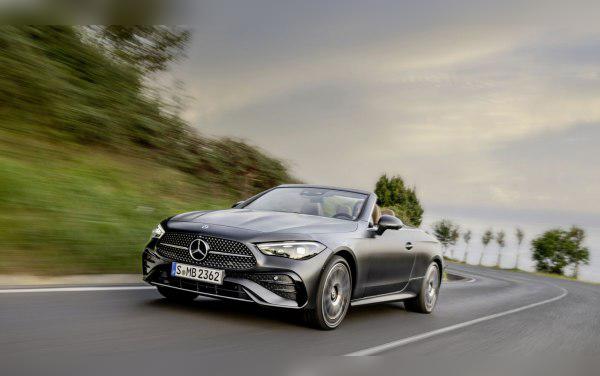
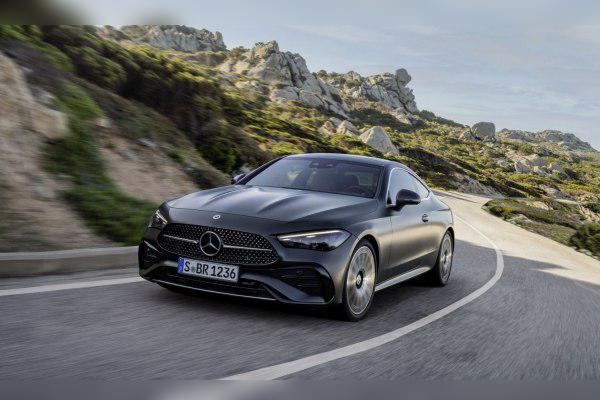
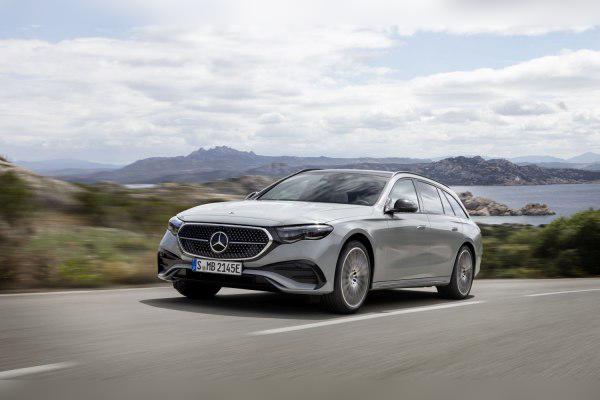
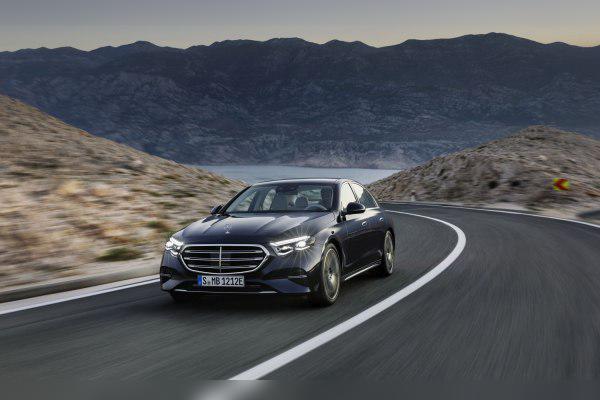
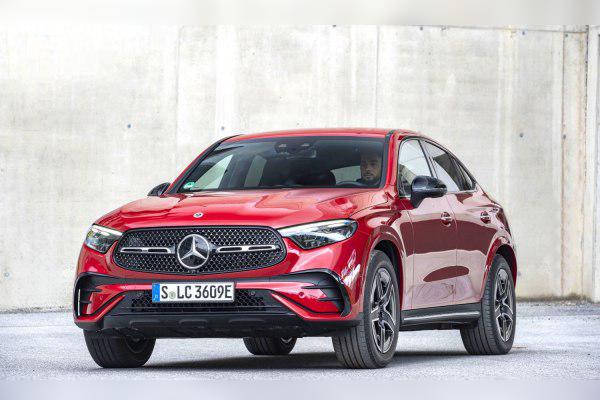
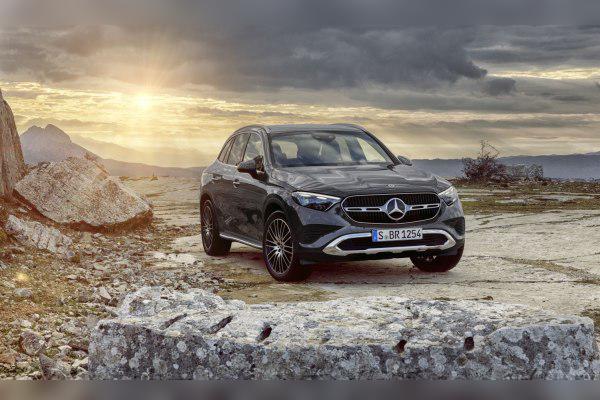
It is installed in the brand’s latest flagships: from the elegant CLE coupe and cabriolet, through the executive E-Class (W214), all the way to the luxurious GLC SUV models. Thanks to its sophisticated technology (including NANOSLIDE cylinder coating and CONICSHAPE honing), it offers the performance of previous-generation V6 engines with the fuel consumption of a compact car. However, this complexity also brings specific maintenance challenges.
Technical specifications
| Parameter | Value |
|---|---|
| Engine displacement | 1999 cc |
| Engine power | 150 kW (204 hp) base ICE engine |
| Torque | 320 Nm (plus EQ Boost system assistance) |
| Engine code | M 254 (exact extension depends on model) |
| Injection type | High-pressure direct injection |
| Charging type | Twin-scroll turbocharger, intercooler |
| Hybrid system | 2nd generation ISG (48V mild hybrid or plug-in) |
Reliability and maintenance
Powertrain and service intervals
The M 254 uses a timing chain instead of a timing belt. In this engine, the timing system is located at the rear of the engine (towards the cabin), an engineering solution that improves weight distribution but makes the mechanic’s job drastically harder. There is no “major service” in the traditional sense, but the chain and tensioners are checked via diagnostics and by sound at around 150,000 to 200,000 km. Due to the chain’s position, if it stretches, the work usually involves removing the engine or transmission, which is very expensive (depends on market).
Typical failures and early issues
As a modern powerplant, the basic engine mechanics (block, crankshaft, pistons) are extremely robust. However, problems most often occur on the periphery. The ISG (Integrated Starter Generator), which replaces the classic starter and alternator, can suffer from software bugs or issues with the 48V battery control unit. Symptoms are usually warning messages on the instrument cluster, inability to start the engine, or loss of power. Occasional coolant leaks are also recorded at the thermostat and water pump joints.
Oil and spark plugs
The oil sump of this engine holds about 6.0 to 6.5 liters of engine oil. Due to extremely tight tolerances and the twin-scroll turbo, only fully synthetic oil of 0W-20 grade (MB 229.71 specification) is recommended. Oil changes are recommended every 10,000 to a maximum of 15,000 km. Oil consumption between services is a normal occurrence with modern turbo engines; up to 0.5 liters per 1,000 km is technically considered acceptable by the manufacturer, although in practice these engines rarely consume more than 1 liter per 10,000 km, except under extreme loads.
Since this is a turbo petrol engine with direct injection, the spark plugs are exposed to extremely high temperatures and pressures. They must be replaced strictly every 60,000 km (or every 4 years). Skipping this interval leads to coil damage and misfires that can destroy the catalytic converter.
Specific parts and costs
Injection system and GPF
The direct injection system uses extremely precise and expensive piezo injectors. They are not particularly prone to failure, but they are extremely sensitive to poor fuel quality. Low-quality petrol leads to carbon build-up on the valves, causing rough idle and loss of power. It is recommended to use higher-octane petrol (98 or 100).
Although it is a petrol engine, it does not have a DPF, but it does have a GPF (Gasoline Particulate Filter) to meet strict Euro 6d standards. Unlike diesels, a petrol GPF reaches regeneration temperature much more easily and clogs less often, but if you drive the car 90% of the time in stop-and-go city traffic, the filter warning light will come on. In that case, the car needs to be driven on an open road.
Turbocharger
It is equipped with a single twin-scroll turbocharger. Its service life exceeds 200,000 km if the driver follows the operating rules: regular oil changes and cooling the turbo (idling for a couple of minutes) after aggressive highway driving. Replacement or overhaul costs are high (depends on market).
Fuel consumption and performance
Behavior in the city and on the open road
Despite the heavy bodies it powers (especially the E-Class and GLC), this engine is anything but “lazy”. The main reason is the aforementioned EQ Boost (ISG system), which in a split second delivers an additional 15 to 20 hp and, more importantly, an extra 200 Nm of torque. This completely eliminates turbo lag and enables from-standstill acceleration worthy of larger engines.
Fuel consumption:
- City driving: Thanks to energy recuperation and engine shut-off during deceleration, real-world city consumption ranges from 8.5 to 10 liters per 100 km (for mild hybrid versions). In plug-in hybrids (e.g. E 300e), you can drive on electricity only in the city, so fuel consumption can be zero if you charge the battery regularly.
- Highway: Mercedes aerodynamics and the 9-speed gearbox work wonders. At a cruising speed of 130 km/h, the gearbox is in 9th gear, revs are low (around 1,800–2,000 rpm), and cabin noise is minimal. Highway consumption is between 6.5 and 7.5 l/100 km.
Additional options and modifications
Should you install LPG?
The short answer is: No. Installing an LPG system on the M 254 is strongly discouraged. Due to the combination of extremely high-pressure direct injection and a sophisticated control unit that manages the petrol engine in harmony with the 48V hybrid system, an LPG kit would completely disrupt ignition maps and lead to constant errors, valve damage and potentially catastrophic engine failure.
Chiptuning (Stage 1)
This engine has serious tuning potential. With software optimization (Stage 1), power can be safely raised from the stock 204 hp to around 240–260 hp, and torque to over 400 Nm. However, careful attention must be paid to software calibration to avoid conflicts with the hybrid system control unit, and the durability limits of the transmission must be respected.
Transmission: 9G-TRONIC in focus
Characteristics and drivetrain
This engine is never paired with a manual transmission. The only option is the well-known and proven 9G-TRONIC automatic transmission. Unlike dual-clutch gearboxes, the 9G-TRONIC uses a hydrodynamic torque converter. Therefore, it does not have a conventional dual-mass flywheel or clutch kit that you need to replace as in manual cars, which saves the owner a lot of money in long-term use.
Transmission failures and maintenance
The transmission itself is an extremely durable mechanism, but it requires meticulous maintenance. If you notice jerks (shocks) when shifting from 2nd to 3rd gear or during deceleration (so-called kick-down shocks), the problem is usually in the transmission mechatronics (hydraulic block with solenoids) or it may require a software update. Mechatronics repair is a very expensive intervention (depends on market).
Transmission service: Oil, filter (often integrated into the transmission pan) and seals must be replaced at least every 80,000 to 100,000 km. Flushing the transmission with a pressurized machine (so-called flush) during service is highly recommended to remove all metal particles from the torque converter.
Buying used and conclusion
What to check thoroughly before buying?
- Cold start: Ask the seller not to start the car before you arrive. At the first start, listen carefully to the rear of the engine. If you hear a sharp rattling noise in the first few seconds, the timing chain has stretched and the tensioner is not holding pressure.
- Condition of the hybrid system: Using diagnostics (exclusively original Mercedes Xentry diagnostics), check the “health” of the 48-volt battery. Replacing this battery or the ISG module costs thousands of euros, and it is not something a local mechanic with a universal scanner can solve.
- Condition of the GPF filter: Check the amount of ash in the particulate filter and when the last successful regeneration was performed.
- Test drive of the transmission: The gearbox must shift absolutely imperceptibly. Any jerk is a red flag.
Conclusion
The Mercedes-Benz M 254 (204 hp) is a masterpiece of modern engineering that perfectly balances performance with environmental standards. It is ideal for drivers who cover serious mileage in mixed driving (city and highway) and who value smooth operation. Hybrid assistance eliminates all the usual drawbacks of turbocharging, providing instant throttle response.
However, this is not an engine for budget maintenance. Its design requires only top-notch workshops, top-quality fuel and zero tolerance for skipping service intervals. If you buy a used example with a known service history, you will enjoy a superb driving experience. On the other hand, a neglected car with hidden issues in the 48V system or timing chain can turn ownership into a financial nightmare.