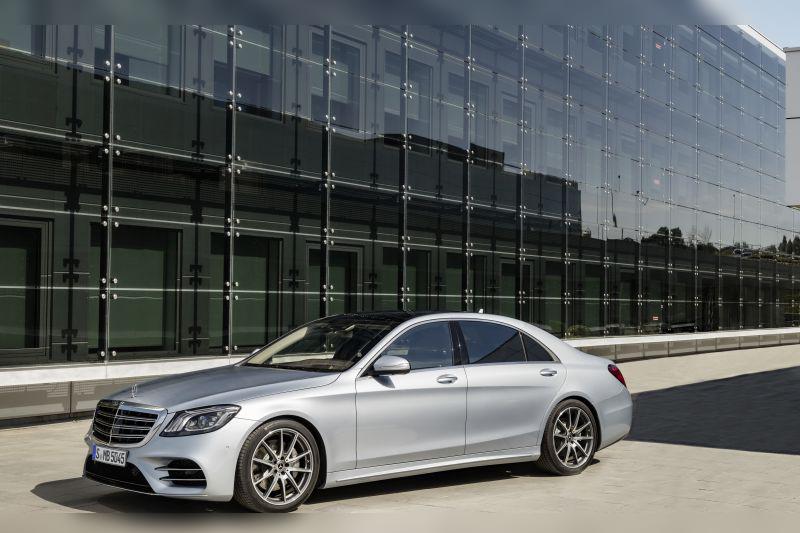
Mercedes M 256.930 (3.0L, 367 hp) – Experiences, issues, fuel consumption and used car buying guide
- The return of the straight-six: Exceptionally smooth operation, superb balance and linear acceleration.
- Hybrid technology (EQ Boost): Equipped with a 48V ISG (integrated starter-generator) that replaces the conventional starter and alternator. No accessory belt at the front!
- Timing system: Uses a chain mounted on the rear side of the engine (towards the firewall), which makes replacement more expensive.
- Reliability: The mechanical side is very robust, but the biggest risks come from software bugs and failures of the 48V battery.
- Maintenance: Only genuine parts and highly trained workshops. Costs are high (Depends on the market).
- Performance vs fuel consumption: Carries heavy bodies (GLE, S-Class) brilliantly thanks to the “electric shove”, with very decent fuel consumption on the open road.
Contents
- Introduction and engine significance
- Technical specifications
- Reliability and maintenance
- Specific parts and costs
- Fuel consumption and performance
- Additional options and modifications
- Transmission and drivetrain
- Buying used and conclusion
Introduction and engine significance
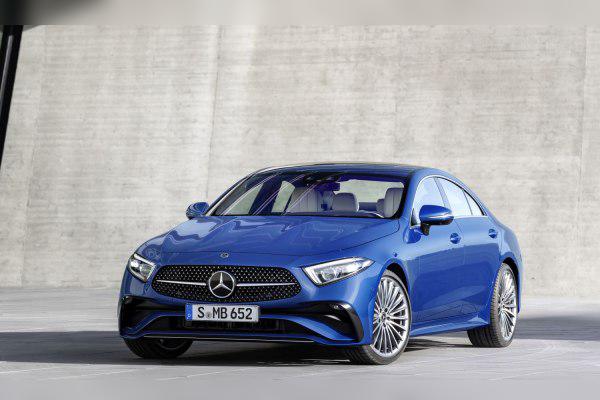
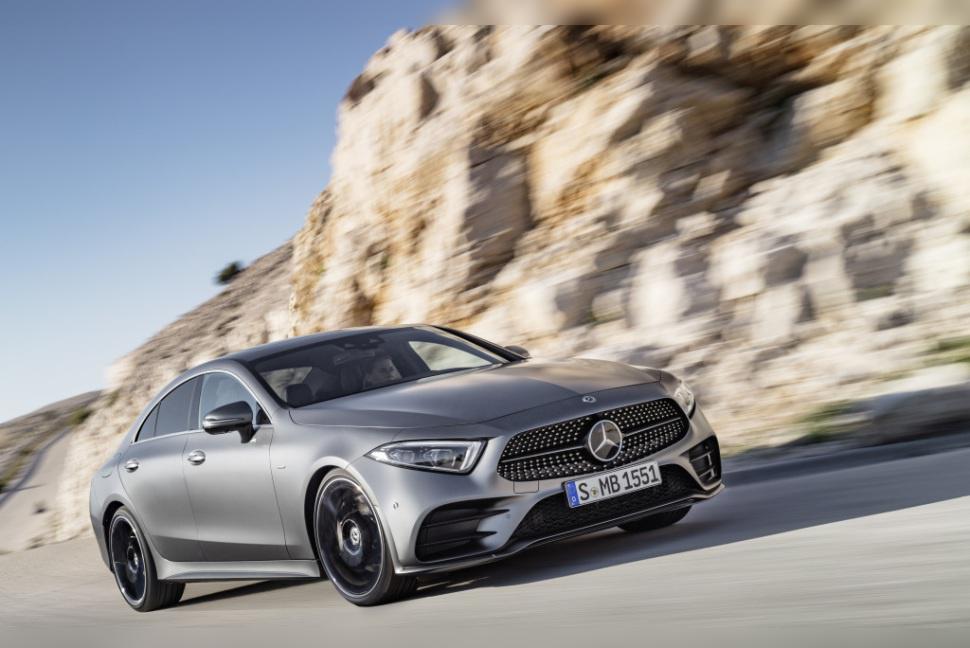
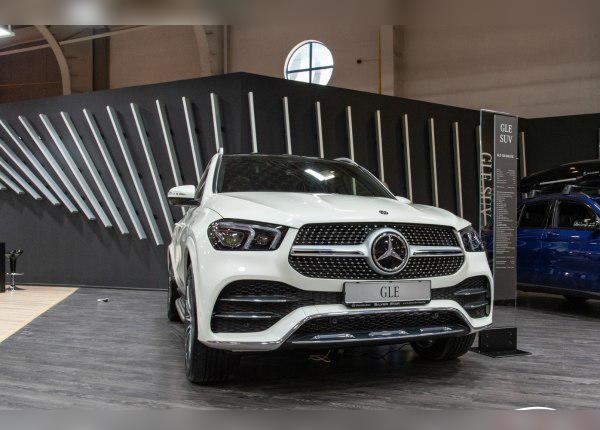
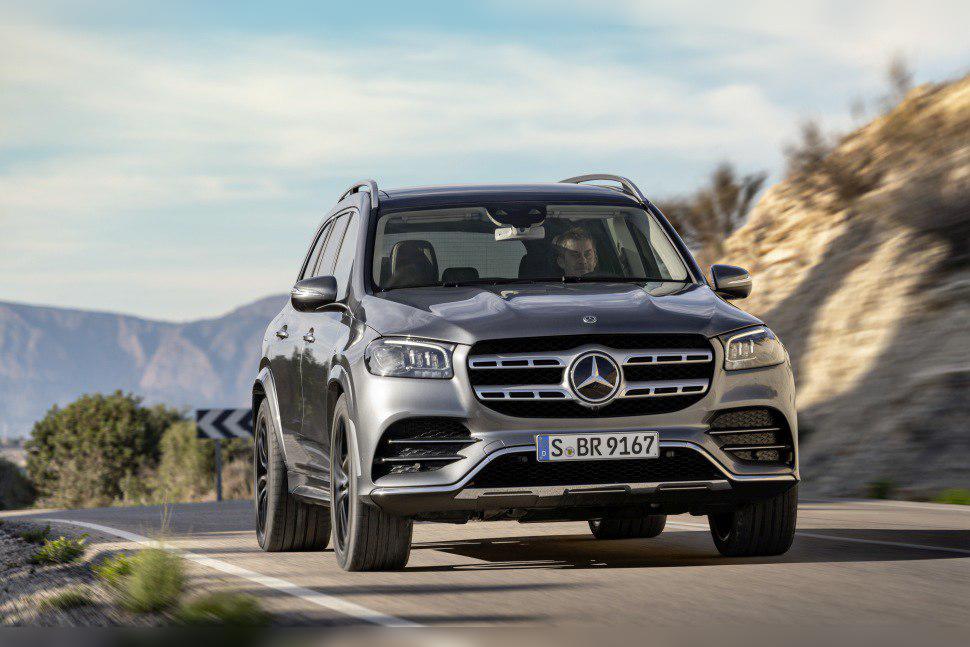
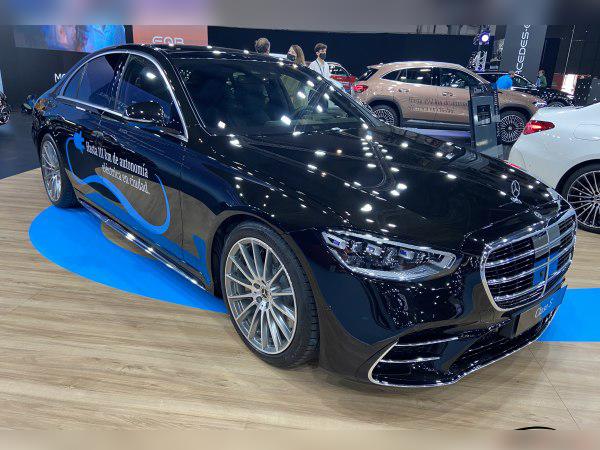
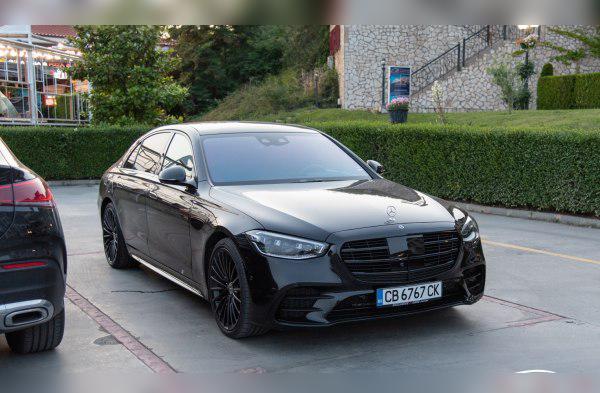
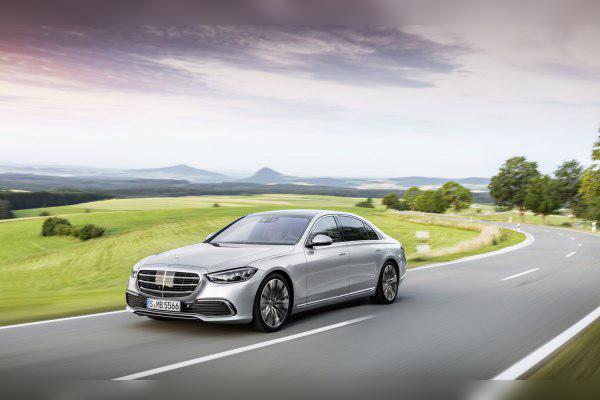
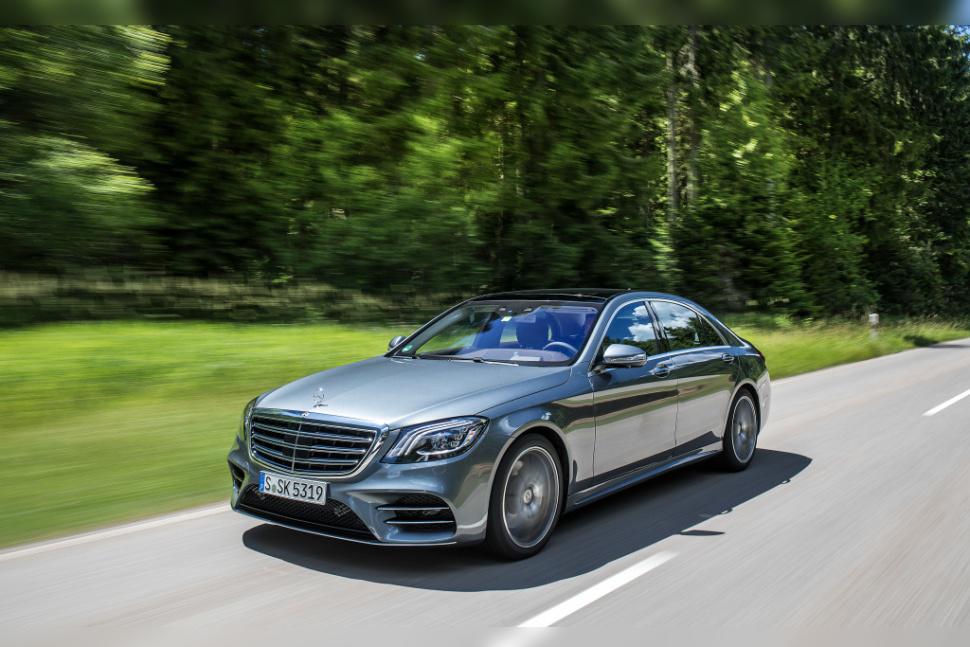
When Mercedes introduced the engine designated M 256, it was a historic moment for the brand – the return to an inline six-cylinder layout after decades of using V6 configurations. This specific version, the M 256.930 with 367 hp and 500 Nm of torque, is the heart of modern prestige models such as the S-Class (W222, W223), CLS (C257) and large SUVs like the GLE (V167) and GLS (X167).
What makes this engine a masterpiece of engineering is the absence of belts at the front. The water pump and air-conditioning compressor are fully electric, powered by a 48-volt system via an integrated starter-generator (ISG) placed between the engine and the transmission. This so-called EQ Boost system not only saves fuel, but also adds instant torque until the turbocharger spools up, masking any turbo lag.
Technical specifications
| Characteristic | Data |
|---|---|
| Engine code | M 256.930 |
| Engine displacement | 2999 cc (3.0L) |
| Engine power | 270 kW (367 hp) @ 5500-6100 rpm |
| Torque | 500 Nm @ 1600-4500 rpm |
| EQ Boost (Mild Hybrid) | Adds +16 kW (22 hp) and +250 Nm for short periods |
| Fuel type and injection | Petrol, direct injection (Piezo) |
| Charging system | Twin-scroll turbo + intercooler |
| Configuration | Inline-6, DOHC, 24 valves |
Reliability and maintenance
Timing system and major service
The M 256 engine uses a timing chain, not a timing belt. However, here lies an engineering “trap” for owners once the car is out of warranty: the timing system is located on the rear side of the engine, right by the cabin firewall. Why? Because there are no belts at the front, which frees up space for better cooling and aerodynamics. Symptoms of a worn chain include metallic rattling on cold start. Replacing the chain requires removing the entire engine together with the transmission, which makes the labor hours very expensive (Depends on the market). A classic “major service” is therefore not done at a fixed mileage; instead, the condition of the chain is usually checked around 200,000 km, unless noise appears earlier.
Oil, capacity and oil consumption
This block holds an impressive 8.5 to 9 liters of oil. The manufacturer requires the latest synthetic oils with MB 229.71 approval (viscosity 0W-20) or MB 229.52 (viscosity 5W-30). Oil consumption between services is generally non-existent while the engine is still “young”. Up to 0.5 liters per 10,000 km is considered normal tolerance, but if the engine starts consuming more, the issue usually lies in the PCV valve (oil separator) rather than in the piston rings themselves.
Most common failures
Mechanically, the crankshaft, pistons and block are virtually indestructible. However, the peripherals can hurt your wallet:
- 48V battery and ISG module: This is the weakest point of the early series (up to 2020). The battery module can fail, leaving the car completely dead (it cannot even crank because there is no conventional starter). Repair costs are extremely high (Depends on the market).
- Electric water pump: Since it is no longer driven by a belt, it depends entirely on electronics. When it fails, the engine temperature rises extremely quickly. Preventive replacement is recommended around 150,000 km.
- Valve carbon build-up: Due to the direct injection system, fuel does not wash the intake valves. At mileages above 120,000 km, the engine may start to run roughly at idle, which requires so-called “walnut blasting” of the intake ports.
Spark plugs and ignition coils
Given that this is a highly stressed turbocharged petrol engine, spark plugs must be replaced every 60,000 km. If this interval is skipped, resistance can increase and coils may fail, resulting in jerking under hard acceleration (misfire).
Specific parts and costs
Injectors and fuel injection
Highly precise piezo-electric injectors are used for high-pressure direct injection. They are not as prone to failure as diesel injectors, but they are sensitive to poor-quality petrol. If you refuel at reputable stations, they can easily last over 200,000 km. Replacement is expensive (Depends on the market).
Boost system (turbo)
In this version, the M256 has a single large twin-scroll turbocharger (some more powerful AMG versions also have an additional electric compressor, but this 450 version relies on EQ Boost at low revs). Turbo lifespan is excellent, usually exceeding 250,000 km if you change the oil regularly (shortened intervals at 10,000 km) and do not switch off a hot engine immediately after fast highway driving.
DPF, EGR and AdBlue on a petrol engine?
Since this is a petrol engine, it does not have AdBlue fluid or a classic diesel DPF and EGR. However, due to strict Euro 6d regulations, this engine is equipped with a GPF (Gasoline Particulate Filter). The GPF clogs much less frequently than a DPF because petrol engines operate at higher exhaust gas temperatures, so regeneration happens spontaneously while driving. EGR function is handled by so-called “internal EGR”, by manipulating variable valve timing (VVT system), so there is no conventional EGR valve that gets dirty and sticks.
Fuel consumption and performance
How does it cope with the body?
This engine is never “lazy” in any body style. Even in the heavy Mercedes GLS (which weighs over 2.4 tons), the 367 hp and especially the additional 250 Nm from the EQ Boost electric motor work wonders. Throttle response is instant, and the engine pulls extremely smoothly and quietly, with the characteristic, refined sound of a straight-six at higher revs.
Real-world fuel consumption
Although it is a “hybrid” on paper, this is still a 3.0-liter turbo petrol engine pushing heavy vehicles.
- City driving: Realistically expect between 11.5 and 14.5 l/100 km, depending on vehicle weight (CLS uses less, GLE/GLS more) and traffic. The start-stop system works incredibly smoothly thanks to the ISG, so you do not feel any jolt when the engine restarts at traffic lights.
- Highway: This is where it shines. Thanks to the 9-speed transmission, at 130 km/h in ninth gear the engine is “sleeping” at just above 1600 to 1700 rpm. Highway consumption ranges between 7.5 and 9.0 l/100 km.
Additional options and modifications
LPG – Is conversion possible?
Installing an LPG system on the M 256 engine is absolutely not recommended and practically impossible in real-world terms. The combination of direct injection, sensitive piezo injectors, the complex 48V hybrid system and electronics means there is no cost-effective or safe LPG kit that would work perfectly here without risking engine damage.
Chiptuning (Stage 1)
The engine block is extremely robust because it shares its base with the much more powerful AMG 53 models (M256 with 435 hp). A safe “Stage 1” remap usually raises power from 367 hp to about 420–430 hp, and torque to an impressive 600 Nm. The transmission can handle this without issues, but keep in mind that increased power requires even more frequent oil changes and shortens spark plug life.
Transmission and drivetrain
Available transmissions and clutch
This engine is paired exclusively with the 9G-TRONIC automatic transmission (most often combined with 4MATIC all-wheel drive). Forget about a manual gearbox – it does not exist even as an option.
Accordingly, this system does not have a conventional dual-mass flywheel and clutch disc that you would replace as consumables on a manual. It has a hydrodynamic torque converter (wandler) inside which the ISG electric motor is integrated. Failures of this assembly are extremely rare, but if they do occur, they fall into the category of very expensive repairs (Depends on the market).
Transmission maintenance and failures
The 9G-TRONIC transmission is a superb mechanical product, but it requires flawless maintenance. Oil changes in the transmission, together with the filter integrated into the transmission pan, must be carried out every 60,000 to 80,000 km or every 5 years. If the oil is not changed on time, the first symptoms are jerks when shifting from second to third gear, as well as a harsh clunk when engaging from ‘P’ (Park) to ‘D’ (Drive) when cold. The cause is clogging of the valve body (mechatronic) with fine particles from the friction plates.
Buying used and conclusion
What to check before buying?
When buying a used Mercedes with the M 256.930 engine, forget the classic “check the exhaust smoke color” advice. Here you need a serious specialist with original XENTRY diagnostics:
- Charging system and 48V battery: Diagnostics must check the “State of Health” of the 48V battery. If it is near the end of its life, prepare a large sum of money.
- Cold start: The engine must be completely cold before you come to see the car. When starting, listen to the rear of the engine by the windshield. If you hear even a second of metallic chain rattle, negotiate a major price reduction or walk away from that car.
- Idle quality: Once the car is warm, switch off the A/C and radio. The engine should run so smoothly that you should not feel any vibrations in the seat. Any kind of shaking indicates dirty valves, injector issues or bad spark plugs.
- Suspension and air suspension: These models (especially the S-Class, GLE, GLS) often have Airmatic air suspension. Raise and lower the car through all modes. The compressor must not be loud, and the car must not “sink” overnight.
Who is this engine for?
The Mercedes M 256.930 is a gem of modern engine design. It brings back that true “gentlemanly” driving feel that once defined the old Mercedes straight-sixes, but with performance that puts sports cars from ten years ago to shame. It is intended for drivers who want absolute comfort, strong performance, fantastic sound insulation and elasticity in every driving mode.
On the other hand, it is by no means intended for buyers on a tight budget. If you are buying it used on finance, planning to save on regular maintenance or hunt for cheap aftermarket parts from local sellers – you will be in serious trouble. Its complexity (EQ Boost, electric components, direct injection) requires meticulous maintenance, genuine parts only and top-notch technicians. If you can provide that, it will be one of the best petrol engines you have ever driven.