Mercedes M 256.930 (320 kW / 435 hp): Experiences, problems, fuel consumption and used-car buying tips
- Biggest advantage: An engineering masterpiece. The combination of an inline six-cylinder, EQ Boost (48V) system and an electric compressor eliminates turbo lag and delivers incredible smoothness.
- Biggest drawback: Exceptional complexity. This engine has no conventional drive belt; the water pump and A/C compressor are electric, which means high costs when those components fail.
- Reliability: The block and head themselves are mechanically excellent, but the 48V hybrid system (ISG) and associated electronics can cause headaches (and drain your wallet).
- Fuel consumption: Considering the power and weight of the vehicles (GLE, S-Class, CLS), consumption is acceptable, but do not expect diesel-like economy in the city.
- Maintenance: Requires strict adherence to oil change intervals and a specialized workshop. Repairs are very expensive (depends on the market).
- Buying used: A detailed diagnostic check at an authorized service center is absolutely mandatory. Checking the health of the 48V battery and ISG system is crucial.
Contents
- Introduction: The return of the inline six
- Technical specifications
- Reliability and maintenance
- Specific components (costs)
- Fuel consumption and performance
- Additional options and modifications
- Transmission
- Buying used and conclusion
Introduction: The return of the inline six
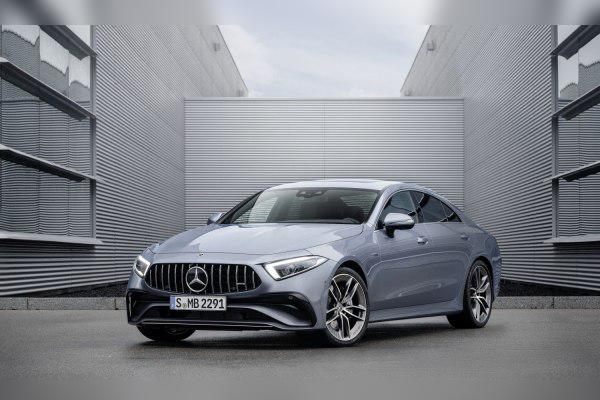
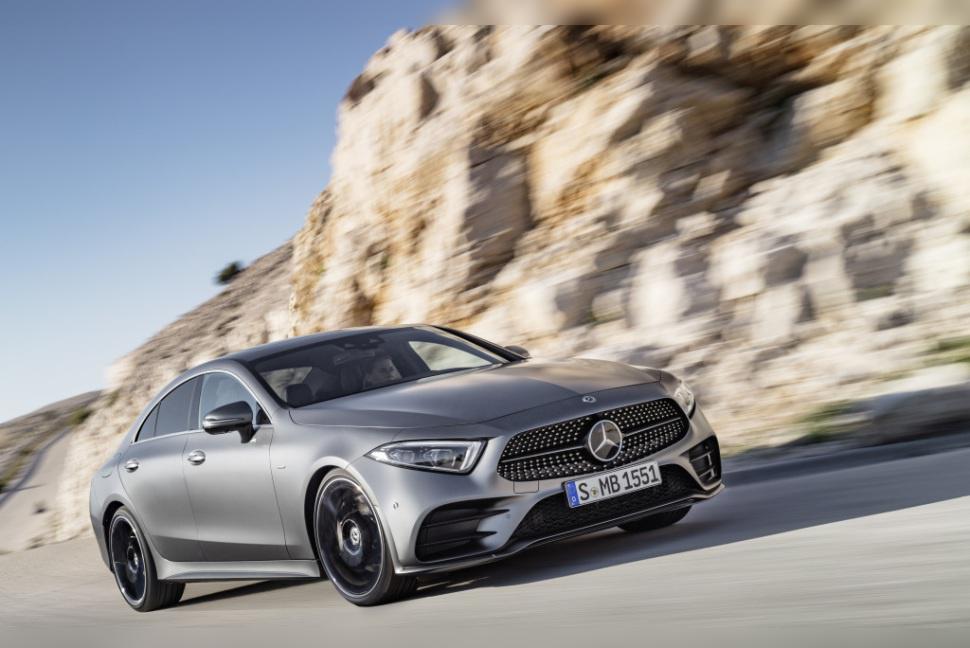
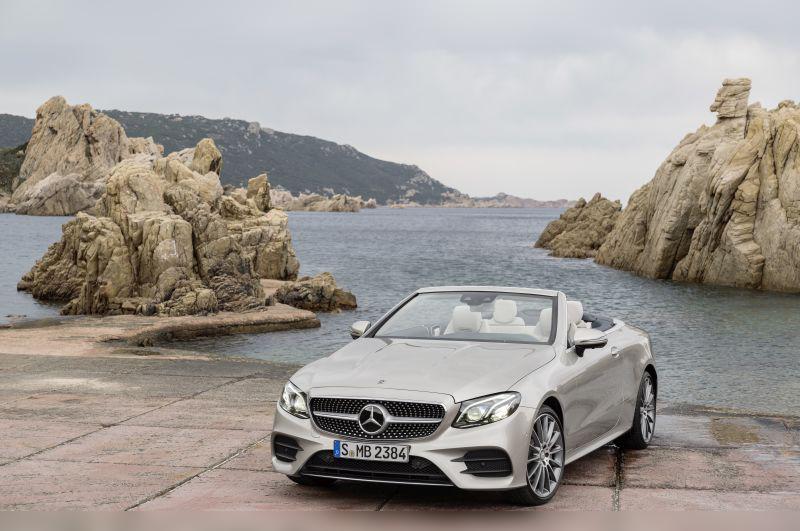
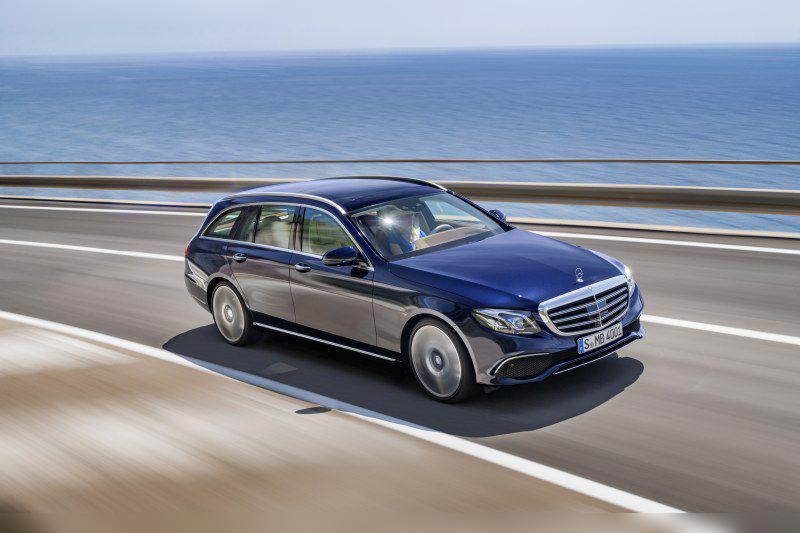
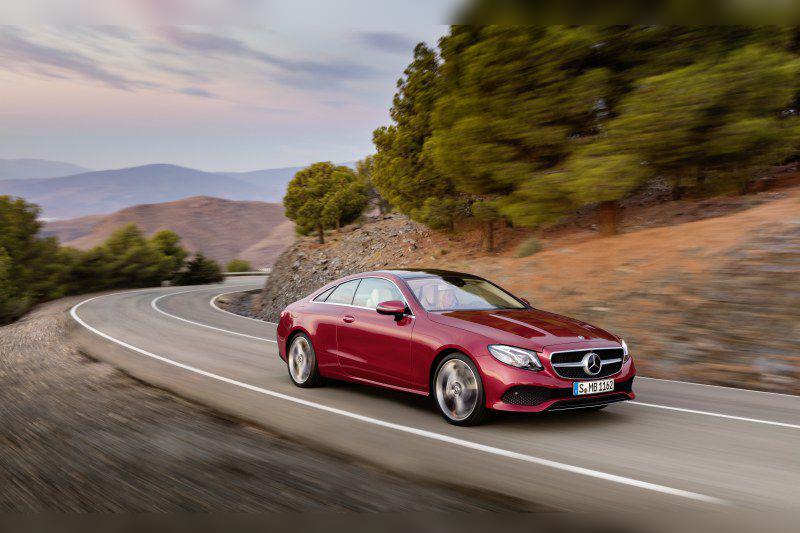
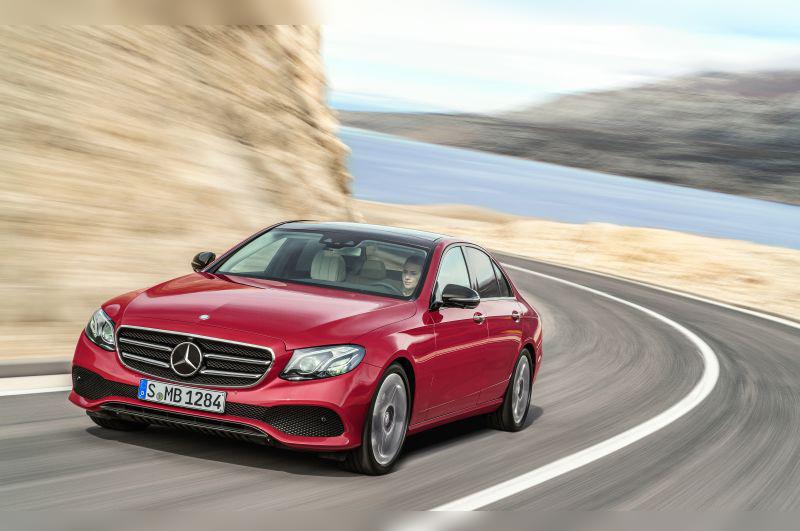
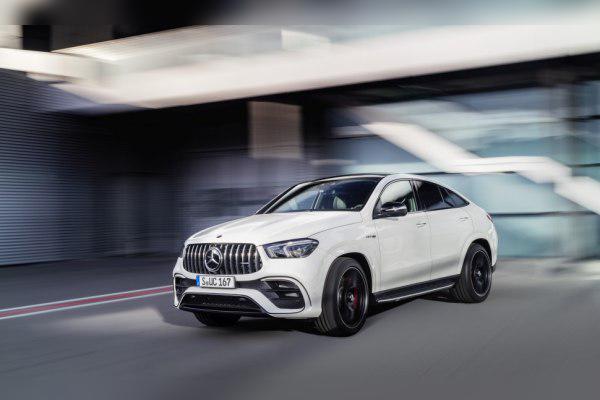
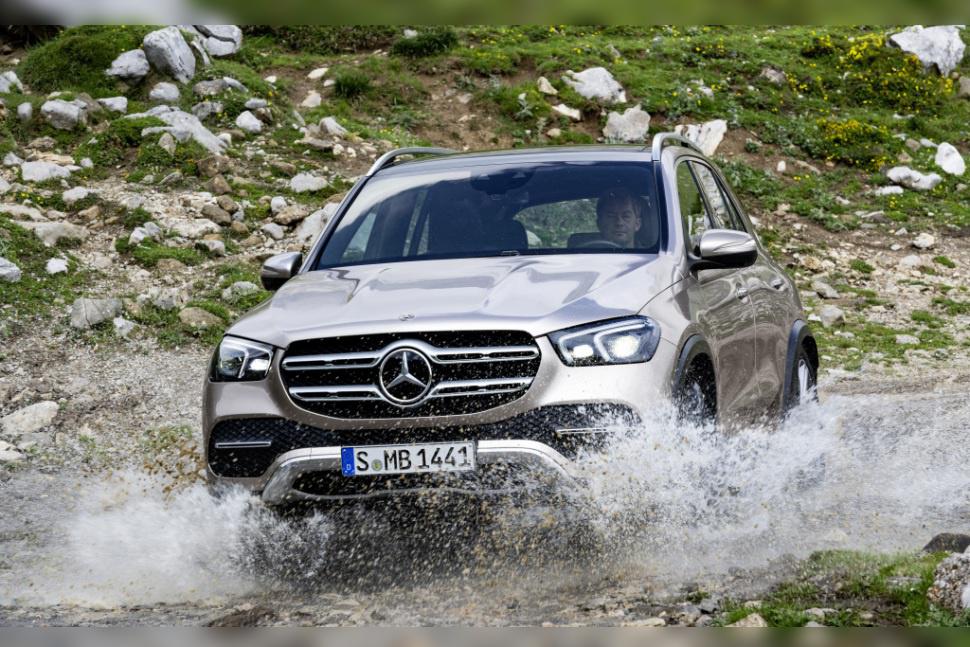
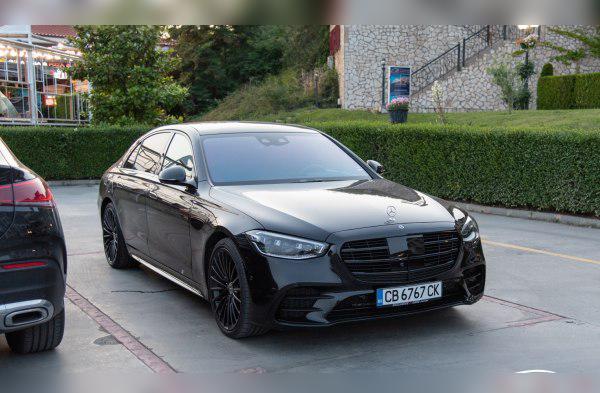
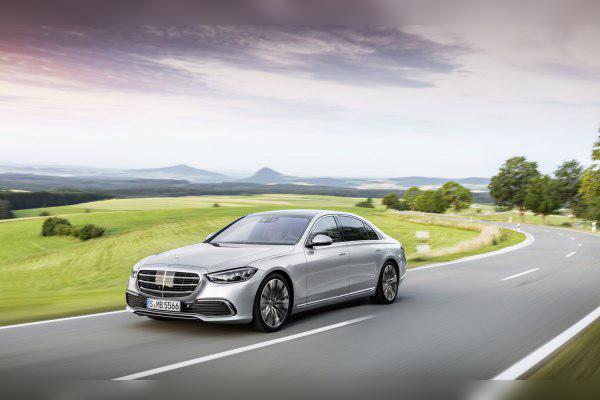
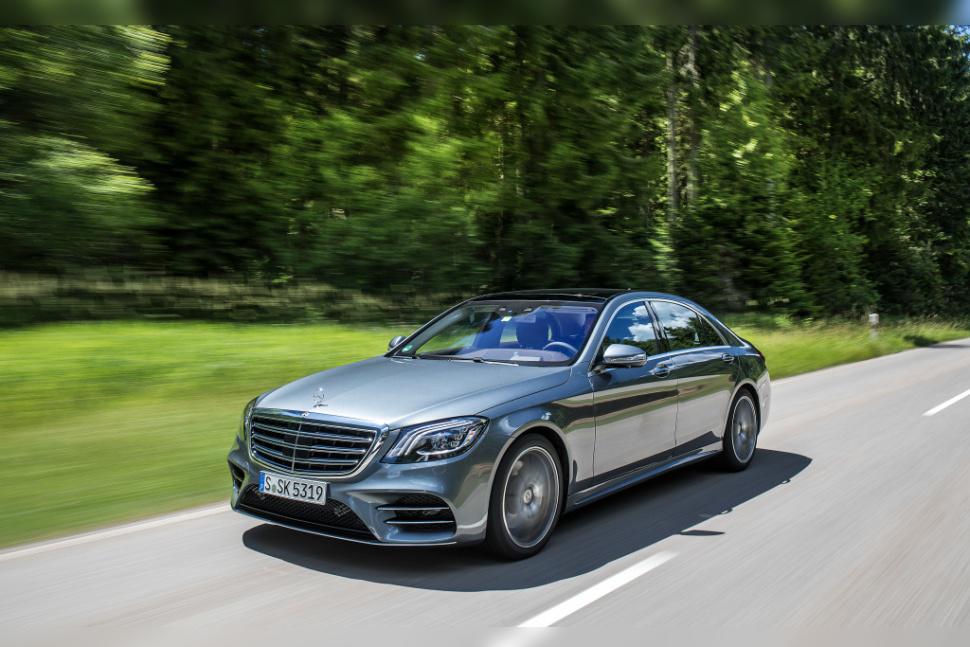
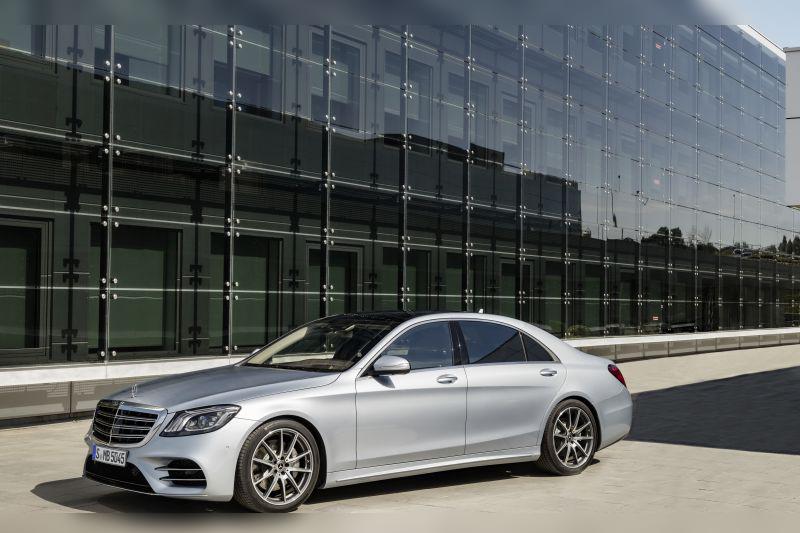
After years of using V6 configurations, Mercedes-Benz returned to its roots with the M 256 engine – an inline six-cylinder. The specific version M 256.930 is the pinnacle of this series and is installed in prestigious models such as the S-Class (W222, W223), CLS 53 AMG, E 53 AMG and GLE 53 AMG. What sets this engine apart is not just the cylinder layout, but the integration of a 48-volt mild hybrid system (EQ Boost) and the complete absence of a conventional accessory belt at the front of the engine. Everything is electrified, which brings fantastic performance but also sets new rules when it comes to maintenance.
Technical specifications
| Specification | Data |
|---|---|
| Displacement | 2999 cc |
| Power | 320 kW (435 hp) + 16 kW (22 hp) EQ Boost |
| Torque | 520 Nm + 250 Nm EQ Boost |
| Engine code | M 256.930 |
| Injection type | Direct (piezo injectors) |
| Turbo/Naturally aspirated | Twin-scroll turbo + electric compressor (eZV) |
| Fuel type | Petrol (unleaded 98 RON recommended) |
Reliability and maintenance
Timing belt or chain?
This engine uses a timing chain. A specific feature of the M 256 is that the chain is located at the rear of the engine (towards the transmission). This means that if the chain ever needs to be replaced, the engine has to be removed or the transmission taken down, which drastically increases labor costs. Fortunately, the chain itself is robust.
Major service and most common failures
Since there is no timing belt, a classic “major service” in the sense of regular belt replacement does not exist. Work on the chain is usually done when the first symptoms appear (rattling on cold start), which on regularly maintained examples rarely happens before 200,000 to 250,000 km.
The most common failures on this engine are not mechanical issues inside the block itself, but are related to peripheral components:
1. 48V battery and ISG (Integrated Starter Generator): The ISG replaces both the starter and alternator. Failures in the control electronics of this system can result in the car refusing to start. A typical symptom is the sudden appearance of a yellow or red battery warning light on the instrument cluster. Replacing components of the 48V system is very expensive (depends on the market).
2. Electric water pump: Since there is no accessory belt, the water pump is electric. If the pump electronics fail, the engine temperature quickly rises (above 90 °C). The system will warn the driver, but ignoring the warning leads to fatal overheating.
Engine oil and oil consumption
The engine takes an impressive 8.5 to 9 liters of oil. Only fully synthetic oil that meets the MB 229.71 specification is recommended (most commonly 0W-20 for better cooling and lower friction) or MB 229.51/229.52 (5W-30), depending on climate and the workshop’s recommendation in a given region.
Does it consume oil? Yes, modern turbocharging and low-viscosity oil cause slight consumption. Around 0.5 to 1 liter per 10,000 km is considered normal. If the engine needs more than 1 liter per 5,000 km, this points to a problem with oil vapor separation (PCV valve) or, in more serious cases, turbocharger seals.
Spark plug replacement
Since this is a petrol engine with very high combustion pressure and direct injection, spark plugs must be replaced every 60,000 to 75,000 km or every 4 years. Delaying replacement puts additional strain on the ignition coils, which will quickly burn out due to increased resistance. The symptom is engine hesitation under hard acceleration (misfire).
Specific components (costs)
Flywheel and injection system
This model uses an automatic transmission with a torque converter in which the ISG (electric motor) is integrated, so there is no conventional manual dual-mass flywheel. Failure of this assembly is manifested by harsh gear changes and vibrations, and repair is extremely expensive (depends on the market).
The injection system is direct (piezo injectors). The injectors are very durable but sensitive to poor-quality fuel. The only real downside of direct injection is carbon buildup on the intake valves. Walnut blasting of the intake is recommended at around 120,000 km, because due to deposits the engine loses power and idles roughly.
Turbochargers and emissions systems
This is the pinnacle of boost engineering. The engine has a twin-scroll turbocharger driven by exhaust gases, as well as an electric auxiliary compressor (eZV). The electric compressor “blows” air in a fraction of a second before the exhaust turbo spools up, completely eliminating the so‑called turbo lag. The electric compressor rarely fails, but the large exhaust turbo has a service life of about 150,000 to 200,000 km. Failure is noticed as bluish smoke from the exhaust, a whistling noise or loss of power.
Since this is a petrol engine, it has no DPF filter or AdBlue system. However, due to strict Euro 6d standards, it is equipped with a GPF/OPF (Gasoline Particulate Filter) that traps soot from petrol combustion. The OPF can clog if the car is driven exclusively on short city trips with light throttle. Symptoms are a muted exhaust note and limited engine power.
Fuel consumption and performance
Real-world fuel consumption
Do not be fooled by the EQ Boost hybrid system – you are still feeding six cylinders and nearly 3 liters of displacement in a heavy body with petrol. In city driving in models such as the S 500 or GLE 53 AMG, you can expect real-world consumption between 13 and 16 l/100 km. In more aerodynamic E and CLS models, this drops to around 12 l/100 km.
Driving behavior and highway performance
Is the engine “lazy”? Absolutely not. With 520 Nm of torque from the engine itself, plus an additional instant 250 Nm provided by the electric motor (EQ Boost), heavy SUVs take off from a standstill like light sports cars. Throttle response is brutal and immediate.
On the highway this engine shows its true character. At a cruising speed of 130 km/h in ninth gear (9G-Tronic), the tachometer sits just below 2,000 rpm. Under these conditions, fuel consumption drops to a very acceptable 8 to 9 l/100 km. Sound insulation and the smoothness of the inline engine make the speed almost imperceptible inside the cabin.
Additional options and modifications
LPG conversion
Although this is a petrol engine, LPG conversion is absolutely not recommended. In addition to the complex piezo direct injection that requires specific liquid-injection LPG systems, the integration with the 48-volt EQ Boost system and the presence of an OPF filter in the exhaust make this modification both economically and technically unviable. The risk of piston damage and total engine failure is enormous.
Chiptuning (Stage 1)
The stock 320 kW (435 hp) is already impressive, but the M 256 has exceptional potential thanks to good cooling and an efficient turbo system. With a Stage 1 ECU remap, this engine can safely and relatively easily reach around 350 to 370 kW (480 to 500 hp), with torque exceeding 600 Nm. However, one should be careful not to overdo it because the transmission is sensitive to a sudden increase in torque, and the OPF filter has its limits and can overheat due to higher exhaust gas temperatures.
Transmission
Types of transmissions and maintenance
This engine is not paired with manual transmissions. It is mated exclusively to Mercedes’ 9-speed automatic transmission (in the S-Class it carries the 9G-TRONIC designation, while in AMG models such as the CLS 53, E 53 and GLE 53 it comes in a modified and faster version called AMG SPEEDSHIFT TCT 9G with quicker software). All versions come with 4MATIC all-wheel drive.
Most common failures and servicing
These transmissions are generally very durable mechanically. However, the most common automatic transmission issues are related to the valve body, which manifests as jerking when shifting from second to third gear, or a harsh jolt when coming to a stop at traffic lights. This problem is often solved simply by updating the transmission software, but in neglected cases it requires a valve body overhaul.
Transmission service interval: Regardless of what some owner’s manuals say (the so‑called “sealed for life” myth), the oil in the 9G transmission must be changed every 80,000 km or 5 years, together with the transmission pan, which has the oil filter integrated into it. This is the only way to ensure the longevity of the TCT and 9G systems.
Buying used and conclusion
What to check before buying?
Buying a used vehicle with the M 256.930 engine must not be done “by ear and by eye”. The following is essential:
- Specialist diagnostics (Xentry/Star): You must check the condition of the 48V battery. If its capacity has dropped significantly, replacement is expensive (depends on the market).
- Noise on cold start: Listening for chain noise is more difficult because the ISG spins the engine instantly (there is no classic starter cranking). If after a few seconds of running you hear metallic rattling from the bulkhead area, the chain is stretched.
- Cooling system check: Via diagnostics, the response of the electric water pump should be tested to ensure it is operating at the specified pressure.
- OPF filter inspection: Check the pressure values before and after the OPF filter to see how clogged it is from city driving.
Final conclusion
The Mercedes M 256.930 engine (435 hp) is intended for serious drivers who seek the perfect balance between the refinement of the S-Class and the brutal power of AMG. Its inline-six construction combined with the EQ Boost system provides unreal smooth and forceful acceleration, from standstill to top speed. However, this is not an engine for people with a limited maintenance budget. The high level of integration of electronics, electric pumps and a complex charging system means that when something fails, repair requires a top-notch diagnostician and a substantial amount of money. If you are prepared for meticulous maintenance by specialists, you will get one of the most advanced and smoothest petrol engines in the modern automotive industry.