Mercedes M 266.980 (A 200 / B 200 Turbo): Experiences, issues, fuel consumption and used-car buying tips
Key points (TL;DR)
- Performance: A very fast and potent engine (193 hp) that turns the A- and B-Class into genuine hot hatch cars.
- Maintenance: The engine is reliable, but labor costs are very high because the “sandwich” floor means many repairs require lowering the entire engine with the front subframe.
- Timing drive: Uses a timing chain that is rarely replaced, except when it starts rattling at high mileage.
- Gearbox: Autotronic (CVT) gearboxes are prone to control unit (electronics) failures, and repairs are expensive. Manual gearboxes are a much safer choice.
- Fuel consumption: Quite thirsty in city driving, easily going over 10 l/100 km.
- LPG (Autogas): Since it’s MPI (indirect injection), it works very well on LPG, but installation is more difficult due to the cramped engine bay.
Contents
- Introduction: A hidden beast in a family package
- Technical specifications
- Reliability and maintenance
- Specific parts and costs
- Fuel consumption and performance
- Additional options and modifications
- Gearbox: Manual vs Autotronic
- Buying used and conclusion
Introduction: A hidden beast in a family package
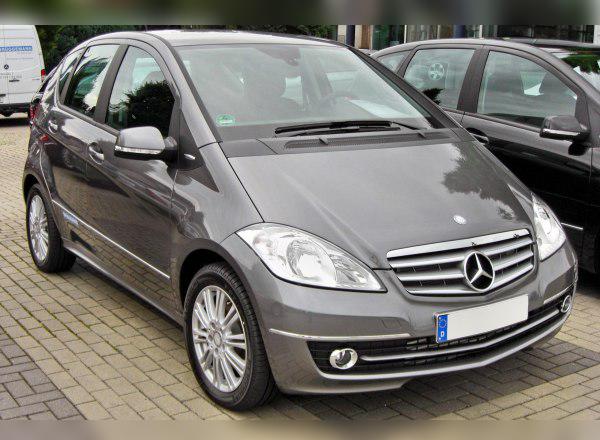
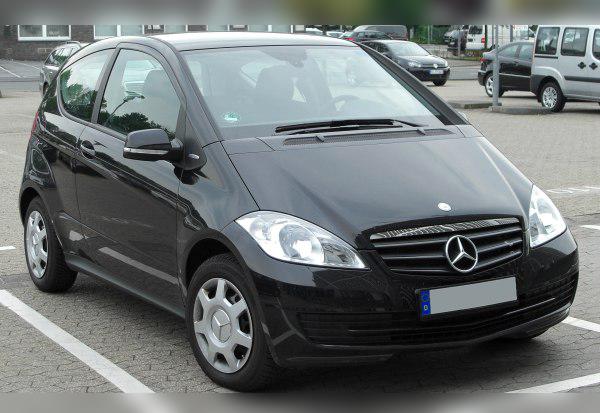
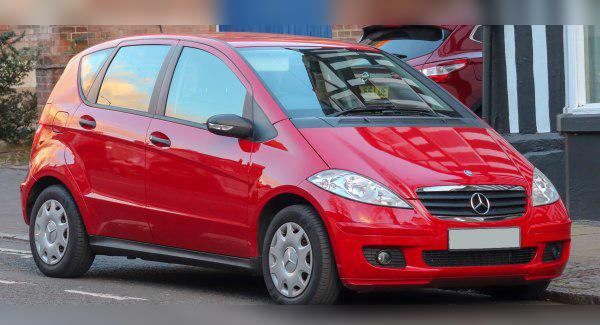
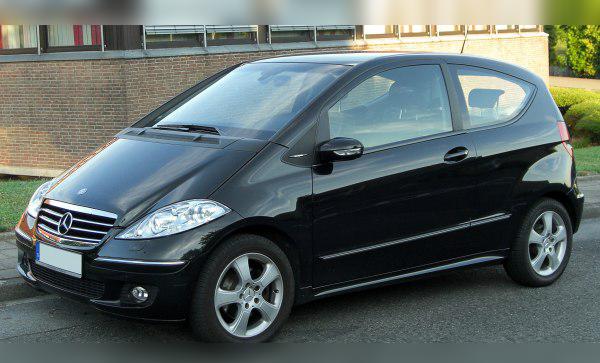
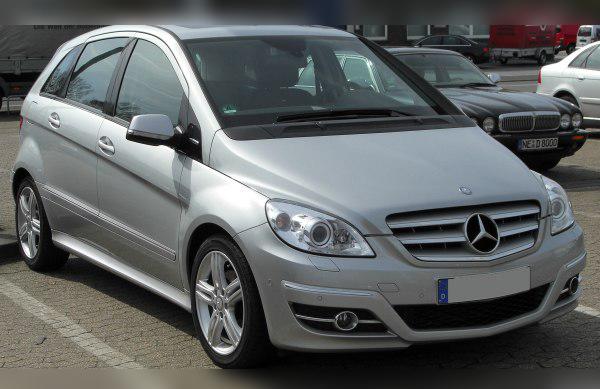
The engine designated M 266.980 is the most powerful option in the range of Mercedes A-Class (W169, C169) and B-Class (W245). It was designed for a specific double-floor platform (known as the “sandwich” floor), where the engine is tilted at an angle of 59 degrees. This concept was created so that in the event of a collision the engine would slide under the passenger compartment, increasing safety. However, what is good for safety has turned out to be a nightmare for mechanics. With 193 hp and 280 Nm of torque, this 2.0‑liter turbo petrol engine offers serious performance but requires a specific maintenance approach.
Technical specifications
| Specification | Data |
|---|---|
| Engine code | M 266.980 |
| Engine displacement | 2034 cc |
| Power | 142 kW (193 hp) |
| Torque | 280 Nm |
| Fuel type | Petrol |
| Injection type | Indirect (MPI - Multi-Point Injection) |
| Aspiration | Turbocharger with intercooler |
Reliability and maintenance
Timing chain, major service and oil
For driving the camshafts this engine uses a chain, not a timing belt. The chain is quite durable and there is no strictly prescribed interval for a “major service” in terms of its replacement. The chain is usually replaced only when symptoms of stretching appear, which is manifested by rattling on cold start (most often after 200,000 km). The major service usually comes down to replacing the auxiliary (serpentine) belt, idlers, tensioner and water pump every 90,000 to 120,000 km.
The oil sump of this engine holds exactly 5 liters of oil. It is recommended to use synthetic oil with a viscosity grade of 5W-40 or 0W-40 (with Mercedes specifications MB 229.3 or MB 229.5). Since this is a turbo engine that runs at higher temperatures, a slight oil consumption is present. Consumption of about 0.2 to 0.5 liters per 1,000 km is considered normal, depending on driving style. Anything above that points to worn piston rings or a turbocharger issue.
Most common failures and “sandwich” floor specifics
The engine block itself and internal components are extremely reliable. However, the problem lies with the ancillaries. The best-known weak point of this model is the starter motor. Its failure is not frequent, but when it happens, the repair is very expensive (depends on the market), not because of the part itself, but because many mechanics have to lower the entire engine with the front subframe to replace it, which means hours and hours of billed labor. It is similar with the alternator and A/C compressor. As for the ignition system, it is recommended to replace the spark plugs every 60,000 km in order to protect the coils, which are also sensitive to heat.
Specific parts and costs
The fuel injection system is an older, more reliable Multi-Point Injection (MPI). Injectors on this engine almost never cause problems, they do not clog easily and tolerate lower-quality fuel. Since this is a petrol engine, you do not have to worry about a DPF filter or AdBlue systems, which are reserved for diesels. There is an EGR valve and it can accumulate carbon deposits (soot), especially if the car is driven exclusively in the city, so it should be cleaned from time to time.
The engine is equipped with a single BorgWarner (KKK) turbocharger. The turbo’s lifespan largely depends on regular oil changes and allowing the engine to cool down after spirited driving. On average, the turbo lasts over 200,000 km without overhaul. The cost of turbocharger refurbishment is not extremely high compared to modern variable-geometry turbos with electronics.
On versions with a manual gearbox, a dual-mass flywheel is fitted. Its role is to dampen vibrations from the powerful engine. When it wears out (symptoms are jerking when pulling away, vibrations at idle and a dull thud when switching the engine off), replacement of the clutch kit and dual-mass flywheel is very expensive (depends on the market).
Fuel consumption and performance
With a body weight of around 1,300 to 1,400 kg (depending on equipment and whether it’s a W169 or W245), this engine is definitely not lazy. On the contrary, it turns the car into a serious rocket on the road. Throttle response is excellent, and the 280 Nm of torque is available already at low revs.
However, power comes at a price. In city driving conditions, real-world fuel consumption rarely drops below 10 to 12 l/100 km, especially in winter or with frequent hard acceleration. On the motorway, the situation is much better. Thanks to the 6‑speed gearbox (or the long ratios of the CVT), at 130 km/h the engine cruises at a relaxed 2,700–3,000 rpm, and consumption stays at a reasonable 7 to 8 l/100 km.
Additional options and modifications
Good news for those who want cheaper running costs: since the engine uses conventional MPI fuel injection, installing LPG (autogas) is absolutely possible and recommended. The engine handles LPG very well and does not suffer from valve seat recession, provided the system is properly mapped. The only challenge for installers is the very tight space under the bonnet for fitting the vaporizer and gas injectors.
For those who want more power, the M 266.980 is an excellent candidate for a remap (Stage 1 software tune). Thanks to the turbocharger, power can safely be raised via software to around 220 to 230 hp, and torque to about 320 to 330 Nm. The engine and turbo can handle this increase, but you should be careful about the condition of the clutch (or the CVT, which is already operating close to its torque limit).
Gearbox: Manual vs Autotronic
This engine was paired with a 6‑speed manual gearbox or an automatic gearbox called Autotronic (code 722.8), which is actually a CVT (Continuously Variable Transmission).
Gearbox failures and maintenance
The manual gearbox is robust and reliable. The biggest issue is the already mentioned expensive labor for replacing the clutch and dual-mass flywheel, because the entire front subframe has to be removed.
The Autotronic (CVT) gearbox is a completely different story. It offers incredibly smooth driving, but is notorious for problems with the electro-hydraulic control unit (Mechatronic/TCM). The speed sensors on the board often fail, causing the gearbox to go into limp mode with a “Transmission Visit Workshop” message on the dash. Repairing this electronics unit is expensive (depends on the market). The most important thing with the Autotronic gearbox is changing the oil every 60,000 km. If this is neglected, the cone pulleys and metal belt wear out, and then the repair becomes completely uneconomical.
Buying used and conclusion
What to check before buying?
- Noises on cold start: Make sure the car is completely cold before you arrive. Listen for any chain rattling in the first 3 seconds after starting.
- Checking the Autotronic gearbox: While driving, there must be absolutely no jerking, surging revs or strange noises. Look for invoices proving that the gearbox oil has been changed regularly.
- Idling and exhaust smoke: Bluish smoke when you suddenly blip the throttle indicates a worn turbo or valve stem seals. Vibrations at idle on a manual car can be a sign of a failing dual-mass flywheel.
- A/C system and electronics: Check everything, because replacing any compressor or fan requires many hours of paid mechanic’s labor.
Who is this engine for?
The Mercedes M 266.980 is for those who want a surprisingly fast and compact car and are ready to accept somewhat higher labor costs at the workshop. The A 200 Turbo or B 200 Turbo are true sleeper cars – on the outside they look like harmless family vehicles, yet at the lights they can surprise serious sports models. If you are planning to buy one, the best and safest choice is the version with a manual gearbox, so you avoid the expensive headaches that the Autotronic can bring.