Mercedes-Benz C 180 CGI (M 271.820) – Experiences, problems, fuel consumption and used-car buying tips
Key points in short (TL;DR)
- Performance: The 156 hp, 250 Nm turbo petrol offers an excellent balance between everyday driving and fuel economy. It’s not a race car, but it’s by no means “sluggish”.
- Main weakness: The timing chain and camshaft adjusters are extremely sensitive and represent the biggest potential expense.
- Fuel system: Direct injection (CGI) requires high-quality fuel and leads to carbon buildup on the intake valves over time.
- Transmissions: The 5G-Tronic is virtually indestructible but slower, while the 7G-Tronic Plus is more economical but requires stricter maintenance of the valve body.
- LPG: Not cost-effective to install due to the direct injection system.
- Recommendation: An excellent choice for drivers with moderate annual mileage, provided you buy a car with the chain already replaced or keep a budget aside for that job.
Contents
- Introduction: About the M 271.820 engine
- Technical specifications
- Reliability and maintenance
- Specific parts and costs
- Fuel consumption and performance
- Additional options and modifications
- Transmission and drivetrain
- Buying used and conclusion
Introduction: About the M 271.820 engine
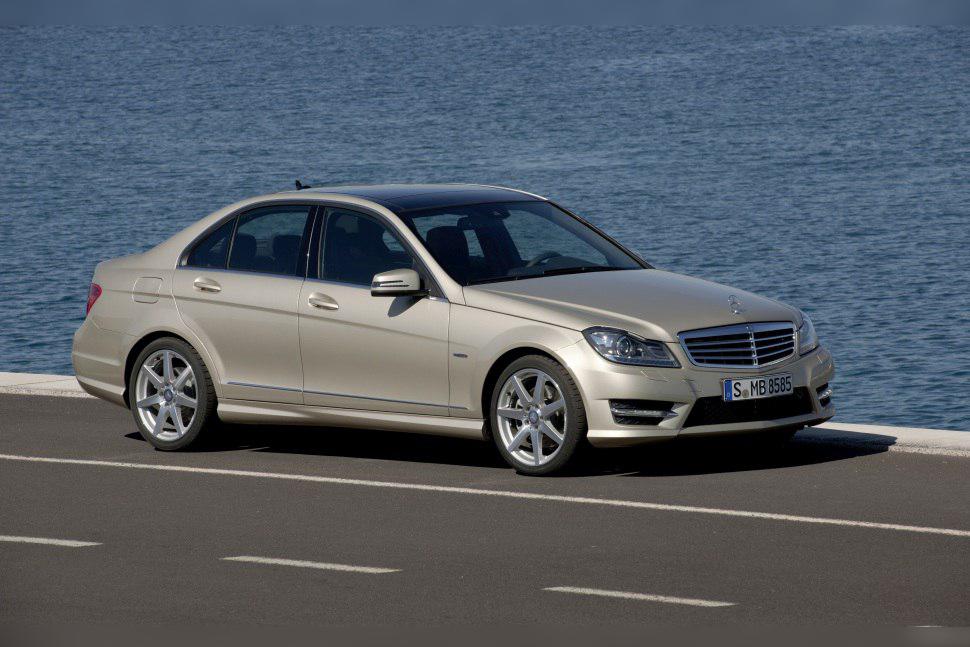
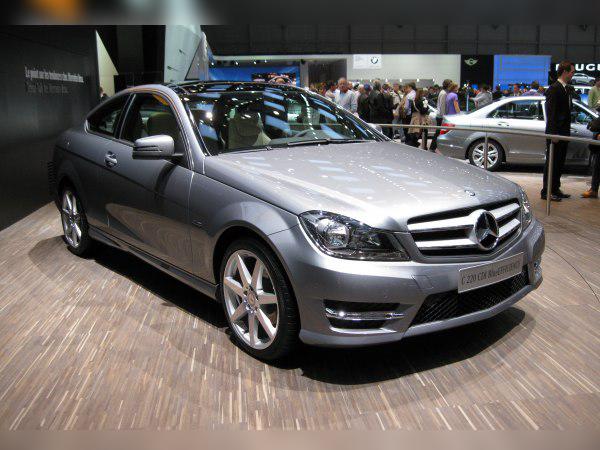
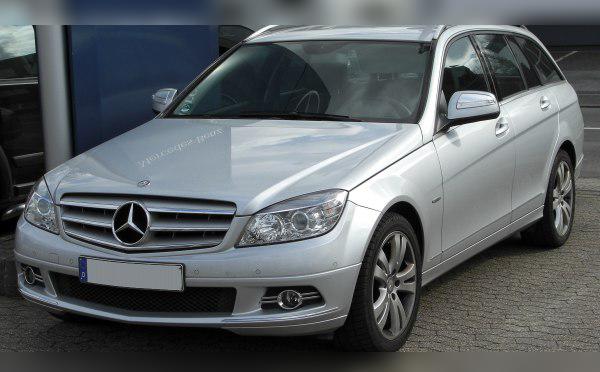
As a technical editor who has had the chance to test and dissect countless engines, I can tell you that the Mercedes M 271.820 (also known as the M271 EVO) is an engine that provokes very mixed opinions among mechanics. Introduced as a replacement for the older supercharged versions, this 1.8‑liter four‑cylinder switched to a turbocharger and direct injection (CGI). It was installed primarily in the C‑Class (W204, S204 estate and C204 coupe), and was particularly popular in the facelift models from 2011 onwards, badged as the C 180 BlueEFFICIENCY.
The engineers’ goal was a sharper throttle response, more torque at low revs and reduced exhaust emissions. Did they succeed? Absolutely. Did they create a flawless engine? Not even close. Below we’ll go through in detail everything that awaits you if you park this Mercedes in your garage.
Technical specifications
| Specification | Data |
|---|---|
| Engine code | M 271.820 (M271 EVO) |
| Engine displacement | 1796 cc |
| Power | 115 kW (156 hp) at 5000 rpm |
| Torque | 250 Nm at 1600 – 4200 rpm |
| Fuel type | Petrol (Gasoline) |
| Injection type | Direct injection (CGI) |
| Induction | Turbocharger with intercooler |
Reliability and maintenance
Timing belt or chain?
This engine uses a timing chain. However, it’s not that indestructible “Mercedes chain” from the nineties that taxi drivers are used to. The chain on the M 271 EVO is single‑row and quite thin. Over time it is prone to stretching, which is by far the best‑known weak point of this engine.
Most common failures and symptoms
If you’re buying this engine, you need to be aware of three key issues:
- Chain stretch and camshaft adjuster failure: Due to chain stretch, the sprockets, i.e. the camshaft adjusters, get damaged. The symptom is a distinct metallic rattling or “grinding” noise on cold start, lasting 2 to 5 seconds. If you ignore this, the chain can jump and cause total engine failure.
- Oil leakage at the camshaft magnets: The camshaft position sensors (magnets) tend to leak oil. The danger is that the oil can wick its way through the wiring loom all the way to the ECU and destroy it. The solution is to fit so‑called “isolation cables” (adapters) that block the oil’s path.
- Crankcase ventilation system (PCV valve): It often cracks or clogs. Symptoms include increased oil consumption, rough idle and the “Check Engine” light coming on.
Major service, oil and spark plugs
A classic “major service” (in the sense of a timing belt change at 100,000 km) doesn’t exist here, but in practice the replacement of the chain, tensioner, guides and camshaft adjusters (if damaged) is done at mileages between 100,000 and 150,000 km, either preventively or as soon as the first noise is heard at startup. This job is very expensive (cost depends on the market).
The engine takes exactly 5.5 liters of oil. Fully synthetic oil of grade 5W‑30 or 5W‑40 that meets the strict Mercedes MB 229.5 standard is recommended. Do the minor service strictly every 10,000 to a maximum of 15,000 km, because old oil directly destroys the already sensitive chain and camshaft adjusters.
As for oil consumption, from the factory the engine is allowed to use up to 0.5 liters per 1000 km, although in practice it’s normal to burn about 1 to 1.5 liters between two services. Anything above that points to a problem with the PCV valve, valve stem seals or the turbocharger itself.
Since this is a modern turbo petrol, spark plugs are replaced every 60,000 km. Do not postpone this, because worn plugs lead to coil failure, and improper combustion can damage the catalytic converter.
Specific parts and costs
Injection system and injectors
The injection system is direct (CGI). Fuel is injected at extremely high pressure directly into the cylinder by a high‑pressure fuel pump (HPFP). The pump can sometimes fail, mixing fuel with engine oil (the symptom is a raised oil level on the dipstick and a strong smell of petrol in the oil). The injectors themselves are sensitive to poor fuel quality, but fail less often than on diesels. The downside of direct injection is carbon buildup on the intake valves, so every 80,000 to 100,000 km the engine will require so‑called “walnut blasting” to restore a smooth idle and full power.
Turbocharger
This engine has a single turbocharger. Its service life is quite decent and it usually runs without major issues for about 150,000 to 200,000 km. The most common problem is not the turbo rotor itself, but the wastegate valve, which develops play, so during acceleration and when lifting off the throttle you can hear a metallic rattle from the turbo area. Refurbishment is possible and reasonably priced.
DPF, EGR and AdBlue
Since this is a petrol engine, this model does NOT have a DPF filter, does NOT have an AdBlue system, and does not use a conventional EGR valve like you find on diesels. Exhaust gas recirculation is handled internally by valve timing overlap via the VVT system (camshaft adjusters), which spares drivers the usual headaches with clogged EGR valves.
Fuel consumption and performance
City and highway driving
As always, the factory fuel consumption figures are overly optimistic. In real‑world conditions, city consumption for a W204 C 180 CGI is between 9 and 11 l/100 km, depending on how heavy your right foot is and how bad the traffic is. Even though it weighs around 1.5 tons, the C‑Class body handles this engine very well. The engine is by no means sluggish – thanks to the small but agile turbocharger, the full 250 Nm of torque is available from a remarkable 1600 rpm, which makes it as flexible as a diesel in city driving.
Behavior on the motorway
On the motorway, the C 180 shines for its class. At a cruising speed of 130 km/h, in the version with the 7G‑Tronic Plus gearbox, the engine turns a relaxed around 2300 to 2500 rpm, which ensures quiet running and fuel consumption of about 6.5 to 7.5 l/100 km. Overtaking is safe, although at speeds above 140 km/h the engine shows that it is still “only” a 1.8‑liter four‑cylinder, so it needs a lower gear and higher revs for brisk acceleration.
Additional options and modifications
LPG installation
If you were planning to buy this car and immediately install LPG to save money – think again in time. Because of the direct fuel injection (CGI), the petrol injectors sit directly in the combustion chamber. Standard LPG systems would cause them to overheat and melt. Only specialized systems that inject a small amount of petrol alongside LPG to cool the injectors, or systems that inject liquid gas, are possible. These installations are very expensive (cost depends on the market) and often never pay back the initial investment for the average driver.
Remapping (Stage 1)
The engine hardware is solid, and the unit partly shares its architecture with the more powerful C200 and C250 versions (although there are differences in compression and turbo on the higher‑output models). A Stage 1 remap usually safely raises power to around 190 to 200 hp and torque to nearly 300 Nm. The car becomes noticeably livelier. Warning: Only remap the engine after you have replaced the timing chain and checked the condition of the turbocharger. Extra load on a worn chain is a recipe for disaster.
Transmission and drivetrain
The M 271.820 came paired with three different types of gearboxes, and your choice of transmission drastically changes the ownership experience:
- 6‑speed manual gearbox: Very reliable in itself. However, this version has a dual‑mass flywheel. With strong low‑end torque, drivers often overload it, so the flywheel fails. Replacing the clutch kit and dual‑mass flywheel is expensive to very expensive (cost depends on the market). Listen carefully for dull knocking or vibrations at idle when releasing the clutch pedal. It’s worth changing the oil in the manual gearbox at 100,000 km.
- 5G‑Tronic (5‑speed, earlier models): Mostly fitted before the facelift (or in the very early 2011 cars). This is an older‑generation, slightly slower gearbox that increases fuel consumption a bit, but is virtually indestructible if the oil is changed regularly.
- 7G‑Tronic Plus (7‑speed, facelift models): A much faster, smoother and more economical gearbox. The most common issues include failure of sensors on the valve body (conductor plate/mechatronics), which causes the gearbox to go into limp‑home mode. Also, the torque converter can cause shuddering of the whole car under light acceleration at around 1500 rpm.
Automatic transmission service: Regardless of whether it’s the 5G or 7G‑Tronic Plus, oil and filter changes in the gearbox are mandatory every 60,000 km. The 7G Plus uses a special green‑blue FE (Fuel Efficiency) low‑viscosity oil, which must not be mixed with the old red ATF oils!
Buying used and conclusion
What to check before buying?
When inspecting a W204 or C204 with this engine, forget about cosmetics and focus on the mechanicals:
- Cold start is crucial: Ask the seller to keep the car completely cold. Listen to the first 5 seconds of running. Any chain rattle means you’ll immediately have to set aside a serious amount of money for timing work.
- Check around the camshaft magnets: Remove the front plastic engine cover. Look at the connectors on the magnets. If they’re oily, check whether the oil has reached the main ECU (engine computer).
- Oil smell and level: Pull out the dipstick. If there’s a strong smell of petrol, or if the oil level is above the maximum, the high‑pressure pump is leaking fuel into the crankcase.
- Automatic gearbox test drive: Drive gently in 3rd or 4th gear at 1500 rpm. If the car shudders slightly as if you’re driving over a rumble strip, the torque converter is due for overhaul.
Who is this car for?
The Mercedes‑Benz C 180 with the M 271.820 engine is not for someone expecting a “fill up and drive” approach like the old 190D models used to offer. It’s aimed at drivers who value excellent sound insulation, linear power delivery and a premium feel, and who drive up to about 15,000 km per year. If you give it proper attention, use quality oil, replace the chain on time and service the gearbox regularly, it will be an excellent and reliable car for everyday use.