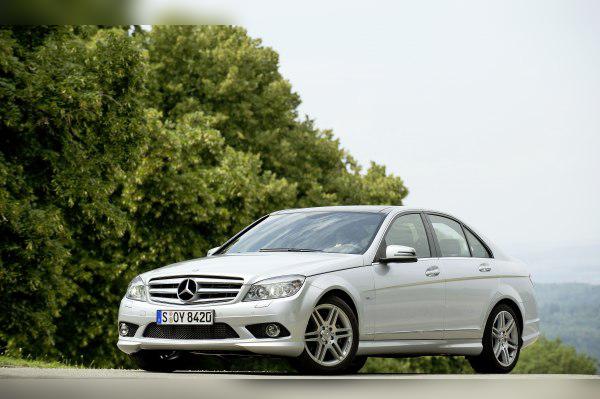
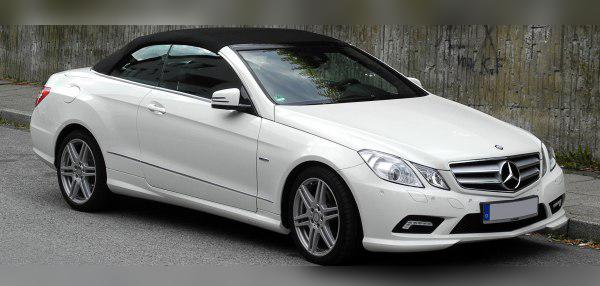
Mercedes M 271.860 (1.8 CGI Turbo 204 hp): Experiences, problems, fuel consumption and used-car buying tips
Key points (TL;DR)
- Performance and refinement: An excellent engine that moves the C and E-Class with ease, offering linear power delivery thanks to the turbocharger.
- Biggest weakness – Timing chain and cam phasers: The single-row chain is a serious flaw. It tends to stretch already around 80,000–100,000 km, and replacement is quite expensive (depends on the market).
- Fuel injection system: This is CGI (direct injection) technology. It is sensitive to poor-quality fuel, and the high-pressure pump can cause issues.
- LPG (autogas) conversion: Very complex and expensive due to direct injection. Not recommended.
- Transmissions: Mostly paired with 5G-TRONIC and 7G-TRONIC PLUS automatics. Regular oil changes (every 60,000 km) are crucial for the longevity of the valve body and torque converter.
- Fuel consumption: Expect around 10–12 liters in pure city driving, depending on vehicle weight.
Contents
- Introduction: About the model and engine
- Technical specifications
- Reliability and maintenance
- Specific parts (costs)
- Fuel consumption and performance
- Additional options and modifications
- Transmission and drivetrain
- Buying used and conclusion
Introduction: About the model and engine
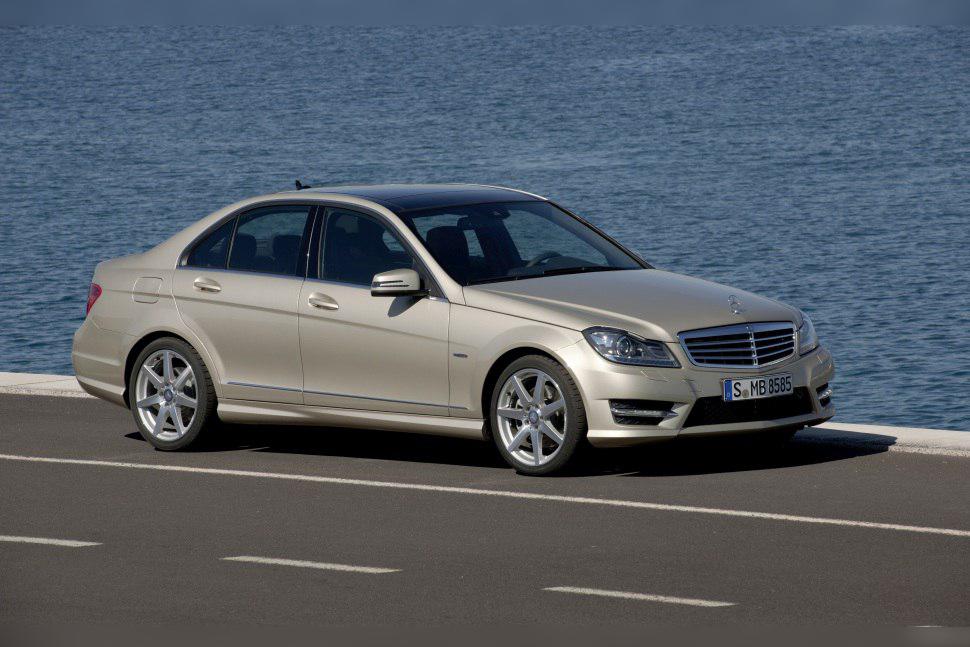
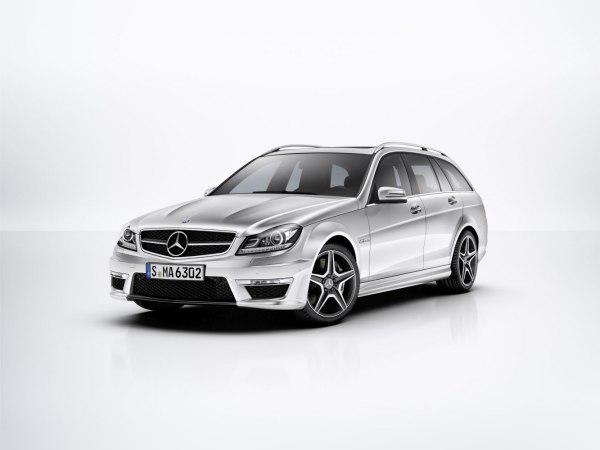
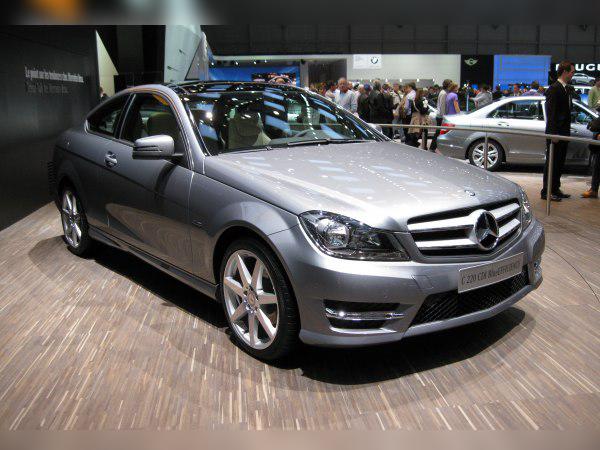
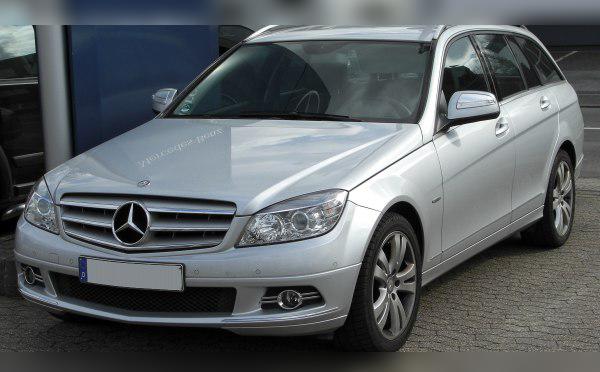
The M 271.860 engine represents the evolution of the famous M271 series of Mercedes four‑cylinders. While older models (such as those labeled Kompressor) used a mechanical supercharger, this generation (M271 EVO) switched to a turbocharger and direct fuel injection (CGI). With 204 hp (150 kW) and 310 Nm of torque, this is one of the most desirable petrol engines in the W204 C‑Class and W212 E‑Class.
This powerplant was designed to offer V6 performance but with the fuel consumption of a smaller four‑cylinder. Although it behaves excellently on the road, engineering decisions such as the single‑row chain and sensitive CGI system require a careful owner who will not skimp on maintenance.
Technical specifications
| Parameter | Specification |
|---|---|
| Engine designation | M 271.860 (M271 EVO) |
| Engine displacement | 1796 cc |
| Power | 150 kW (204 hp) |
| Torque | 310 Nm |
| Fuel type / Injection | Petrol / CGI (direct injection) |
| Charging | Turbocharger (IHI) with intercooler |
| Timing drive | Chain (single‑row) |
Reliability and maintenance
Timing belt or chain? Most common failures
This engine uses a timing chain, and that is its biggest Achilles’ heel. Instead of the robust double‑row chain that used to be fitted, Mercedes opted here for a single‑row chain. It is extremely prone to stretching already between 80,000 and 100,000 km. The camshaft sprockets (the so‑called cam phasers) are also made of softer material, so their teeth wear quickly if a stretched chain is not replaced in time.
Symptoms: You will hear a metallic rattle at the first cold start of the engine, lasting 3 to 5 seconds (until the tensioner gets oil pressure). If you ignore this, the chain can jump, resulting in valves hitting pistons – a failure that is very expensive to repair (depends on the market).
Major and minor service, oil and spark plugs
A classic “major service” is not done at a fixed interval because the engine has a chain, but in practice, replacement of the chain, tensioner, guides and cam phasers represents a serious expense that awaits you around 100,000 km. The oil must be changed strictly every 10,000 to a maximum of 15,000 km. The engine takes about 5.5 liters of oil, and the recommended grade is 5W‑30 or 5W‑40 (mandatory MB 229.5 approval).
Oil consumption: Turbo engines with direct injection tend to consume oil. Normal consumption is considered to be 0.5 to 1 liter between services. Anything above that points to a problem with the turbocharger, valve stem seals or crankcase ventilation system (PCV valve).
As for the spark plugs, they are replaced at around 60,000 km. Since this is CGI technology, the spark is crucial for proper ignition of the stratified mixture, so always use original or top‑quality replacement plugs (NGK, Bosch).
Specific parts (costs)
Dual‑mass flywheel and clutch
The 204 hp version of this engine is in over 95% of cases paired with an automatic transmission. Automatics do not have a conventional dual‑mass flywheel; instead they use a torque converter (converter). If by some miracle you come across a manual transmission in a C‑Class with this engine, yes, it does have a dual‑mass flywheel whose replacement is expensive (depends on the market).
Injection system and injectors
The CGI system (Stratified Charged Gasoline Injection) uses direct petrol injection at high pressure straight into the cylinders. The injectors are very precise but also sensitive to poor‑quality petrol. If the car idles roughly, jerks under acceleration or shows “misfire” errors on diagnostics, the injectors may be the problem.
An even bigger weak point is the high‑pressure fuel pump (HPFP). It can start leaking internally and begin mixing petrol with engine oil. Symptom: A sudden rise in the “oil” level on the dipstick and a strong smell of petrol under the oil filler cap. This immediately compromises lubrication of the chain and crankshaft!
Turbocharger
The engine is equipped with a single IHI turbocharger with an intercooler. The turbo’s design is excellent and, with regular oil services, it easily exceeds 200,000 km. The biggest problem for the turbo is a clogged PCV system (crankcase breather), which can lead to pressure build‑up and seal failure in the turbo, causing the engine to start burning oil (bluish smoke from the exhaust).
DPF, EGR and AdBlue
Since this is a petrol engine, it DOES NOT HAVE a DPF filter or AdBlue system – those systems are reserved exclusively for diesels. Instead of an EGR valve and DPF, this engine has a catalytic converter and EVAP system, which generally rarely cause problems if the engine is burning the mixture properly.
Fuel consumption and performance
City driving and power‑to‑weight ratio
With its 310 Nm available from low revs, this engine is anything but “sluggish”, even in the hefty E‑Class (W212/S212) which weighs over 1.6 tons. Driving is smooth, throttle response is quick thanks to the turbocharger. Real‑world consumption in heavy city traffic is between 10.5 and 12.5 liters per 100 km, depending on whether it’s the lighter C‑Class or the heavier E‑estate (T‑Modell).
Behavior on the motorway
On the motorway this engine really shines. Fuel consumption drops dramatically to about 6.5–7.5 liters. At a cruising speed of 130 km/h in top gear (especially with the 7G‑TRONIC PLUS transmission), the engine spins at a very relaxed 2,200 to 2,400 rpm. The cabin is extremely quiet, and there is always plenty of power for overtaking.
Additional options and modifications
LPG (autogas) conversion
Is the M 271.860 suitable for LPG? We absolutely do not recommend it. Due to the direct CGI injection, the injectors are located inside the combustion chamber and are cooled by the flow of petrol. If you were to install a standard LPG system, the petrol injectors would melt. Installing specific systems for direct injection (which inject liquid gas or constantly use up to 20% petrol for cooling) is a very expensive investment (depends on the market) and often never pays for itself.
Chip tuning (Stage 1)
This turbo engine responds very well to remapping. The stock M 271.860 with 204 hp is already quite squeezed compared to weaker versions (156 or 184 hp), but with a safe Stage 1 remap you can extract an additional 30 to 35 hp and about 50 Nm of torque (for a total of around 235–240 hp and 360 Nm). It is very important that this is done by a reputable tuner due to the pistons’ sensitivity to lean mixtures.
Transmission: failures and maintenance
Depending on model year and class, the M 271.860 (250 CGI/BlueEFFICIENCY) is mainly paired with two types of automatic transmissions:
- 5G‑TRONIC (722.6): Older and incredibly robust technology. The most common failures include the sensor plate inside the transmission (valve body / conductor plate) that gets contaminated with oil, as well as worn valves. The repair is routine and moderately expensive (depends on the market).
- 7G‑TRONIC PLUS (722.9): A more modern, faster and more economical transmission. It offers better flexibility but is more sensitive. Known issues include problems with the transmission control module (TCM) and jerks when shifting from 3rd to 2nd gear, which often indicate issues with valves in the valve body or a worn torque converter.
Transmission service: Do not fall for stories about “lifetime fill” oil. On both transmissions, oil and filter changes are mandatory every 60,000 km to avoid huge overhaul costs.
Buying used and conclusion
What to check on the lot?
- Cold start: This is the golden rule! Ask the seller not to start the car before you arrive. When you crank it, listen to the front of the engine. A metallic rattle lasting a few seconds means the chain is already due for replacement.
- Smell of the oil: Unscrew the engine oil filler cap and smell it. If there is a strong smell of petrol, the HPFP is leaking fuel.
- Diagnostics (STAR): Always hook the car up to original Mercedes diagnostics. Check for errors related to camshaft position (camshaft timing errors), which is another indicator of a stretched chain or bad cam phasers.
- Transmission on a test drive: Under acceleration and gentle braking (approaching a traffic light), the transmission must shift absolutely smoothly. Any “kick” in the back or hesitation is a red flag.
Final conclusion
Who is this engine for? The Mercedes C250 and E250 with the M 271.860 engine are ideal for drivers who want strong performance and smooth, refined petrol driving, but do not cover huge mileages that would justify a diesel. This is a fantastic engine, but it requires a budget ready for work on the chain and cam phasers as soon as you buy a used example, unless the seller has an invoice showing that this has been done recently. If you buy a neglected car, repairs will be very expensive, whereas a regularly maintained M271 EVO will reward you with hundreds of thousands of kilometers of comfortable driving.