Mercedes M 271.946 (1.8 Kompressor, 143 HP): Experiences, issues, fuel consumption and used-car buying tips
Key points in short (TL;DR)
- Weak timing system: The single-row chain is this engine’s biggest flaw; it tends to stretch and jump teeth.
- Oil leaking into the wiring: Camshaft magnets can leak oil, which then travels capillarily all the way to the ECU.
- Reliable supercharger: Unlike sensitive turbochargers, the mechanical supercharger (Eaton) is extremely durable with basic maintenance.
- Excellent for LPG: Thanks to classic indirect injection (MPI), LPG conversion is cost-effective and generally trouble-free.
- Transmissions: The famous 5G-Tronic automatic is virtually indestructible if serviced regularly, while manuals require checking the dual-mass flywheel.
- Conclusion: A great and comfortable engine for everyday driving, provided you buy a car with the timing already done, or you’re ready to cover that cost immediately after purchase.
Contents
- Introduction: A legendary predecessor, modernized
- Technical specifications
- Engine reliability and maintenance
- Specific components and charging system
- Fuel consumption, performance and LPG
- Transmissions: Automatic and manual
- Buying used and final verdict
Introduction: A legendary predecessor, modernized
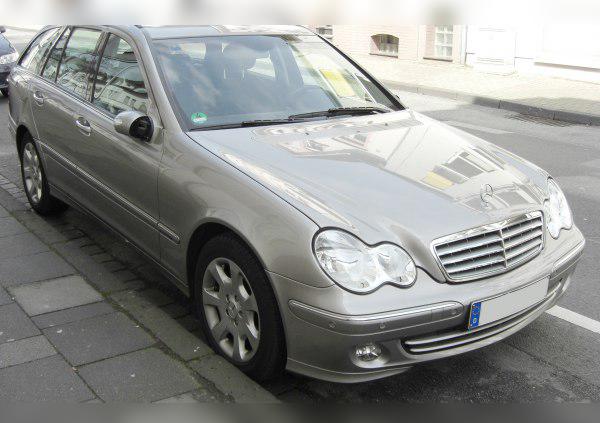
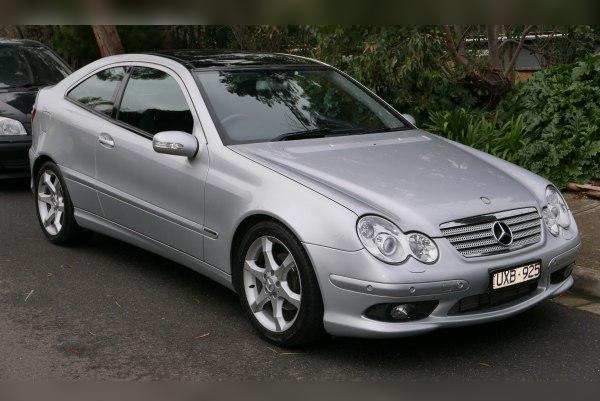
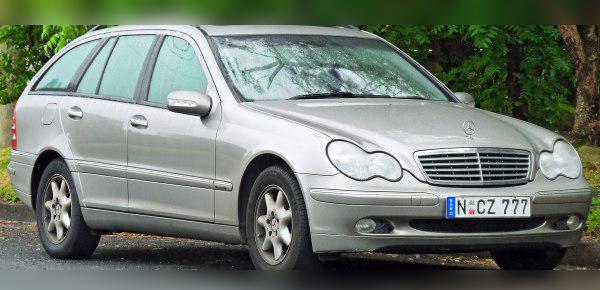
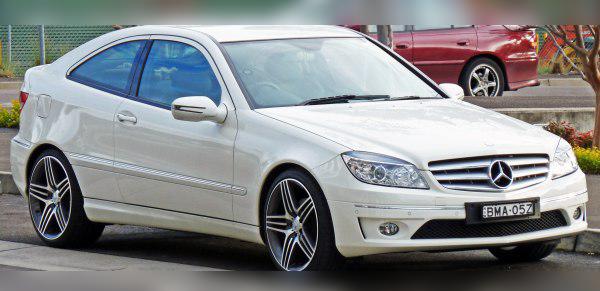
The engine designated M 271.946 formed the backbone of the engine lineup in Mercedes’ C-Class (W203 and S203 wagon), Sport Coupe models (CL203), and later the CLC. Developed to replace the indestructible but rougher and thirstier M111 engines, the M271 brought smoother operation, lower weight and better efficiency. Even though the badge on the trunk says "180" or "200", under the hood you actually get an aluminum block with a displacement of 1.8 liters (1796 cc), assisted by a mechanical supercharger. The 105 kW (143 HP) version is the entry point into the M271 family, designed primarily for smooth and comfortable driving rather than street racing. However, the move to a more modern architecture also introduced certain “childhood diseases” every future owner needs to be aware of.
Technical specifications
| Parameter | Data |
|---|---|
| Engine displacement | 1796 cc (1.8 L) |
| Power | 105 kW (143 HP) |
| Torque | 220 Nm (from 2500 rpm) |
| Engine code | M 271.946 |
| Injection type | Indirect (MPI - Multi-Point Injection) |
| Charging type | Mechanical supercharger with intercooler |
| Cylinder layout | Inline, 4 cylinders, 16 valves |
Engine reliability and maintenance
Problematic timing system (chain)
This is topic number one on every forum and in every workshop when the M271 is mentioned. The engine uses a timing chain to drive the camshafts, and it’s a single-row chain. Unfortunately, engineers compromised here to reduce friction and fuel consumption, so this chain is very prone to stretching. Symptoms of wear are a metallic rattle or clatter from the front of the engine during a cold start (lasting a few seconds until the tensioner gets oil pressure). If this is ignored, the chain can jump teeth, which leads to catastrophic engine failure and valves hitting the pistons. That’s why the “major service” (i.e. replacement of the chain, tensioner and guides) is not done strictly by the factory’s official interval, but preventively every 80,000 to 100,000 km, or earlier if any noise is heard. A complete chain kit is expensive (depends on the market), especially if the camshaft phasers (camshaft sprockets) are also damaged, as they wear out quickly when the chain is stretched.
Camshaft magnets and “oil in the wiring loom”
The second most common failure on this engine involves the sensors, i.e. the camshaft actuator magnets located at the very front of the engine. Over time they start leaking engine oil through the connectors. The oil then travels capillarily along the wires directly to the ECU and lambda sensors. Once the ECU is soaked with oil, you get strange fault codes, jerking and stalling. The driver can prevent this with a simple visual inspection of the connectors at the front of the engine, and by installing special “separator harnesses” (so-called pigtails) as a preventive measure, which stop the oil from traveling further into the wiring loom.
Oil service and oil consumption
The sump of this engine holds exactly 5.5 liters of oil. High-quality synthetic oil of grade 5W-30 or 5W-40 is recommended, meeting Mercedes specifications MB 229.3 or 229.5. The oil change interval should be strictly kept at 10,000 to a maximum of 15,000 km, precisely because of the chain’s sensitivity to old oil. As for oil consumption, the M271 is not known as an “oil burner”, but moderate consumption is present. It is considered normal for the engine to use between 0.5 and 1 liter of oil between two services. If consumption exceeds this, the usual culprits are hardened valve stem seals (common due to high operating temperatures) or the oil separator (PCV valve) located under the supercharger.
Spark plugs and ignition
Since this is a petrol engine, regular spark plug replacement is crucial for smooth operation and avoiding misfires. The recommended interval for quality iridium or platinum plugs is every 60,000 km. Faulty plugs quickly destroy the ignition coils (there are 4, one per cylinder), so regular maintenance of this system is a must.
Specific components and charging system
Supercharger versus turbocharger
One of this engine’s best features is its air charging system. Instead of a turbocharger that spins at extreme speeds and is heated by exhaust gases, the M 271.946 uses a mechanical supercharger (most often an Eaton M65). It is driven by a belt directly from the crankshaft. The result is instant throttle response with no turbo lag. Superchargers are extremely robust and rarely fail. Their service life often outlasts the car itself, but many owners make a big mistake by never changing the special oil inside the supercharger. It is recommended to check and replace the supercharger oil at around 150,000 km. A “whining” sound when accelerating is normal for a supercharger, but if it turns into a grinding noise, the internal bearings are nearing the end of their life.
Injection system and emissions
To the delight of many buyers, the 143 HP version uses classic MPI (Multi-Point Injection) into the intake manifold. The injectors are very durable and reliable, unlike later CGI models with direct injection. If a problem does occur, ultrasonic cleaning usually solves it, and replacement is not expensive. Since this is an older-generation petrol engine, it doesn’t have a troublesome DPF filter or AdBlue system that gives modern diesel owners headaches. There is an EGR system (the so-called secondary air system), but it rarely clogs to the point of affecting engine operation; at worst it may trigger a “Check Engine” light due to a dirty valve, whose cleaning is a routine job.
Fuel consumption, performance and LPG
Is the engine “lazy” and what is the fuel consumption like?
With its 143 HP and 220 Nm of torque, this is the base engine in the Kompressor lineup. Thanks to the linear power delivery from the supercharger, the engine provides very smooth driving. However, the heavy C-Class body (especially the W203 wagon) takes its toll. The car cannot be called sporty; for dynamic overtaking you need to rev the engine higher. In city stop-and-go traffic it is pleasant to drive, but fuel consumption is noticeable. Real-world consumption in urban conditions ranges between 10 and 12 l/100 km. On the motorway things are much better; at 130 km/h the engine cruises at a quiet and relaxed 2800–3000 rpm (depending on the gearbox), with fuel consumption around 7.5 l/100 km.
LPG conversion and remapping
The MPI-equipped M271 is a fantastic candidate for LPG conversion. Given petrol prices, this is a very popular modification. You need to install a quality sequential LPG system with a suitable vaporizer that can cope with the supercharger’s pressure. When the system is properly mapped, the power loss is barely noticeable, while the financial savings are huge.
As for remapping (“Stage 1” software tuning), the results are disappointing. Unlike turbo engines where software alone can add 30–40 HP, on a mechanically supercharged engine the boost depends on the pulley ratio. With software changes only, you’ll gain at most 10–15 HP through ignition and minor tweaks, which is barely noticeable. For a serious power increase you need a smaller supercharger pulley (a so-called pulley kit), which is expensive and puts additional stress on the already sensitive timing chain.
Transmissions: Automatic and manual
This engine was paired with 6-speed manual and 5-speed automatic gearboxes.
Manual gearbox (6-speed) and dual-mass flywheel
The manual gearboxes are mechanically durable, but on pre-facelift models (before 2004) drivers often complain about an imprecise gear lever and a “rubbery” feel when shifting. An important point: all manual models with this engine have a dual-mass flywheel. Its job is to dampen vibrations, but when it wears out (symptoms: shuddering when setting off, knocking when switching the engine off), replacing the complete clutch kit together with the dual-mass flywheel is very expensive (depends on the market). As a preventive measure, the oil in the manual gearbox should be changed every 100,000 km.
Automatic gearbox (5G-Tronic / 722.6)
This is the legendary Mercedes torque-converter automatic. It greatly contributes to the luxurious driving feel and matches this engine’s character perfectly. The factory once declared it “sealed for life”, which led to many failures. Real-world experience has proven that the oil and filter in the automatic gearbox must be changed strictly every 60,000 km. If maintained properly, the gearbox mechanics are practically indestructible. The most common issues are related to the electronic conductor plate (often called the valve body plate), which fails due to deposits or ageing contacts (the gearbox gets stuck in second gear), as well as oil leaks at the main gearbox connector. Repairing the conductor plate is moderately expensive (depends on the market).
Buying used and final verdict
What to check before buying?
When you go to inspect a W203 or CL203 with this engine, the following checks are mandatory:
- Cold start: Ask the seller not to start the car before you arrive. Open the bonnet and listen at the moment of starting. Any metallic rattling or scraping lasting 2–3 seconds means the chain needs urgent replacement.
- Magnets at the front of the engine: Remove the plastic engine cover. Reach in and feel the camshaft sensor wires. If they are oily, the wiring loom is probably already contaminated. Unplug the magnet connector – if there is oil inside, demand a lower price.
- Diagnostics: Reading fault codes is a must. Errors related to camshaft position can indicate a stretched chain or worn phasers, which is the most expensive possible failure.
- Idle quality: The engine should idle extremely smoothly. Vibrations point to an intake air leak (often a cracked hose from the oil separator under the air filter/supercharger).
Who is this engine for?
The 143 HP Mercedes M 271.946 is aimed at relaxed drivers who value refinement, cabin quietness and the long service life of peripheral engine components (supercharger, injectors). It is an excellent choice for those who cover high mileages and plan to install LPG, which can make this car as economical as a small city diesel. However, it is not for drivers seeking sporty aggression. The biggest risk lies in the timing system. If, when buying, you set aside a budget for a quality chain replacement and install protective harnesses for the magnets, this engine can serve you for hundreds of thousands of kilometers without major unpleasant surprises.