Mercedes Engine M 274.920 (2.0 Turbo 211 HP): Ownership Impressions, Issues, Fuel Consumption and Used-Buying Guide
Key points (TL;DR):
- Reliable turbocharged petrol engine that has proven itself very well in the C and E-Class, offering an excellent balance of performance and fuel economy.
- It uses a timing chain, but on pre-2015 models there have been issues with the camshaft phase adjusters.
- No worries about DPF filters or AdBlue systems because this is a petrol engine, but due to direct injection, carbon buildup can occur on the intake valves.
- LPG (autogas) conversion is not recommended and is very expensive due to the direct injection system.
- It is paired exclusively with automatic transmissions (7G and 9G-Tronic), for which oil changes are mandatory every 60,000 - 80,000 km.
- Hybrid versions (300e, 350e) drastically reduce fuel consumption in city driving, but add significantly more weight and the risk of an expensive battery replacement on used cars.
Contents:
- Introduction: About the M 274.920 Engine
- Technical Specifications
- Reliability and Maintenance
- Specific Components and Common Failures
- Fuel Consumption and Performance
- Additional Options and Modifications
- Transmission and Drivetrain
- Buying Used and Conclusion
Introduction: About the M 274.920 Engine
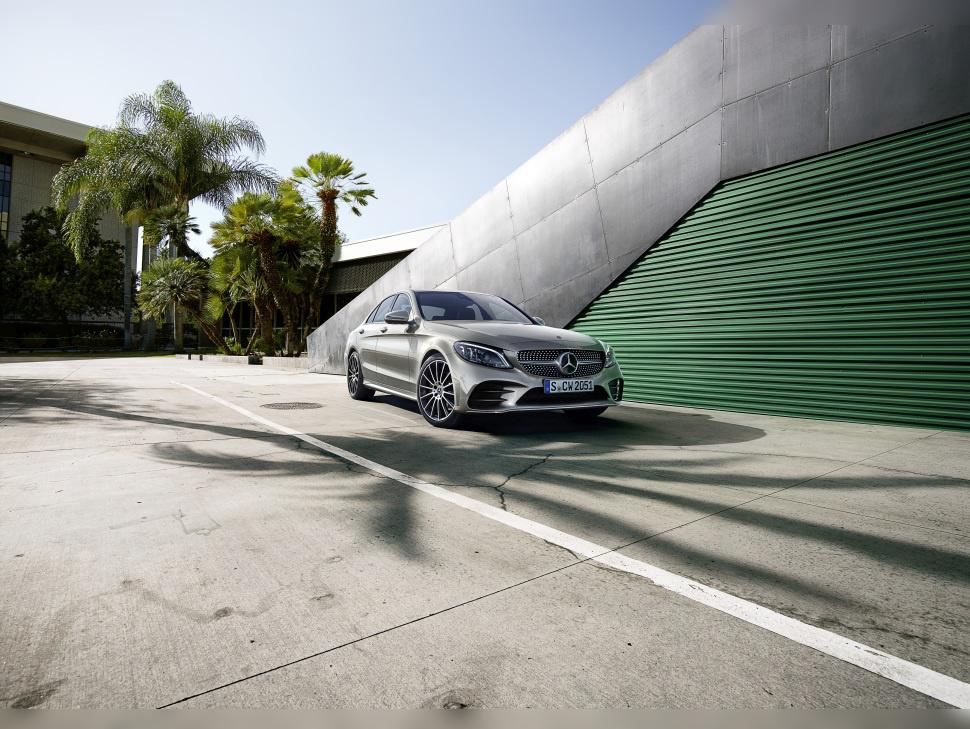
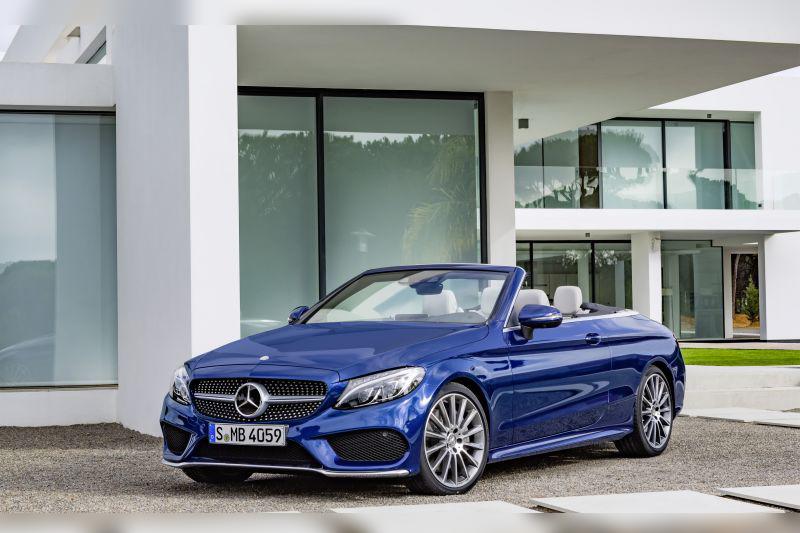
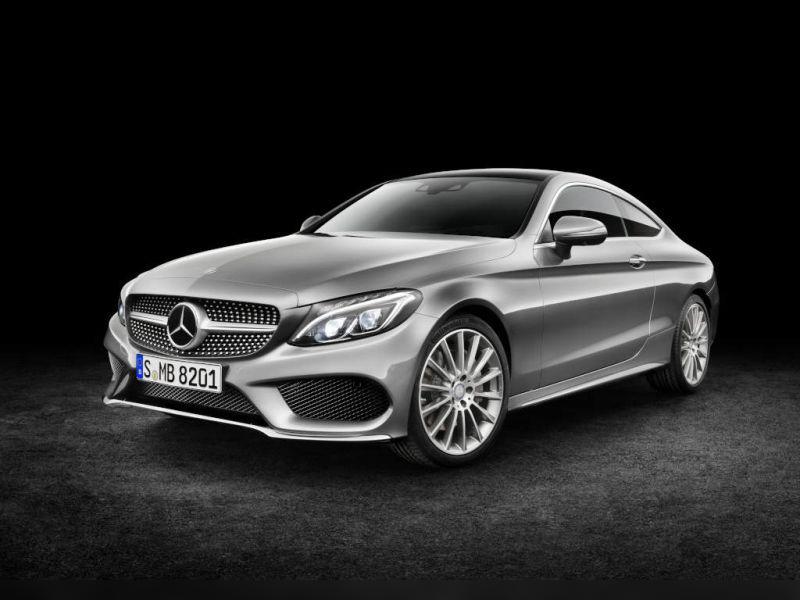
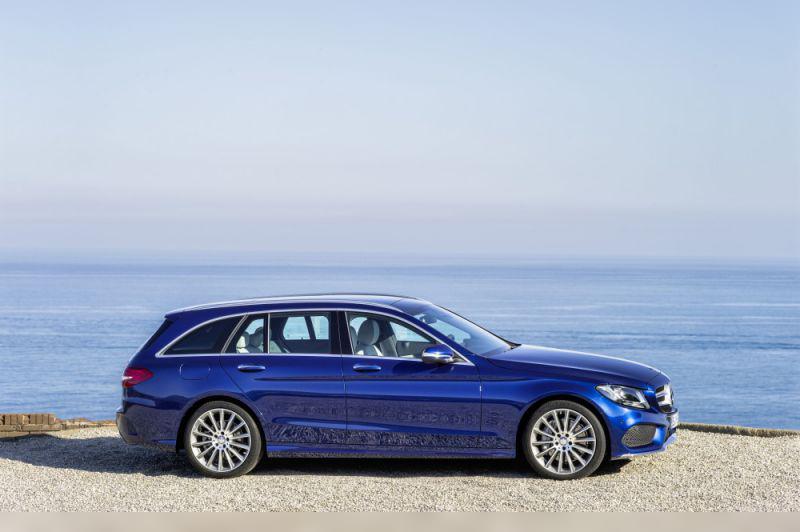
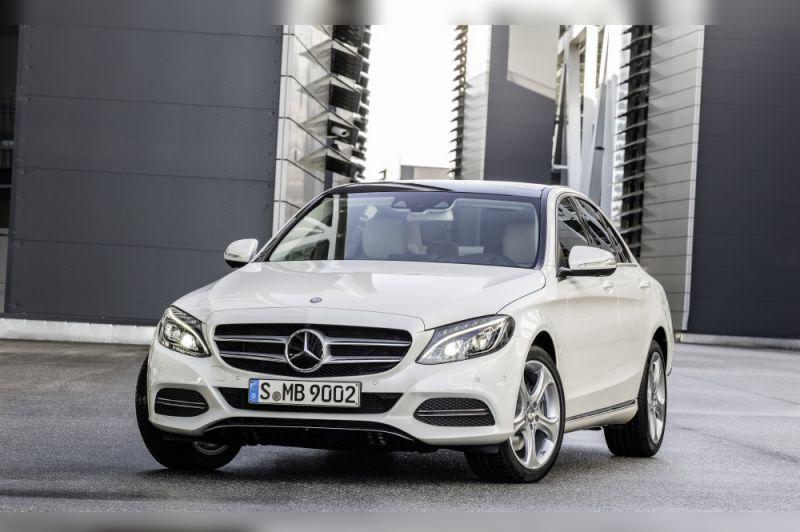
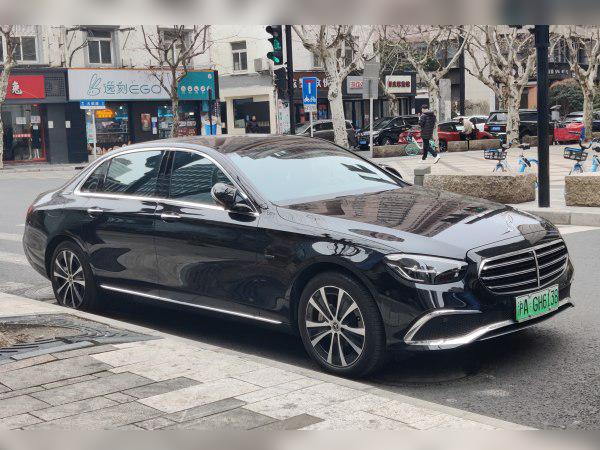
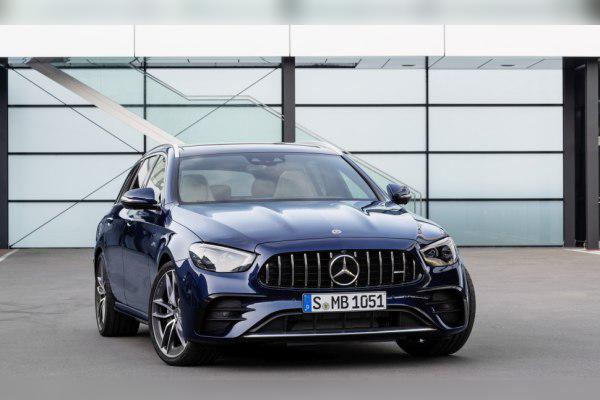
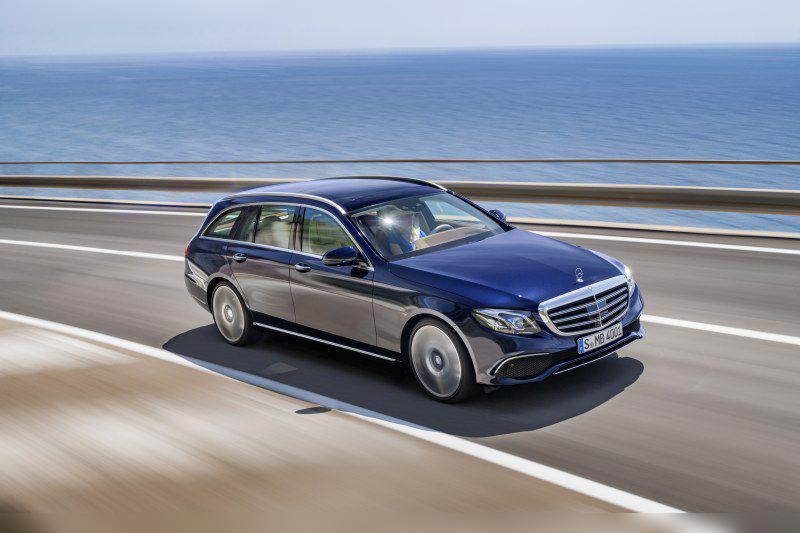
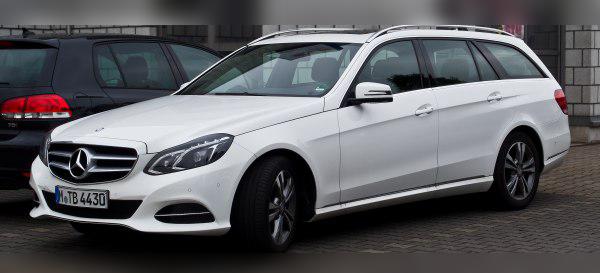
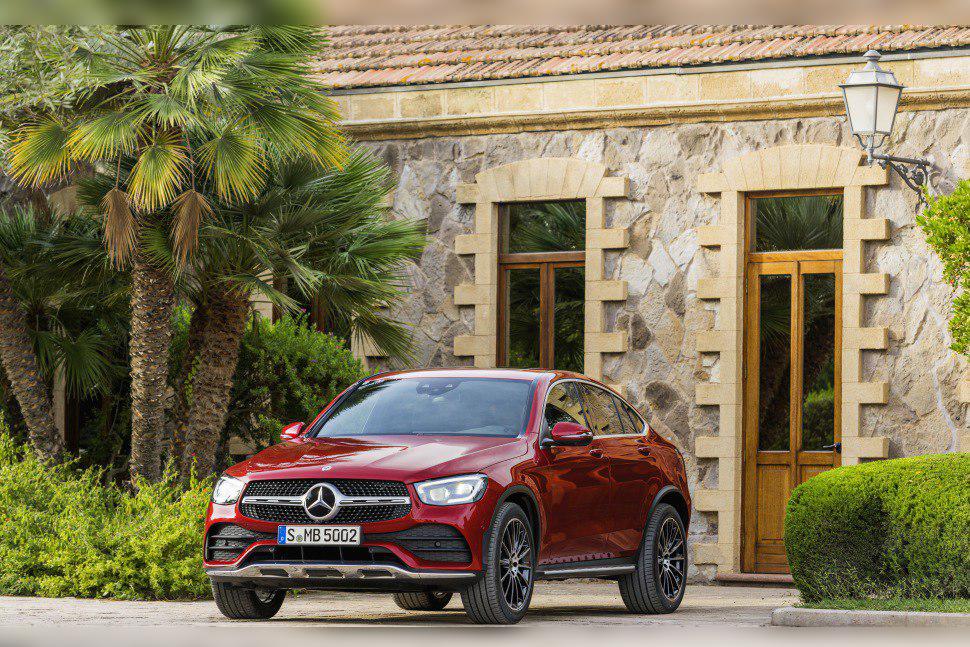
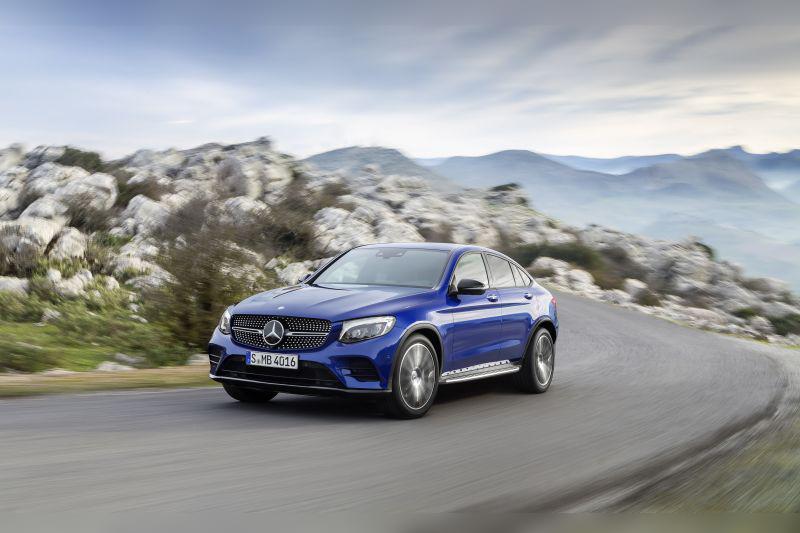
The M 274.920 is a 2.0-liter four-cylinder petrol engine that formed the backbone of Mercedes’ lineup throughout the previous decade. Whether you’re buying an elegant C-Class (W205), a robust GLC or a luxurious E-Class (W213), there’s a very good chance that this 211 HP unit is hiding under the bonnet.
This engine is particularly important because it served as the basis for Mercedes’ first mass-produced generation of plug-in hybrid vehicles (badged 300e and 350e). In the hybrids, the electric motor is integrated into the transmission housing, raising total output to over 320 HP, turning these cars into serious performers, but with specific maintenance requirements.
Technical Specifications
| Specification | Value |
|---|---|
| Displacement | 1991 cc (2.0 liters) |
| Power (ICE only) | 155 kW (211 HP) |
| Torque (ICE only) | 350 Nm |
| Engine code | M 274.920 |
| Injection type | Direct injection (CGI – piezo injectors) |
| Forced induction | Turbocharger with intercooler |
| Hybrid system (on selected models) | EQ Power / Plug-in Hybrid (total output up to 333 HP depending on model) |
Reliability and Maintenance
Does this engine use a timing belt or a chain?
The M 274 engine uses a timing chain, not a belt. The chain is located at the front of the engine, which makes access easier for a mechanic if needed. Although Mercedes designed this chain for a long service life, it is not indestructible.
What are the most common issues with this engine?
As a technical editor, I’ve seen hundreds of these engines in workshops. The biggest weakness of early models (up to 2015) are the camshaft phase adjusters (often referred to by mechanics as “VANOS” gears). When these sprockets wear out, the driver will hear a distinct metallic rattle or grinding noise from the front of the engine on cold start, lasting 2–3 seconds. Later, the Check Engine light will come on (camshaft position sensor fault).
In addition, there are frequent issues with the water pump (coolant leaks, so you may notice the smell of antifreeze around the bonnet) and the PCV valve (oil separator), which can cause rough idle and increased oil consumption.
At what mileage is the “major service” due?
Since the engine uses a chain, there is no classic “major service” at a fixed mileage like on belt-driven engines. However, a chain and cam adjuster inspection is recommended at around 150,000 km. If rattling is present, the complete timing set with guides, tensioner and adjusters should be replaced. This is an expensive job (cost varies by market).
How much oil does this engine take and which grade?
The engine takes about 6.5 to 7.0 liters of oil. Fully synthetic oil of grade 5W-30 or 5W-40 that meets the Mercedes MB 229.5 specification is strongly recommended. On hybrid versions, always follow the exact spec, as the engine frequently starts and stops and needs oil that provides rapid cold lubrication.
Oil consumption
The M 274 can consume some oil between services, which is typical for modern turbocharged petrol engines. An oil consumption of 0.5 to 1 liter per 10,000 km is considered normal. If consumption is higher, the main suspects are the oil separator (PCV) or, less commonly, the turbocharger itself.
Spark plug replacement
Due to the direct injection system, where the engine often runs on a lean mixture, the spark plugs are exposed to higher thermal loads. The replacement interval is 60,000 to 80,000 km. If you delay this, the driver will notice hesitation or jerking under acceleration (misfires), which can permanently damage the ignition coils and the catalytic converter.
Specific Components (Costs)
Does this engine have a dual-mass flywheel?
In the listed models, this engine is paired exclusively with automatic transmissions featuring a hydraulic torque converter. A conventional dual-mass flywheel, as found on manual gearboxes, is not used. However, on plug-in hybrid models (300e, 350e), there is an electric motor and a specific wet clutch between the internal combustion engine and the gearbox to decouple the ICE. Repairs on this hybrid assembly are very expensive (cost varies by market).
Fuel injection system
The injection system is direct, with sophisticated piezo injectors. Because they are sensitive to poor-quality fuel, the injectors can occasionally fail; symptoms include hard starting, a knocking sound from the engine, or a strong smell of unburnt petrol from the exhaust. New injectors are very expensive (cost varies by market).
Turbocharger and its service life
The engine uses a single turbocharger. Its service life is excellent and it can easily reach over 200,000 km provided that high-quality oil is changed regularly. After motorway driving, let the engine idle for about 30 seconds before switching it off so that the oil can cool the turbo shaft.
DPF, EGR and AdBlue – are they fitted?
Because this is a petrol engine, you can forget the diesel nightmares! This engine does not have a DPF filter or an AdBlue system. The EGR function (exhaust gas recirculation) is achieved via valve overlap controlled by the cam phase adjusters. The real downside of direct injection on the M 274 is carbon buildup on the intake valves. Roughly every 100,000 km, a “walnut blasting” intake cleaning is recommended to restore the engine’s original performance.
Fuel Consumption and Performance
City fuel consumption
If you drive purely on petrol (C250, E250, GLC 250), you can expect real-world city consumption of around 10 to 12 l/100 km in heavy traffic.
If you have a hybrid (C300e, E300e, GLE350e), as long as there is charge in the battery, city consumption can be as low as 0 to 3 l/100 km. However, once the battery is depleted, you’re hauling an extra 200–300 kg of dead weight in the boot, and petrol consumption can easily exceed 12 l/100 km.
Performance by body style
In the relatively light C-Class (C250), this engine turns the car into a small rocket – it feels very lively and anything but sluggish. In the E-Class it provides perfectly adequate, relaxed acceleration for a luxury saloon.
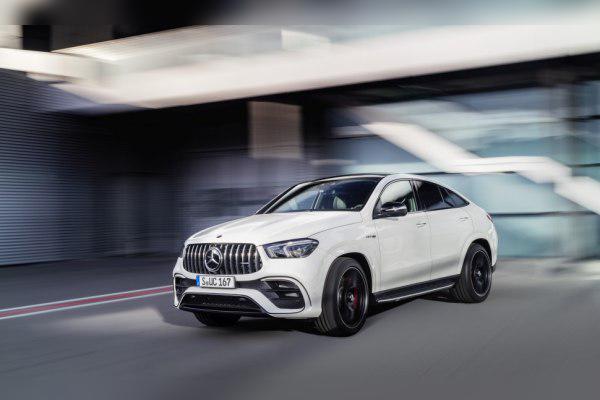
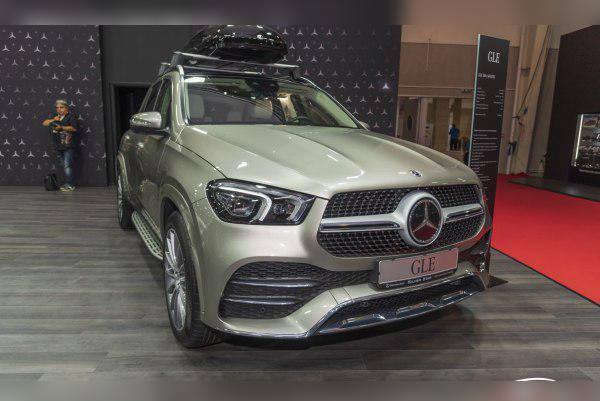
However, in heavier SUV models like the GLC and especially the GLE (V167), a basic 2.0-liter engine would be working too hard (it would feel “lazy”). That’s why in the GLE these engines are combined with a hybrid system (350e), where the electric motor delivers instant torque from a standstill to mask the nearly 2.5-tonne curb weight.
Motorway behavior
This is where it really shines as a long-distance cruiser. At 130 km/h, thanks to the 9G-Tronic transmission, the engine is barely ticking over at 1,800 to 2,000 rpm. Fuel consumption then is an excellent 6.5 to 7.5 l/100 km. Inside the cabin, the engine is virtually inaudible.
Additional Options and Modifications
Should you install LPG (autogas)?
My advice: Avoid LPG conversion on this engine. Because fuel is injected directly into the cylinder (with petrol injectors acting as plugs that are exposed to extreme temperatures and must be cooled by petrol), standard sequential LPG systems are not suitable. You would need a very expensive system (cost varies by market) that injects liquid gas directly through the petrol injectors (LDI system), or a system that uses both LPG and petrol at the same time. The savings are questionable, and the risk of engine damage is high.
Chip tuning (Stage 1)
This is the good news! The 211 HP M 274 responds brilliantly to software tuning. With a safe Stage 1 remap, power increases to around 245 to 260 HP, and torque rises to about 400 to 420 Nm. The engine handles this very well, but keep in mind that the transmission (especially the older 7G) can become harsher if you push the torque limits too far. On plug-in hybrids, it’s best to avoid increasing power due to the complex synchronization between the petrol engine and the electric motor.
Transmission
Types of transmission
All vehicles on the list are equipped exclusively with Mercedes automatic transmissions:
1. 7G-TRONIC PLUS (used mainly up to around 2016/2017)
2. 9G-TRONIC (its 9-speed successor, standard on newer and facelift W205/W213 models).
Common issues and transmission maintenance
On the 7G-Tronic, a common symptom of trouble is noticeable jolting or a thump when slowing down (during downshifts from 3rd to 2nd or from 2nd to 1st gear). This is usually resolved by a software update or by cleaning/replacing the mechatronics unit and solenoids (which can be quite expensive).
The newer 9G-Tronic is much more robust, faster and smoother, but requires stricter maintenance.
Servicing the automatic transmission (oil and integrated filter in the transmission pan) is absolutely mandatory every 60,000 to 80,000 km. Do not believe the myths about “lifetime fill” or “sealed for life”. On the 9G, the service includes a new plastic pan and a specific low-viscosity fluid, which makes this routine procedure relatively costly (price varies by market).
Buying Used and Conclusion
What exactly should you check before buying?
- Cold-start sound test: Insist that the seller does not start the car before you arrive. The first start of the day must be chain-quiet. Any metallic scraping or knocking indicates an imminent timing chain and cam adjuster (VANOS) replacement.
- Diagnostics (Xentry/Star): Always connect the original Mercedes diagnostic tool. Look for camshaft–crankshaft synchronization errors and faults related to thermostat operation.
- Smell of oil and fuel: Remove the plastic engine cover. Check for oil around the valve cover and for dried red/blue antifreeze around the water pump at the front of the block.
- Battery on hybrids (e-models): If you’re buying a C300e, C350e or E300e, make sure to check the high-voltage battery’s State of Health. If the battery is degraded below the operational threshold, the car will drive like a regular petrol with a lot of dead weight in the boot, and battery replacement is extremely expensive.
Who is this engine for?
As a technical editor, my conclusion is this: the 211 HP M 274.920 is an excellent choice for C and E-Class drivers who cover between 15,000 and 20,000 km per year, drive mostly in the city and on shorter open-road trips, where a modern diesel with a DPF would quickly suffer.
It offers the refinement, quietness and performance you expect from a true premium saloon. However, used buyers looking at early production years (2014–2016) should set aside a budget for a potential timing system overhaul. If you pair it with the 9G-Tronic transmission, you get one of the smoothest petrol powertrain packages on today’s market.