Mercedes M 274.920 (2.0 Turbo 245 HP) – Experiences, problems, fuel consumption and used-car buying tips
- Powerful and flexible: With 245 HP and 370 Nm, this engine offers sports-sedan performance with refined operation.
- Timing chain needs attention: The best-known weak point of this engine is the camshaft phase adjusters and timing chain stretch at mileages over 100,000 km.
- Automatic only: It is paired exclusively with 7G-TRONIC PLUS and 9G-TRONIC automatic gearboxes; the 9G is noticeably faster and more economical.
- Turbocharger is reliable: With regular oil changes, the factory IHI turbo easily covers 150,000–200,000 km.
- Not suitable for LPG: Due to the high-pressure direct injection system, LPG conversion is very expensive and not cost-effective.
- Transmission maintenance is crucial: Servicing the automatic every 60,000 to 80,000 km protects you from failures that fall into the “very expensive” category.
Contents
- Introduction: A star in the mid-size segment
- Technical specifications
- Reliability, failures and maintenance
- Specific parts and costs
- Fuel consumption and performance
- LPG and chiptuning
- Transmissions: 7G vs 9G TRONIC
- Buying used and conclusion
Introduction: A star in the mid-size segment
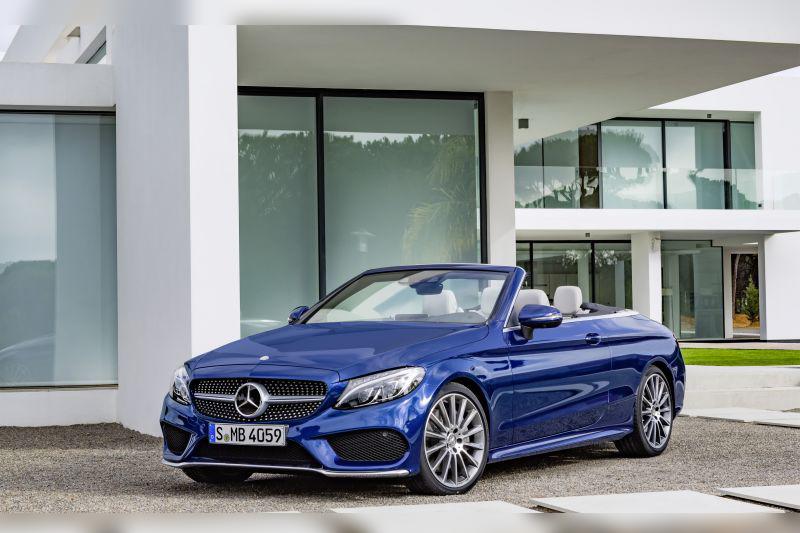
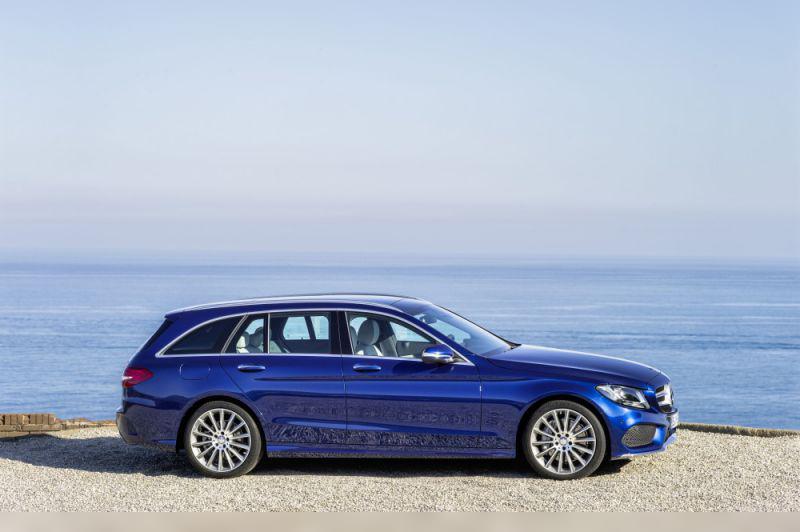
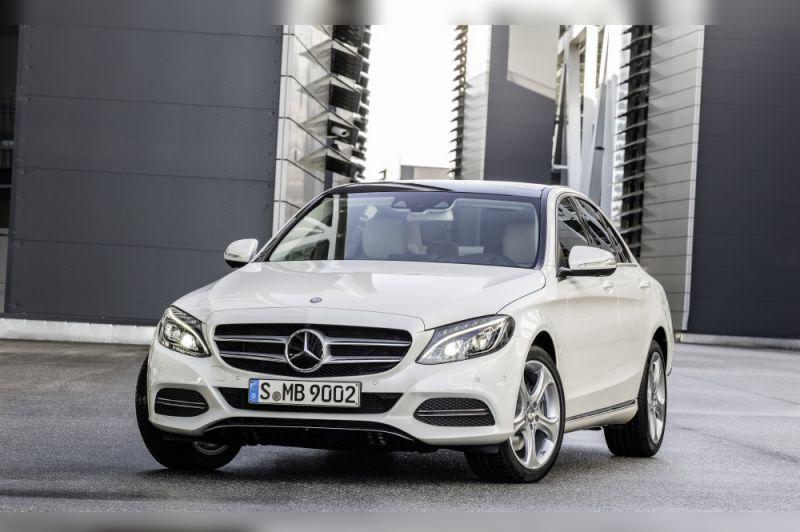
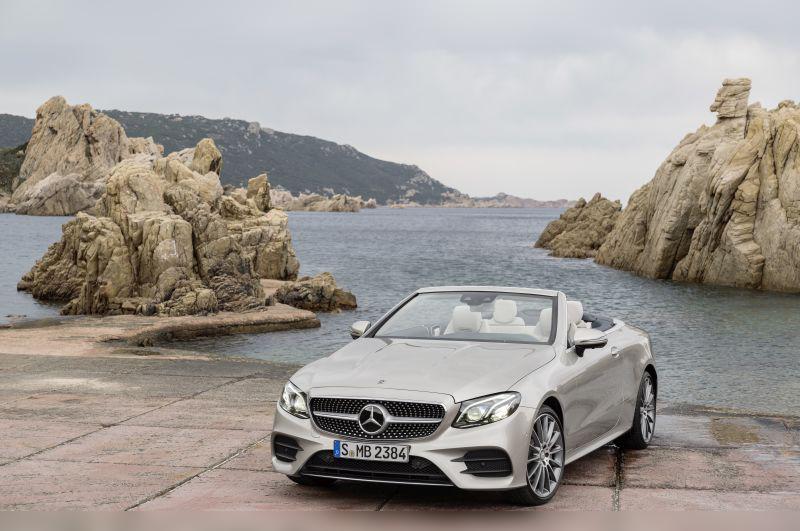
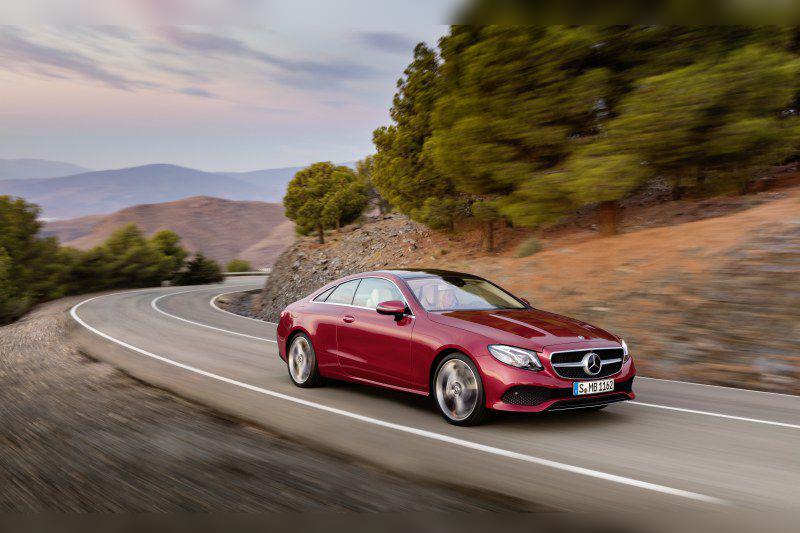
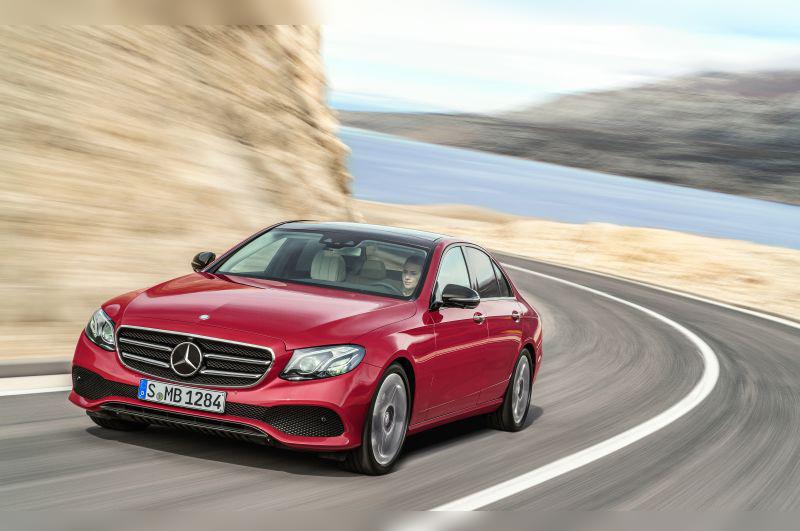
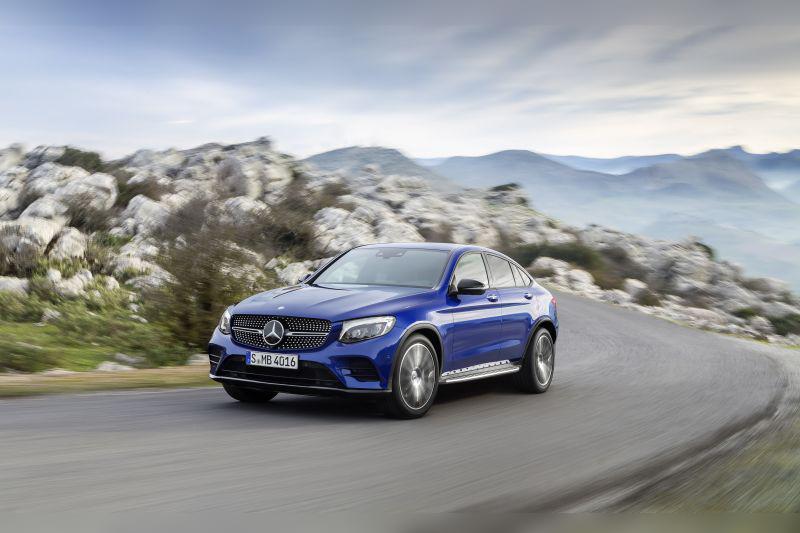
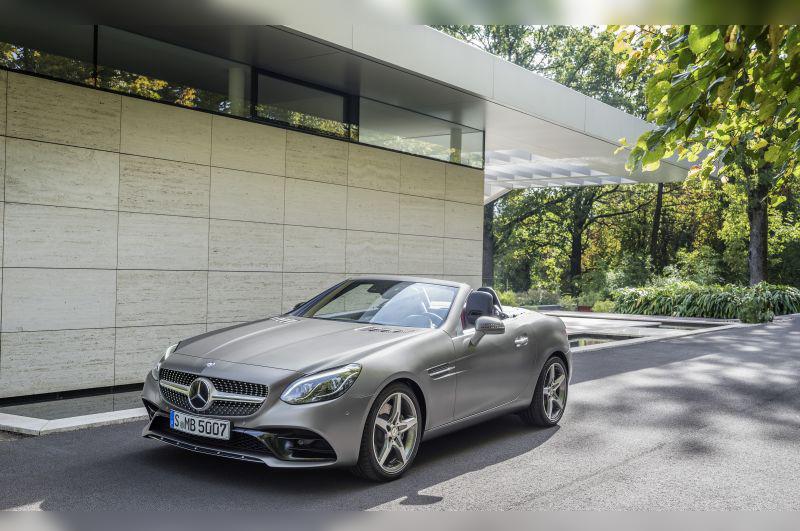
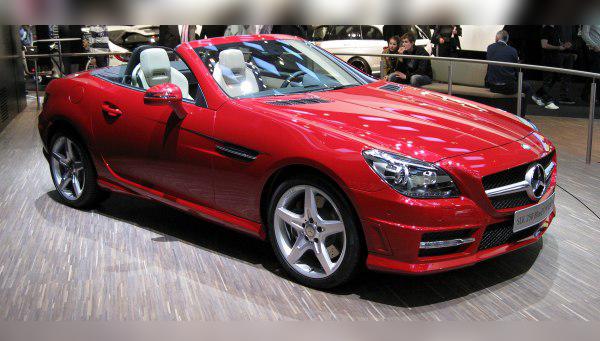
When Mercedes-Benz introduced the two‑liter turbo petrol engine with the code M 274, the goal was clear: to replace older units (such as the M 271) and offer an engine that combines high power with reasonable fuel consumption. The M 274.920 version with 180 kW (245 HP) represents the “golden middle” and carries the prestigious 300 badge on the trunk lid. This unit is mounted longitudinally and powers almost the entire model range – from the C‑Class (W205), through the E‑Class (W213), all the way to popular SUVs like the GLC (X253) and the SLC/SLK (R172) roadsters. Driving this engine is a real pleasure, but like every modern turbo petrol, it requires disciplined maintenance and knowledge of its specific weaknesses.
Technical specifications
| Characteristic | Data |
|---|---|
| Engine displacement | 1991 cc (2.0L) |
| Power | 180 kW (245 HP) |
| Torque | 370 Nm |
| Engine code | M 274.920 |
| Injection type | Direct injection (CGI) |
| Charging system | Twin-scroll turbocharger + intercooler |
Reliability, failures and maintenance
Does this engine have a timing belt or a chain?
The M 274 uses a timing chain. Although in theory the chain should last as long as the engine itself, real‑world experience has shown otherwise. The entire timing assembly is the Achilles’ heel of this unit.
What are the most common failures and symptoms?
Failures on this engine are most often related to the timing system and sensors:
- Chain stretch and camshaft phase adjuster wear: This is the most well‑known issue. Due to a design flaw on earlier model years (mostly up to 2016/2017), the locking mechanism inside the camshaft adjusters can wear out. Symptoms: A short, sharp rattle or “diesel‑like” sound from the engine on the first cold start of the day, lasting 2 to 5 seconds. Sometimes the “Check Engine” light comes on. Ignoring this problem can lead to the chain jumping teeth and catastrophic engine damage. The repair is very expensive (depends on the market).
- Thermostat and water pump: Coolant leaks around the water pump or failure of the electronic thermostat are common. Symptoms: The car is slow to reach the normal operating temperature of 90°C, loses coolant, or the radiator fan runs at maximum speed for no obvious reason.
- PCV valve (crankcase ventilation system): The membrane inside the oil‑vapor separator can tear. Symptoms: Whistling at idle, irregular running (misfires) and increased oil consumption.
At what mileage is the major service done?
Since the engine has a chain, there is no classic major service at a fixed interval. However, due to the mentioned timing issues, a detailed diagnostic check and inspection of the chain condition is recommended already at 100,000 to 120,000 km. Replacement of the auxiliary (serpentine) belt, idlers and tensioner is usually done around 100,000 km.
Oil: Capacity, grade and consumption
The engine takes about 6.1 to 6.3 liters of oil (depending on the exact oil pan design). A high‑quality fully synthetic oil of 5W‑30 or 5W‑40 grade that meets Mercedes specification MB 229.5 is recommended. As for consumption, turbo petrol engines with direct injection naturally use a certain amount of oil. Mercedes tolerates up to 0.8 L/1000 km, but in practice a healthy M 274 should not consume more than 0.5 liters per 3,000 to 5,000 km. Significantly higher consumption points to a problem with the PCV valve, turbocharger or, more rarely, worn piston rings.
At what mileage should the spark plugs be replaced?
Due to direct injection and high temperatures, the spark plugs are heavily stressed. The replacement interval is strict – every 60,000 km or 4 years. Do not postpone this, because a faulty spark plug can damage the ignition coil, which is an expensive part.
Specific parts and costs
What kind of injection system does it have and are the injectors problematic?
The M 274 uses piezo or solenoid injectors (depending on the exact year and revision) for high‑pressure direct injection. The high‑pressure fuel pump (HPFP) can occasionally fail. Symptoms: Hard starting, loss of power under full throttle and a smell of petrol in the engine oil. The injectors themselves are generally reliable, but very sensitive to poor fuel quality. If they fail, the repair is expensive (depends on the market).
Does the engine have a turbocharger and what is its lifespan?
Yes, it has a single twin‑scroll turbocharger made by IHI. It has proven to be very durable. With regular oil changes (every 10,000–15,000 km at most – do not trust “LongLife” intervals of 25,000 km), the turbo easily covers 200,000+ km. A rare issue is with the wastegate valve, where the shaft can develop play, resulting in rattling when lifting off the throttle and a loss of boost pressure.
Does this model have DPF, EGR and AdBlue?
Since this is a petrol engine, it DOES NOT have a DPF (diesel particulate filter), DOES NOT have an AdBlue system and does not suffer from the typical EGR clogging with soot like diesels do. (Note: newer revisions after 2018/2019 for certain markets have a GPF – gasoline particulate filter – but it causes problems far less often than a diesel DPF.)
Fuel consumption and performance
What is the real‑world fuel consumption in city driving?
Do not expect miracles – this is a two‑liter petrol engine with 245 HP. In a lighter body like the C‑Class (W205), real‑world city consumption ranges from 10.5 to 12.5 l/100 km. In heavier SUV models like the GLC 300 4MATIC, city consumption rises to 12.0 to 14.5 l/100 km, especially due to all‑wheel drive and higher weight.
Is this engine “lazy”?
Absolutely not. With 370 Nm of torque available from as low as 1,300 rpm, this engine behaves on the road almost like a modern turbo diesel, but with a much more linear power delivery all the way to the redline. A C‑Class with this engine sprints from 0 to 100 km/h in about 6 seconds, while overtaking is extremely safe and quick in any gear.
Behavior on the motorway
This is its natural habitat. The sound insulation in Mercedes models combined with this quiet engine makes for impressive cruising. With the 9G‑TRONIC gearbox, at a speed of 130 km/h the engine turns at a very low ~1,900 rpm. Fuel consumption on country roads and motorways drops to around 6.5 to 8.0 l/100 km.
Additional options: LPG and chiptuning
Is this engine suitable for LPG conversion?
Short answer: No. Because of the direct injection, a classic sequential LPG system cannot be installed. A specific system is required that either injects liquid gas directly through the petrol injectors (extremely expensive), or a system that constantly uses a certain amount of petrol along with LPG to cool the injectors. When you calculate the price of such a system and its maintenance, the investment is completely uneconomical for 99% of drivers.
How much power can be safely added with a remap (Stage 1)?
The M 274 has excellent potential for a software tune. Without mechanical modifications (Stage 1), power can safely be raised from 245 HP to 275–290 HP, and torque from 370 Nm to 430–450 Nm. The gearboxes are robust enough to handle this increase in torque, but you must shorten the oil change interval to a maximum of 10,000 km if you opt for remapping.
Transmissions: Automatic is the only option
Which transmissions are used and what failures do they have?
For the 245 HP version, a manual gearbox was not offered. Two types of automatic transmissions are used, depending on the production year and model:
- 7G‑TRONIC PLUS (7‑speed): Found in older model years. It is somewhat slower and can occasionally shift a bit harshly from second to first gear when coming to a stop. The most common failure is speed sensor failure on the electro‑hydraulic control unit (“conductor plate”) inside the transmission. The repair involves overhauling or replacing the plate.
- 9G‑TRONIC (9‑speed): Standard in newer models (from around 2016 onwards). Physically lighter, significantly faster, smoother and reduces fuel consumption. It is very reliable but extremely complex. Failures are rarer, but if the mechatronics unit fails, the repair is very expensive (depends on the market).
Does it have a dual‑mass flywheel?
Since it is paired only with conventional automatic transmissions, this model DOES NOT have a dual‑mass flywheel like those found on manual gearboxes or dual‑clutch transmissions (DSG). Instead, it uses a hydrodynamic torque converter. The converter is more robust than a dual‑mass flywheel, but it requires clean oil. It is overhauled if you notice shuddering under acceleration or fluctuating revs at a constant speed.
When should the transmission oil be changed?
Mercedes periodically revises these intervals, but in practice the oil, filter and seals in 7G and 9G transmissions should be changed every 60,000 to 80,000 km. On 9G‑TRONIC transmissions the oil pan and filter are a single unit (the plastic pan is replaced as a whole), which makes the service somewhat more expensive, but it is vital for the longevity of the gearbox.
Buying used and conclusion
What must be checked before buying?
- First cold start: Insist that the engine be completely cold. Listen carefully to the first 3 seconds after starting. Any metallic rattle or chain noise means you are facing a bill of several hundred or even thousands of euros for replacing the camshaft adjusters and chain.
- Diagnostics (Xentry/Star): A basic OBD scanner is not enough. The mechanic must read the adaptation values of the camshaft angles. If the values are out of tolerance, the chain is stretched even if it is not yet audible.
- Transmission condition: On the test drive, the car must shift under full throttle and during gentle braking without any bangs, jerks or delays.
Who is this engine for?
Mercedes’ M 274.920 (245 HP) is a fantastic engine for drivers who want strong performance, smooth driving and do not want diesel clatter. It is ideal for the C‑ and E‑Class. However, it is not an “indestructible old Mercedes”. Buying a car with an unknown service history, where the oil was changed every 25,000 km, is a ticking time bomb because of the chain and camshaft adjusters. On the other hand, if you find a well‑maintained example and continue investing in regular servicing (oil every 10–12 thousand, transmission service every 60 thousand), this engine will provide you with hundreds of thousands of kilometers of reliable and dynamic driving.