Engine M 276.823 (367 hp): Experiences, problems, fuel consumption and buying used
Key points (TL;DR)
- A powerful 3.0 BiTurbo V6 petrol engine from the Mercedes-Benz and AMG lineup, combining everyday usability with sports performance.
- Uses a timing chain which is generally reliable, but the chain tensioners require attention during cold starts.
- Requires regular, high-quality maintenance; sensitive to oil change intervals and fuel quality due to direct injection.
- Not suitable for LPG (autogas) conversion.
- Comes exclusively with automatic transmissions (7G-Tronic or 9G-Tronic), where changing the oil every 60,000 km is imperative.
- Has huge tuning potential – with a simple and safe Stage 1 remap, significantly more power can be extracted.
Contents
- Introduction and engine history
- Technical specifications
- Reliability, maintenance and common failures
- Specific parts and costs
- Real-world fuel consumption and performance
- Additional options, LPG and remapping
- Transmissions and drivetrain
- Buying used and conclusion
Introduction and engine history
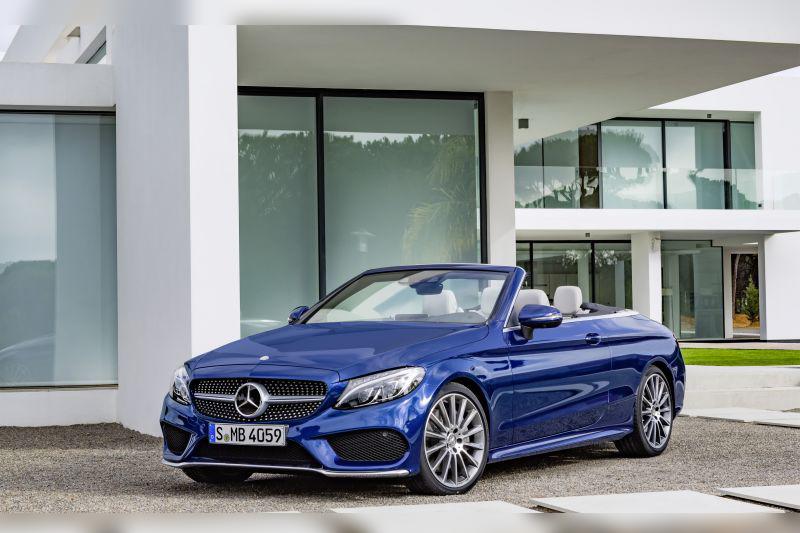
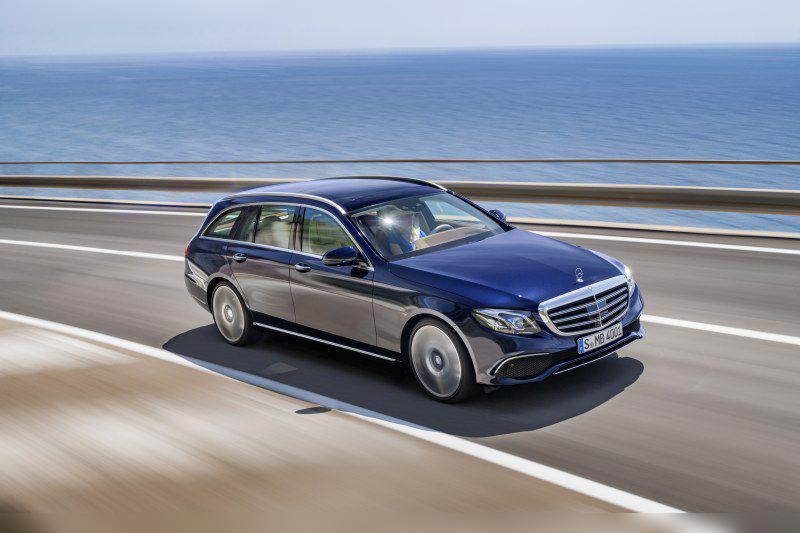
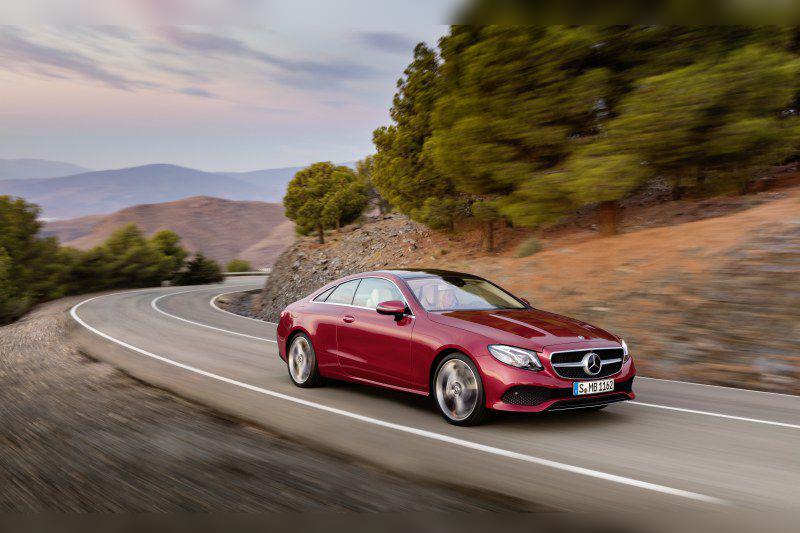
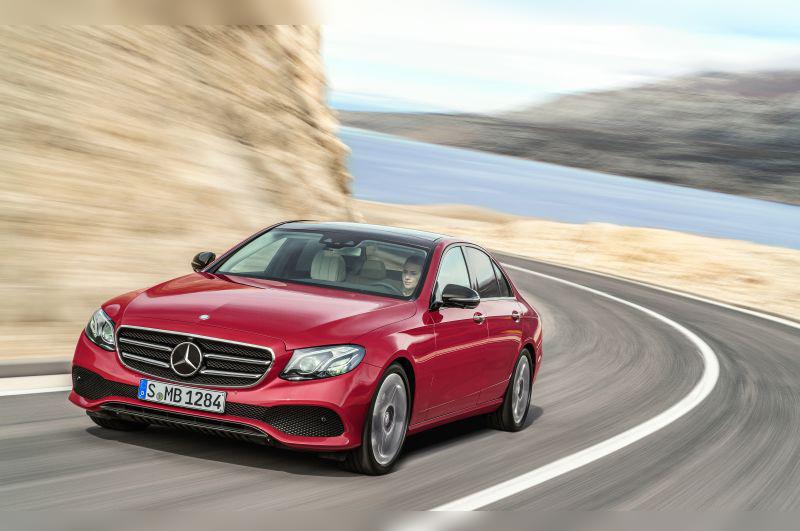
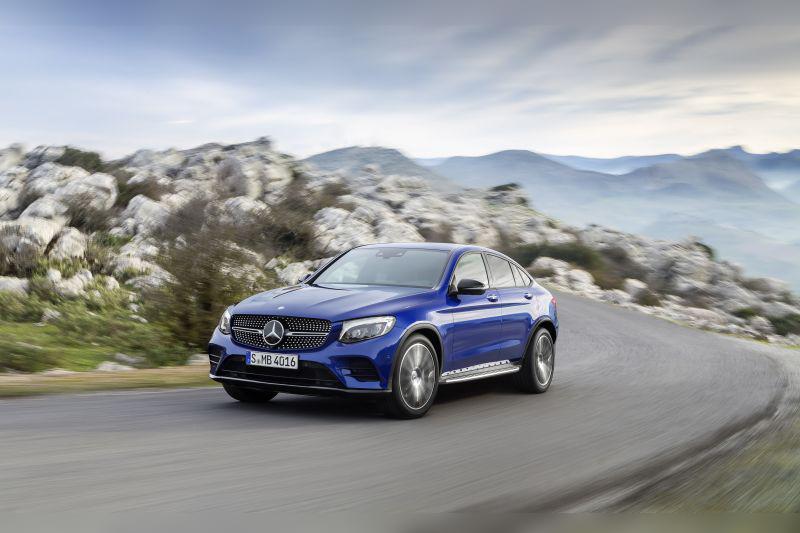
The engine designated as M 276.823 (also known as M276 DELA 30) is one of the most sophisticated V6 units in Mercedes’ range. With a 60-degree cylinder bank angle, this 3.0-liter BiTurbo V6 was originally conceived as the perfect balance between everyday versions and the brutal AMG V8 models. That’s why we most often see it in “AMG Lite” versions such as the C43 AMG, C450 AMG, as well as in prestigious models like the E450 and GLC 43 AMG. This engine offers the driver linear power delivery, brutal torque and the refinement expected from the premium segment.
Technical specifications
| Displacement | 2996 cc |
| Power | 270 kW (367 hp) |
| Torque | 520 Nm |
| Engine code | M 276.823 |
| Injection type | Direct fuel injection (CGI – Piezo injectors) |
| Forced induction | BiTurbo (two turbochargers), intercooler |
Reliability, maintenance and common failures
Timing chain or timing belt?
This unit uses a timing chain to drive the camshafts. The timing system is quite robust compared to older Mercedes V6 engines, but it is not completely free of weaknesses. The most common issue owners encounter, especially on early production models, are the hydraulic chain tensioners and oil check valves. If the oil drains from the tensioners while the car is parked, you will hear a distinct, sharp metallic rattle for 2 to 3 seconds during a cold start. If this is ignored, the chain can stretch over time.
Common failures and service items
As for intervals, a classic major service (timing replacement) does not have a factory-prescribed mileage. The chain is replaced as needed, most often after 150,000 to 200,000 km, or when the above-mentioned noises appear. In addition to the chain, known weak points include the high-pressure fuel pump (HPFP), whose failure results in a loss of power and an illuminated Check Engine light, as well as ignition coils that are exposed to high temperatures.
Oil and spark plugs
The lubrication system requires exceptional attention. The engine takes about 6.5 liters of oil. Only premium synthetic oil in viscosity grades 5W-40 or 0W-40 that meets the MB 229.5 specification is recommended. Due to the presence of two turbochargers and very high temperatures in the block, mild oil consumption is inevitable. It is considered completely normal for the engine to consume around 0.5 to 1 liter of oil per 8,000–10,000 km. More aggressive driving drastically increases this figure.
Since this is a high-revving BiTurbo petrol engine with direct injection, spark plugs must be replaced at a maximum of 60,000 km. Neglecting spark plug replacement can lead to misfires, which can damage the catalytic converters and even the cylinder walls.
Specific parts and costs
Injection system and turbochargers
The M 276.823 uses a very precise direct injection system with Piezo injectors. These injectors are sensitive to poor fuel quality. If they fail, replacement costs are very high (depending on the market). Symptoms of injector problems include rough idle, increased fuel consumption and black smoke from the exhaust.
The engine is equipped with two turbochargers (BiTurbo system). Their lifespan is closely related to driving style and regular oil changes. If the engine is properly “cooled down” (gentle driving for a minute or two before switching off the engine after spirited driving), the turbos can last over 200,000 km. However, issues with the turbo wastegate linkages can occur, causing rattling noises. Rebuilding or replacing the turbos as a pair is expensive (depending on the market).
Emission control systems
Since this is a petrol engine, it has no DPF filter and no AdBlue system (these are reserved for diesel engines). It also does not have a traditional EGR valve prone to clogging to the same extent as on diesels. However, later model years (due to Euro 6d standards) may be equipped with a GPF (OPF) particulate filter for petrol engines. This filter rarely causes problems, unless the car is constantly driven only on ultra-short city trips.
Real-world fuel consumption and performance
Whether installed in the C-Class (A205/W205), the larger E-Class (W213) or the GLC (X253) SUV, this engine is never “lazy” in any scenario. With 520 Nm of torque available from around 2,000 rpm, throttle response is brutal and immediate. It pulls strongly in every gear, so the weight of the body is practically unnoticeable.
However, power has its price at the fuel pump. Realistic city fuel consumption is hard to get below 13 to 16 l/100 km, depending on how heavy your right foot is and traffic conditions. On the other hand, things look much better on the highway. Thanks to modern transmissions with many gears, at a cruising speed of 130 km/h the engine spins at only about 1,800 to 2,000 rpm (depending on whether it’s the 7G or 9G gearbox). Under these conditions, fuel consumption drops to a very acceptable 8 to 9.5 l/100 km.
Additional options, LPG and remapping
LPG (autogas) conversion
A short and clear answer for any modern engine with this kind of architecture: This engine is absolutely not suitable for LPG conversion. The high-pressure direct injection system is located directly in the combustion chamber. The petrol injectors are cooled by the flow of petrol. If you were to install a conventional LPG system, the petrol injectors would overheat and fail. There are liquid-phase LPG systems for direct injection, but they are astronomically expensive, extremely complex for this BiTurbo V6 and completely uneconomical. Buying a car like this assumes a budget for petrol.
Remapping (Stage 1)
This is where the M 276.823 really shines. The engine leaves the factory “detuned” so as not to jeopardize sales of the more powerful AMG V8 models. Because of this, a typical and safe Stage 1 software remap can raise power from 367 hp to a massive 420 to 450 hp, while torque easily exceeds 600 Nm. The engine internals and transmission are designed to handle this increase without issues, but of course, it requires even stricter oil and spark plug change intervals.
Transmissions and drivetrain
A manual gearbox for this engine does not exist. It is paired exclusively with automatic transmissions, most often in combination with 4MATIC all-wheel drive. Earlier versions (such as the C450 AMG) were fitted with the 7G-TRONIC PLUS, while newer versions (C43 AMG, E450) received the more advanced 9G-TRONIC.
Transmission issues and torque converter
Since both gearboxes are conventional automatics with a torque converter (the so-called “vandler”), this car does not have a dual-mass flywheel and clutch disc in the sense of a manual transmission, so you are spared that traditional and costly failure.
The most common 7G gearbox issues are jerks when shifting from first to second gear, which is often resolved by a software update or replacing the solenoids in the mechatronic unit (valve body). The 9G gearbox is significantly faster and smoother, but more sensitive to oil quality. Maintenance and repair of the valve body on both transmissions are expensive (depending on the market).
Regular automatic transmission servicing is absolutely critical. The transmission oil and filter must be changed every 60,000 to 80,000 km. Any delay in this service on an engine with 520 Nm of torque guarantees accelerated wear of the internal clutches in the transmission.
Buying used and conclusion
What to check before buying?
When buying a used car with the M 276.823 engine, the first impression is crucial. Always schedule an inspection so that the engine is completely cold (let it sit overnight). When starting, listen carefully to the front of the engine. The chain noise must not be audible for more than a fraction of a second. If you hear metallic scraping for 2–3 seconds, you are likely facing an expensive replacement of the tensioners and possibly the entire timing system.
Check the exhaust tips: although direct injection can produce a slight dark soot on the exhausts, bluish smoke when revving indicates worn valve stem seals or damaged turbochargers. The test drive must include hard accelerations – jerky shifts or uneven acceleration indicate neglected maintenance and potential fuel pressure issues.
Conclusion
The M 276.823 (367 hp) engine is a fantastic piece of engineering. It is intended for drivers who want serious performance, a phenomenal V6 sound and all-wheel drive, but are not willing to pay the astronomical maintenance costs associated with a true AMG V8. With a proper service history, adherence to short intervals for changing high-quality oil and an understanding that this is not an economical city car, this Mercedes BiTurbo V6 will provide tens of thousands of kilometers of smiles behind the wheel.