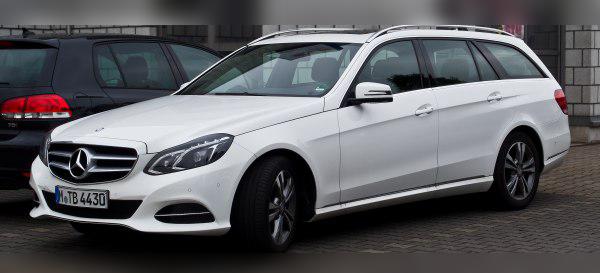
Mercedes-Benz 3.5 V6 BiTurbo (M 276.850) – Experiences, problems, fuel consumption and used-car buying tips
Key points (TL;DR)
- Powerful and flexible: With 333 hp and 480 Nm, this V6 delivers V8-level performance, but with noticeably lower fuel consumption on the open road.
- Timing chain driven: The engine uses a timing chain. A critical weak point on earlier series was the chain tensioner, which you should pay attention to during a cold start.
- Automatic only: It was paired exclusively with 7G-TRONIC PLUS and 9G-TRONIC automatic transmissions, which means there is no conventional dual-mass flywheel.
- Direct injection: Due to CGI technology, these engines are prone to carbon buildup on the intake valves at higher mileage.
- Not suitable for LPG: Installing an LPG system is extremely expensive and technically complicated, and therefore not recommended.
- Excellent for remapping: The M 276 BiTurbo has huge potential; a Stage 1 tune safely raises power to around 400 hp.
Contents
- Introduction
- Technical specifications
- Reliability and maintenance
- Specific parts and costs
- Fuel consumption and performance
- Additional options and modifications
- Transmission and drivetrain
- Buying used and conclusion
Introduction
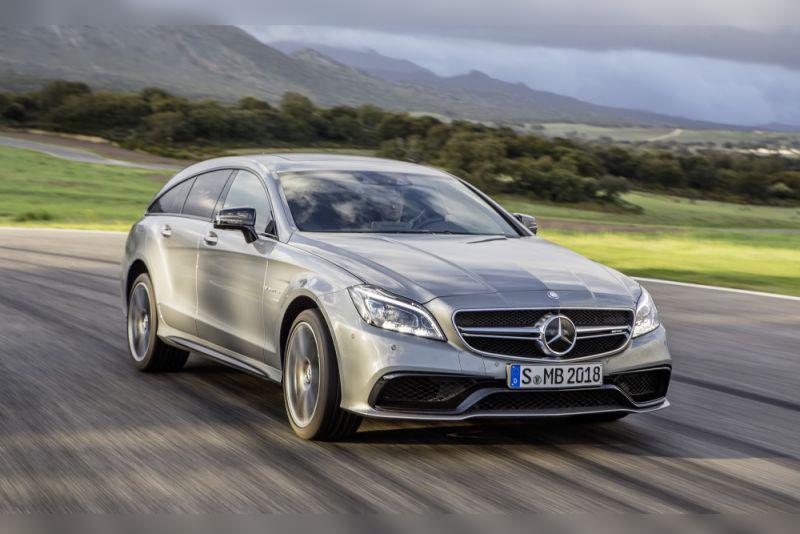
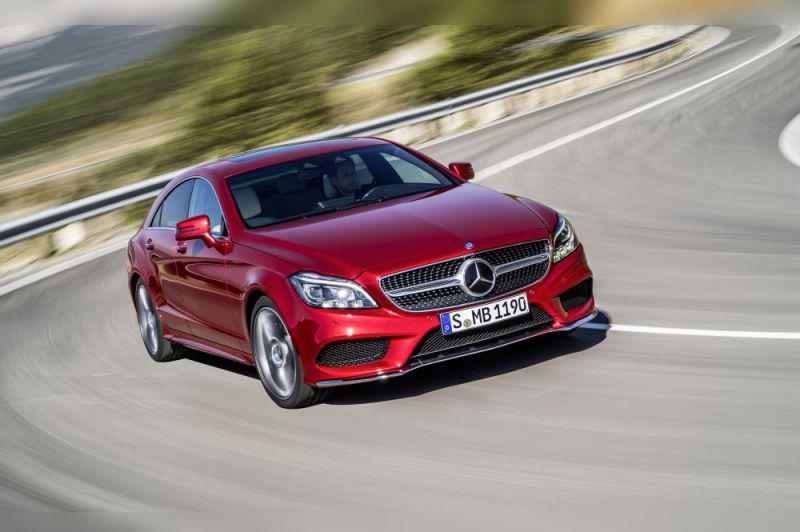
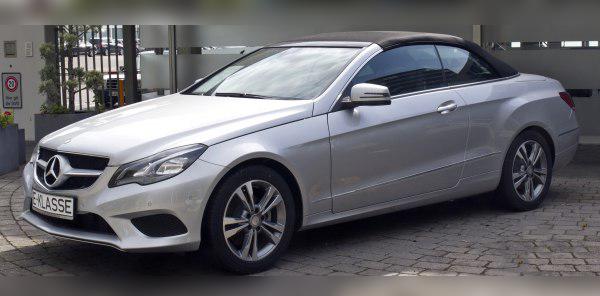
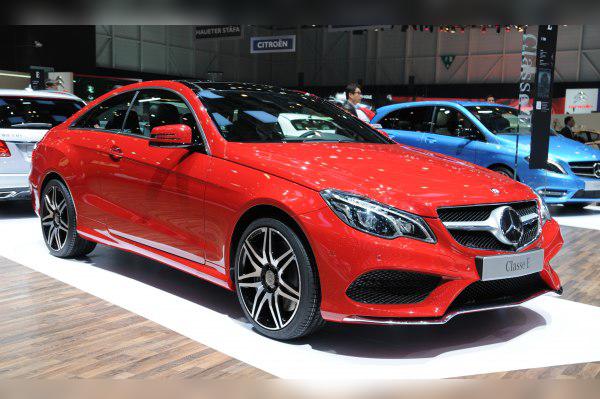
The engine designated M 276.850 is one of the most desirable petrol options in modern upper mid-range and high-end Mercedes-Benz models. It is a 3.5‑liter V6 unit equipped with two turbochargers (BiTurbo), installed in facelifted CLS models (W218/X218) and E‑Class (W212/C207) from 2013 and 2014 under the “400” badge. This engine was designed to replace older naturally aspirated V8 units, offering plenty of low‑end torque along with smoother operation and lower emissions. If you are looking for the perfect balance between relaxed motorway cruising and brutal acceleration, the M 276 BiTurbo is probably one of the best choices Stuttgart made in that decade.
Technical specifications
| Parameter | Value |
|---|---|
| Engine displacement | 3498 cc |
| Power | 245 kW (333 hp) |
| Torque | 480 Nm |
| Engine code | M 276.850 (DE 35 AL) |
| Injection type | Direct injection (CGI – stratified charge) |
| Charging system | BiTurbo, intercooler |
| Fuel type | Petrol |
Reliability and maintenance
Timing belt or chain and most common failures
The M 276.850 uses a timing chain for its valvetrain. The design includes a complex system with multiple chains. Generally speaking, the chain itself is durable, but the most notorious weakness of this engine (especially on early M 276 units) is the issue with the chain tensioners. Because the original design lacked an oil check valve, the oil would drain out of the tensioners while the car was parked. The result is a clear symptom: the driver hears loud rattling or “clattering” during the first 3 to 5 seconds of a cold start. If this is ignored, the chain can stretch and damage the camshaft sprockets, which may lead to catastrophic failure. The repair involves installing updated tensioners with check valves. The cost of this intervention ranges from 500 to 1200 euros (depending on the market).
Service intervals and oil
With chain‑driven engines there is no classic “major service” in the sense of replacing a timing belt every 100,000 km. However, at around 100,000 to 120,000 km it is recommended to thoroughly inspect the auxiliary drive (serpentine belt, rollers, tensioner) and the water pump. Minor services should be carried out strictly every 10,000 to 15,000 km at most, regardless of what the factory “LongLife” interval suggests. This engine takes about 6.5 to 7.0 liters of oil (depending on sump and drivetrain variant). High‑quality synthetic oil with a viscosity grade of 5W‑30 or 5W‑40 that strictly meets Mercedes specification MB 229.5 is recommended.
As for oil consumption, BiTurbo V6 engines can “drink” a bit of oil under heavy load. Consumption of 0.1 to 0.3 liters per 1000 km is considered completely normal, especially if the car is often driven at high speeds on the motorway. If consumption exceeds 0.5 l/1000 km, the PCV valve (oil vapor separator) or the condition of the turbochargers should be checked.
Given that this is a powerful petrol engine with direct injection, spark plugs should be replaced every 60,000 km. If the car is driven mostly in city traffic, it is advisable to shorten that interval to 50,000 km in order to protect the ignition coils, which tend to fail due to poor contact or worn spark plugs.
Specific parts and costs
Fuel injection system and carbon buildup
The M 276.850 uses a direct fuel injection system with extremely high pressure. The system relies on a high‑pressure fuel pump (HPFP) and piezo injectors. The high‑pressure pump is a potential weak point at higher mileage. Symptoms of its failure include hard starting, loss of power at higher revs and the “Check Engine” light. A new pump is an expensive investment, ranging from 600 to 1200 euros (depending on the market). The injectors are generally durable but sensitive to poor‑quality fuel. Replacing injectors is very costly (depending on the market).
Like any direct‑injection engine, the M 276 suffers from carbon buildup on the intake valves, because the fuel does not wash the valves from above. Symptoms include slight idle fluctuation and reduced throttle response. Every 80,000–100,000 km it is recommended to clean the intake manifold and valves using walnut shell blasting.
Turbochargers and emissions systems
Two IHI turbochargers are responsible for the impressive 480 Nm of torque. They are not particularly troublesome and, with regular oil changes and proper cooldown after spirited driving (letting the engine idle for a minute or two before switching off), they can easily last over 200,000 km. Early signs of wear are bluish smoke from the exhaust when lifting off the throttle or increased oil consumption.
Regarding emissions, since this is a petrol engine, it does not have a DPF filter or AdBlue system that often cause headaches for diesel owners. There is no conventional EGR valve prone to clogging; instead, exhaust gas recirculation is achieved by varying the camshaft timing (valve overlap).
Fuel consumption and performance
The main question many buyers ask is: “Is the 3.5 V6 too expensive to run and maintain?” This engine is anything but “lazy”. With 333 hp and massive torque (480 Nm available from low revs, similar to a diesel), it propels nearly two‑ton bodies such as the CLS (X218/C218) and E‑Class Estate (S212) without any effort. Flexibility is astonishing, and overtaking happens in the blink of an eye.
As for fuel consumption, you need to be realistic:
- City driving: Due to the large displacement and vehicle weight, in stop‑and‑go traffic consumption rarely drops below 12 l/100 km, and realistically sits between 13 and 15 l/100 km.
- Open road and motorway: This is where the M 276 shines. At 130 km/h, thanks to long gearing in the automatic transmission, the engine cruises at very low revs (below 2200 rpm with the 7G, and below 1800 rpm with the 9G gearbox). Motorway consumption is an impressive 8 to 9 l/100 km.
Additional options and modifications
LPG installation
Although saving on fuel sounds tempting, this engine is not suitable for LPG conversion. Due to the complex direct‑injection system, conventional LPG kits cannot be installed. Specialized systems are required that always mix petrol and gas in order to cool the sensitive petrol injectors located in the combustion chamber. The cost of installing such systems is extremely high (from 1500 euros upwards, depending on the market), and the cost‑effectiveness is questionable. In addition, the extra heat can damage the turbochargers and valves.
Remapping (chiptuning)
This is one of the brightest aspects of this engine. From the factory, the M 276.850 is software‑limited. With a simple ECU remap (Stage 1), power can be safely raised from 333 hp to around 400 to 420 hp, while torque increases to a brutal 550 to 600 Nm. The car then matches the performance of much more expensive AMG models. The crankshaft, pistons and engine block can handle this without any issues, but it is crucial that the map is done by professionals who will respect the durability limits of the turbochargers.
Transmission and drivetrain
The M 276.850 was never paired with a manual gearbox, so it does not have a conventional dual‑mass flywheel or clutch disc. Power is transmitted through automatic gearboxes with a hydraulic torque converter (Wandler). There are two options with this engine:
- 7G‑TRONIC PLUS (7‑speed): Most common on pre‑2015 models. Known for its smoothness, but its weak point is the “valve body” (electronic plate with solenoids) which, if it fails, causes harsh engagement and forces the gearbox into limp mode. Repairing the valve body costs from 400 to 800 euros (depending on the market).
- 9G‑TRONIC (9‑speed): Found in newer CLS models (from 2014/15). Significantly faster, more economical and more robust, it keeps the engine at even lower revs.
Transmission service: Do not believe the stories about “lifetime fill” oil. On 7G‑TRONIC gearboxes, changing the oil, filter and seals is strongly recommended every 60,000 km. On the newer 9G‑TRONIC, the official interval can be longer, but experienced mechanics advise servicing it every 80,000 to 100,000 km. The cost of servicing an automatic gearbox is usually between 250 and 450 euros (depending on the market).
If the car has 4MATIC all‑wheel drive, it is also necessary to change the oil in the transfer case as well as in the front and rear differentials.
Buying used and conclusion
When you go to inspect a used Mercedes CLS 400 or E 400 with this engine, the following checks are absolutely essential:
- Cold start: Insist that the engine is completely cold (touch the exhaust manifold or engine cover). Listen carefully during the first three seconds after starting. Any chain “rattle” is a reason to negotiate the price down.
- Original diagnostics (XENTRY/Star): Always connect the car to dedicated Mercedes diagnostics. Check the fuel pressure from the high‑pressure pump, as well as any misfire readings that may indicate bad coils, spark plugs or carbon buildup on the valves.
- Gearbox behavior on the road: The gearbox must shift completely smoothly, both up and down. Harsh downshifts from 3rd to 2nd gear are a common sign of worn oil or a problem with the valve body.
Who is this engine for?
The Mercedes‑Benz M 276.850 BiTurbo is a perfect choice for drivers who want a car with a premium feel, brutal in‑gear acceleration and a refined sound, but do not want the tractor‑like clatter of a diesel (OM 642) nor the huge maintenance costs of a full‑fat AMG V8 (M 157). Although it does consume a bit more in city driving, it is surprisingly economical on the open road, while its reliability – with proper maintenance – deserves top marks.