Mercedes-Benz M 276.952 (3.5 V6) – Experiences, Problems, Fuel Consumption and Used Car Buying Tips
- Naturally aspirated V6 petrol engine with 306 hp offers outstanding refinement, cabin quietness and very linear acceleration.
- Timing chain drive: Early models require inspection of the tensioners and installation of oil non-return valves to prevent damage during cold starts.
- No turbocharger and no DPF: Fewer sensitive components compared to modern diesels, which means fewer potential headaches at high mileage.
- Direct injection (CGI): Makes LPG (autogas) installation more complex and expensive, while the high-precision injectors themselves are sensitive to poor-quality fuel.
- 7G-TRONIC PLUS: Paired exclusively with this automatic transmission; regular transmission oil changes are an absolute must for smooth operation.
- Fuel consumption: In the city, prepare a budget for 12+ l/100 km, while on the open road this engine is surprisingly economical.
Contents
- Reliability and Maintenance
- Specific Parts and Costs
- Fuel Consumption and Performance
- Additional Options and Modifications
- Transmission and Drivetrain
- Buying Used and Conclusion
Introduction
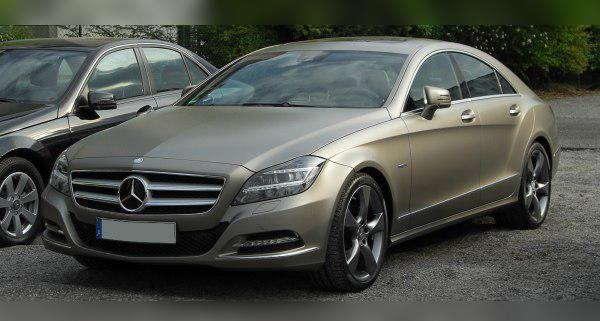
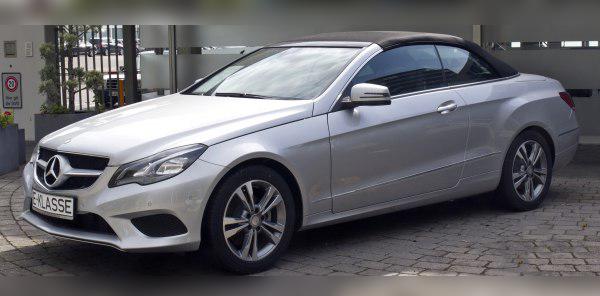
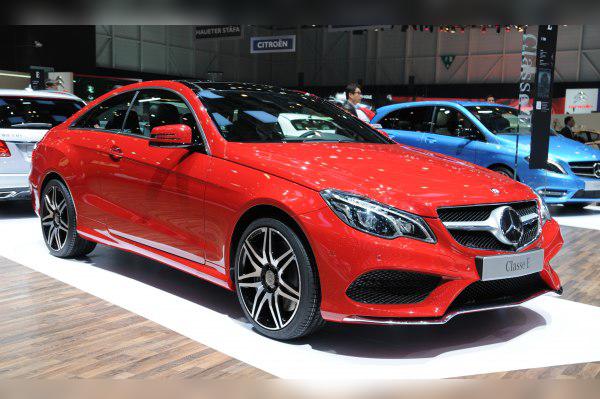
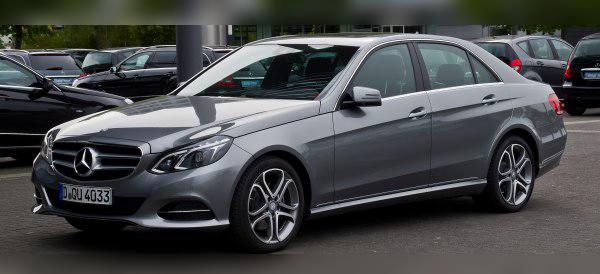
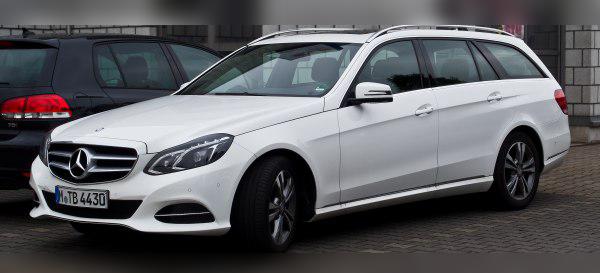
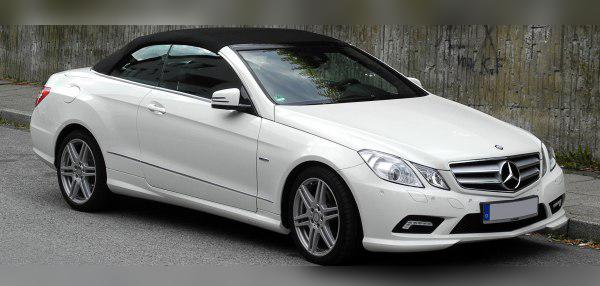
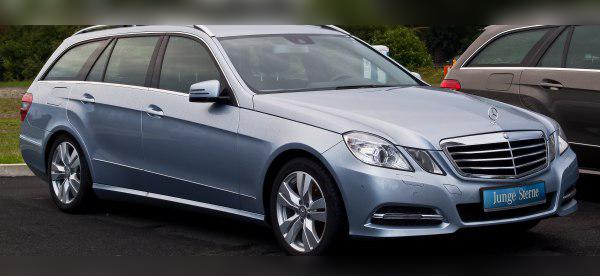
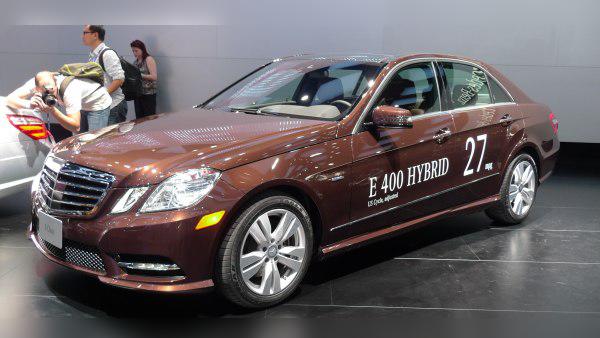
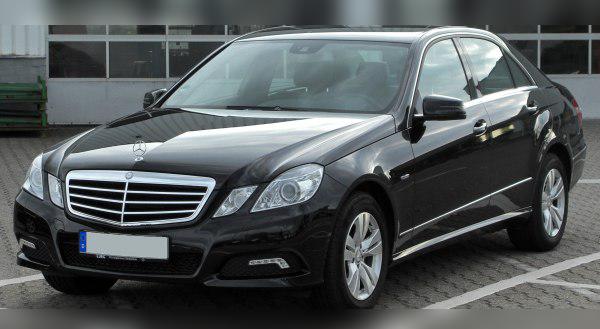
When Mercedes-Benz introduced the M 276 engine generation, the goal was clear: to correct all the engineering mistakes of its predecessor (the notorious M272 with its problematic balance shaft) and offer the market an efficient, powerful and reliable V6 unit. The version designated M 276.952 is a naturally aspirated 3.5‑liter gem that delivers a smooth 306 hp. This engine was widely installed in more luxurious models, from the E‑Class in all body styles (W212 sedan, S212 estate, C207 coupe, A207 cabriolet), through the elegant CLS (C218 and X218 Shooting Brake), all the way to specific hybrid versions such as the E 400 Hybrid, where this petrol V6 was paired with an electric motor. For fans of traditional Mercedes comfort without turbo lag, this is one of the most desirable engines of its era.
Technical Specifications
| Specification | Data |
|---|---|
| Displacement | 3498 cc |
| Engine power | 225 kW (306 hp) |
| Torque | 370 Nm |
| Engine code | M 276.952 |
| Injection type | Direct injection (CGI) |
| Induction (Turbo/Naturally aspirated) | Naturally aspirated engine |
Reliability and Maintenance
Timing system and major service
The M 276.952 uses a timing chain to drive the camshafts. The chain itself is more robust than on its predecessor, but the engine is not without its specific weak points. A classic “major service” with timing belt replacement is not performed on this engine. The chain is designed to last a long time, and checking its condition (stretch) is recommended after 150,000 to 200,000 km. However, what you must pay attention to are the chain tensioners and the lack of non-return valves in the cylinder head on early series (most often up to mid‑2013). Because of this omission, after the engine was switched off, the oil would drain back into the sump, leaving the tensioners without pressure at the next start. The symptom is a sharp, metallic rattling sound lasting 2 to 4 seconds during the first cold start in the morning. The solution involves installing new tensioners and retrofitting non-return valves. The cost of this procedure is considered high (depends on the market), but it is necessary to avoid the chain skipping and catastrophic engine failure.
Minor service and oil consumption
This unit takes about 6.5 to 7.0 liters of engine oil. It is strongly recommended to use only fully synthetic oil in grades 5W‑30 or 5W‑40 that strictly meet Mercedes MB 229.5 specification. Oil consumption is very low and within normal limits. Although the manufacturer tolerates up to 0.5 liters per 1000 km, in practice a completely healthy M276 will not require more than half a liter to one liter of top-up between services, which should be carried out every 10,000 to 15,000 km. If you notice increased consumption, the causes most often lie in a clogged PCV valve (oil vapor separator) or, in very rare and neglected cases, in damage to the cylinder walls.
Spark plugs and ignition system
Since this is a high‑pressure direct‑injection petrol engine, the demands on spark quality are extremely high. Replacement of the spark plugs is strictly recommended every 60,000 km. Ignoring this interval can lead to coil failure (each cylinder has its own coil), as well as uneven combustion that in the long run damages the injectors and the catalytic converter.
Specific Parts and Costs
Injection and intake
The injection system on this engine is direct (CGI technology). The engine has a high‑pressure fuel pump (HPFP) that compresses the fuel before delivering it to the cylinders. The injectors are advanced piezoelectric components and are not problematic as long as you use quality petrol. However, if they fail, replacement is very expensive (depends on the market), as they usually cannot be properly refurbished. Due to direct injection, petrol does not wash the intake valves, so at higher mileage carbon build‑up on them is possible, which causes rough idling. Cleaning the valves using walnut shell blasting solves this problem.
Emissions and turbo system
A major advantage of this engine on the used car market is what it does not have. It has no turbochargers, no DPF filter (that is reserved for diesels and newer petrol GPF technologies), and no AdBlue systems. It also does not have a typical problematic external EGR valve. The engine controls exhaust gas recirculation via variable intake and exhaust valve timing (VVT). As a result, the list of parts that “definitely fail” at high mileage is reduced to a minimum here.
Fuel Consumption and Performance
City driving vs Motorway
Although the M276 is more efficient than its predecessor, 3.5 liters of displacement and 306 hp inevitably take their toll in city driving. In heavy bodies such as the E‑Class or CLS, real‑world consumption in stop‑and‑go conditions (i.e. in heavy city traffic) is between 11.5 and 14.0 l/100 km. On the other hand, this engine is the “king” of the open road. On the motorway, thanks to the long gear ratios of the automatic transmission, at 130 km/h the engine cruises at a comfortable and quiet 2000 to 2200 rpm in seventh gear. At that point, fuel consumption drops dramatically and ranges between 7.5 and 8.5 l/100 km.
Dynamics and driving behavior
The answer to whether this engine is “lazy” is a firm no. Its naturally aspirated design provides an immediate response to the throttle pedal with no “turbo lag”. The 370 Nm of torque is available over a wide range, and the sound of the V6 at higher revs is classy yet convincing. The E 400 Hybrid version offers an additional surge of torque from zero rpm (thanks to the electric motor), making the car even more flexible in city driving with a slight reduction in fuel consumption.
Additional Options and Modifications
LPG (autogas) conversion
Should you install LPG on the M 276.952? The technical answer is “yes, but it doesn’t pay off for most drivers”. Due to direct fuel injection, installation of a traditional sequential LPG system is not possible. Specialized systems are required, which are very expensive (depends on the market) and whose installation costs significantly more than on older naturally aspirated engines with port injection. Also, even when running on gas, the engine will simultaneously inject between 5% and 15% petrol to cool the injectors in the cylinders, which drastically extends the payback period of the entire system.
ECU remap (Stage 1)
If you are thinking about an ECU remap (Stage 1), the results will disappoint you. Since this is a naturally aspirated engine with no possibility of manipulating turbo boost pressure, software optimization can safely provide only about 15 to 20 hp and up to 20 Nm of additional torque. The difference in driving will be barely noticeable, which is why most owners do not opt for this modification.
Transmission and Drivetrain
This engine was standardly paired with the 7G‑TRONIC PLUS seven‑speed automatic transmission. Manual options for this power and displacement in this generation simply do not exist, which is in line with the luxury segment. The engine sends power to the rear axle or to all four wheels via the renowned 4MATIC system, which has proven to be very reliable if regularly maintained.
Transmission costs and maintenance
The automatic transmission does not have a conventional dual‑mass flywheel as found in manual gearboxes; instead, it uses a hydrodynamic torque converter (colloquially: “vandler”). The most common 7G‑TRONIC PLUS failures manifest as jerking (most often from first to second gear, or when coming to a stop), which usually indicates the need for a software update, damage to the valve body (solenoids) or neglected transmission oil. Overhauling the torque converter and valve body is expensive (depends on the market).
To avoid catastrophic failures, it is crucial to service the transmission (change oil and transmission filter) every 60,000 to a maximum of 80,000 km. Ignoring this interval leads to the accumulation of fine metal particles that permanently damage the sensitive valves in the valve body.
Buying Used and Conclusion
What to check before buying?
When inspecting a potential used car with the M 276 engine, insist that you are the one who will start the engine for the first time that day (cold start). Ask the seller not to start the car before you arrive. When you turn the key, listen carefully to the sound during the first few seconds. If you hear a sharp metallic knocking, the chain tensioners have probably failed, which gives you an excellent argument for a serious price reduction or walking away from the deal.
The next step is to connect the car to the original Mercedes‑Benz diagnostic system (STAR). Check the high‑pressure pump parameters, injector corrections, as well as the angles of the variable camshaft sprockets. Be sure to test‑drive the car with both gentle and hard acceleration, paying attention to gear changes – there should be no jerks.
Who is this engine for?
The Mercedes‑Benz M 276.952 (3.5 V6) is an old‑school engine adapted to the modern age. Without turbochargers and complex diesel emission systems, it offers longevity along with a fantastic level of comfort and reliability, especially when compared to its M272 predecessor. It is intended for drivers who cover most of their mileage on open regional roads and motorways, where it excels in fuel consumption and quietness. If your primary use is not spending the whole day “circling” through tight city streets where its fuel consumption rises sharply, buying a well‑maintained example is one of the wisest decisions in the premium segment.