Mercedes 2.7 CDI engine (OM 612.962) – Experiences, problems, fuel consumption and used-car buying tips
Key points (TL;DR)
- Inline five-cylinder: Known for its distinctive, rougher but powerful sound and excellent 400 Nm of torque.
- Chain-driven timing: No classic major timing belt service, but the chain can stretch at very high mileage.
- Injector “Black Death”: A well-known issue where the copper injector washers fail, creating carbon and tar deposits.
- Intake manifold flaps: The intake manifold is a weak point; the swirl flaps can break and wreak havoc inside the engine.
- Excellent gearbox: The 5G-Tronic automatic is extremely reliable if the oil is changed on time.
- Fuel consumption: Very reasonable on the open road, but in city driving it can be quite “thirsty”.
Contents
- Introduction and engine characteristics
- Technical specifications
- Reliability and maintenance
- Specific parts and costs
- Fuel consumption and performance
- Additional options and modifications (Chiptuning)
- Gearbox and powertrain
- Buying used and conclusion
Introduction and engine characteristics
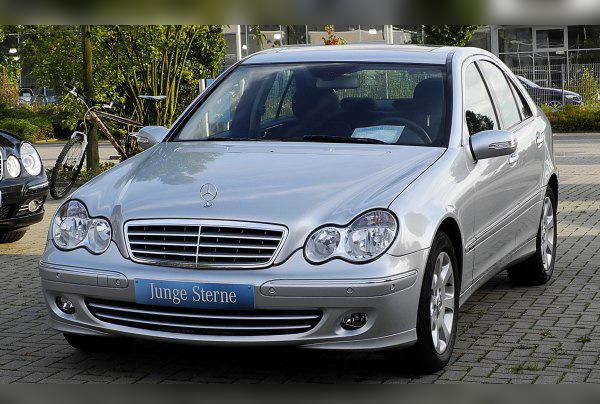
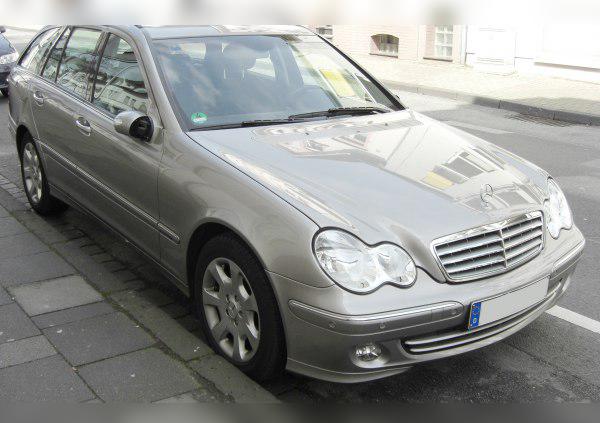
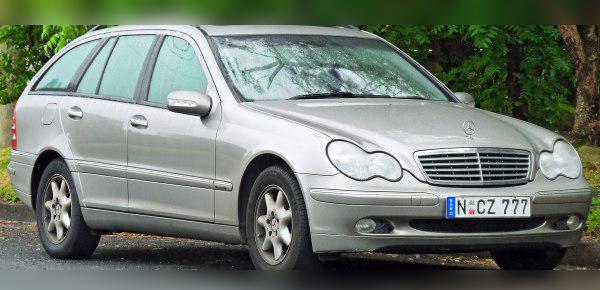
The engine designated as OM 612.962 is one of Mercedes’ legendary first- and second-generation Common Rail diesel units (CDI). It is a 2.7‑liter inline five-cylinder that, in its day, offered a fantastic balance between performance and efficiency. Thanks to its high torque, this engine was a perfect match for models such as the C‑Class (W203/S203) and the attractive CLK (C209).
The five-cylinder architecture brings a specific running character – it is a bit louder at idle than a six‑cylinder, but offers much more low‑end pull than typical four‑cylinder engines. Drivers appreciate it for the longevity of the engine block, but like every more complex diesel of that era, it has its specific weaknesses that require an experienced mechanic’s attention.
Technical specifications
| Specification | Data |
|---|---|
| Engine code | OM 612.962 |
| Displacement | 2685 cc |
| Power | 125 kW (170 hp) |
| Torque | 400 Nm |
| Number of cylinders | 5 (inline) |
| Injection type | Common Rail (direct injection) |
| Charging | Variable-geometry turbocharger (VGT) with intercooler |
Reliability and maintenance
Timing chain and servicing
This engine uses a timing chain instead of a timing belt. The chain is generally very robust and durable, often lasting over 350,000 km. Because of that, this engine does not have a classic “major service” in the sense of replacing a timing belt every 60,000 or 80,000 km. However, the so‑called “major service” on this engine refers to replacing the water pump, thermostat, auxiliary (serpentine) belt, idler pulleys and tensioner, which in practice is done at around 100,000 to 120,000 km. If you hear rattling from the front of the engine on a cold start, that is a symptom of a stretched chain or a worn hydraulic chain tensioner, which requires immediate replacement.
Oil and oil consumption
The sump holds between 6.5 and 7 liters of oil (depending on the filter). The recommended viscosity is 5W‑30 or 5W‑40 that meets MB 229.3, or preferably MB 229.5 (if there is no DPF). As for oil consumption between services (recommended every 10,000 to 15,000 km), a healthy unit should not consume more than 0.5 to 1 liter per 10,000 km. Increased oil consumption usually points to worn piston rings or, far more often, oil leaking past the turbocharger shaft seals.
Injectors and Common Rail system
The engine is equipped with first/second‑generation Bosch Common Rail injectors. The injectors themselves are extremely robust and, with good-quality fuel, easily cover 250,000 to 300,000 km without issues. However, the biggest weakness of this engine is the so‑called “Black Death”. The cause is the failure of the copper washer (seal) between the injector and the cylinder head. Symptoms include: exhaust smell in the cabin, a hissing “chuff‑chuff” sound while the engine is running, and the appearance of hard, black tar around the injectors under the plastic engine cover. If this is not resolved in time, the injector can seize in the head, making removal a nightmare for mechanics.
Specific parts and costs
Dual-mass flywheel
If the engine is paired with a manual gearbox, it uses a dual‑mass flywheel. Its service life is around 200,000 km, depending on driving style. Symptoms of a worn flywheel include strong vibrations when starting and stopping the engine, juddering when pulling away, and a characteristic knocking noise at idle. A clutch kit with dual‑mass flywheel for this engine is expensive (varies by market).
Turbocharger
The engine has a single variable-geometry turbocharger (VGT). Its lifespan is long, and it rarely fails on its own. However, due to city driving, soot often blocks the variable-geometry vanes. The symptom is the car going into limp mode under heavy throttle – the engine loses power and will not rev past 3000 rpm. In most cases, cleaning the turbo is sufficient, but a full turbocharger rebuild is not cheap (varies by market).
Intake manifold, EGR and DPF
This is one of the most critical points of the OM 612 engine. The intake manifold is equipped with swirl flaps. Over time, the linkage that actuates them wears out, and the flaps themselves can get stuck or break due to soot deposits from the EGR valve. If they break, the pieces fall directly into the cylinders, which results in total engine destruction. Because of this, most owners proactively remove the flaps physically and blank off the intake manifold. The EGR valve is a classic problem – it often clogs and requires regular cleaning.
As for the DPF filter, early OM 612 models usually do not have one from the factory (they only have catalytic converters), but depending on the year, market and Euro emission standard, some models may have a retrofitted or factory‑fitted closed‑type DPF. Where it is present, clogging is a common issue if the car is not regularly driven on the open road. This engine does not have an AdBlue system, which is great news in terms of maintenance costs.
Fuel consumption and performance
Although powerful, with five cylinders and a 2.7‑liter displacement, the OM 612 is not a city fuel‑economy champion. Real‑world consumption in city driving is between 8.5 and 10.5 l/100 km, especially when combined with an automatic gearbox and in winter conditions.
In terms of performance, the engine is anything but sluggish. With 400 Nm of torque, the C‑Class and CLK pull very strongly right from the bottom of the rev range. This engine gives a feeling of massive power. Its natural habitat is the motorway. Thanks to the gearing (especially with the automatic), at 130 km/h the engine cruises at very low revs (around 2200–2400 rpm) in near silence, and fuel consumption drops to an excellent 5.5 to 6.5 l/100 km.
Additional options and modifications (Chiptuning)
This engine block is extremely “beefy” and robust, and responds very well to software power increases. A safe Stage 1 remap can raise the power from the stock 170 hp to around 200 to 210 hp, while torque climbs to an impressive around 480 Nm.
However, caution is needed here: if you have a manual gearbox, that much torque can rapidly wear out the dual‑mass flywheel and clutch. If you have an automatic gearbox, it can handle this torque, but only if it has been perfectly maintained and the valve body (hydraulic control unit) is in flawless condition.
Gearbox and powertrain
With the OM 612 engine, the following were fitted:
- 6‑speed manual gearbox
- 5‑speed automatic gearbox (the famous 5G‑Tronic, code 722.6)
Manual gearbox
The mechanical part of the manual gearbox is practically indestructible. The main expense and most common failure is the aforementioned dual‑mass flywheel. It is recommended to change the oil in the manual gearbox every 100,000 km to preserve the synchros.
Automatic gearbox (5G-Tronic)
This is one of the most reliable automatic gearboxes Mercedes has ever made. Still, it is not without faults. The most common failures include the conductor plate in the gearbox, where the speed sensors fail, which manifests as the gearbox getting stuck in one gear (gearbox limp mode). Another issue can be the so‑called torque converter, specifically its lock‑up clutch. The symptom of a failing converter is shuddering (a droning vibration) of the whole car at around 60–80 km/h, similar to driving over rumble strips on the road.
Servicing the automatic is mandatory. The oil, filter and pan gasket must be replaced every 60,000 km. If this is done regularly, this gearbox will outlive the car’s body.
Buying used and conclusion
What to check before buying?
- Cold start: Listen to the chain in the first three seconds after starting. It must not rattle.
- Remove the plastic engine cover: Mandatory! Check whether there is any black crust (tar) around the injectors, which indicates leaking seals.
- Check the intake manifold: Visually inspect whether the linkage under the intake manifold is oily and whether it is in place.
- Automatic gearbox test drive: The gearbox must shift imperceptibly, without jerks when selecting ‘D’ or ‘R’, and without vibrations when accelerating from low revs.
- Black smoke: Heavy black smoke at full throttle indicates a split intercooler hose, a faulty EGR valve, or leaking injectors.
Who is this engine for?
The Mercedes 2.7 CDI (OM 612) is an excellent engine for people who cover high mileage on the open road and need a reliable vehicle with serious power reserves for overtaking. It is not recommended for those who drive only short city trips, as they will clog it up, foul the EGR and intake manifold, and fuel consumption will be unjustifiably high compared to the smaller four‑cylinder 2.2 CDI (OM 646) engine. If you find a car with a proper service history and with the intake swirl flaps removed/blanked off, you are getting a true cruiser that can easily cover more than half a million kilometers.