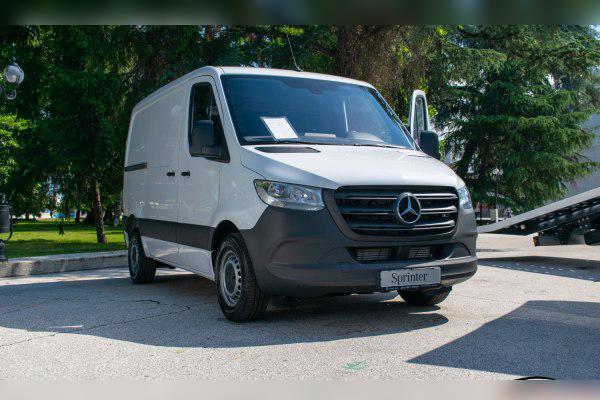
Mercedes OM 651 Engine (143 HP): Experiences, Problems, Fuel Consumption and Buying Used
Key points (TL;DR)
- The timing chain is located at the rear (towards the cabin), which makes replacement extremely labor‑intensive and expensive.
- Power of 105 kW (143 HP) and 330 Nm is the sweet spot for the Mercedes Sprinter – a reliable compromise between performance and fuel consumption.
- The AdBlue (SCR) system causes the most headaches on newer Euro 6 generations (pump failures, tank heater and NOx sensors).
- Large oil capacity (often over 10 liters in commercial sumps) means more expensive regular servicing, but also better lubrication and cooling of the engine.
- Dual‑mass flywheel is present on versions with a manual gearbox and represents a significant cost after around 200,000 km.
- Automatic gearboxes (7G‑Tronic and 9G‑Tronic) are fantastic, provided that the oil is strictly changed every 60,000 to 80,000 km.
Contents
- Introduction: The Workhorse from Stuttgart
- Technical Specifications
- Reliability and Maintenance
- Specific Components (Costs and Failures)
- Fuel Consumption and Performance
- Additional Options and Modifications
- Transmission and Drivetrain
- Buying Used and Conclusion
Introduction: The Workhorse from Stuttgart
The Mercedes‑Benz OM 651 engine is one of the most widespread and most important diesel units in the modern history of this manufacturer. In the 2143 cc and 143 HP (105 kW) version, this engine has proven to be an absolute favorite in the commercial sector, specifically in Mercedes‑Benz Sprinter (W907 and W910) models with 214 CDI, 314 CDI and 414 CDI badges. Whether it’s hauling heavy loads or delivering parcels in city centers every day, the OM 651 is designed for hundreds of thousands of kilometers. However, its complexity, strict Euro 6 standards and specific construction require a driver and owner who knows exactly what they are driving and how to maintain it.
Technical Specifications
| Specification | Data |
|---|---|
| Engine code | OM 651 (DE 22 LA) |
| Displacement | 2143 cc |
| Power | 105 kW (143 HP) |
| Torque | 330 Nm |
| Fuel | Diesel |
| Injection type | Common Rail (Direct injection) |
| Charging | Turbocharger with intercooler |
Reliability and Maintenance
Timing chain or belt and major service?
One of the most important things you need to know about the OM 651 engine is that it uses a timing chain, not a timing belt. However, the engineers placed this chain on the rear side of the engine (between the block and the gearbox). Because of this, there is no fixed interval for a “major service”. The chain is replaced when it starts to make noise (symptoms: rattling on cold start or metallic noise at idle). In practice, this happens between 250,000 and 350,000 km. When the time comes for replacement, the procedure is complex – it often requires removing the engine or taking off the gearbox, which makes labor hours very expensive (depends on the market).
Most common failures
Although the engine block itself is extremely robust, the ancillary components can cause headaches. The most common failures include:
- Coolant leaks: The water pump and thermostat housing, often made of plastic, become brittle over time due to constant temperature changes. Coolant leaks are a common occurrence.
- Intake manifold swirl flaps: Due to soot buildup from the EGR valve, the flap mechanism can stick. Symptoms include loss of power, jerking while driving and the “Check Engine” light coming on.
- Exhaust gas temperature sensors: They often fail, which directly interrupts the DPF regeneration process.
Engine oil: Capacity, grade and consumption
In commercial vehicles this engine has a very large oil sump for better oil cooling. During a minor service a Sprinter takes as much as between 10.5 and 11.5 liters of oil (needs to be checked by VIN and sump design). It strictly requires synthetic oil of grade 5W‑30 that meets MB 229.51 or 229.52 specifications (low‑ash oil because of the DPF).
As for consumption, the OM 651 is not an “oil burner”, but it is completely normal that between two services (every 15,000 km) it consumes from 0.5 to 1.5 liters of oil, especially if the vehicle is constantly loaded or driven on long motorway trips at higher revs.
Specific Components (Costs and Failures)
Injection system and injectors
The engine uses a high‑precision Common Rail system. Earlier generations of the OM 651 had issues with piezo injectors, but in the generations installed in W907/W910 models (Euro 6), the system has been significantly improved (mostly electromagnetic injectors). Injector lifespan is on average around 250,000 to 300,000 km. Due to poor‑quality fuel or infrequent filter changes, they can start to “overfuel” or fail to atomize properly. Symptoms include rough idle, smoke from the exhaust under acceleration and increased fuel consumption. Injector refurbishment or replacement falls into the category: expensive (depends on the market).
Turbocharger
The turbocharger (on this power level usually with variable geometry – VGT) is generally very durable. Its service life directly depends on the quality of engine oil and driver habits. If you switch off the engine immediately after heavy load on an uphill, the oil in the hot turbo loses its properties, which over time damages the bearings. With proper maintenance, the turbo often outlasts 300,000 km.
EGR, DPF and the infamous AdBlue system
Since it complies with Euro 6 standards, this engine is equipped with a DPF filter and an EGR valve. In delivery vehicles that are constantly driven in city centers (frequent stop‑and‑go cycles), the EGR valve and intake manifold quickly clog with soot, and the DPF fills up fast because it does not reach the required 600 °C for passive regeneration.
The AdBlue (SCR) system is a story of its own. Yes, this engine has it and it causes serious problems. The most common failures are the AdBlue tank heater, level sensor or the NOx sensors in the exhaust. Symptom: a message appears on the dashboard that the vehicle will not be able to start after a certain number of kilometers if the fault is not rectified. Repairing these modules is very expensive (depends on the market).
Fuel Consumption and Performance
City driving vs. Motorway
The Sprinter is a heavy and tall vehicle with significant aerodynamic drag. Real‑world city consumption is around 10 to 12 l/100 km, depending on load and driving style.
On open roads the situation is better, but on the motorway at 130 km/h aerodynamics take their toll, so consumption is around 10 to 11 l/100 km. At a cruising speed of 130 km/h in top gear (depending on which differential the vehicle has, since commercial vehicles offer several final drive options), the engine usually spins between 2400 and 2700 rpm.
Is 143 HP too little for this body?
The torque of 330 Nm, available at low revs, saves the day. This engine is by no means “sluggish” if you are carrying a standard load. It represents an absolutely ideal balance for everyday work. However, if you order the longest and tallest version (Maxi) and often haul the maximum permitted payload over serious mountain passes, you will feel it running out of breath when overtaking, and in that case the 163 HP or 190 HP option would be more appropriate.
Additional Options and Modifications
Remapping (Chiptuning / Stage 1)
The OM 651 is extremely “tuning‑friendly” when it comes to ECU remapping. Given that this same engine block is delivered from the factory with more power in other versions, a safe “Stage 1” can raise power from 143 HP to an impressive 170 to 180 HP, while torque climbs to over 400 Nm. If the modification is carried out by a professional, performance under load becomes incomparably better, with potentially lower fuel consumption. However, keep in mind that higher torque puts additional stress on the dual‑mass flywheel and the torque converter in the automatic gearbox.
Transmission and Drivetrain
Types of gearboxes and common failures
The W907 (rear‑wheel drive) and W910 (front‑wheel drive) offer different configurations:
- 6‑speed manual gearbox: Mechanically very reliable, but paired with a dual‑mass flywheel. Replacing the clutch kit and dual‑mass flywheel is a routine job after around 200,000 km. Knocking noises at idle, vibrations when pulling away and a heavy clutch pedal are symptoms of wear. Cost: very expensive (depends on the market).
- Automatic gearboxes (7G‑Tronic and the newer 9G‑Tronic): These are top‑class transmissions that provide huge comfort in stop‑and‑go conditions. The most common failures occur solely due to lack of maintenance. If dirty oil clogs the valve body (mechatronics), you will feel harsh jerks when shifting gears.
Automatic gearbox maintenance
The oil and filter in these automatic gearboxes MUST be changed every 60,000 to a maximum of 80,000 km. If you respect this interval, the gearbox will easily outlast many other components on the vehicle.
Buying Used and Conclusion
What to check before buying?
If you are buying a used Sprinter with the OM 651 (143 HP) engine, make sure you insist on the following:
- Cold start: Ask the seller not to start the van before you arrive. During the first crank, listen carefully to the rear of the engine. If you hear a sharp metallic rattle for the first 2–3 seconds, it is a clear sign that the timing chain is stretched.
- Exhaust and DPF: Wipe the inside of the tailpipe with a white tissue. If a layer of black oily soot remains, the DPF filter is probably punched out, damaged or completely full, which requires immediate attention.
- Diagnostics (dedicated equipment required): Standard diagnostics often cannot read specific Mercedes fault codes. A deep check of DPF saturation, injector correction values and AdBlue module operation is necessary.
Conclusion
The OM 651 with 143 HP in the Sprinter is a true workhorse designed for serious business. It is not built to be “cheap to maintain” like small cars, but to be robust and pay for itself through the kilometers it covers. Who is it for? Business owners and drivers who need a reliable compromise between pulling power for cargo and reasonable fuel consumption. If you are prepared for somewhat higher maintenance costs of the complex emissions system (DPF, AdBlue) and a possible chain replacement at high mileage, this engine will reward you with exceptional endurance on the road.