Mercedes-Benz OM 651.921 (204 HP): Experiences, problems, fuel consumption and used car buying guide
- Powerful and flexible: With 500 Nm of torque, it delivers six‑cylinder performance with four‑cylinder fuel consumption.
- Timing chain: Located at the rear of the engine (towards the cabin), which makes replacement more difficult and more expensive.
- Bi‑Turbo system: Two turbochargers eliminate turbo lag, but double the potential repair costs.
- Emissions and sensors: DPF, EGR and AdBlue (BlueTEC) systems require regular highway driving and are prone to failures in urban stop‑and‑go conditions.
- Transmissions: 7G‑TRONIC PLUS and 9G‑TRONIC are excellent, provided the oil is changed strictly every 60,000 to 80,000 km.
- Intended use: Ideal for motorways and long distances; avoid if you mostly drive short stop‑and‑go trips.
Contents
- Introduction to OM 651.921
- Technical specifications
- Reliability and maintenance
- Specific parts and costs
- Fuel consumption and performance
- Additional options and modifications
- Transmission and drivetrain
- Buying used and conclusion
Introduction to OM 651.921
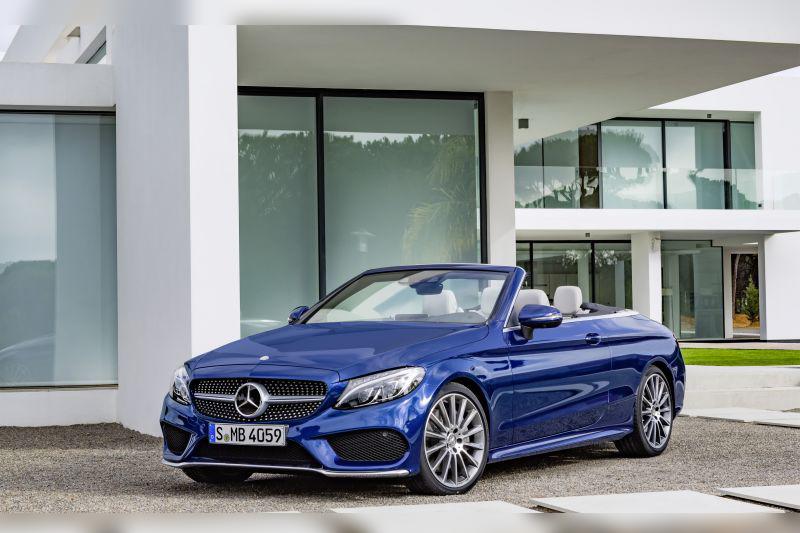
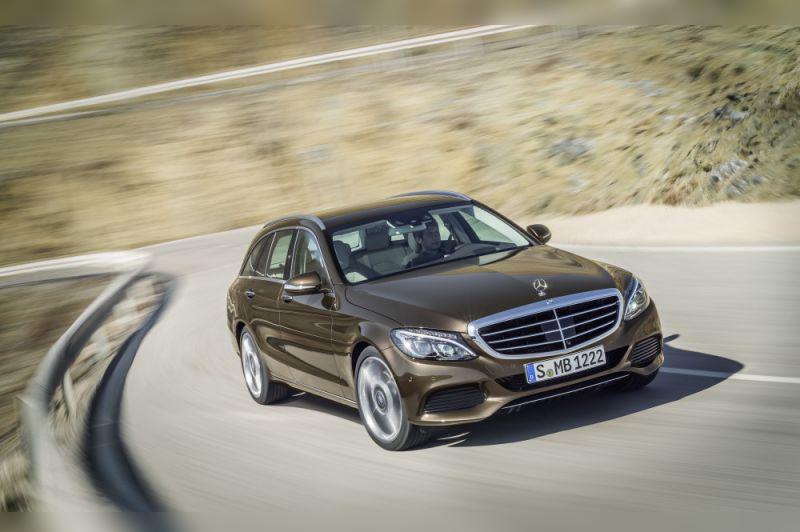
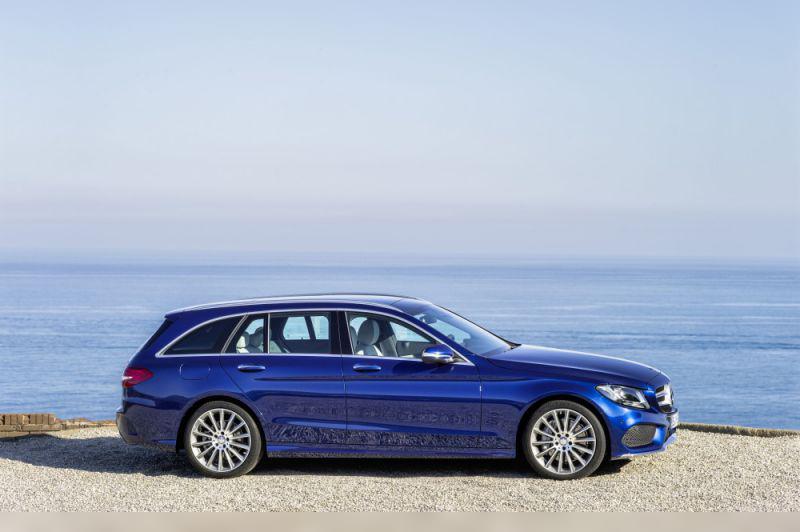
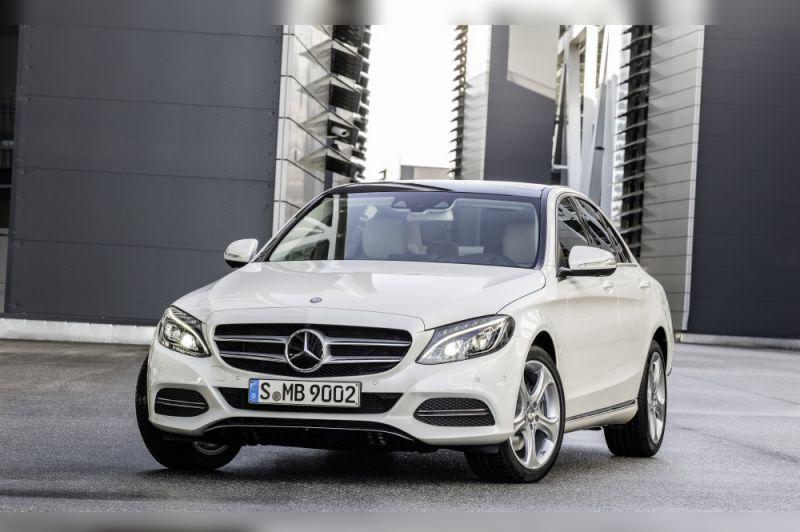
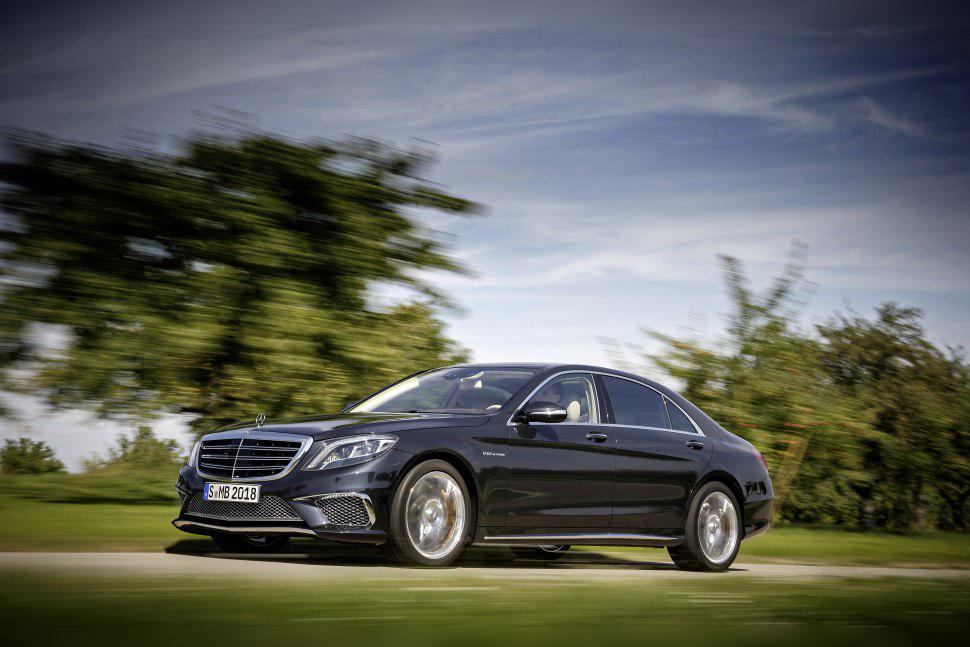
The engine designated as OM 651.921 represents the pinnacle of Mercedes‑Benz’s renowned 2.1‑liter diesel family. With its 150 kW (204 HP) and massive 500 Nm of torque, this engine was installed in a wide range of vehicles – from the agile C‑Class (W205, C205) all the way to the luxurious S‑Class (W222), where it was often paired with a hybrid system (C 300h and S 300h). As a mechanic and editor, I can tell you this is an extremely capable engine, but its high level of engineering complexity comes with specific requirements when it comes to maintenance.
Technical specifications
| Parameter | Specification |
|---|---|
| Displacement | 2143 cc |
| Power | 150 kW (204 HP) |
| Torque | 500 Nm |
| Engine code | OM 651.921 |
| Injection type | Common Rail (piezo injectors) |
| Turbo/Naturally aspirated | Bi‑Turbo (two turbochargers), intercooler |
Reliability and maintenance
Timing chain and major service
This engine uses a timing chain instead of a timing belt. The most important thing you need to know is that the timing assembly is located at the rear of the engine, facing the firewall. There is no classic “major service” at a prescribed mileage, but in practice the chain usually stretches between 200,000 and 250,000 km. The driver will notice this as a characteristic metallic rattle on cold start that lasts a few seconds until the tensioner builds oil pressure. Replacing the chain is quite a demanding job (often the engine has to be removed or the gearbox taken out), which means the service is very expensive (depends on the market).
Oil and regular servicing
The oil pan of this engine holds about 6 to 6.5 liters of oil (the exact amount depends on the presence of 4MATIC and the shape of the sump). Due to the presence of a DPF filter, it is absolutely mandatory to use oil with specifications MB 229.51 or MB 229.52, usually in viscosity grades 5W‑30 or 0W‑30. As for oil consumption, it is completely normal for the engine to consume around 0.5 to 1 liter of oil between 15,000 km intervals, especially if it is often driven under full load on the motorway. Oil change intervals beyond 15,000 km should be strictly avoided for the sake of turbocharger and chain longevity.
Injectors and common failures
The injection system uses advanced piezo injectors that operate under extremely high pressures. They have proven to be surprisingly durable compared to the first generations of OM 651 engines and can easily exceed 200,000+ km with good‑quality fuel. However, if they fail, refurbishment is often impossible or not cost‑effective, so new ones have to be purchased, which is expensive (depends on the market). Symptoms of faulty injectors include rough idle (shuddering), a harsh knocking sound and white smoke on cold start. Other common issues include coolant leaks at the water pump and oil filter housing, as well as sticking swirl flaps in the intake manifold due to soot build‑up.
Specific parts and costs
Dual‑mass flywheel and turbochargers
This model is equipped with a dual‑mass flywheel. Even on versions with an automatic transmission, the torque converter (wandler) has integrated clutches and springs to dampen vibrations, and overhauling it is a serious expense. The 204 HP output is achieved thanks to the Bi‑Turbo system (one small high‑pressure turbocharger for low revs and one large low‑pressure turbocharger for high revs). Turbocharger lifespan is excellent; they often exceed 300,000 km without overhaul, but when replacement time comes, having two turbos doubles the workshop bill. Failures most often manifest as loss of power and “limp mode” due to failing vacuum actuators rather than the turbocharger rotors themselves.
DPF, EGR and AdBlue systems
As a modern diesel, this engine is fitted with both a DPF filter and an EGR valve. The EGR is extremely prone to soot build‑up if the car is mostly driven in the city, which leads to the engine “choking”. The DPF is robust, but urban stop‑and‑go driving fills it up quickly, so the ECU often interrupts regenerations. AdBlue (BlueTEC SCR system) is a story of its own: it is installed on most of these models to meet Euro 6 standards and it absolutely causes problems. The most common failures are NOx sensors, the AdBlue tank heater or the dosing pump. When the system fails, the ECU starts counting down the remaining kilometers until you can no longer start the engine. Maintaining and repairing this system is very expensive (depends on the market).
Fuel consumption and performance
City and highway
Real‑world fuel consumption in city driving for the C‑Class is around 6.5 to 7.5 l/100 km. If the engine is installed in a heavier S‑Class or combined with 4MATIC, expect around 8.0 to 9.0 l/100 km.
With 204 HP and as much as 500 Nm available from just 1,600 rpm, this engine is anything but sluggish. On the contrary, in‑gear acceleration is brutal and the vehicle’s weight is barely noticeable. The engine is a true “mile‑eater”. It shines on the motorway: in vehicles with the 9G‑TRONIC gearbox, at 130 km/h the engine cruises at a mere ~1,500 rpm. Cabin noise is low and fuel consumption drops to an impressive 5.0 to 5.5 l/100 km.
Additional options and modifications
Software optimisation, commonly known as chiptuning (Stage 1), is extremely popular on this engine. Since the engine is mechanically capable of withstanding huge forces, it is completely safe to increase power to around 235 to 245 HP and torque to a frightening 560 to 580 Nm. However, keep in mind that this drastic jump in torque puts a lot of stress on the timing chain, rear axle, engine mounts and the automatic transmission itself. If you go for a Stage 1 tune, be sure to shorten the oil change intervals for both the gearbox and the engine.
Transmission and drivetrain
You will rarely find a manual gearbox paired with this engine (it was fitted to lower‑powered variants, while the 204 HP versions are almost exclusively automatics). The main options are 7G‑TRONIC PLUS (seven speeds) and the newer 9G‑TRONIC (nine speeds). Hybrid models (C 300h and S 300h) use specifically adapted G‑TRONIC gearboxes with an integrated electric motor instead of a conventional torque converter.
The most common failures on older 7G‑TRONIC automatics are related to the mechatronics unit (valve body with sensors) and the wandler, which manifests as jerking when shifting from 2nd to 1st gear or vibrations under acceleration at around 1,800 rpm. The 9G‑TRONIC is noticeably more reliable and faster. Regular servicing is absolutely essential: you must change the oil and filter in the automatic transmission every 60,000 to 80,000 km. Neglecting this item guarantees a failure whose repair is extremely expensive (depends on the market).
Buying used and conclusion
What must you check?
When looking at a used car with the OM 651.921 engine, the most important thing is a cold‑start test. Open the bonnet before the first start and ask someone to start the car – listen to the rear of the engine. If you hear metallic scraping and rattling for a few seconds, prepare money for a timing chain replacement. Then check the exhaust system: any white smoke points to injector problems, while black smoke or frequent warning lights (Check Engine) indicate a clogged EGR, DPF or an issue with the AdBlue system. A proper factory diagnostic scan (Xentry/Star) is mandatory before purchase to check boost pressure, injector correction values and DPF condition.
Who is this car for?
The OM 651.921 is a fantastically engineered powerplant designed for serious mileage and open roads. If you need a car for a daily 5‑kilometre commute through city traffic, skip it – soot build‑up and emissions‑system issues will kill it. However, if you need a car for business trips, long journeys or family holidays, it will offer unreal driving dynamics with minimal fuel consumption. Just set some money aside for the inevitable timing chain replacement and regular gearbox servicing.