Mercedes-Benz OM 654.920 (190 HP): Experiences, problems, fuel consumption and used-car buying tips
- TL;DR – Key facts about the engine:
- New-generation engine: An aluminum block, steel pistons and fantastic efficiency make it significantly quieter and smoother than the old OM 651.
- Timing drive: Uses a chain mounted at the rear of the engine (next to the gearbox), which makes any replacement more expensive.
- Performance and versatility: In the A, B and CLA classes it delivers sporty performance, while in the heavy V-Class it behaves like an excellent, elastic cruiser.
- Biggest weak point (AdBlue): The selective catalytic reduction (SCR) system and NOx sensors are the most common reasons for visiting the workshop.
- Transmissions: Mostly paired with the 8G-DCT (dual-clutch) in smaller models and G-TRONIC (torque converter) in the V-Class. They require strict maintenance!
- DPF and EGR: Integrated very close to the engine block for faster warm-up, but city driving can still cause premature clogging.
Contents
- Introduction: About the OM 654.920 engine
- Technical specifications
- Reliability and engine maintenance
- Specific components and emissions (Turbo, DPF, AdBlue)
- Fuel consumption and real-world performance
- Gearbox, dual-mass flywheel and drivetrain
- Additional options and modifications (Remapping)
- Buying used and conclusion
Introduction: About the OM 654.920 engine
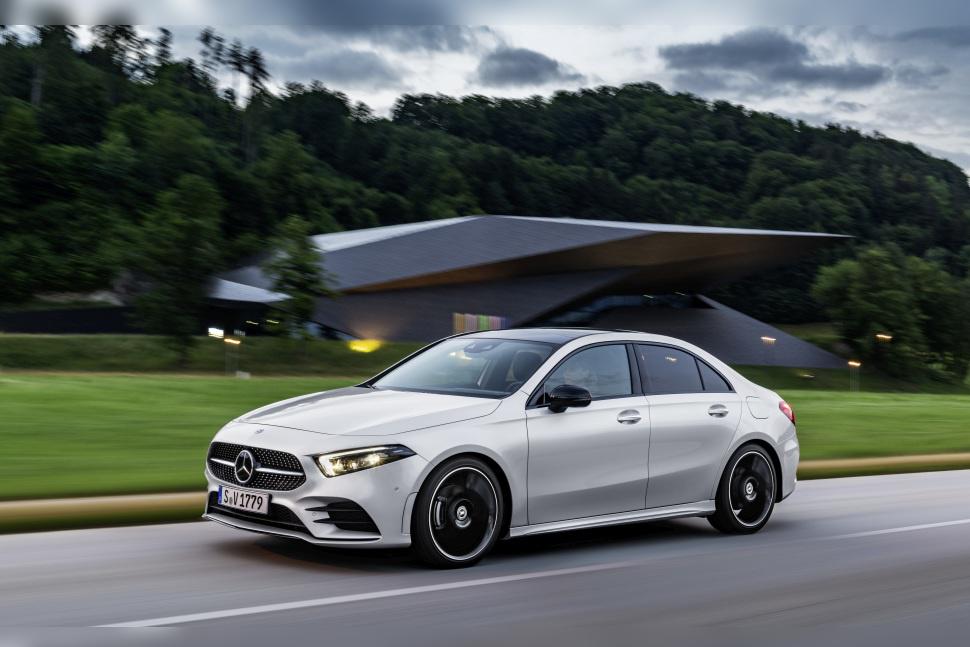
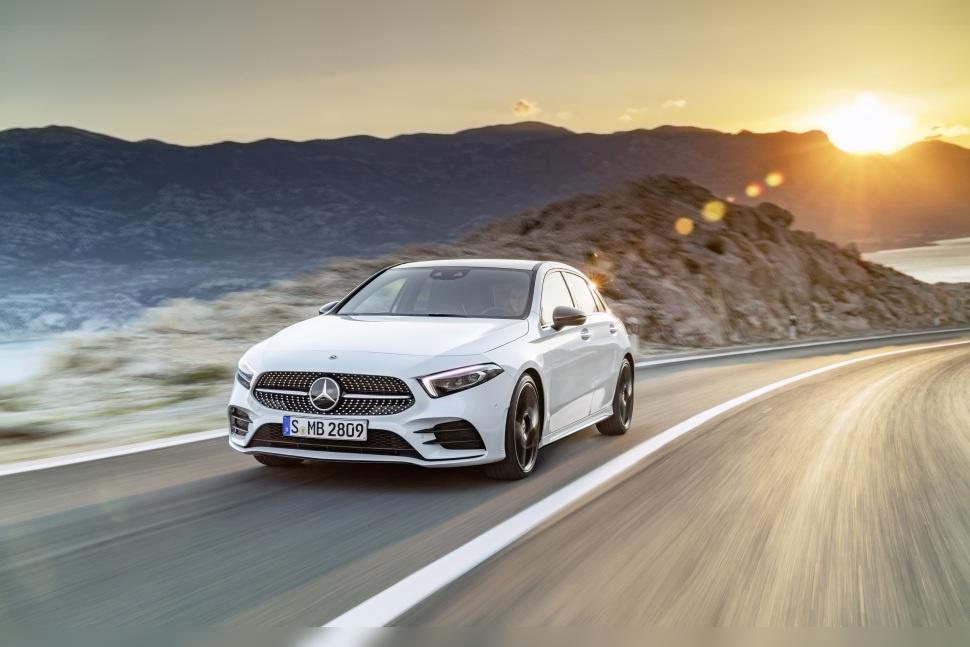
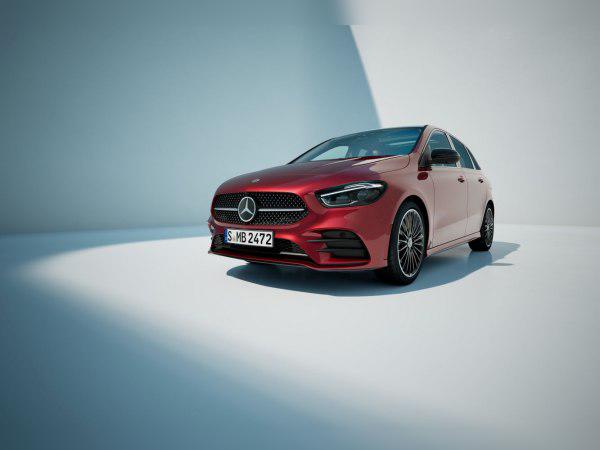
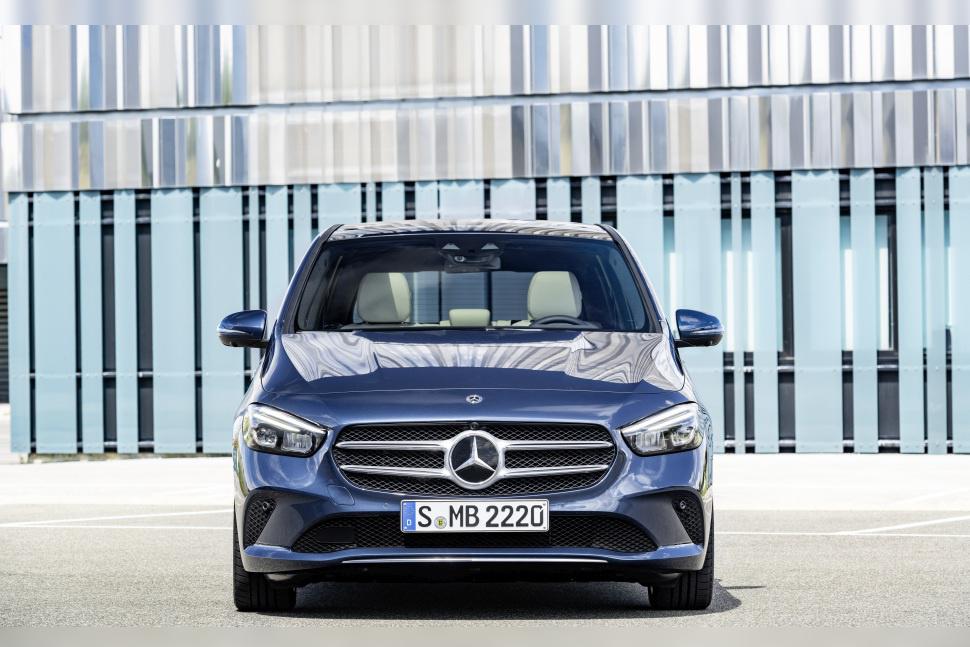
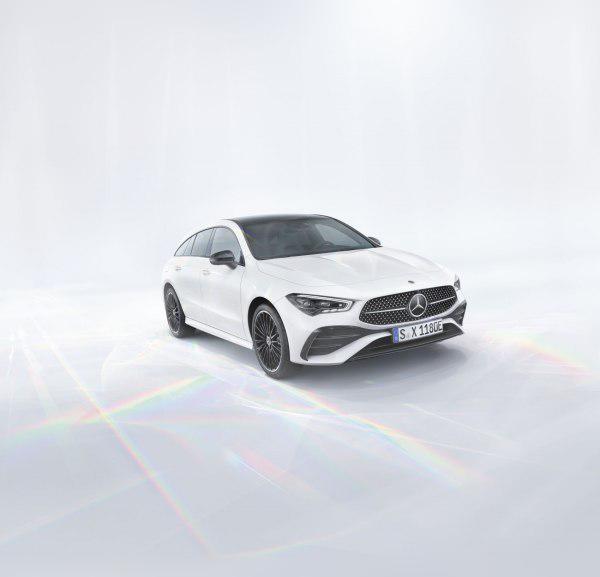
When Mercedes-Benz retired the legendary but noisy OM 651, the world got the OM 654 – a true masterpiece of modern engineering. Specifically, the OM 654.920 version with 140 kW (190 HP) and 440 Nm of torque represents the “golden middle” of the range. Interestingly, this engine is installed in completely different vehicle concepts: from compact city runabouts such as the A-Class (W177/V177) and the seductive CLA (X118), all the way to heavy, luxurious vans like the V-Class. Such a spread requires incredible thermal and mechanical stability. The engine uses an aluminum block combined with steel pistons and a cylinder coating (NANOSLIDE), which reduces friction and improves efficiency.
Technical specifications
| Engine code | OM 654.920 |
| Displacement | 1950 cc (2.0 l) |
| Power | 140 kW (190 HP) |
| Torque | 440 Nm |
| Injection type | Common Rail (Solenoid/Piezo), direct |
| Charging | Single turbocharger (VGT), intercooler |
| Timing drive | Chain (rear-mounted) |
Reliability and engine maintenance
Timing belt or chain?
This engine uses a chain to drive the camshafts and high-pressure pump. Mercedes has remained faithful to its architecture, so the chain is mounted at the rear of the engine (towards the firewall and gearbox). This means the engine is significantly smoother and shorter, but if the chain stretches, replacement is very labor-intensive because the engine usually has to be removed or lowered with the subframe, which drastically increases labor cost.
Most common failures and “teething problems”
The OM 654 is generally more reliable than its predecessor, but it is not immune to issues. The most common failures are related to the peripherals rather than the core mechanics (the crankshaft and pistons are extremely durable). NOx sensors and the AdBlue system module often fail. In earlier series (around 2018–2019), there were issues with valve rockers that could become noisy due to poor lubrication during cold starts, but this has mostly been resolved. The exhaust gas pressure sensor can also throw an error, causing the car to enter limp mode (reduced-power safety mode).
When is the “major service” due?
Since the engine uses a chain, there is no classic “major service” in the sense of a scheduled replacement every 100,000 km. However, practice and mechanics’ experience suggest that the chain, guides and tensioners should be checked preventively after 200,000 to 250,000 km. If you hear metallic rattling for 2–3 seconds on a cold start in the morning, it’s time for replacement. A complete timing overhaul is very expensive (depends on the market).
Oil: Quantity, grade and consumption
The engine takes about 6.0 to 6.5 liters of oil, depending on the specific oil pan used in the vehicle. Fully synthetic oil of grade 5W-30 or 0W-30 that meets the MB 229.52 specification is strongly recommended (mandatory due to the DPF filter and low ash content). As for consumption, it is normal to use around 0.2 to 0.5 liters per 10,000 km. If the car consumes more than 1 liter between services, the problem usually lies in the oil separator (PCV valve) or, in a worse scenario, oil loss at the turbo shaft.
How long do the injectors last?
The fourth-generation Bosch Common Rail system operates at extremely high pressure (up to 2050 bar). The injectors have proven to be extremely robust. With regular fuel filter changes and good-quality diesel, they easily last over 250,000 km. When they wear out, symptoms include rough idle, a pronounced “knocking” sound when the engine is cold, and harder starting. Injector refurbishment is possible at specialized Bosch service centers, but the job is relatively expensive (depends on the market).
Specific components and emissions (Turbo, DPF, AdBlue)
Turbocharger and injection system
The 190 HP version uses a single turbocharger with variable geometry vanes (VGT), optimized for quick response from low revs, cooled by both water and oil. Its service life is impressive – with regular oil changes it usually outlasts 250,000 km. If the car starts to whistle under load or emits bluish smoke, the turbo needs an overhaul.
DPF filter and EGR valve
The EGR valve and DPF are a sore point of every diesel, and this one is no exception. To meet Euro 6d standards, Mercedes integrated the DPF and SCR catalyst directly onto the engine block (sDPF). This allows the system to reach operating temperature quickly, making regeneration easier. However, the engine has dual EGR (low- and high-pressure). The high-pressure EGR valve is prone to soot build-up if the car is suffocated in stop-and-go city traffic. Symptoms of a clogged DPF/EGR are loss of power, frequent regenerations (cooling fan running and elevated idle) and higher fuel consumption.
AdBlue system: The biggest nightmare
Yes, this engine has AdBlue and yes, it causes problems. The pump in the AdBlue tank, its heater, and the NOx sensors in the exhaust are sensitive. Crystallization of the fluid often occurs at the injector that sprays urea into the exhaust, which results in an error on the instrument cluster and a warning that the car will not be able to start in, for example, 800 km. Maintenance involves regularly topping up fresh fluid (AdBlue ages over time), but when the system fails, repairs such as replacing the tank or NOx sensors are very expensive (depends on the market).
Fuel consumption and real-world performance
Real-world fuel consumption
Thanks to excellent engine management, fuel consumption is very low relative to the power output, but it varies drastically depending on the body style:
- A-Class, B-Class, CLA (W177/X118): In city driving they use between 6.0 and 7.0 l/100 km. On the open road this can drop below 4.5 l/100 km.
- V-Class (van weighing over 2 tons): In the city it easily swallows 8.5 to 10.5 l/100 km, depending on load and traffic.
Is the engine “lazy”?
In smaller vehicles (A, CLA) this engine is an absolute rocket. With 440 Nm on the front axle (or 4MATIC), acceleration is brutal and the engine is anything but lazy. However, in the V-Class Long or Extra Long it provides “optimal and comfortable” driving. It’s not a racer, but thanks to the high torque available from just 1350 rpm, it easily tackles inclines even when fully loaded with passengers.
Behavior on the motorway
On the motorway, the OM 654 really shines. At 130 km/h in 8th or 9th gear, the engine spins at just 1,700 to 1,900 rpm. The cabin is quiet (especially compared to older diesels), and there is instant power in reserve for overtaking. At 130 km/h, fuel consumption is around 5.5 l/100 km for saloons and up to 7.5 l/100 km for the V-Class.
Gearbox, dual-mass flywheel and drivetrain
Types of gearboxes and most common failures
With this 190 HP unit, manual gearboxes are a thing of the past. Depending on the platform, two completely different automatics are used:
1. 8G-DCT (Dual-clutch – wet): Installed in vehicles with a transverse engine (A, B, CLA). A very fast gearbox, but sensitive to dirty oil. Failures manifest as jerking when moving off or when shifting from 2nd to 1st gear. The problem is usually in the gearbox mechatronics.
2. 9G-TRONIC / G-TRONIC (Torque converter): Installed in vehicles with a longitudinal engine (V-Class). One of the best automatics on the market, offering exceptional smoothness. Failures are rare unless the vehicle tows heavy trailers without regular servicing.
Dual-mass flywheel and clutch
The situation depends on the gearbox:
- Models with the 8G-DCT have a dual-clutch pack and a dedicated dual-mass flywheel to absorb the torsional vibrations of the diesel engine. If the car shudders when switching off or jerks when moving uphill, a complete replacement of the clutch set and flywheel is very expensive (depends on the market).
- Models with the G-TRONIC gearbox (V-Class) do not have a conventional dual-mass flywheel and friction clutch (they use a hydrodynamic torque converter), so that cost does not exist in the usual sense, but overhauling the converter (and valve body) at very high mileage also hits the wallet hard.
Gearbox service
Changing the oil and filter in the gearbox is imperative! For the 8G-DCT it is recommended every 60,000 to 80,000 km. For the 9G-TRONIC, the manufacturer specifies an interval of around 125,000 km, but mechanics advise changing it at 80,000 to 100,000 km, with a mandatory system “flush”.
Additional options and modifications (Remapping)
How far can you go with a “Stage 1” remap?
This engine block in more powerful versions (e.g. OM 654 in the 300d) delivers 245 HP. Therefore, the 190 HP version (which has a smaller and different turbo compared to the top model) offers excellent potential. A safe Stage 1 software remap raises power to about 220 to 235 HP, while torque increases from 440 to an impressive 500+ Nm. The gearboxes (both 8G-DCT and 9G-TRONIC) are designed to handle this torque increase without clutch slip, but more frequent engine oil changes are required (every 10,000 km).
Buying used and conclusion
What to check before buying?
When buying a vehicle with the OM 654.920 engine, pay attention to the following:
- Chain rattle: Make sure the car is completely cold before you arrive. Listen to the rear of the engine during the first 5 seconds after starting.
- Diagnostics (Star diagnosis is a must!): Check the DPF status (percentage of ash content), and see whether the previous owner has been “clearing” AdBlue-related errors.
- Gearbox shifting: Start off without throttle on a slight incline. The DCT must not shudder, and the G-TRONIC must not clunk harshly when shifting between P-R-N-D.
- Inspection around injectors and valve cover: Remove the plastic engine cover and check for “black tar” (accumulated soot) around the injectors, which indicates leaking copper washers.
Who is this engine for?
The OM 654.920 is a dream engine for people who cover high mileage on open roads. Its efficiency and refined operation make it an excellent choice. However, if you plan to drive an A-Class or CLA 90% of the time in the city, to kindergarten and to a job 3 km away, avoid this engine. The expensive exhaust aftertreatment systems (DPF and AdBlue) will quickly clog up and your luxury Mercedes will spend more time at the mechanic undergoing forced regenerations. On the other hand, for V-Class drivers on long routes or business-class passengers, this is probably the best and most cost-effective diesel you can choose on the used-car market.