Mercedes OM 656.929 (400d): Experiences, problems, fuel consumption and used-car buying guide
Key points in short (TL;DR)
- Powerful and smooth: The inline-six delivers incredible refinement and a massive 700 Nm of torque, which allows it to move even the heaviest SUVs with ease.
- Chain-driven timing: The engine uses a timing chain mounted on the rear side of the engine (towards the gearbox), which makes the major service more complex and expensive.
- Emission systems are sensitive: The biggest issues come from the DPF filter, EGR valve and AdBlue system, especially if the car is driven exclusively in city traffic.
- Only one gearbox option: It is paired exclusively with the excellent 9G-TRONIC automatic transmission, which requires regular oil changes.
- Two turbos: The BiTurbo system works flawlessly, but demands top-notch maintenance and proper cool-down after hard driving.
- Expensive maintenance: Repairs and spare parts are very expensive (depends on the market), but the engine itself is generally extremely mechanically reliable.
Contents
- Introduction: The return of the legendary inline-six
- Technical specifications
- Reliability and maintenance
- Specific components and costs
- Fuel consumption and performance
- Additional options and modifications
- Transmission: 9G-TRONIC
- Buying used and conclusion
Introduction: The return of the legendary inline-six
After years of using V6 configurations (such as the famous OM642), Mercedes-Benz triumphantly returned to the inline-six architecture with the OM 656.929 engine. This powerplant, commercially known as the 400d, represents the pinnacle of today’s diesel technology. Built with an aluminium block, steel pistons and a NANOSLIDE cylinder coating, it is designed to reduce friction, improve efficiency and deliver refinement that rivals petrol engines.
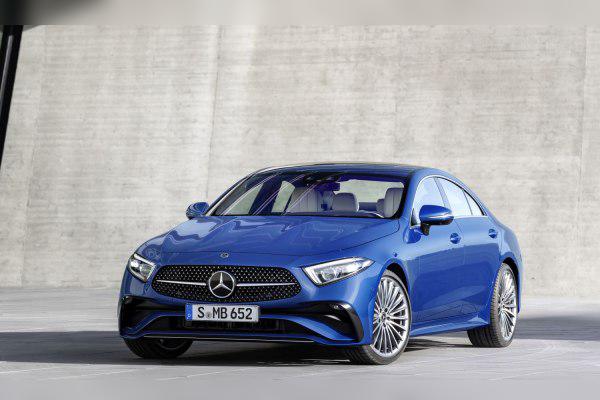
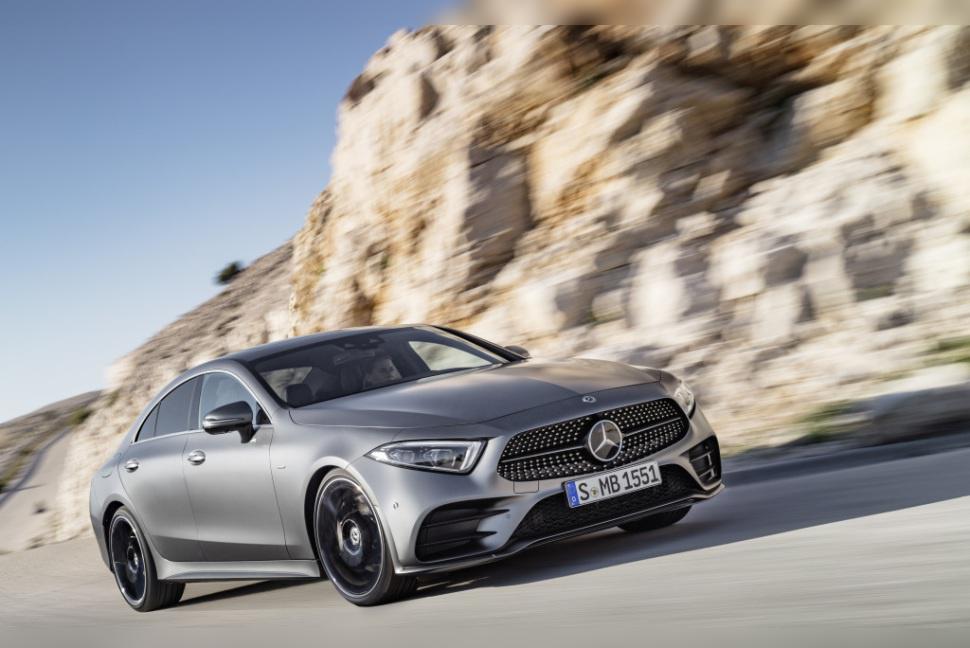
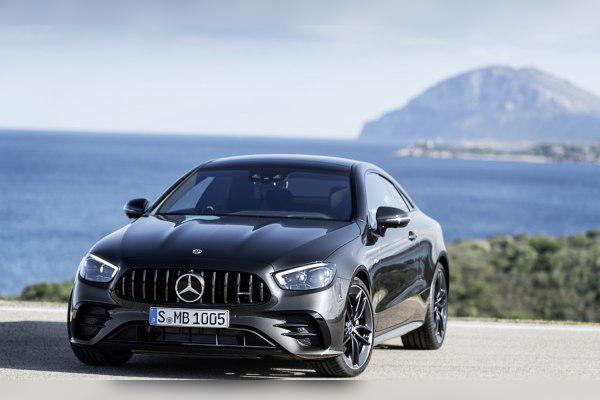
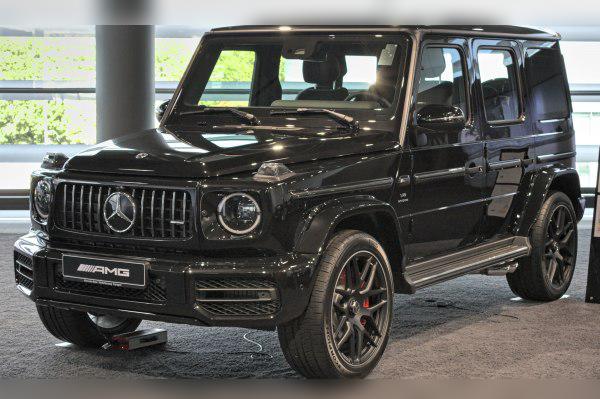
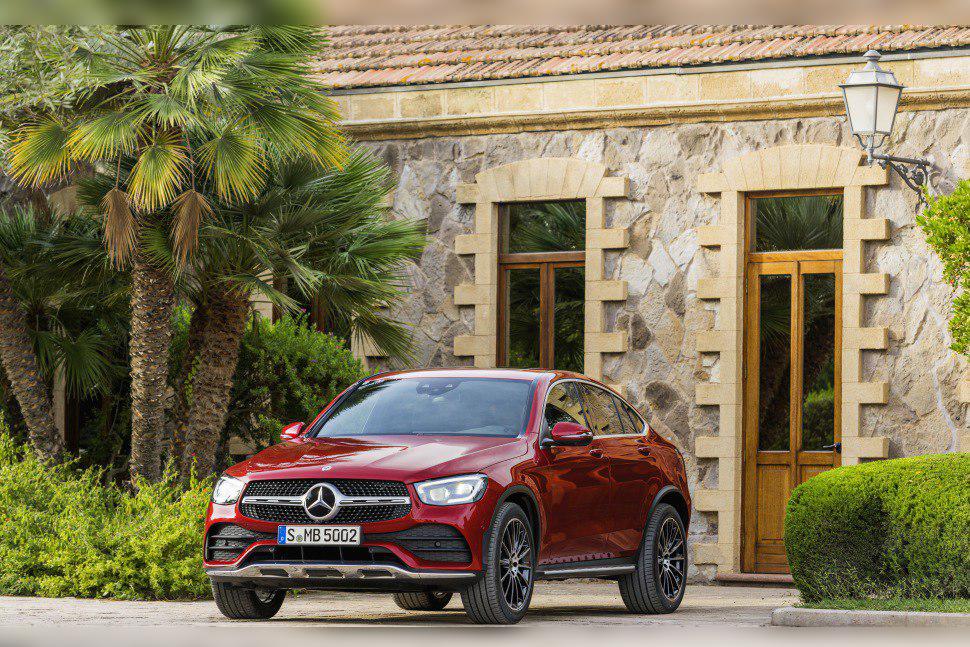
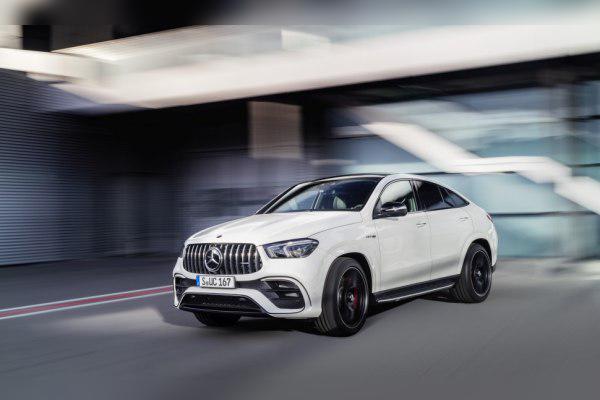
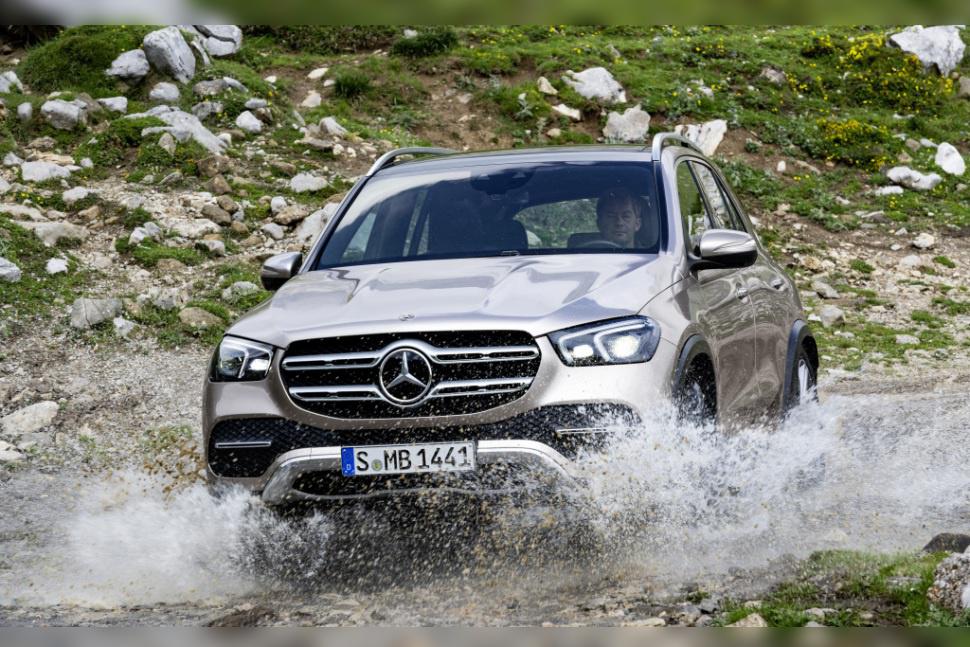
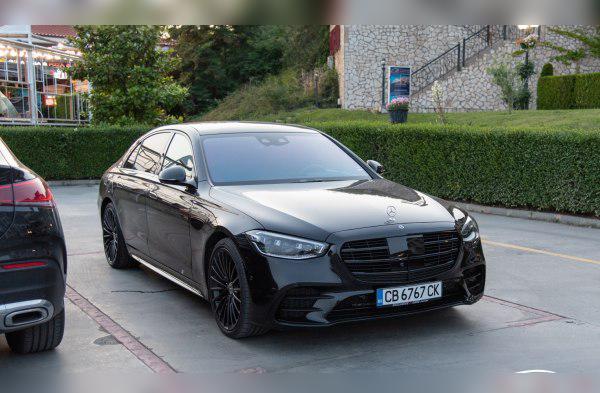
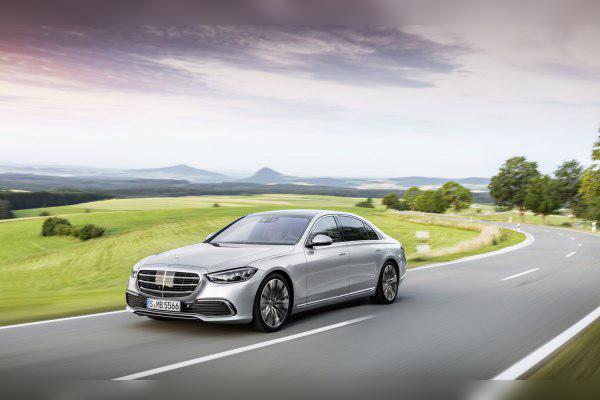
This gem with 330 hp and a massive 700 Nm of torque is installed in Stuttgart’s heavy artillery: saloons such as the S-Class (W223, V223) and CLS (C257), luxury coupés like the E-Class (C238), as well as heavy off-roaders and SUVs where its power is needed most – the G-Class (W463), GLE (V167, C167) and GLC (X253, C253). For all these models, the 400d is probably the most sensible choice, combining brutal power with reasonable fuel consumption.
Technical specifications
| Specification | Data |
|---|---|
| Displacement | 2925 cc |
| Power | 243 kW (330 hp) |
| Torque | 700 Nm |
| Engine codes | OM 656.929 |
| Injection type | Common Rail (high-precision piezo injectors) |
| Charging type | BiTurbo (two-stage turbo) with intercooler |
| Fuel type | Diesel (Euro 6d / Euro 6d-TEMP depending on model year) |
Reliability and maintenance
Timing system: timing belt or chain?
The Mercedes OM 656 uses a timing chain. However, there is a serious mechanic’s catch here: the chain is located on the rear side of the engine, towards the gearbox and firewall. This means that a major timing service requires removing the engine or taking down the gearbox. Although the chain is robust and built to last, this drastically increases labour costs when the time for replacement comes.
Most common failures and service intervals
Mechanically, the block, crankshaft and pistons are virtually indestructible if properly lubricated. The most common issues on the OM 656 are related to peripheral components and sensors:
- NOx and exhaust gas temperature sensors: They often fail due to high temperatures, which triggers the "Check Engine" light.
- Coolant leaks: Occasionally appear around the EGR cooler housing or at the water pump. A visual inspection is recommended at every minor service.
The major timing service (replacement of the timing chain and tensioners) does not have a strict factory interval, but in practice the chain starts to make noise (symptom: sharp rattling sound on cold start) between 200,000 and 250,000 km. The cost of this intervention is very high (depends on the market).
Oil: capacity, grade and consumption
This engine takes a serious amount of oil – around 8 to 8.5 litres. The manufacturer requires oil with specification MB 229.52 (most commonly 5W-30 or 0W-30), and it must be Low-SAPS because of the DPF filter. Minor services are scheduled every 15,000 km, although in heavy city use it is advisable to shorten this to 10,000 km.
As for oil consumption, the OM 656 performs excellently. Consumption of up to 0.5 l per 10,000 km is considered normal. If the engine starts "drinking" oil, the problem is usually not in the piston rings, but in the turbocharger bearings, which let oil into the intake or exhaust.
Injector condition and longevity
The injection system uses state-of-the-art piezo injectors operating at an incredibly high pressure (up to 2500 bar). The injectors are extremely durable and usually last over 250,000 km without issues. When they wear out, the symptoms are: rougher idle, increased black smoke (when the DPF can no longer burn everything off), slight rpm fluctuation and reduced performance. Repair/overhaul options for piezo injectors are limited, so they are usually replaced with new ones, which is extremely expensive (depends on the market).
Specific components and costs
Turbochargers: BiTurbo system
The engine has two turbochargers (a smaller high-pressure unit for low revs and a larger one for higher revs). This eliminates turbo lag and delivers those 700 Nm from very low down. Their service life is long and they usually last as long as the engine up to the major service, provided that oil changes are done on time. How can the driver notice a problem? The first symptoms are a whistling sound under load, lack of power on uphill sections, or the aforementioned increased oil consumption. Replacing the turbo assembly is very expensive (depends on the market).
EGR, DPF and AdBlue: the ecological "holy trinity"
This is the sorest point of every modern diesel, and the OM 656 is no exception.
- DPF and EGR: The engine has a complex system with both high-pressure and low-pressure EGR valves. If you drive the car exclusively on short trips, the EGR will clog up with soot and the DPF will not be able to regenerate properly. The symptoms are engine choking, entering "limp mode" (safety mode) and a drastic loss of power.
- AdBlue system (SCR): To meet Euro 6d standards, the engine uses AdBlue. Failures are very common: the pump in the AdBlue tank or the heater often fail. The cause is usually crystallisation of the fluid in the system. When a fault appears, the instrument cluster starts counting down the remaining distance (e.g. "No start in 800 km"). Fixing this issue (replacing the entire tank with pump) is extremely expensive (depends on the market).
Fuel consumption and performance
Real-world consumption and city driving
Even though it is extremely efficient, physics cannot be cheated. Fuel consumption depends on which body style the engine is installed in:
- Saloons (CLS, E-Class, S-Class): In heavy city traffic they use between 9 and 11 l/100 km. Their aerodynamics help on the open road.
- Off-roaders/SUVs (G-Class, GLE, GLC): Expect city consumption between 11 and 14 l/100 km. The G-Class, due to its "brick" aerodynamics and high weight, uses the most.
Dynamics and motorway driving
Is the engine "lazy"? Absolutely not. With 700 Nm available from around 1,200 rpm, this engine turns the G-Class into a rocket and the S-Class into a silent cruiser. The acceleration feels linear and strong.
On the motorway, at a speed of 130 km/h in ninth gear (9G-TRONIC), the engine spins at an incredibly low 1,400 to 1,600 rpm (varies slightly from model to model). This means tomb-like silence in the cabin, and fuel consumption on the open road can drop to an impressive 6.5 to 8 l/100 km.
Additional options and modifications
Potential for remapping (Stage 1)
Given that the engine is mechanically extremely robust, the potential for chiptuning (Stage 1) is phenomenal. With a software-only remap, this engine can be safely increased from 330 hp to around 380 to 400 hp, while torque jumps to a monstrous 800 to 820 Nm. The 9G-TRONIC gearbox can handle this torque without damage, provided you do not constantly abuse the car with standing-start launches (launch control).
Transmission: 9G-TRONIC
Types of transmission and torque converter
In all the mentioned models, the OM 656 is paired with the 9G-TRONIC automatic transmission only. A manual gearbox is no longer offered for this level of power and class.
Regarding the dual-mass flywheel: since this is a conventional automatic with a torque converter, it does not have a classic dual-mass flywheel with a clutch disc as found in manual gearboxes. However, the converter itself contains torsional vibration dampers. Torque converter failures are rare and manifest as shuddering when taking off or rpm fluctuation at a constant speed. Overhauling the converter is expensive (depends on the market).
Transmission failures and maintenance
The 9G-TRONIC itself is a masterpiece, faster and more reliable than the older 7G-TRONIC. The most common "issues" are actually harsh gear changes (especially from 3rd to 2nd), which are usually resolved by a software update or adaptation of the valves via the factory diagnostic tool.
Regular transmission servicing is mandatory! Changing the automatic transmission fluid (with system flushing and replacement of the filter integrated into the transmission pan) must be done every 60,000 to 80,000 km. This is critical for the longevity of the gearbox.
Buying used and conclusion
What to check before buying?
When buying a used Mercedes with the 400d engine, make sure to check the following:
- Cold start: Ask the seller not to start the car before you arrive. Carefully listen to the rear of the engine during the first 3–5 seconds after starting. If you hear a rattling sound "like on an old bicycle", the chain is due for replacement.
- Factory diagnostics (Xentry/Star): Always connect the car to diagnostics. Check the DPF saturation level and the fault history for the AdBlue system.
- Test drive: With the transmission at operating temperature (transmission oil over 60°C), gear changes must be completely smooth, without jolts when decelerating.
- Inspection of suspension and leaks: Check the area around the oil cooler and surrounding components (although it’s an inline engine, the cooler is on the side and can seep oil).
Conclusion
The Mercedes OM 656.929 (400d) engine is probably one of the best diesel engines in the world at the moment. It is intended for drivers who cover serious motorway mileage, those who often tow trailers, or simply enthusiasts who love massive torque without frequent visits to the fuel station. It is not intended for short trips from home to work (because the DPF and AdBlue will quickly cause very expensive problems). If you maintain it with top-quality oils and do not skimp on preventive servicing, this engine delivers a level of refinement and performance that very few competitors can match.