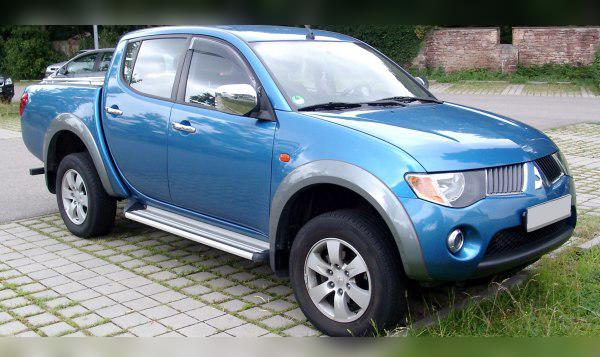
Mitsubishi 4D56 2.5 DI-D (136 HP): Experiences, issues, fuel consumption and used-buying guide
- Old-school with modern injection: An engine based on a proven block, but equipped with a Common Rail system.
- Biggest danger: Failure of the balance shaft belt, which gets caught in and tears the main timing belt – catastrophic engine damage guaranteed.
- Fuel consumption: Quite high in city driving; the vehicle’s aerodynamics and weight take their toll.
- Injectors and pump: Reliable Denso system, but sensitive to poor-quality fuel. The SCV valve often causes idle problems.
- Gearbox and drivetrain: Automatic gearboxes are virtually indestructible with regular maintenance, while manuals require expensive clutch replacements with a dual-mass flywheel.
- Purpose: A workhorse and off-roader, not a car for highway racing or urban stop‑and‑go traffic.
Contents
- Introduction and engine origins
- Technical specifications
- Reliability, maintenance and common failures
- Specific parts and costs
- Fuel consumption and real‑world performance
- Extras and “chipping” (Stage 1)
- Gearboxes, clutch and drivetrain
- Buying used and final verdict
Introduction and engine origins
When someone mentions a robust Japanese pickup or SUV from the early to mid‑2000s, there’s a good chance that a 4D56 is beating under the hood. This 2.5‑liter diesel is a true legend in Mitsubishi’s lineup. At its core, it’s an engine whose architecture dates back to the 1980s. However, the 100 kW (136 HP) version carries the DI-D (Direct Injection Diesel) designation, meaning it is equipped with a modern Common Rail fuel injection system, a variable-geometry turbocharger and an intercooler.
It was installed in true workhorses and body‑on‑frame SUVs such as the Mitsubishi L200 (fourth generation), as well as the Pajero Sport and Montero Sport. You shouldn’t expect sporty performance from this engine, but rather raw pulling power, the ability to tackle tough terrain and long life under heavy load.
Technical specifications
| Specification | Data |
|---|---|
| Engine code | 4D56 (DI-D) |
| Engine displacement | 2477 cc |
| Power | 100 kW (136 HP) at 4000 rpm |
| Torque | 324 Nm at 2000 rpm |
| Injection type | Common Rail (Denso) |
| Charging | Turbocharger (VGT), Intercooler |
| Valve timing drive | Timing belt (two belts) |
Reliability, maintenance and common failures
Timing belt and a ticking time bomb
Unlike many modern diesels that use a chain, the 4D56 uses a timing belt. What is specific (and crucial for maintenance) on this engine is the fact that it has two belts. One is the main timing belt that connects the crankshaft and camshaft, while the other, smaller belt drives the balance shaft (shafts that smooth out engine operation).
The most serious failure on this engine occurs when owners neglect to replace the small balance shaft belt. When it snaps due to age, its fragments get under the main timing belt, cause the timing to jump and lead to total engine destruction (bent valves, damaged pistons and camshaft). The major service must be done at 90,000 km or every 5 years, with mandatory replacement of both belts, all tensioners and the water pump.
Oil and oil consumption
The oil sump capacity is quite generous; the engine takes about 6 to 6.4 liters of oil (depending on the filter and cooler). High‑quality synthetic oil of 5W-30 or 5W-40 grade is recommended, especially for proper turbo lubrication. As for oil consumption, a healthy 4D56 should not burn large amounts. Factory tolerance allows up to 0.5 liters per 1000 km, but in practice, if the engine consumes more than 1 liter between two services (done every 10,000 to 15,000 km), this points to an issue with piston rings or oil leaks at the crankshaft and camshaft seals (quite common on older examples).
Injection system and injectors
The injection system is supplied by Denso. The injectors themselves are extremely robust and, with quality fuel and regular fuel filter changes, can easily last over 200,000 to 250,000 kilometers without issues. Symptoms of worn injectors include hard cold starts, black smoke under sudden acceleration and a harsher, metallic engine sound (so‑called “knocking”).
What fails incomparably more often than the injectors is the SCV valve (Suction Control Valve) on the high‑pressure pump. When it goes bad, the driver notices strong rpm fluctuations at idle, the engine may stall when coming to a stop, and the vehicle sometimes loses power and goes into limp mode.
Specific parts and costs
Clutch and dual‑mass flywheel
Although this is a “workhorse”, versions with a manual gearbox have a dual‑mass flywheel. Its purpose is to dampen the strong vibrations of the heavy 2.5‑liter block in order to protect the gearbox. Replacing the clutch kit and dual‑mass flywheel on these SUVs is very expensive (depends on the market), not only because of the price of the parts themselves, but also due to the complexity of the job (removing the heavy gearbox and transfer case).
Turbocharger and emissions (EGR, DPF, AdBlue)
The engine uses a variable‑geometry turbocharger (VGT). Turbo lifespan is generally excellent and it usually outlasts 250,000 km, but only if the engine is serviced regularly and the turbo is always allowed to cool down for a minute or two at idle before shutting off after heavy towing or highway driving. The variable‑geometry vanes can seize up from soot if the vehicle is constantly “lugged” at low revs in city traffic.
The EGR valve is a weak point and regularly clogs with soot deposits, which leads to power loss and smoke. Preventive cleaning every 50,000 km is recommended. As for the DPF filter (diesel particulate filter), its presence depends on model year and emissions standard (data varies around the Euro 4 to Euro 5 transition). Models equipped with a DPF clog it very quickly if the vehicle is used exclusively for short city trips. This engine does not have an AdBlue system, which is great news for used‑car buyers, as it eliminates one of the most failure‑prone and expensive systems on modern diesels.
Fuel consumption and real‑world performance
Do not fool yourself – Mitsubishi SUVs with the 4D56 engine are heavy (around two tons) and have the aerodynamics of a brick. Fuel consumption reflects these proportions.
- City driving: Real‑world consumption ranges between 11 and 13 liters per 100 km. Anything below that is unrealistic to expect.
- Performance and “sluggishness”: The engine delivers 136 HP and 324 Nm of torque. Due to the body weight and the way power is delivered, it feels somewhat “sluggish” in everyday traffic. Only above 2000 rpm, when the turbo builds boost, does the vehicle gain adequate acceleration. On uphill stretches under full load you will have to reach for the gear lever more often.
- Highway driving: This engine was not designed for fast European motorways. At 130 km/h, revs are high (often around 3000 rpm, depending on gear ratios), cabin noise is significant, and fuel consumption rises sharply, exceeding 12 l/100 km. Its ideal cruising speed without stressing the engine is between 100 and 110 km/h.
Extras and “chipping” (Stage 1)
Since the 136 HP version feels somewhat sluggish, many owners opt for a software tune (chiptuning – Stage 1). This block, known for its mechanical robustness, can easily handle an increase in power to around 160 to 170 HP and torque raised to roughly 400 Nm.
However, even though the engine itself can withstand this power, the key factor is the condition of the dual‑mass flywheel and clutch. If they are near the end of their service life, the extra torque will finish them off within a few months. Also, after chipping, pay close attention to coolant temperature during long climbs with a trailer, because the old 4D56 block can overheat if it is constantly pushed hard.
Gearboxes, clutch and drivetrain
The 4D56 engine with 136 HP was paired with both manual and automatic gearboxes. Both options are mated to the famous Mitsubishi Super Select 4WD or the standard Easy Select four‑wheel‑drive system.
- Manual gearbox (5‑speed): Very robust, but can cause headaches. The most common issue is wear of the second and third gear synchros, resulting in crunching during fast shifts. As mentioned, the cost of replacing the dual‑mass flywheel and clutch kit is quite high. The oil in the manual gearbox and transfer case should be changed every 60,000 km.
- Automatic gearbox (INVECS-II, 4 or 5‑speed): A much better choice for everyday driving. These are classic torque‑converter automatics. They are not quick when shifting and further increase fuel consumption in the city, but they are incredibly durable. Most common automatic gearbox failures are solely due to poor maintenance. Servicing (ATF oil and filter change) every 60,000 km is mandatory. If the gearbox jerks harshly when engaging “D” or “R”, or slips under acceleration, repairs are expensive (depends on the market).
Buying used and final verdict
What exactly should you check before buying?
When buying a used L200, Pajero or Montero Sport with this engine, you must thoroughly inspect the following:
- Cold start: The engine should fire up instantly. Long cranking or rough, fluctuating idle indicates a problem with the SCV valve or injectors.
- Sound check: Besides the characteristic diesel clatter, listen for any whistling from the turbo area or sharp metallic noises that may indicate stretched belts or bad bearings.
- Smoke check: Black smoke under full throttle often means a clogged EGR or injector issues. Blue smoke is a sign of burning oil (rings or turbo).
- Visual inspection underneath: These vehicles are often driven through mud and over rough terrain. Check whether the oil pan and gearbox show damage or oil leaks. Be sure to check the operation of the 4WD system and differential locks in all modes (2H, 4H, 4HLc, 4LLc) – these are the most valuable assemblies on this vehicle.
Conclusion: Who is this engine for?
The Mitsubishi 4D56 2.5 DI-D with 136 HP is not an engine for drivers who want silence, low fuel consumption and high highway speeds. This is a brutal tool. It is intended for hunters, foresters, off‑road enthusiasts and people who tow heavy trailers on a daily basis.
With strict and meticulous maintenance – especially when it comes to replacing both timing belts – this engine is a long‑distance runner that will not leave you stranded in the woods. If you are willing to pay a somewhat higher fuel bill in exchange for proven old‑school Japanese mechanics, this powerplant is an excellent choice for your off‑roader.