Engine 4N14 (2.2 Di-D) 150 HP: Experiences, issues, fuel consumption and tips for buying used
Key points (TL;DR)
- Timing chain engine: The timing system uses a chain that is quite durable, but it requires regular oil changes.
- Performance and pulling power: Extremely elastic unit with 380 Nm of torque, ideal for heavier SUVs and pick-up trucks.
- Achilles’ heel – DPF: City driving causes interrupted DPF regenerations, which leads to diesel mixing with engine oil (rising oil level).
- Gearboxes: Conventional automatic gearboxes (Aisin) paired with this engine are extremely reliable, unlike the sensitive dual-mass flywheels on manual versions.
- AdBlue system: Newer versions (from 2019 onwards) use AdBlue and can throw errors related to sensors or the pump (an expensive repair).
- Conclusion: A great engine for open road driving and towing, but the wrong choice if the car is used exclusively on short city trips.
Contents
- Introduction: Get to know the 4N14 engine
- Technical specifications
- Reliability and maintenance
- Specific parts and costs
- Fuel consumption and performance
- Additional options and modifications
- Gearbox: manual and automatic
- Buying used and conclusion
Introduction: Get to know the 4N14 engine
The engine designated as 4N14, commercially known as 2.2 Di-D (and on some markets and in newer models branded as 2.3 DI-D), is a showcase of Mitsubishi’s diesel engineering. It is a modernly designed unit that gained worldwide recognition thanks to an innovation – this is the first passenger diesel engine to use the MIVEC variable valve timing system, a technology previously reserved exclusively for petrol engines. Because of this, the engine runs incredibly smoothly and has a very low compression ratio (14.9:1) for a diesel.
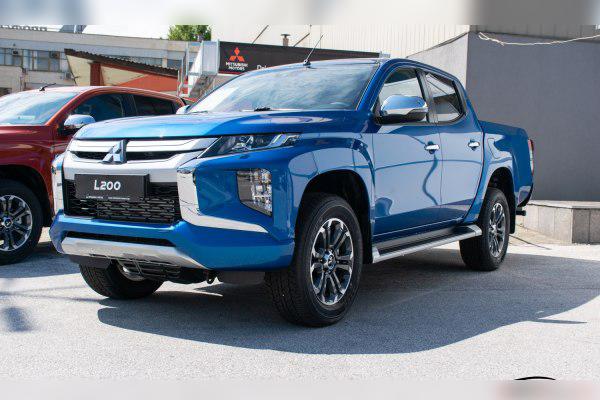
It has found its place across a whole range of vehicles equipped with serious 4WD systems. It was installed in the Mitsubishi Outlander, the compact ASX, the futuristic Eclipse Cross, all the way to workhorses such as the L200 (Triton). Thanks to its durability, it is appreciated by both family drivers and off-road workers across Europe.
Technical specifications
| Displacement: | 2268 cc |
| Power: | 110 kW (150 HP) |
| Torque: | 380 Nm |
| Engine code: | 4N14 |
| Injection type: | Common Rail (direct injection) |
| Turbo/Naturally aspirated: | Variable geometry turbocharger (VGT) + intercooler |
Reliability and maintenance
Timing belt or chain?
The 4N14 engine uses a timing chain to drive the valvetrain. In theory, it is designed to last as long as the engine itself, but in practice it is extremely sensitive to lubrication quality. If the oil loses viscosity (which often happens due to DPF issues), the chain can stretch prematurely. That’s why listening for chain rattling on a cold start is a must on vehicles with over 200,000 km.
Most common failures
The most serious and most frequent issue with this engine is engine oil dilution with diesel fuel. How does this occur? When the system initiates DPF regeneration in city conditions, extra fuel is injected in order to raise the exhaust temperature (often above 600 °C). If the driver switches off the engine before the process is completed, unburnt diesel runs down the cylinder walls directly into the oil sump. The result is an increase in the level of “oil” (which is actually a mixture of oil and diesel). This causes the oil to lose its lubricating properties, which can lead to catastrophic damage to the crankshaft, bearings and chain.
Major and minor service
A classic “major service” (belt replacement) does not exist here in the same way as on engines with a timing belt. However, it is recommended to check and, if necessary, replace the auxiliary belt, tensioner and idler pulleys every 100,000 to 150,000 km. Minor service is crucial and must be done strictly every 10,000 to 15,000 km, or once a year. The sump holds about 5.5 to 6 liters of oil (depending on the filter and sump design on the specific model). The recommended grade is 5W-30, which must carry the specification ACEA C1, C2 or C3 (Low SAPS) because of the DPF filter.
Oil consumption and injectors
A healthy 4N14 engine does not consume oil between services. On the contrary, as explained, drivers more often notice that the oil level on the dipstick is higher than it was right after filling. If the engine really is losing oil, this is an alarming sign pointing to a turbo leak or worn piston rings (which is extremely rare on this block).
As for the injection system, the injectors (Denso Common Rail system) are very reliable and typically last over 200,000 to 250,000 km without issues. The first symptoms of worn injectors are rough idle, increased black smoke under full throttle and harder starting. Injector overhaul is possible nowadays, but the service is expensive (depends on the market).
Specific parts (costs)
Dual-mass flywheel and turbo
All versions paired with a manual gearbox are equipped with a dual-mass flywheel. Its lifespan directly depends on driving style (frequent hill starts, driving at very low revs) and usually ranges from about 150,000 to 200,000 km. Replacing the complete clutch and flywheel set is very expensive (depends on the market).
This unit has a single variable geometry turbocharger (VGT). Its service life is excellent provided it is cooled and lubricated by clean oil. Reported turbo failures are mostly the result of ignoring the mixed oil and diesel in the sump.
DPF, EGR and AdBlue system
Like any modern diesel, the 4N14 has an EGR valve and a DPF filter. Over time, the EGR gets clogged with soot, which can cause the car to lose power and trigger the “Check Engine” light. Cleaning the EGR is not expensive (depends on the market). The DPF filter is a huge problem in short city driving, and there is no compromise here – the car must occasionally be driven on open roads.
On newer iterations of this engine (especially on Mitsubishi L200 models from 2019 onwards and the Eclipse Cross, in order to meet Euro 6d standards), a AdBlue (SCR) system was added. These systems have shown certain “teething problems” with NOx sensors and the pump in the tank, which can crystallize due to frost or the age of the fluid. Replacing these components is extremely expensive (depends on the market).
Fuel consumption and performance
Real-world consumption and driving behavior
Thanks to the huge torque of 380 Nm available already from a low 2000 rpm, the engine is anything but “lazy”, despite the fact that it is installed in heavy vehicles with all-wheel drive (from 1.6 to over 2 tons in weight).
In city driving, fuel consumption is noticeably higher, especially on Outlander and L200 models, where it ranges from 8.5 to 10.5 l/100 km, depending on traffic and 4WD system operation. On the other hand, it is a fantastic cruiser. On the motorway, at 130 km/h, the engine hums along at a relaxed ~2200 rpm in sixth gear. Consumption on the open road varies, but on average is around 6.5 to 8 l/100 km. The large frontal area of SUV and pick-up models takes its toll at higher speeds.
Additional options and modifications
Chiptuning (Stage 1)
The 4N14 engine is mechanically very robust and leaves room for software upgrades. With a standard Stage 1 chiptune, power can safely be raised to around 180 to 185 HP, while torque goes beyond 430 Nm.
However, a warning for drivers: although the engine block will handle this with ease, the load on the dual-mass flywheel (on manuals) or the clutch packs in the automatic gearbox increases dramatically. Also, poorly made maps result in elevated exhaust gas temperatures, which will quickly burn and clog the DPF filter.
Gearbox: manual and automatic
Types of gearboxes and reliability
This unit is paired with a 6-speed manual or traditional 6-speed and 8-speed automatic gearboxes (most often from the Aisin group). Forget about CVT – CVT was reserved only for Mitsubishi’s petrol engines.
The automatic gearboxes paired with this diesel are so-called “conventional” automatics with a torque converter. That is great news, because these gearboxes are extremely robust and rarely fail, providing smooth and seamless gear changes. In contrast, with the manual gearbox the main drawback lies in the cost of replacing the clutch set and dual-mass flywheel. The mechanical part of the manual gearbox itself is precise and durable.
Gearbox servicing
Although manufacturers often claim that gearbox oil is “lifetime”, any experienced mechanic will advise you otherwise. On an automatic gearbox it is absolutely essential to change the oil and filter (preferably using a machine – flushing) every 60,000 km. This way you will avoid harsh jerks when shifting and extend its lifespan. Oil in the manual gearbox, as well as oil in the differentials (a must-check on 4WD vehicles), should be changed every 80,000 to 100,000 km.
Buying used and conclusion
What you must check
- Oil dipstick: The first and basic check. Pull out the dipstick and smell the oil. If it has a strong diesel smell and the level is above the “MAX” mark (or on the “X” mark on some Mitsubishi dipsticks), that car has been driven exclusively in the city and its DPF is in trouble.
- Noise on cold start: Listen to the engine at the first start. Any metallic rattling or scraping that disappears after 5 seconds indicates a stretched timing chain or a bad tensioner.
- Diagnostics are a must: Have a mechanic read the DPF ash mass parameters and check injector corrections. Always check when the system last attempted a regeneration.
- Automatic gearbox: During a test drive, shift the gearbox from “P” to “R”, then to “D”. Jerks or thumps when engaging gears while stationary indicate that the oil was not changed on time or that the gearbox valve body is failing.
Final verdict: Who is this engine for?
The Mitsubishi 4N14 2.2 Di-D is a top-notch engineering achievement that combines MIVEC technology with diesel efficiency and massive torque. It is the perfect engine for people who need a work vehicle (L200), those who tow heavy trailers and caravans, or drivers who cover a lot of motorway mileage in models like the Outlander.
On the other hand, if you are planning to buy an ASX or Eclipse Cross with this engine just to mostly take the kids to school and weave through traffic lights – don’t. City driving is a death sentence for its DPF system. Give it open roads and regular, high-quality oil changes, and this Japanese powerhouse will cover serious mileage without a hitch.