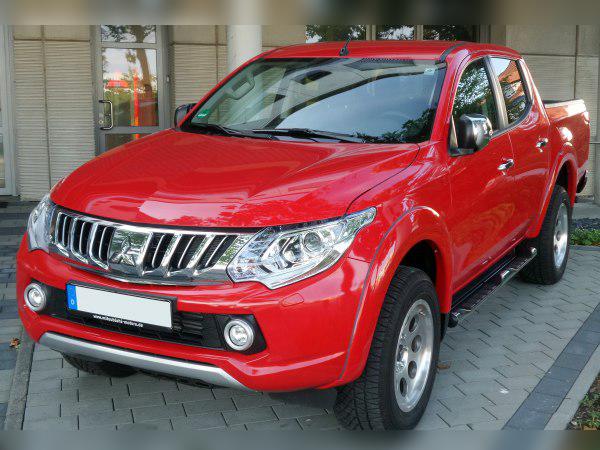
Engine 4N15 (2.4 DI-D 154 HP): Real-world experience, issues, fuel consumption and used-buying tips
- Reliable architecture: Engine with an aluminum block and MIVEC system, significantly lighter than its predecessor.
- Timing system: Power is transmitted via a chain, which eliminates the classic major timing-belt service.
- Oil capacity: Requires as much as 8.4 liters of engine oil (5W-30), which makes regular servicing more expensive.
- Injection and Turbo: Denso injectors and a variable-geometry turbo easily last over 200,000 km without issues.
- Dual-mass flywheel: Present on manual gearboxes, and clutch replacement is very expensive (Depends on the market).
- Emissions systems: DPF and EGR are standard weak points in city driving, while models with the AdBlue (SCR) system often suffer from sensor and pump failures.
- Tuning potential: Excellent for a Stage 1 remap, as it easily reaches the power of the factory higher-output version.
Contents
- Introduction: Get to know the 4N15
- Technical specifications
- Reliability and maintenance
- Specific components (Costs and failures)
- Fuel consumption and performance
- Additional options and modifications
- Gearbox and drivetrain
- Buying used and conclusion
Introduction: Get to know the 4N15
The engine with the code 4N15 represents a complete generational shift in the world of modern pickup trucks. Replacing the legendary but rough and noisy 2.5 DI-D engine, the 2.4-liter 4N15 brought smoothness, quieter operation and an aluminum block that significantly reduced weight on the front axle. This powerplant first made a name for itself in the fifth-generation Mitsubishi L200, but European drivers also know it very well from the Fiat Fullback, which is essentially a technical twin of the L200 with an Italian badge on the grille. In the 113 kW (154 HP) version, this is the so-called “weaker” variant, but in practice it has proven to be an extremely long-lasting workhorse.
Technical specifications
| Specification | Data |
|---|---|
| Engine code | 4N15 |
| Displacement | 2442 cc |
| Power | 113 kW (154 HP) |
| Torque | 380 Nm |
| Fuel type and injection | Diesel, Common Rail (Denso) |
| Charging | Turbocharger with variable geometry, intercooler |
| Timing system | Chain (MIVEC) |
Reliability and maintenance
When it comes to the mechanical side, the 4N15 is built to last. This engine uses a timing chain, which means there is no classic “major service” with a timing-belt replacement. However, that doesn’t mean there is no maintenance at all. It is advisable to inspect the chain tensioners and guides, as well as the chain itself, after around 200,000 km. At about 100,000 km, the auxiliary belt and related rollers should be replaced, which is considered mandatory preventive maintenance.
An interesting feature of this engine is its huge oil sump. It holds around 8.4 liters of engine oil. A synthetic oil of grade 5W-30 that meets the ACEA C3 specification is recommended due to the presence of a DPF filter. This large amount of oil keeps engine temperatures optimal even when towing heavy loads, but significantly increases the cost of regular minor services (Depends on the market). The engine generally does not consume oil in worrying quantities; consumption of up to 0.5 l per 10,000 km is considered completely normal, especially if the vehicle is used under load or on the motorway.
The injection system is based on Denso technology. The injectors have proven to be very durable and rarely cause problems before 200,000 to 250,000 km. When they do wear out, the driver will notice it through a rough idle (shaking), black smoke when accelerating and a characteristic metallic “knocking” sound when the engine is cold. Repair or replacement of injectors falls into the category of expensive interventions (Depends on the market).
Specific components (Costs and failures)
Dual-mass flywheel
If you are buying a model with a manual gearbox, it is important to know that it has a dual-mass flywheel. Its lifespan directly depends on driving style. If the pickup has often towed heavy trailers, the flywheel may show signs of weakness as early as 150,000 km. Symptoms include strong vibrations at idle, jolts when switching the engine off and difficulty engaging gears. A clutch kit with dual-mass flywheel for this model is very expensive (Depends on the market).
Turbocharger
The engine is equipped with a single variable-geometry turbocharger (VGT). The turbo’s lifespan is impressive if oil-change intervals are strictly followed and if the engine is left to idle for about 30 seconds after spirited driving so the turbo can cool down. Failures are rare, and when they do occur, they are most often caused by soot build-up on the variable-geometry vanes, which leads to power loss and the engine going into so-called “safe mode”.
Emissions systems: EGR, DPF and AdBlue
The most common problems on the 4N15 unit are related exclusively to emissions equipment. The EGR valve gets dirty quite quickly if the pickup is driven mostly in the city (stop-and-go traffic), which leads to the engine being choked. The DPF filter also requires regular regenerations on open roads.
Special attention should be paid to the AdBlue (SCR) system found on many models, including Fiat Fullback versions marked “SCR”. This system can cause serious headaches. Problems arise when the fluid crystallizes in the tank, which destroys the pump, or when NOx sensors in the exhaust fail. The symptom is clear: the check engine light comes on, and a countdown of remaining kilometers starts until the electronics will no longer allow the engine to start. Repairing the SCR system is very expensive (Depends on the market), and many owners illegally opt for software deletion of the entire system.
Fuel consumption and performance
This engine has to cope with a body weighing over two tons, plus aerodynamics that resemble a small apartment block. That’s why real-world fuel consumption in city driving ranges between 9 and 11 l/100 km. On open A-roads it can drop to around 7.5 to 8 l/100 km.
Is the 154 HP engine “lazy”? For everyday needs, hauling loads on construction sites and forest roads – no. The maximum torque of 380 Nm is available at low revs, so the vehicle pulls quite well from a standstill. However, it does run out of breath at higher speeds and during overtaking on open roads when a trailer is attached.
On the motorway, the 4N15 behaves decently, but wind and tire noise dominate. At 130 km/h, the engine in sixth gear (manual) cruises at around 2,300 to 2,500 rpm. In such driving conditions, fuel consumption rarely drops below 10 liters, as aerodynamic drag increases dramatically.
Additional options and modifications
Because the 4N15 also exists in a 133 kW (181 HP) version, the 154 HP variant is an absolute favorite for chip tuning (Stage 1). The hardware (engine block, turbo) provides an excellent basis for a software power increase. With a quality remap, this engine can safely and without permanent damage reach between 180 and 190 HP, with torque rising to around 430 to 450 Nm. After such a modification, the so-called turbo lag at low revs is significantly reduced, and the vehicle climbs hills much more easily. Naturally, an aggressive driving style after tuning will wear out the dual-mass flywheel and clutch on manual gearboxes much faster.
Gearbox and drivetrain
Two basic types of gearboxes are paired with the 4N15: a reliable 6-speed manual gearbox and a conventional hydraulic automatic gearbox (most often a 5-speed Aisin unit, while later versions received more modern ratios).
The most common failures of the manual gearbox are related to the synchros in second and third gear. If the driver is used to roughly “forcing” the gear lever, grinding will occur when shifting. As already mentioned, the dual-mass flywheel and clutch disc are wear items, but very expensive ones on this model. The oil in the manual gearbox and differentials should be changed every 40,000 to 60,000 km.
The automatic gearbox is significantly more robust and can withstand higher loads when towing a trailer (there is no clutch disc that can burn out on an incline). Its most common “failure” is actually the result of neglect – clogging of the valve body due to old oil full of metal particles. Proper maintenance of the automatic requires changing the oil and filter every 60,000 to 80,000 km. When it starts to jerk when shifting from D to R (or vice versa), the problem has already progressed.
Buying used and conclusion
Before you spend money on a used Fiat Fullback or Mitsubishi L200 with the 4N15 engine, you must thoroughly check several things:
- Cold start: Listen carefully in the morning. If you hear a sharp metallic rattle that lasts a few seconds, the chain tensioner and the chain itself are due for replacement.
- 4x4 system (Super Select / Easy Select): You must try all modes (2H, 4H, 4HLc, 4LLc) while driving (or at least on a soft surface). The indicator lights must not keep blinking endlessly.
- Exhaust smoke: Bluish smoke indicates oil burning (piston rings, turbo), while thick black smoke under full throttle suggests injector issues or a clogged EGR system.
- Diagnostics (OBD): Be sure to check the DPF filter saturation level and the condition of the AdBlue system (if fitted on that particular vehicle).
Conclusion: Who is this engine for?
The 4N15 unit with 154 HP is an excellent choice for buyers who primarily need a pickup as a work tool. It is extremely durable, robust and resistant to overheating. If you don’t mind the higher cost of regular maintenance (due to the large oil capacity) and the occasional “gremlins” with the emissions systems that all modern diesels suffer from, this is one of the more reliable engines on the commercial-vehicle market.