Nissan QG18DE 1.8 (114 HP) – Experiences, problems, fuel consumption and used-car buying tips
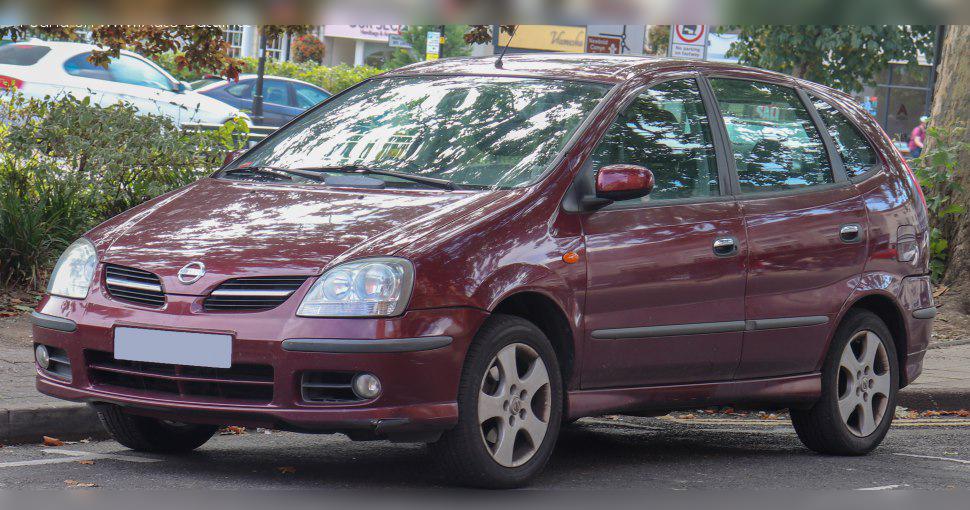
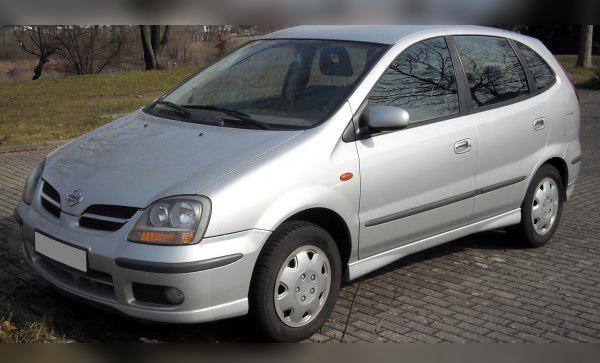
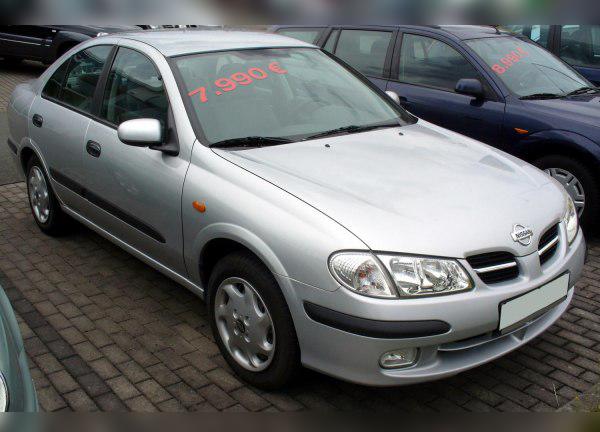
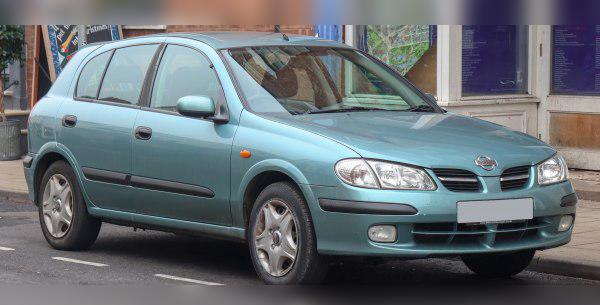
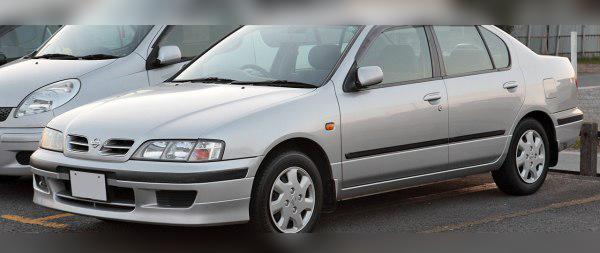
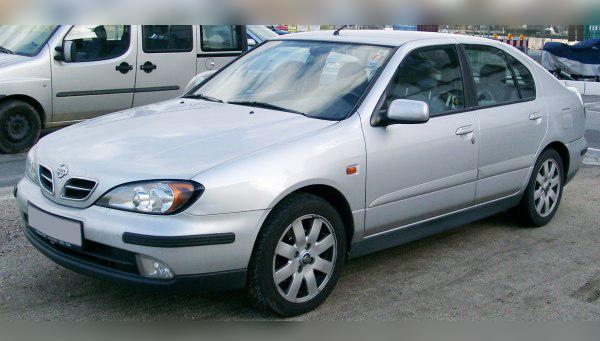
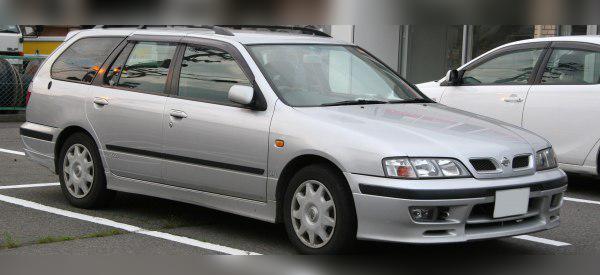
As someone who has spent countless hours over the years under the hood of early-2000s cars, the QG18DE engine from Nissan is very familiar to me. It’s a naturally aspirated 1.8‑liter petrol engine that was installed in popular models such as the Nissan Almera, Almera Tino and Primera. This is an “old-school” engine – no complex turbo systems, but it does come with a few specific “childhood diseases” that every potential buyer or owner needs to know about.
Most important in short (TL;DR):
- Timing chain drive: The chain stretches over time, which is one of the most common issues.
- Oil consumption: The engine is prone to increased oil consumption due to poor piston rings and an extremely small oil pan (it holds less than 3 liters of oil).
- Great on LPG: It works very well with LPG systems, but requires valve clearance checks.
- Reliable but noisy: On the highway it runs at high revs, which increases cabin noise and fuel consumption.
- Electronics: A problematic idle air control valve (IACV) can damage the ECU (engine control unit).
- Cheap to maintain: Most engine and suspension parts are not expensive (depends on the market).
Contents:
- Technical specifications
- Reliability and maintenance
- Specific parts (costs)
- Fuel consumption and performance
- Additional options and modifications
- Gearbox and drivetrain
- Buying used and conclusion
Technical specifications
| Parameter | Value |
|---|---|
| Engine displacement | 1769 cc |
| Engine power | 84 kW (114 HP) |
| Torque | 158 Nm |
| Engine code | QG18DE |
| Injection type | MPI (Multipoint port fuel injection) |
| Aspiration | Naturally aspirated engine |
Reliability and maintenance
Engine timing: Chain instead of belt
This engine does not use a timing belt, but a timing chain. Although in theory a chain sounds like a lifetime solution, on the QG18DE it tends to stretch after 150,000 to 200,000 km. Symptoms of a worn chain are a metallic rattling noise on cold start and rough running. At a later stage, the ECU will trigger the “Check Engine” light due to mismatch between the crankshaft and camshaft position sensors. A classic “major service” with scheduled belt replacement is not done at a fixed interval – instead, the chain kit is replaced when these symptoms appear.
Most common failures
One of the most specific and most dangerous failures on this engine is related to the idle air control valve (IACV). Over time, the gasket fails, coolant enters the IACV and causes a short circuit. That short circuit often goes straight to the ECU (engine control unit) and literally burns its components. The symptom is fluctuating idle speed or stalling at traffic lights.
Early versions of this engine also had an issue with the ceramic catalytic converter. The converter would start to disintegrate and, due to backpressure, fine ceramic dust would be sucked back into the cylinders, permanently damaging the cylinder walls and piston rings.
Engine oil and the infamous consumption
This is the key point: the QG18DE holds only about 2.7 to 2.9 liters of oil (including the filter). For a 1.8‑liter engine, that’s an oil pan capacity comparable to a lawnmower engine! Because the quantity is so small, the oil degrades and heats up faster. A viscosity grade of 5W-30 or 10W-40 is recommended (depending on mileage and condition), and the oil change interval should be strictly shortened to a maximum of 10,000 km.
Does it burn oil? Yes, quite often. Due to a design flaw with the oil control rings on the pistons, as well as the aforementioned dust being sucked in from the catalytic converter, high‑mileage engines can consume from 0.5 liters up to more than 1 liter per 1,000 km. Consumption up to 0.2 l/1000 km is considered “normal”; anything above that indicates the need for at least a partial overhaul. The first symptom is bluish smoke from the exhaust on cold start or hard acceleration.
Spark plugs
Since this is a petrol engine, spark plugs are replaced depending on the type. Standard copper plugs (often recommended by the manufacturer for earlier models) are changed every 30,000 km. If you fit higher‑quality iridium or platinum plugs, the interval can be extended to 60,000–90,000 km. Faulty spark plugs directly increase the load on the ignition coils, which are also prone to failure on this engine.
Specific parts (costs)
Flywheel and clutch
Good news for your wallet: with the manual gearbox, the QG18DE does not have a dual‑mass flywheel, but uses a conventional (solid) flywheel. Because of that, clutch kit replacement is mechanically simple and not very expensive (depends on the market).
Fuel injection system
The injection system is classic multipoint (MPI), which means the engine uses port injectors. The injectors are not under high pressure as in direct‑injection engines, they are very reliable and rarely cause problems. If they do get clogged due to poor fuel quality, ultrasonic cleaning usually solves the issue and is not expensive (depends on the market).
Turbo, DPF, EGR and AdBlue
This is a naturally aspirated petrol engine, which means it does not have a turbocharger, so you don’t have to worry about turbo overhauls. Also, being a petrol engine, it does not have a DPF filter or an AdBlue system.
However, this engine does have an EGR valve for exhaust gas recirculation. Over time, soot builds up in it, which leads to jerking under light acceleration and unstable running. Cleaning the EGR valve is a routine job for any mechanic.
Fuel consumption and performance
City driving and vehicle weight
The engine produces 114 HP and 158 Nm of torque. In the Nissan Almera (standard hatchback), it copes quite well with the body weight. However, if you look at this engine in the Nissan Almera Tino (minivan) or in the heavier Primera (P11/P12), it is, to put it mildly, “lazy”. In city driving it needs higher revs to pull the heavy car, which results in real‑world city fuel consumption rarely dropping below 10 to 12 l/100 km.
On the highway
The lack of a sixth gear in the manual gearbox is very noticeable on the highway. At 130 km/h, the engine will be spinning at a relatively high 3,500 to 3,800 rpm. At that point it becomes quite noisy in the cabin, and fuel consumption rises to around 8 l/100 km. This engine is definitely more comfortable on secondary roads than for fast cruising on the autobahn.
Additional options and modifications
LPG conversion
The QG18DE has proven to be an excellent candidate for LPG. Due to its high city petrol consumption, many owners choose this option. However, there is one major warning: this engine does not have hydraulic tappets; instead, it uses classic mechanical “buckets” for valve clearance adjustment. LPG combustion is hotter, so over time the valves sink into their seats. Because of this, on LPG‑equipped cars the valve clearance must be checked every 40,000 to 50,000 km to prevent valve burning.
ECU remap (Stage 1)
Since this is a classic naturally aspirated engine without a turbo, any “chipping” or Stage 1 remap is basically a waste of money. In the best case, by optimizing the maps you might gain 5 to 8 HP, which the driver will hardly notice in real life. Focus your budget on a healthy ignition system and regular servicing.
Gearbox: manual and automatic
Types of gearboxes and common issues
Three types of gearboxes were paired with this engine, depending on the model and year:
- Manual gearbox (5‑speed): The most common choice. Prone to wear of the input shaft bearings. If you hear a humming noise from the gearbox while driving or in neutral with the clutch released (and it disappears when you press the clutch), it’s a sign that the bearings are worn. Repairing the gearbox can be expensive (depends on the market). The oil in the manual gearbox should be changed roughly every 60,000 km.
- Conventional automatic (4‑speed): Mostly fitted to the standard Almera. An older torque‑converter automatic. It is extremely slow, further hurts performance and increases fuel consumption, but it is incredibly durable. With regular ATF changes every 60,000 km, it rarely fails.
- CVT gearbox (Hyper CVT): Often found in the Almera Tino. A continuously variable transmission that keeps the engine in its optimal rev range. It is very sensitive to maintenance. The oil must be changed strictly on time, and not just any oil – it requires the specific Nissan NS-2 CVT fluid. If the chain in the CVT breaks or the cones are damaged, the repair is very expensive (depends on the market), often exceeding the value of the car itself.
Buying used and conclusion
What to check before buying?
If you’re looking at a car with the QG18DE engine in the classifieds, your inspection should look like this:
- Cold start: Ask the seller to keep the engine completely cold. Listen carefully to the first two seconds after starting. Metallic rattling means the chain is stretched.
- Exhaust and oil: Have someone sit in the car and rev the engine while you watch the exhaust. Blue smoke is a sure sign of worn rings and high oil consumption. Also, pull out the dipstick – if it’s dry or the oil is at the very bottom, the owner has not taken care of the engine’s weakest point.
- Idle speed: Once the engine is warm, the idle should be rock steady. If the needle is “hunting” up and down or the engine stalls, the idle air control valve (IACV) is probably leaking coolant and is threatening to destroy the ECU.
- Diagnostics: Plug in an OBD scanner and check for crankshaft/camshaft correlation errors, as well as catalytic converter efficiency.
Who is this car for?
Nissan’s QG18DE 1.8 petrol is a dependable workhorse for people who don’t care about racing, but just want to get from point A to point B. In the standard Almera it offers a good balance of power, while in the Primera and Tino it is aimed at more relaxed drivers due to the higher vehicle weight.
This is an ideal engine for drivers on a smaller budget who want low maintenance costs (no dual‑mass flywheel, no turbo, no DPF) and are willing to live with slightly higher petrol consumption or invest in a quality LPG system. The only imperative is to buy an example that does not already “drink” huge amounts of oil, and to regularly check the oil level during ownership.