Nissan 5.6 V8 VK56VD engine: Experiences, issues, fuel consumption and used-buying tips
Key points in short (TL;DR)
- Massive naturally aspirated V8: Extremely durable powerplant designed for towing and heavy SUVs, without the complexity of turbochargers.
- Timing chain drive: No classic major timing-belt service, but pay attention to chain noise on cold start with older model years.
- Direct Injection (DIG): More efficient performance, but brings the risk of carbon buildup on intake valves.
- High fuel consumption: Expect double-digit figures in every driving mode; this is not an engine for saving fuel.
- LPG conversion: Possible, but very expensive and complicated due to the direct injection system.
- Transmission: Paired exclusively with automatic gearboxes; no dual-mass flywheel, but a classic torque converter.
Contents
- Introduction: Meet Nissan’s workhorse
- Technical specifications
- Reliability and maintenance
- Specific parts and costs
- Fuel consumption and performance
- Additional options and modifications
- Transmission and drivetrain
- Buying used and conclusion
Introduction: Meet Nissan’s workhorse
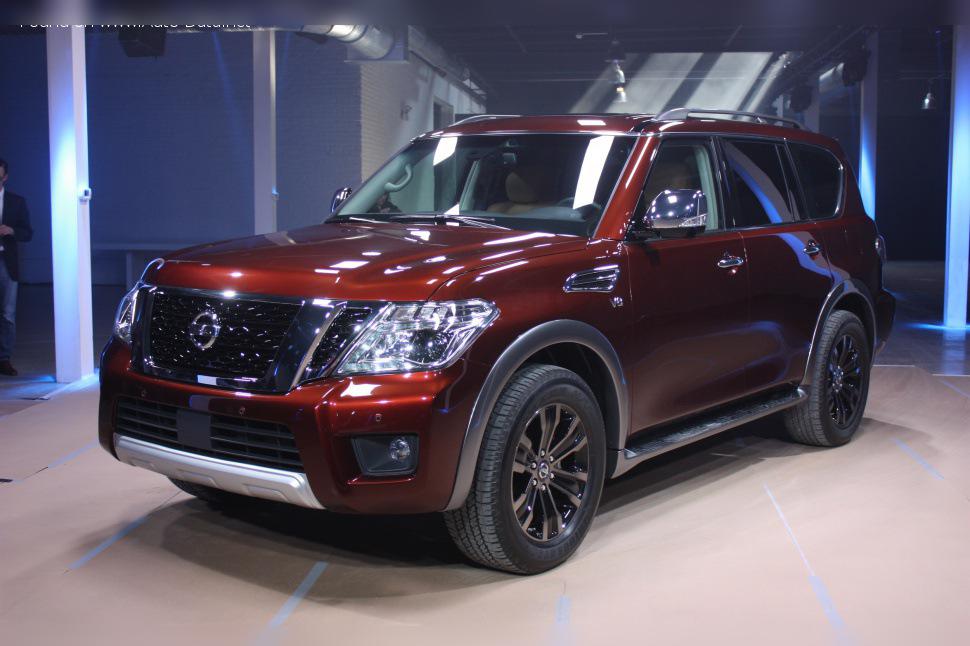
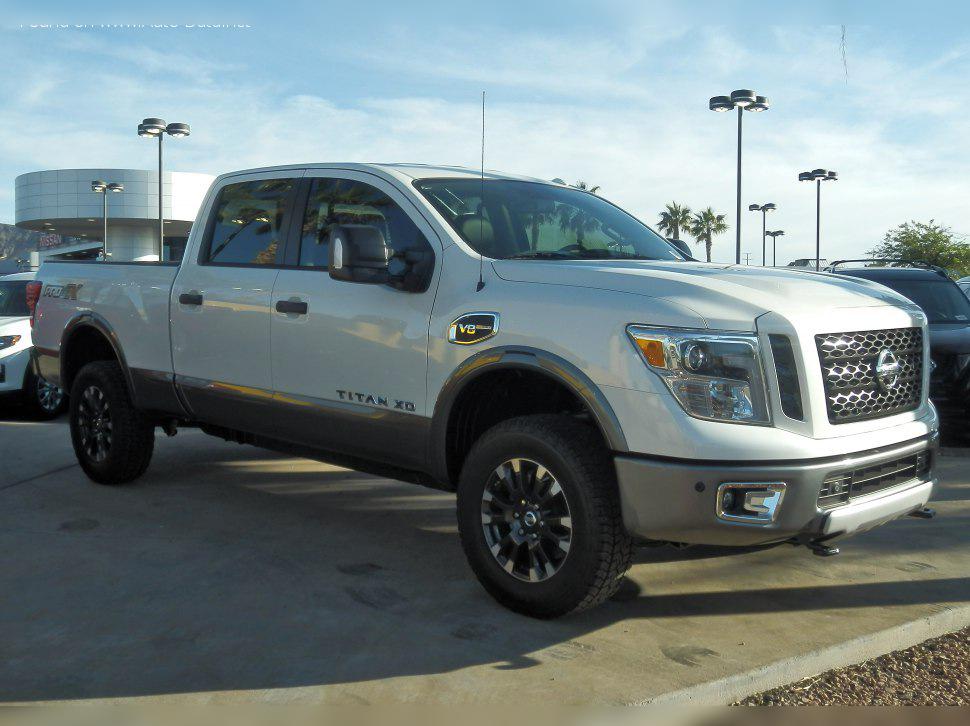
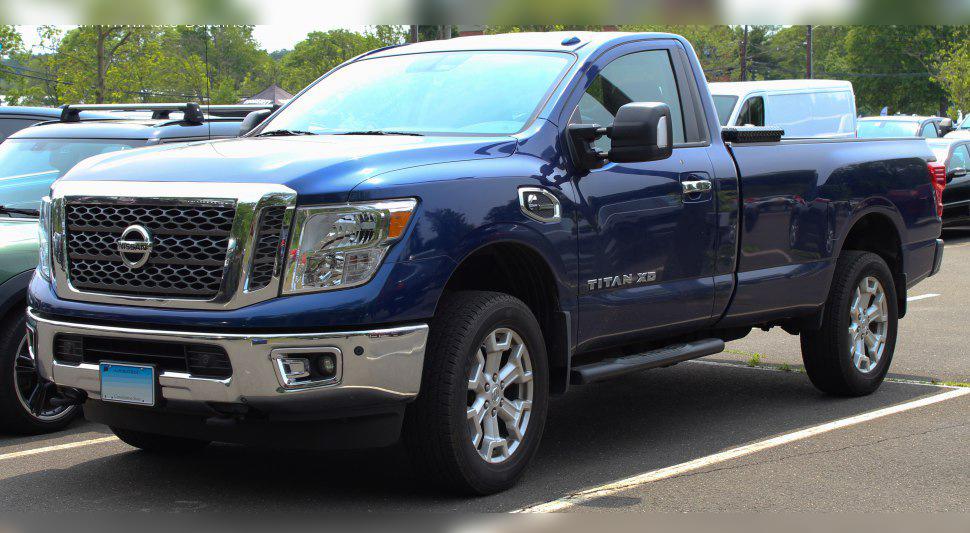
The VK56VD engine represents the pinnacle of Nissan engineering when it comes to large, naturally aspirated V8 units. Designed primarily for the North American, Middle Eastern and selected global markets, this 5.6‑liter powerplant is installed in heavyweights such as the Nissan Armada II (Y62) and the entire Nissan Titan II lineup (King Cab, Crew Cab, Single Cab, including the heavy-duty XD versions). What sets it apart is the use of advanced VVEL (Variable Valve Event and Lift) technology and the DIG (Direct Injection Gasoline) direct fuel injection system. Thanks to this, the engine delivers massive power in a linear fashion, giving the driver a feeling of unstoppable force, whether towing a heavy trailer or cruising on the open road.
Technical specifications
| Specification | Data |
|---|---|
| Displacement | 5552 cc |
| Power | 291 kW (390 hp) |
| Torque | 394 Nm |
| Engine code | VK56VD |
| Injection type | Direct injection (DIG) |
| Turbo/Naturally aspirated | Naturally aspirated |
Reliability and maintenance
When you open the hood of a model with the VK56VD engine, you’re looking at a complex but robust mechanism. This engine uses a timing chain rather than a timing belt. As a result, the classic major timing-belt service (in the sense of regular belt replacement at a set mileage) is not performed. However, the chain and its tensioners do require inspection, and replacement is usually recommended only if diagnostics show timing deviations or if you hear a specific rattling noise on cold start – which most often happens at mileages above 200,000 km.
Most common failures and symptoms
Although it is considered a reliable engine, it is not flawless. The most common issues are related to the high-pressure fuel pump (HPFP), which can fail under load. The driver will notice this as jerking under acceleration, loss of power and the "Check Engine" light coming on. Also, due to direct injection, the intake valves do not get "washed" by fuel, so carbon buildup on them is inevitable after around 100,000 km. Symptoms include rough idle and a slight loss of performance. Cleaning the valves using the "walnut blasting" method solves this problem. Occasional issues with the PCV valve (crankcase ventilation valve) can lead to increased oil consumption, so it is advisable to replace it preventively.
Oil and service intervals
This huge V8 requires a substantial amount of lubricant – the sump holds about 6.5 to 7 liters of oil. High-quality fully synthetic oil of grade 0W-20 or 5W-30 is recommended, depending on the climate and the service book recommendations. Normal oil consumption is minimal, but in harsher operating conditions (frequent trailer towing) up to 0.5 liters per 1000 km can be tolerated. If you notice higher consumption, the first suspects are the aforementioned PCV valve or valve stem seals.
Since this is a gasoline engine, quality ignition is crucial. Spark plugs should be replaced every 100,000 to 160,000 km, provided that OEM iridium plugs are used. Due to the specific engine design, replacing the spark plugs may require removal of intake components, which slightly increases labor costs.
Specific parts and costs
One of the most common questions from European drivers is: "Does this engine have a dual-mass flywheel, DPF and EGR?". Given that this is a gasoline engine (and always paired with an automatic), it does not have a dual-mass flywheel, but uses a torque converter. It also does not have a DPF filter or a complex AdBlue system, which is a major relief compared to modern diesels of similar power.
The injection system is complex. Direct-injection injectors operate under extremely high pressure. If you use poor-quality fuel, they can clog or start leaking. Replacing injectors falls into the "very expensive" category (depending on the market). Fortunately, the engine is naturally aspirated, which means there is no turbocharger or intercooler. The absence of a turbo dramatically reduces potential long-term maintenance costs and provides that distinctive, instant throttle response.
Fuel consumption and performance
If you are considering a 5.6‑liter V8, fuel economy is certainly not your top priority. Real-world city fuel consumption in the heavy body of a Nissan Armada or Titan ranges between 18 and 24 l/100 km, depending on driving style and traffic conditions. Despite the vehicle weight of over 2.5 tons, this engine is by no means "lazy". Its 390 hp and linear torque delivery make these beasts accelerate impressively, accompanied by a characteristic deep and powerful V8 sound.
This powerplant shows its true character on the highway. Thanks to modern automatic transmissions, at a speed of 130 km/h the engine cruises at a very relaxed 1800 to 2200 rpm (depending on the exact gearbox ratios in a given model). In such driving, fuel consumption can drop to a "tolerable" 12 to 14 l/100 km.
Additional options and modifications
Many owners, due to the high fuel consumption, consider an LPG conversion. Is the VK56VD suitable for that? Yes, but the process is very specific. Because of the direct injection system, regular sequential LPG systems are not an option. You need a system designed specifically for direct-injection engines, which, while running on LPG, also injects a small percentage of gasoline to cool the gasoline injectors located directly in the combustion chamber. An alternative is liquid-phase LPG injection systems. The price of such systems is: very expensive (depending on the market), so the investment pays off only for those who cover very high mileages.
As for chipping (Stage 1 remap), since the engine is naturally aspirated, don’t expect miracles. By optimizing the software you can gain an additional 15 to 25 hp and a slightly better throttle response. For a more noticeable performance increase, serious mechanical modifications to the intake and exhaust are required, but given the stock 390 hp, most drivers absolutely don’t need that.
Transmission and drivetrain
This engine is not offered with a manual gearbox, regardless of vehicle model. It is paired exclusively with advanced automatic transmissions, most commonly a 7‑speed automatic (Jatco), while newer models move to 9‑speed variants. Since it is an automatic, there is no clutch or dual-mass flywheel whose replacement would worry you.
The most common automatic transmission failures generally stem from driver neglect. Ignoring fluid changes can lead to contamination of the valves in the valve body, resulting in harsh shifting, jerking when engaging "D" or "R", or torque converter slip. That’s why it is crucial to service the transmission and change the ATF every 60,000 to 80,000 km. A regularly maintained automatic will easily outlast the vehicle’s body.
Buying used and conclusion
What exactly should you check before buying?
When buying a used Nissan with the VK56VD engine, a cold start is the most important test. Make sure the engine is completely cold when you start it; listen carefully for the first few seconds. If you hear a pronounced metal-on-metal "rattle" from the front of the engine, there is a high chance that the chain tensioners have weakened or the chain has stretched. A slight ticking noise during operation is normal and comes from the high-pressure pump and injectors.
Be sure to check the exhaust while the engine is idling and when you rev it harder. Bluish smoke indicates oil burning (issues with valve stem seals or piston rings), while thick black smoke can be a sign of faulty injectors. Also, a proper diagnostic scan is a must – check injector parameters, misfires and the transmission fault history.
Who is this engine for?
The VK56VD V8 is an old-school engineering gem enhanced with a modern injection system. It is not for everyone. It is intended for drivers who need raw, uncompromising power for towing heavy trailers, boats, or tackling serious off-road obstacles. It is extremely reliable if maintained properly, free from the typical issues of modern diesels (turbo, DPF, AdBlue), but it charges for that with massive gasoline consumption at every fuel stop. If fuel economy is not on your radar and you want the sound and durability of a true V8, this is one of the best options on the market.