Opel 14NV Engine (1.4 75 hp): Experiences, Problems, Fuel Consumption and Buying Used
Key points (TL;DR)
- Old-school mechanics: Extremely simple and durable naturally aspirated petrol engine from the OHC family, based on a carburetor.
- Cheap maintenance: Uses a timing belt, and parts for major and minor service are very cheap (Depends on the market).
- Most common failures: Issues with the automatic choke on the Pierburg carburetor, oil leaks at the valve cover gasket and worn ignition distributor.
- No expensive parts: The engine has no dual-mass flywheel, turbocharger, high-pressure injectors, EGR, DPF or AdBlue system.
- Ideal for LPG: Handles installation of the simplest and cheapest LPG systems very well.
- Main enemy: The engine will outlive the car; the biggest problem when buying is corrosion on the bodywork of the models it was installed in (Kadett, Vectra).
Contents
- Introduction: Meet the 14NV
- Technical specifications
- Reliability and maintenance
- Specific parts and costs
- Fuel consumption and performance
- Additional options and modifications
- Gearbox and clutch
- Buying used and conclusion
Introduction: Meet the 14NV
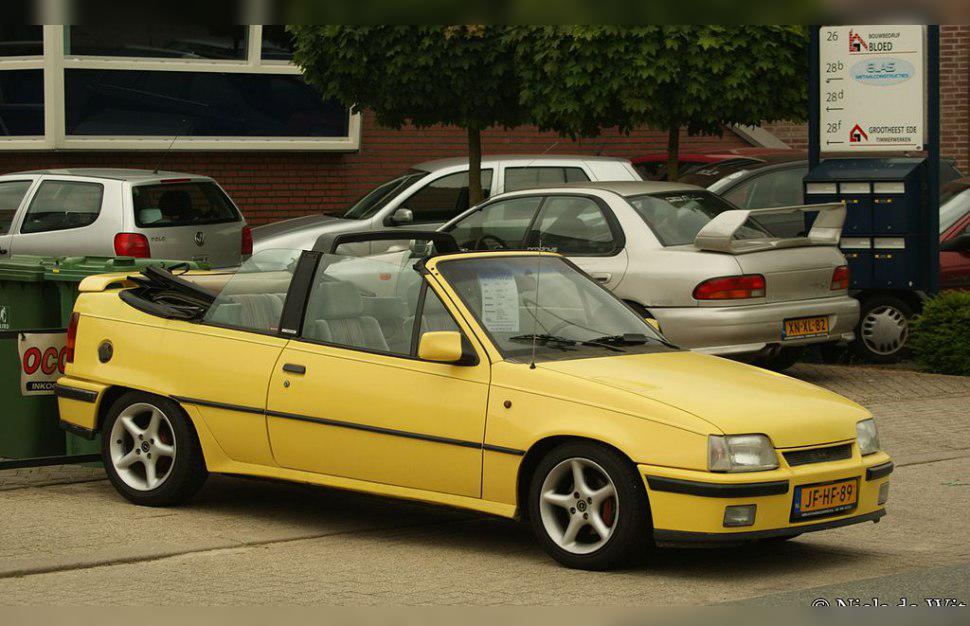
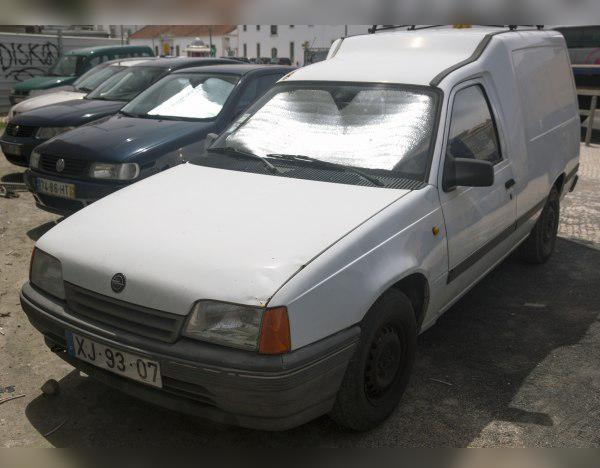
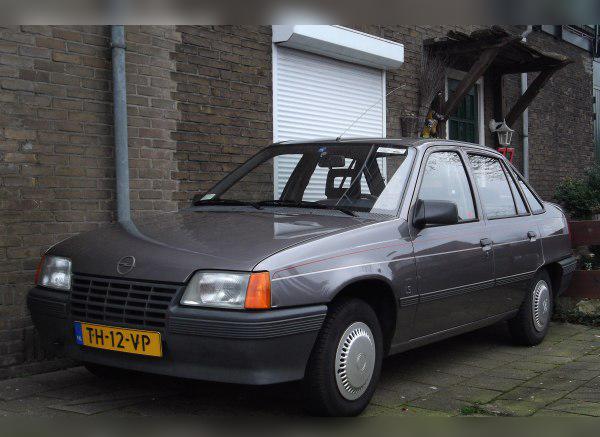
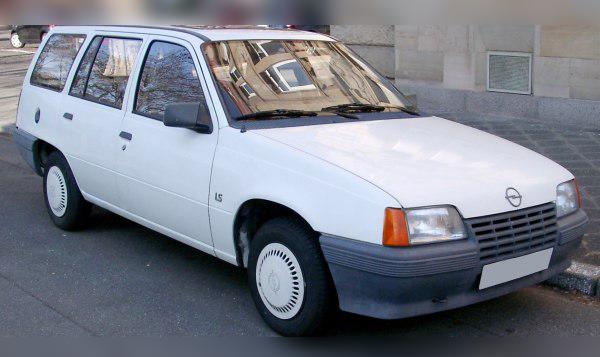
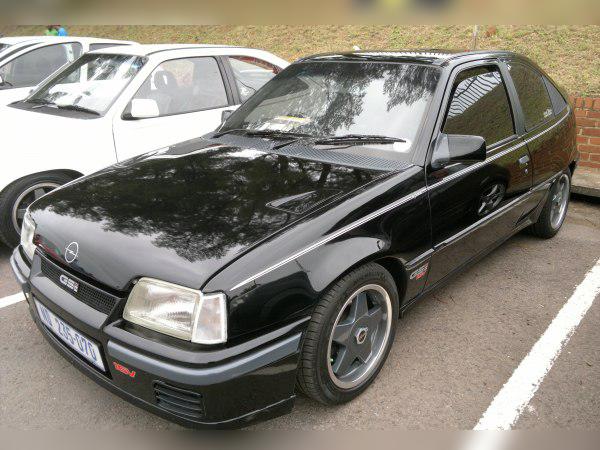
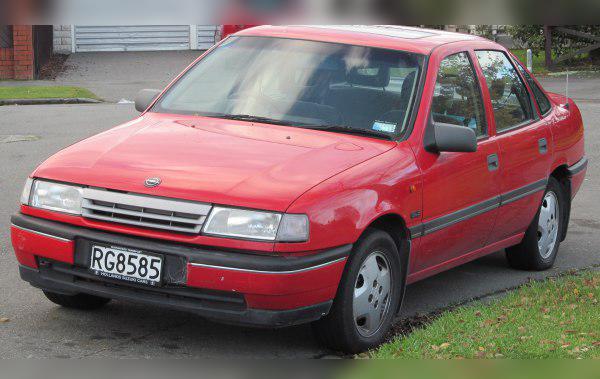
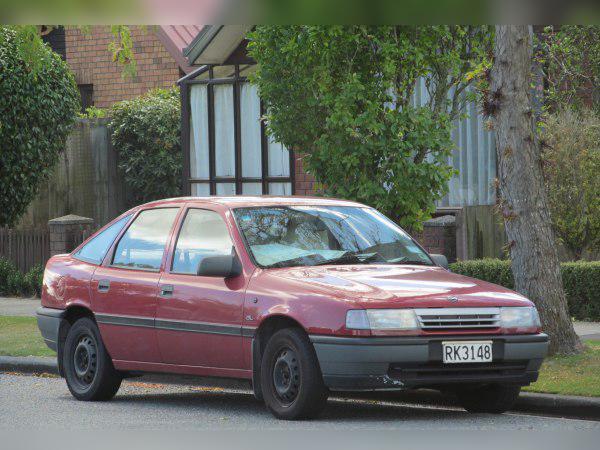
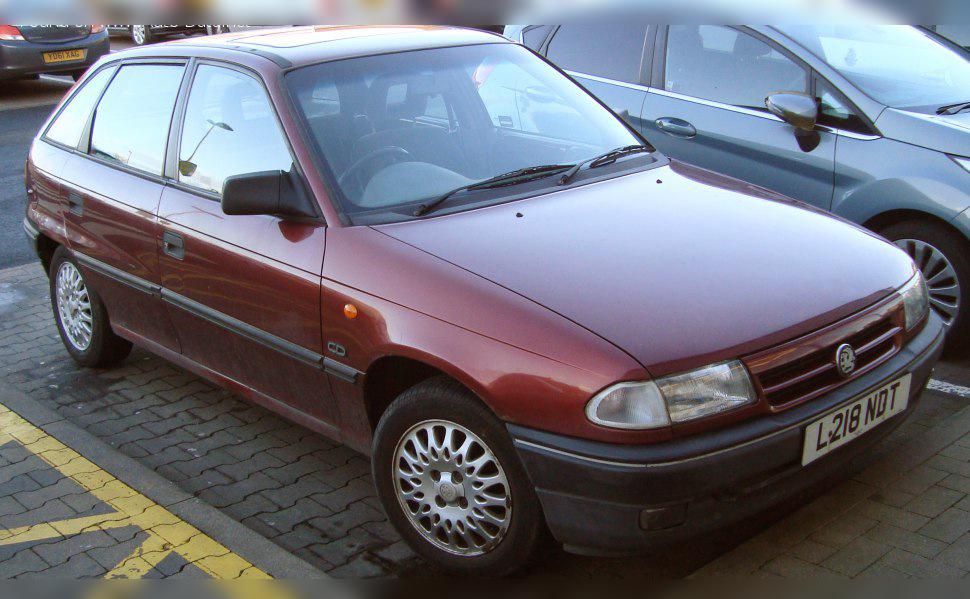
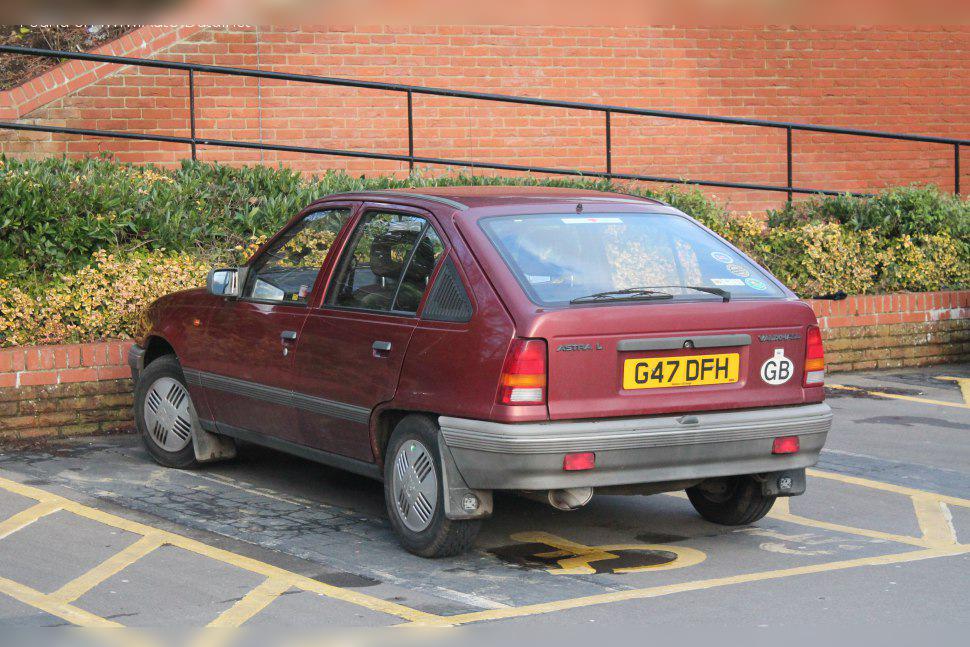
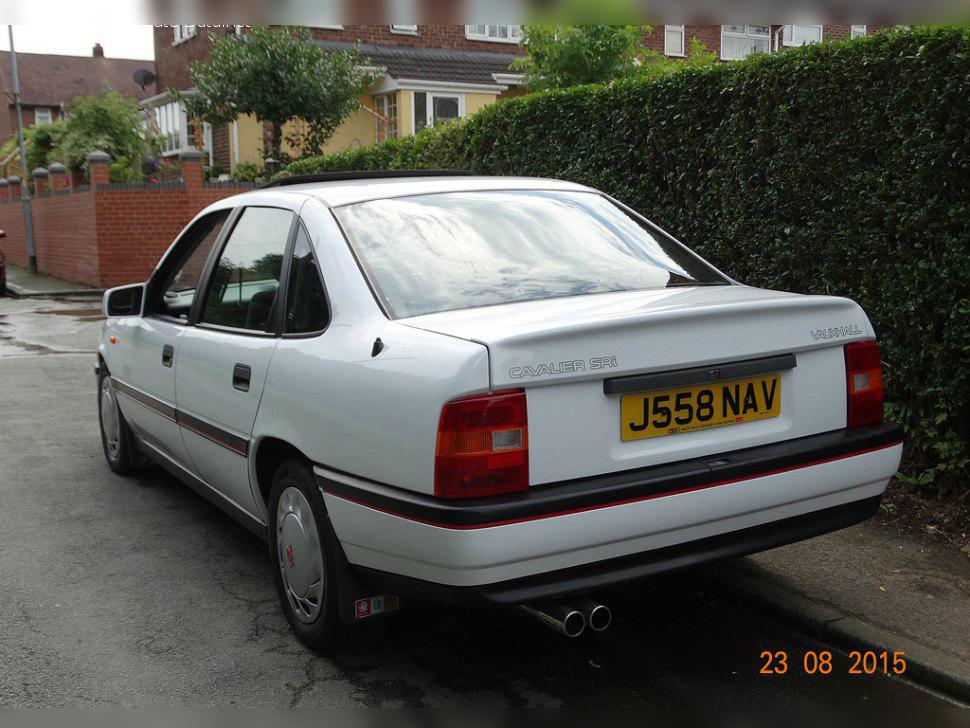
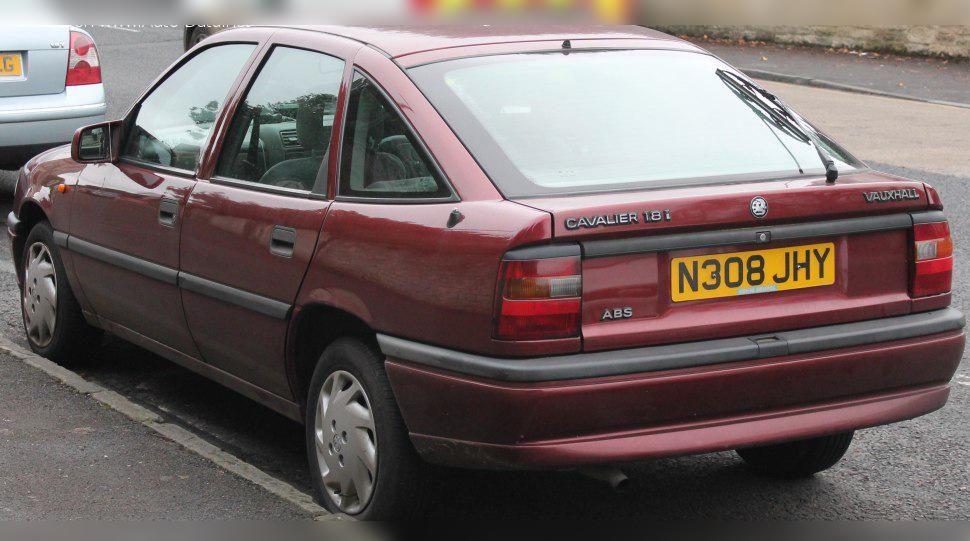
The 14NV engine is a classic GM (Opel) unit from the Family 1 series that left its mark on the automotive industry in the late eighties and early nineties. It was installed in legendary models such as the Opel Kadett E (including Cabrio and Combo versions), the first generation Opel Vectra A, as well as their British counterparts (Vauxhall Astra and Cavalier). Thanks to its extremely simple design with no advanced electronics, this engine is considered an indestructible workhorse. Although technologically outdated by today’s standards, for fans of older cars and those looking for the absolute cheapest possible driving and maintenance, the 14NV is one of the most reliable choices.
Technical specifications
| Specification | Data |
|---|---|
| Engine displacement | 1389 cc |
| Engine power | 55 kW (75 hp) |
| Torque | 108 Nm |
| Engine code | 14NV |
| Fuel system type | Carburetor (most often Pierburg 2E3) |
| Induction type | Naturally aspirated |
Reliability and maintenance
This unit uses a timing belt to transfer power from the crankshaft to the camshaft. Replacement intervals used to be more flexible, but by today’s standards it is recommended to perform a major service every 60,000 km or every 5 years, whichever comes first. Skipping this service can lead to belt failure and valve damage. Fortunately, a timing belt kit with water pump is not expensive (Depends on the market).
As for lubrication, the oil pan holds a modest 3.5 liters of oil. Due to the older tolerances of the engine, semi-synthetic oil of 10W-40 grade is recommended, and on examples that have covered hundreds of thousands of kilometers, mechanics often use mineral 15W-40. Oil consumption between services is completely normal. If the engine consumes up to 0.5 liters per 1,000 km, this is considered acceptable for this generation of engines. The cause is most often hardened valve stem seals, so oil seeps into the combustion chamber. In addition, oil often leaks externally on the engine itself – the valve cover gasket and camshaft seal are known weak points that make the engine oily, although the repair is extremely cheap.
Other common failures are related to the ignition and fuel system. Since this is a classic petrol engine, spark plugs are replaced every 30,000 km. However, bigger problems can be caused by the ignition distributor (the rotor arm and cap can absorb moisture or oxidize) as well as the ignition module. Symptoms show up as jerking while driving, hard starting in wet weather, or the engine simply losing spark while on the move.
Specific parts and costs
If you are looking for a car where you don’t have to fear expensive failures, you are in the right place. The 14NV engine does not have a dual-mass flywheel – it uses a simple, solid flywheel. It also has no turbocharger, intercooler, DPF filter, and since this is an old-generation petrol engine, it does not have an AdBlue system either. It doesn’t even have an electronic EGR valve in the modern sense that could clog up and cause headaches at the emissions test.
The main specific feature of this engine is the fuel system based on a carburetor, usually made by Pierburg. This means the engine does not have electronic injectors that could clog or fail. However, the carburetor has its downsides. The most notorious part is the automatic choke. When it fails, the engine is very hard to start in the morning, stalls while cold, or conversely – holds excessively high idle speed even when warm, which drastically increases fuel consumption. The solution is a carburetor overhaul or conversion to a so‑called “manual choke”, which is not expensive (Depends on the market).
Fuel consumption and performance
With 75 hp and only 108 Nm of torque, you should not expect sporty acceleration. However, whether the engine feels “sluggish” depends entirely on which car it is in. If it is installed in an Opel Kadett E (which weighs under 1,000 kg), the car is quite lively in city traffic, pulls nicely from low revs and is easy to drive. On the other hand, the Opel Vectra A is a significantly heavier car, where this engine already struggles, especially under load or on climbs.
Real-world city fuel consumption ranges between 8.5 and 10.5 liters per 100 kilometers, depending on the condition of the carburetor and how heavy your right foot is. On the open road, consumption drops to about 6 to 6.5 liters. Once you get on the motorway, things get noisy. At 130 km/h, the gearbox keeps the engine at quite high revs (often close to 4,000 rpm), which creates a lot of noise in the cabin and increases fuel consumption. This unit was designed for country roads and city driving, not for long high-speed cruising.
Additional options and modifications
Thanks to the lack of complex electronics and a plastic intake manifold, the 14NV is absolutely ideal for LPG conversion. The simplest and cheapest venturi system is installed (the so‑called “mixer type” LPG). Running this engine on LPG is among the most cost-effective forms of transport known to the automotive world. The power loss on LPG is noticeable (around 5–10%), but given the low running costs, most drivers don’t mind.
When it comes to increasing power, forget about “chipping”. Since the engine has no ECU that controls fuel injection, Stage 1 remapping is physically impossible. Any power increase on the 14NV engine requires mechanical modifications (head work, hotter camshafts, freer‑flowing exhaust), which for an engine of this age and output is financially completely unjustifiable.
Gearbox and clutch
The 14NV was most commonly paired with manual gearboxes of the F13 series, with either 4 or 5 speeds (on better-equipped models). More rarely, you can also come across old 3‑speed automatic gearboxes. The manual gearbox is mechanically very robust. The most common “failures” actually relate to wear of external components – the plastic bushings on the so‑called gear selector linkage wear out, so the gear lever develops excessive play (“like stirring soup”) and it becomes harder to engage first or second gear. Replacing this set is cheap (Depends on the market).
As mentioned earlier, the vehicle does not have a dual-mass flywheel. The clutch kit (pressure plate, disc, release bearing) is conventional and the cost of replacement is very low, which makes it extremely easy to maintain (Depends on the market). As for gearbox servicing, the manufacturer did not specify regular oil changes in the manual gearbox (“lifetime”), but experienced mechanics recommend changing the gearbox oil preventively every 100,000 km to extend the life of the synchros and bearings.
Buying used and conclusion
If today, more than three decades after production ended, you are thinking about buying a car with the 14NV engine, here is exactly what you should pay attention to during inspection:
- Cold start: Ask to start the car completely cold. Listen to whether the engine manages to maintain stable revs with the help of the automatic choke or if it bogs down and stalls.
- Exhaust smoke: Quickly blip the throttle and then release it. If the car emits bluish smoke when you lift off, be aware that the valve stem seals and piston rings are due for replacement.
- Coolant condition: Open the coolant reservoir cap (only when the engine is cold). If you see traces of oil inside resembling mayonnaise, this is a clear sign that the head gasket has failed.
Final verdict: The 14NV engine is a true mechanical gem from a time when cars were built to last. It is aimed at enthusiasts who want to preserve a piece of automotive history (such as the Kadett E or Vectra A), as well as those who care about driving incredibly cheaply with the help of LPG. Still, keep one key thing in mind: the mechanics rarely fail, but the bodywork does. Before you thoroughly check the engine, be sure to put the car on a lift and make sure that the wheel arches, sills, strut towers and floor are not seriously affected by corrosion, as this is by far the biggest weakness of vehicles from that era.