Opel 16SV engine (1.6, 82 hp): Experiences, problems, fuel consumption and buying used
Key points in short (TL;DR):
- Old-school mechanics: Extremely simple naturally aspirated petrol engine without any modern and expensive electronics.
- No expensive failures: The engine does not have a dual-mass flywheel, turbocharger, DPF or EGR system.
- Fuel system: Uses a carburetor (Pierburg), which today can be an issue due to the lack of mechanics who know how to tune it properly.
- Oil consumption: Common due to worn valve stem seals, but the repair is not expensive (Depends on the market).
- LPG (autogas): An ideal platform for the most basic and cheapest “venturi” LPG system.
- Bodywork before engine: The biggest problem with these cars (Kadett E, Vectra A, Ascona) today is not this engine, but catastrophic body corrosion.
Contents:
- Introduction to the 16SV engine
- Technical specifications
- Reliability and maintenance
- Specific parts (Costs)
- Fuel consumption and performance
- Additional options and modifications
- Gearbox and drivetrain
- Buying used and conclusion
Introduction to the 16SV engine
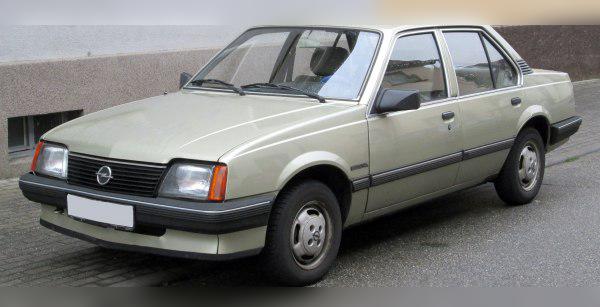
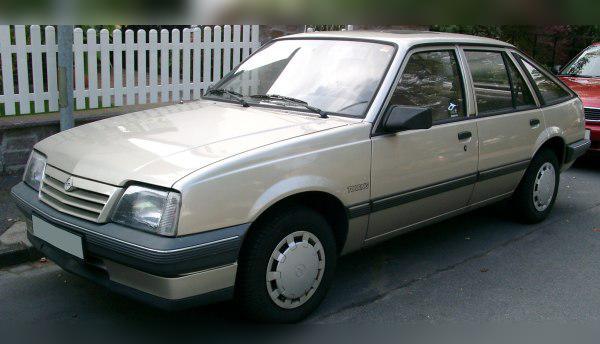
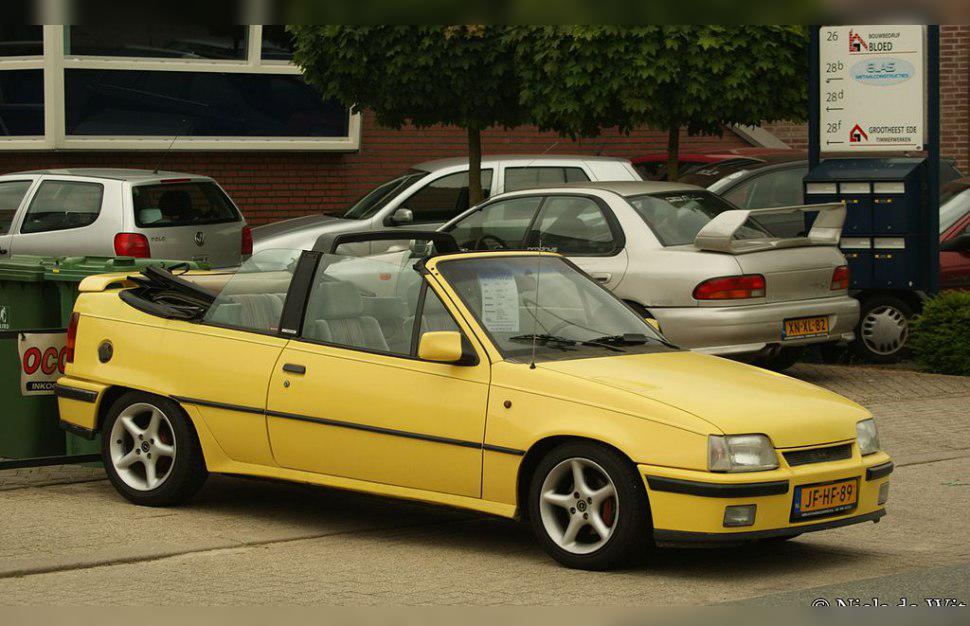
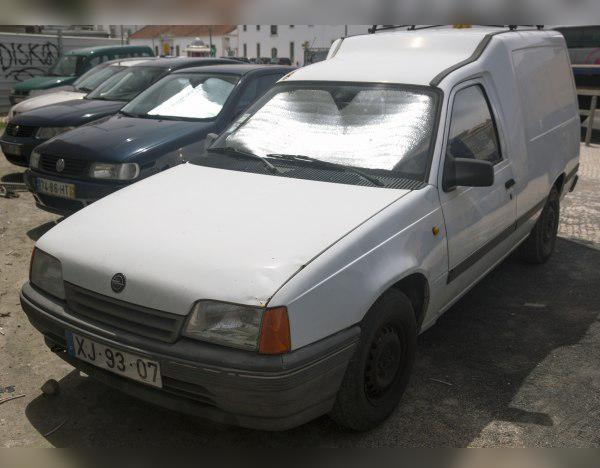
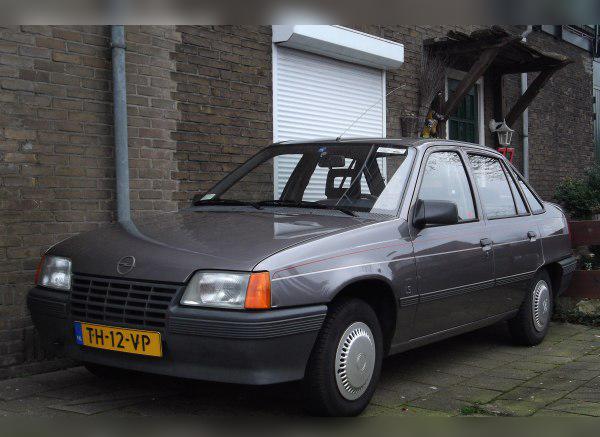
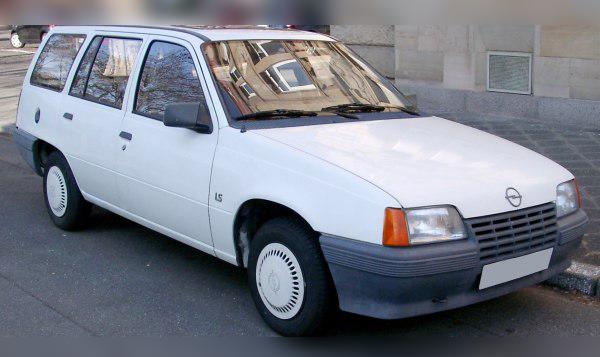
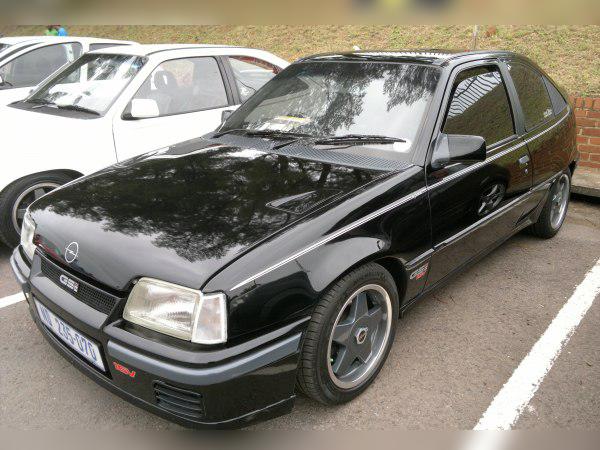
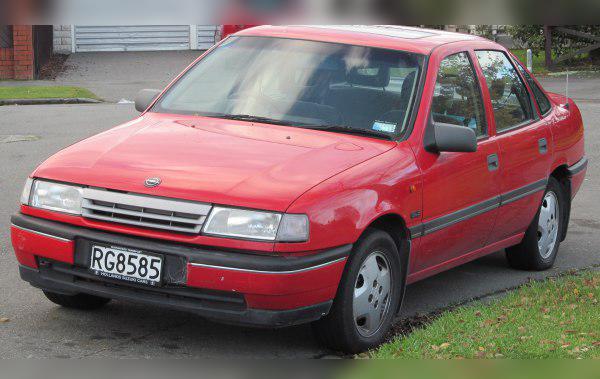
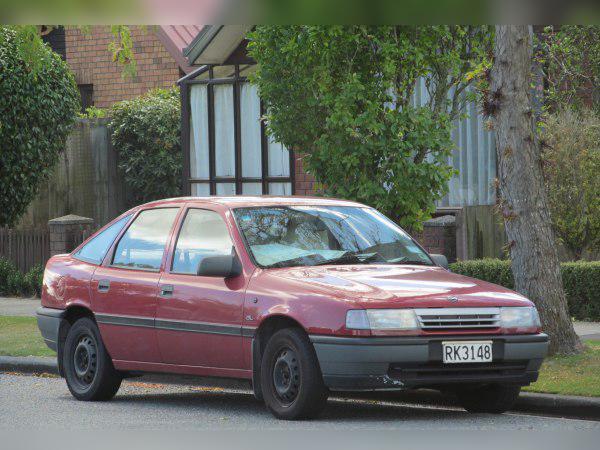
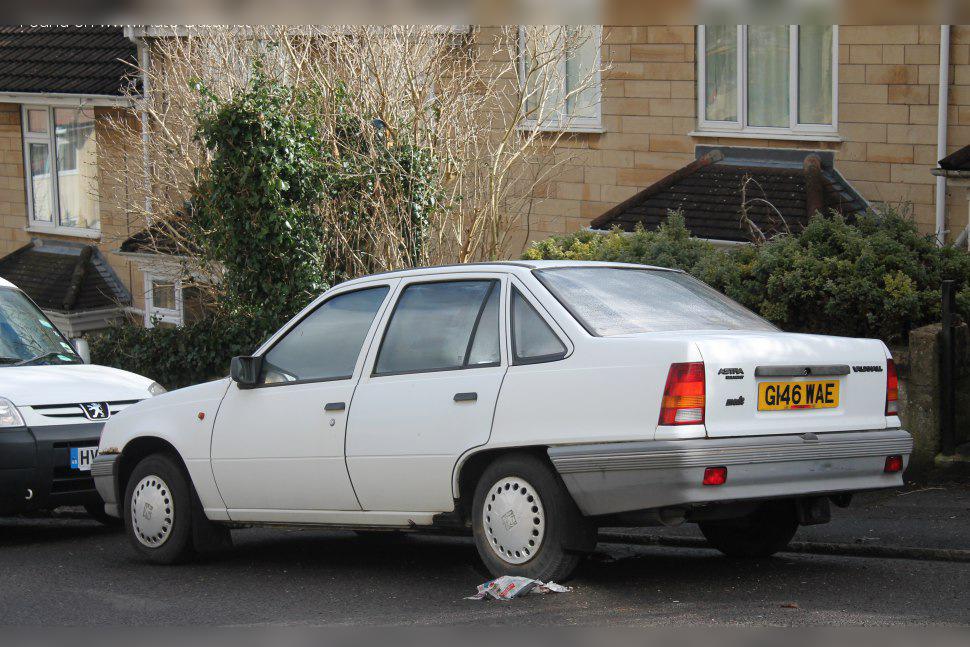
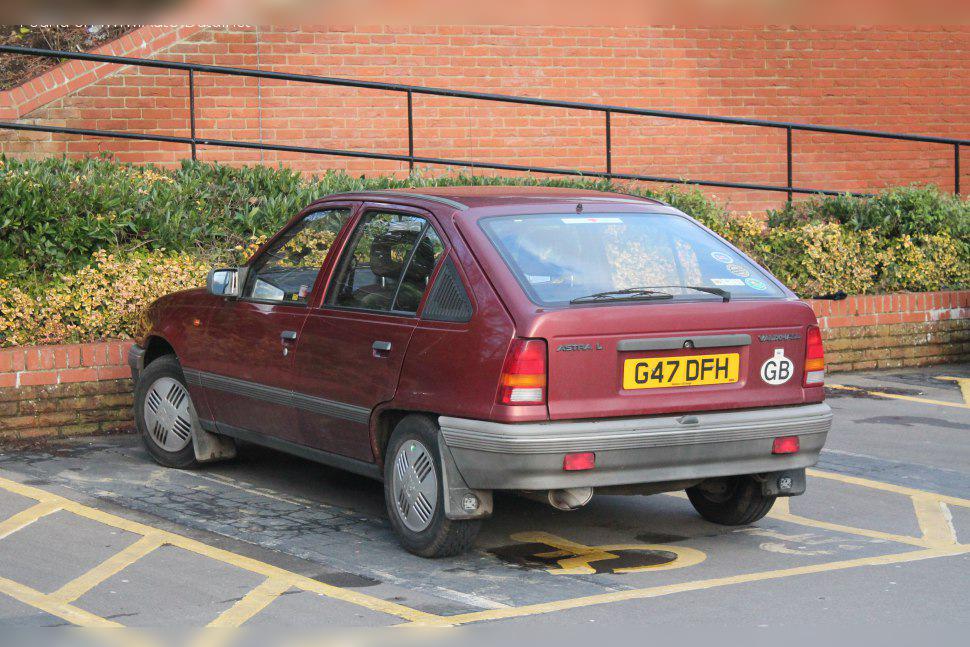
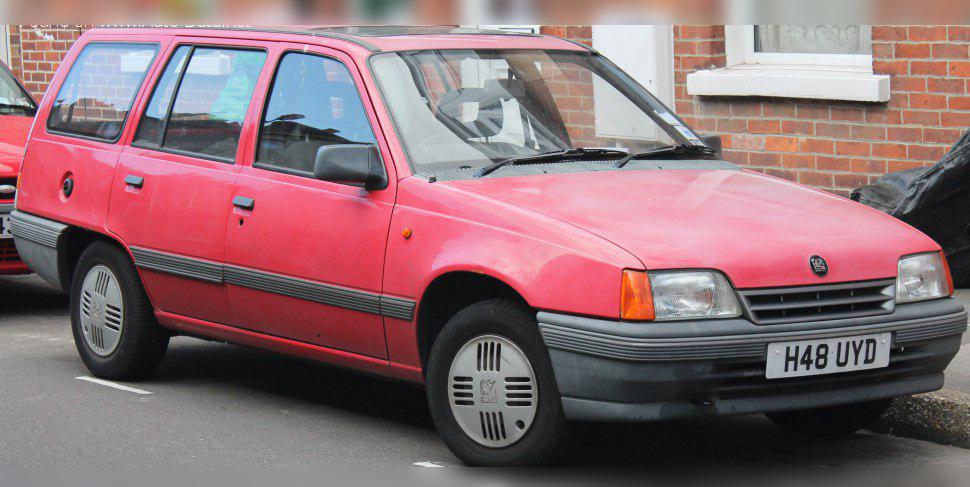
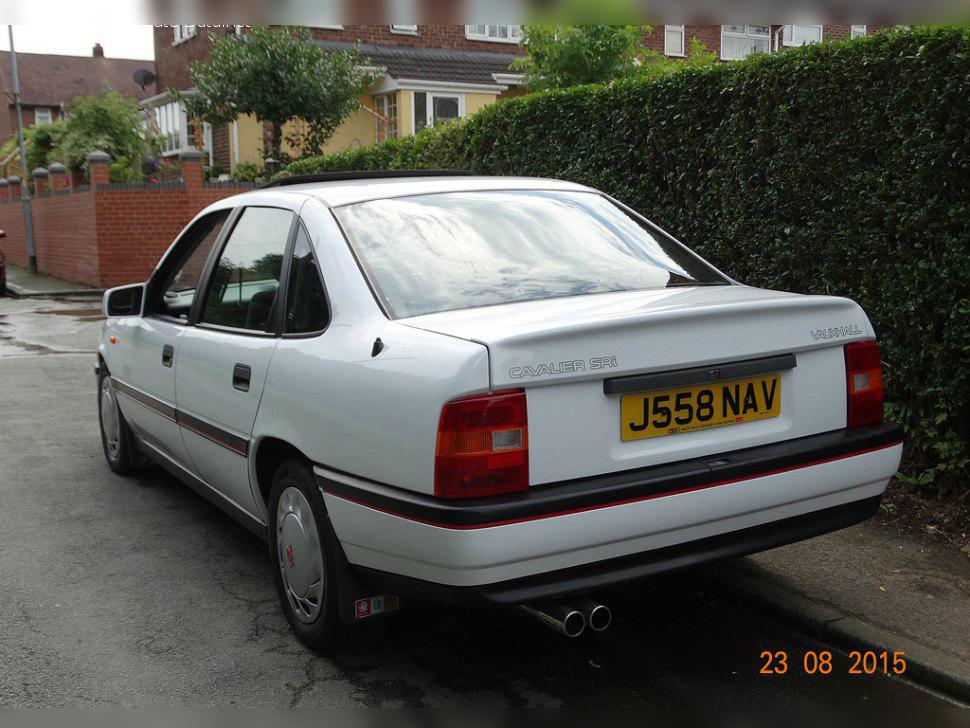
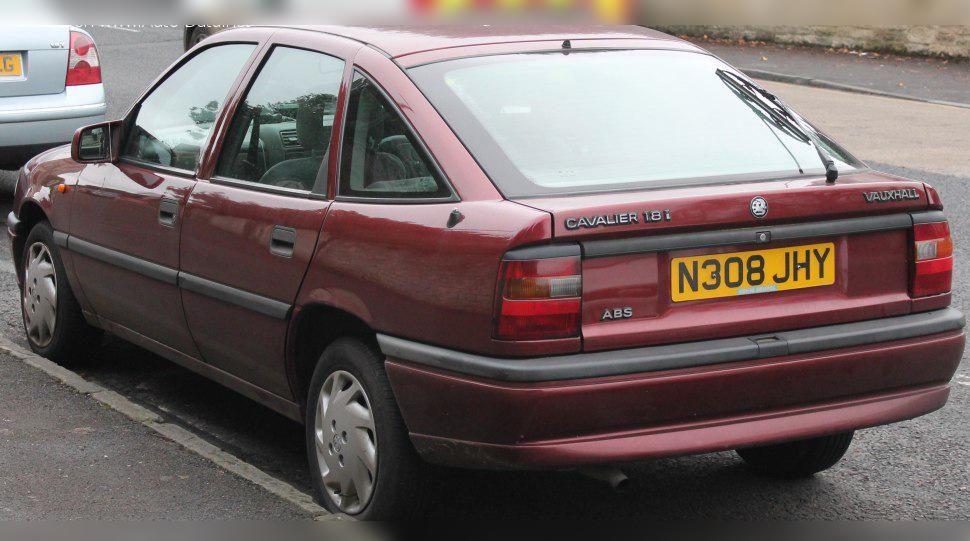
The engine designated as 16SV is a typical representative of Opel’s (GM) architecture from the eighties and early nineties. The letter “S” in the code denotes the compression ratio (between 9.0 and 9.5:1), while the letter “V” comes from the German word Vergaser, meaning carburetor. This is a workhorse that was installed in legendary models such as the Opel Kadett E, Ascona C and early Vectra A, as well as their Vauxhall twins in Europe. Today this engine is a real rarity on the roads, having survived the test of time thanks to its sheer simplicity, but it requires a specific maintenance approach compared to modern vehicles.
Technical specifications
| Specification | Data |
|---|---|
| Engine displacement | 1598 cc |
| Power | 60 kW (82 hp) |
| Torque | 130 Nm |
| Engine code | 16SV |
| Fuel system type | Carburetor (most often Pierburg 2E3) |
| Induction | Naturally aspirated |
| Fuel type | Petrol (Gasoline) |
Reliability and maintenance
Does this engine have a timing belt or a chain?
The 16SV engine uses a timing belt for cam drive. Its design makes belt replacement extremely easy and accessible. In most cases, the crankshaft and camshaft will not collide with the valves if the belt snaps (a so‑called non-interference engine), but this should never be left to chance, so it must be replaced regularly.
What are the most common failures on this engine?
The block and head themselves are virtually indestructible, but ancillaries fail due to age. The most common issues include:
- Carburetor problems: Clogged jets in the carburetor, deteriorated diaphragms and cracked vacuum hoses lead to rough idle and engine bogging when you press the throttle. The automatic choke (bimetal spring) often sticks.
- Oil leaks: Classic for old Opels. The cork valve cover gasket often seeps oil, as do the camshaft oil seals.
- Hydraulic lifters: Due to poor oil quality or long change intervals, the hydraulic lifters tend to “rattle” while the engine is cold.
- Ignition system: The distributor (cap and rotor), points or electronic module (depending on the exact production year) and high‑tension leads are a frequent cause of misfires in damp weather.
At what mileage should the major service be done?
A major service on this engine is recommended every 60,000 km or a maximum of 5 years. The kit includes the timing belt, tensioner and water pump (which is often driven by the same belt). Labor hours are minimal because access is excellent.
How many liters of oil does this engine take and which grade is recommended?
The engine holds about 3.5 liters of oil (including the filter). It is recommended to use semi‑synthetic oil of grade 10W‑40, and for engines that have covered truly huge mileages with larger tolerances you can switch to 15W‑40 mineral oil.
Does it consume oil between services?
Yes, it is almost guaranteed that this engine will consume oil, but rarely due to worn piston rings. The main culprit is the valve stem seals, which harden over time. The symptom is a cloud of bluish smoke from the exhaust on the first cold start of the day or after long idling when you blip the throttle. Consumption of up to 0.5 l/1000 km is considered acceptable for such an old engine; anything above that requires a cylinder head overhaul, which fortunately is not expensive (Depends on the market).
At what mileage should the spark plugs be replaced?
Conventional copper spark plugs on this engine should be replaced every 30,000 to 40,000 km. Maintaining correct gap and cleanliness of the plugs is critical because old carbureted systems do not have powerful coils like modern cars.
Specific parts (Costs)
Does the engine have a dual‑mass flywheel?
No. This engine uses a completely ordinary solid flywheel. There is no need to worry about the expensive replacements typical of modern diesels and petrol engines.
What kind of fuel system does it have and are the injectors problematic?
As mentioned, there are no electronic injectors. Fuel delivery is via a carburetor. There are no high‑pressure pumps or sensors. Maintenance comes down to physically cleaning the carburetor and replacing the gasket set (jets, float, needle valve). Finding a good carburetor specialist today is harder than finding the parts.
Does the engine have a turbocharger, DPF or EGR valve?
Absolutely not. Forget about turbo lag, clogged DPF filters (DPF is for diesels only), stuck EGR valves and annoying “Check Engine” lights. There is no AdBlue either. This is pure mechanics of the kind that is no longer made.
Fuel consumption and performance
What is the real fuel consumption in city driving?
Given that a carburetor is not as precise as modern electronic injection (MPI/GDI), city consumption ranges between 9.5 and 11 l/100 km, depending on how heavy your right foot is and how well the carburetor is tuned.
Is this engine “sluggish” for the weight of the body?
This depends on the model. In the Opel Kadett E (which weighs under a ton), these 82 hp and 130 Nm provide quite lively performance and the car feels eager. However, in the Opel Vectra A, which is significantly heavier and larger, the engine is noticeably “lazy”. Every overtaking maneuver requires planning, and a fully loaded car plus an uphill stretch take a serious toll on performance.
What is the engine like on the motorway and at what rpm does it cruise at 130 km/h?
This engine is not an ideal cruiser for today’s motorways. At 130 km/h in fifth gear, the crankshaft spins at around 3,500 to 3,800 rpm (depending on gearbox ratios). Because of this, the cabin becomes very noisy and fuel consumption rises sharply due to the poor aerodynamics of old cars.
Additional options and modifications
Is this engine suitable for LPG (autogas) conversion?
It is perfect for LPG. Since it uses a carburetor, the simplest “venturi” LPG system (installed via a mixer on the carburetor throat) works without any issues. Installation and maintenance of such a system are extremely cheap, and the engine can cover hundreds of thousands of kilometers with it. It even mitigates some of the unstable idle problems on petrol caused by a worn carburetor.
How much can this engine be safely “chipped” (Stage 1)?
Chipping is impossible. The 16SV engine does not have an ECU that controls injection and ignition via software. Any power increase would have to be done mechanically (hotter camshaft, porting and polishing the head, larger twin‑choke carburetor), which today, given the age and purpose of these vehicles, simply does not pay off.
Gearbox
Which manual and automatic gearboxes were fitted?
As for manuals, reliable 4‑speed and 5‑speed gearboxes from GM’s F‑series (most commonly F13 and F16) were installed. Automatic gearboxes were rare, but when offered (e.g. in the Vauxhall Cavalier or Vectra), they were classic hydraulic automatics with 3 or 4 gears (Aisin). They are extremely robust, but make the car tragically slow and significantly increase fuel consumption.
What are the most common failures?
Manual gearboxes are practically indestructible under normal operating conditions. The most common problem is the gear selector linkage. Due to worn plastic joints in the linkage, the gear lever develops a huge amount of play and precision is lost, while engaging first gear becomes a chore. Automatics suffer only from neglect – irregular replacement of old ATF oil leads to jerking and slipping during shifts.
How much does clutch replacement cost?
Since there is no dual‑mass flywheel, only a solid one, you replace just the clutch kit (pressure plate, disc, release bearing). This job and the parts are very cheap (Depends on the market). In addition, Opel gearboxes from that era (such as the F16) have a special “inspection window” on the underside of the bellhousing, so in some cases it is possible to replace the clutch disc without removing the entire gearbox (using special clamping tools), which reduces labor costs.
Gearbox service and oil
For the manual gearbox, the manufacturer specified only level checks and topping up, but a sensible recommendation is to replace the gearbox oil every 100,000 km. For the automatic gearbox, ATF oil and filter must be replaced every 60,000 km to preserve the clutch packs inside the transmission.
Buying used and conclusion
What should be checked before buying?
- Body condition: This is item number 1. The engines are long‑lived, but the bodies they are mounted in rust at an unbelievable rate. Check the rear arches, sills, strut towers and floorpans.
- Hydraulic lifter noise and exhaust smoke: A cold start is crucial. Slight ticking is normal for a few seconds, but it must not persist. Pay attention to blue smoke (valve stem seals) when lifting off the throttle from high revs.
- Cooling system: Check whether there are traces of oil in the coolant reservoir and whether the hoses are rock‑hard (an indication of a failing head gasket, which happens if the engine has been overheated in the past).
- Idle quality: If the engine stumbles, hunts for revs or stalls at idle (and there is no LPG installed), be prepared to look for a carburetor specialist. Diagnostics (OBD port) on these cars does not exist in the way we know it today – faults are traced “by hand”.
Who is this engine for?
Opel’s 16SV engine from the golden age of simple mechanics is ideal for enthusiasts who enjoy “old‑school” driving and know how to do basic maintenance themselves in a garage. It is also a fantastically cheap transport option (on LPG) in rural areas, provided you find a shell that hasn’t already been completely eaten by rust. It is not for motorways, not for setting speed records, but purely for reliably getting from point A to point B with minimal service costs.