Opel 17D engine (1.7 D 57 HP) – Experiences, problems, fuel consumption and used car buying tips
- Old-school diesel: Indestructible mechanics, without complex electronic systems.
- Extremely slow: With only 42 kW (57 HP) and 105 Nm, this is one of the slowest engines out there, so forget about brisk overtaking.
- Cheap maintenance: No dual-mass flywheel, no turbocharger, no DPF filter. Repair costs are minimal.
- Low fuel consumption: Very economical in city and rural driving conditions.
- Mechanical injectors: The injection system is robust, and refurbishing injector nozzles is cheap.
- Age as the main enemy: The biggest problems come from material fatigue, poor maintenance by previous owners and oil leaks.
Contents
- Introduction: Get to know Opel’s 17D engine
- Technical specifications
- Reliability, Maintenance and Failures
- Specific parts and Costs
- Fuel Consumption and Performance
- Additional Options and Modifications
- Gearbox and Power transfer
- Buying used and Conclusion
Introduction: Get to know Opel’s 17D engine
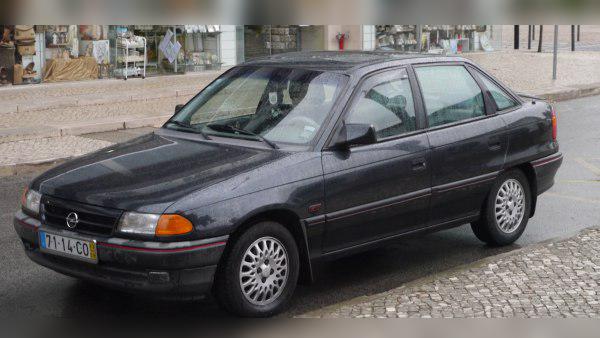
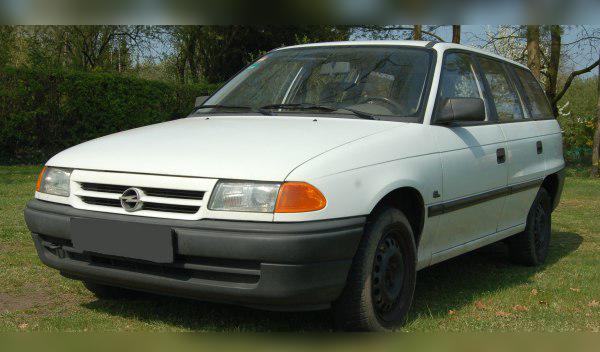
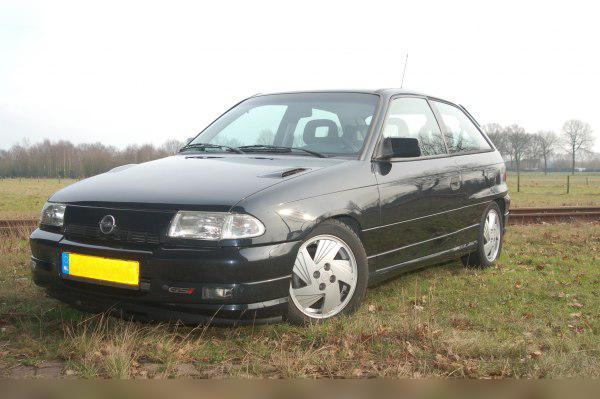
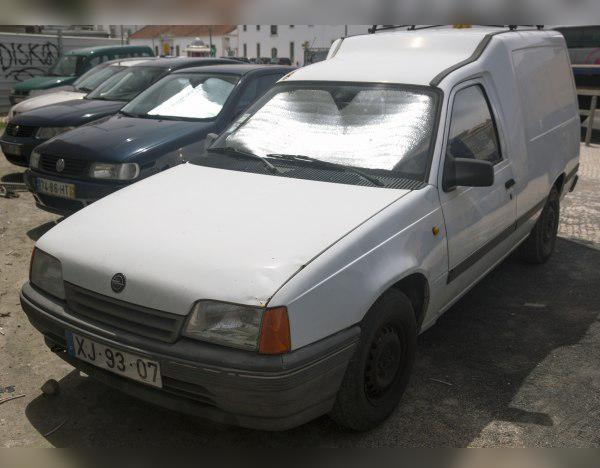
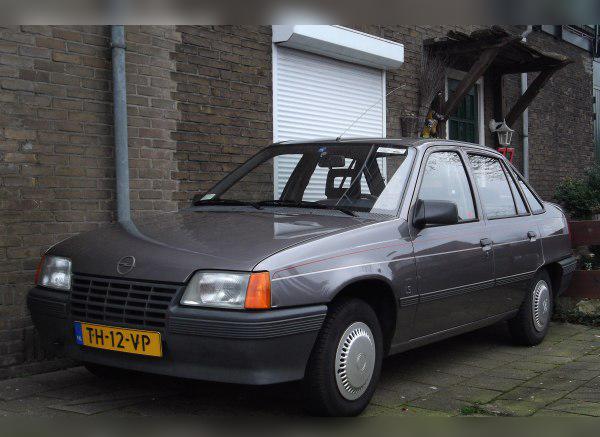
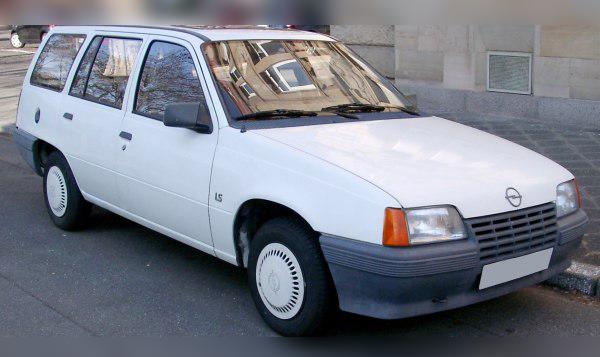
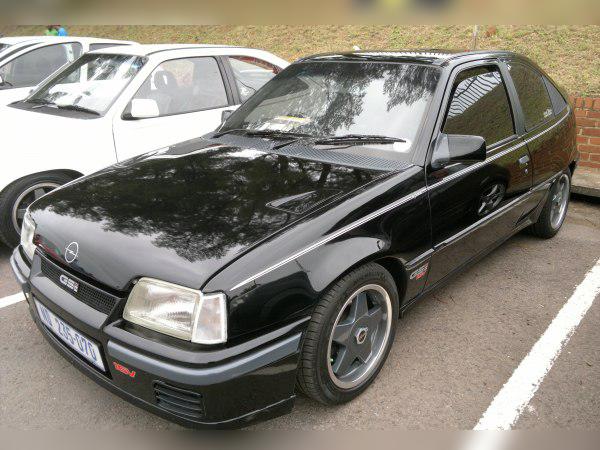
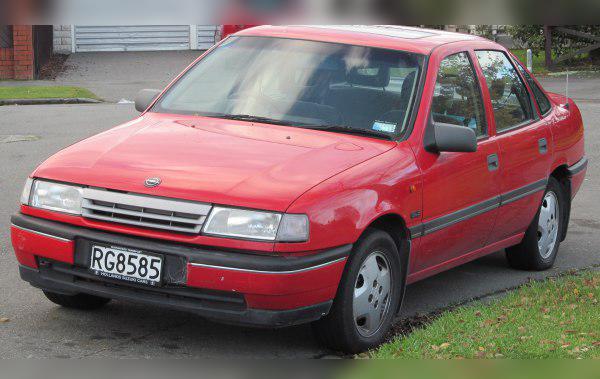
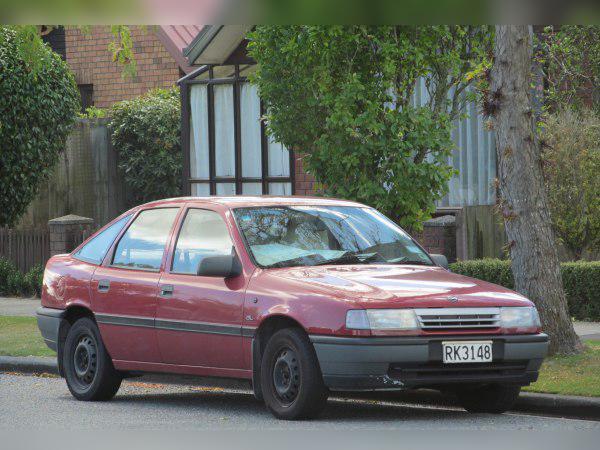
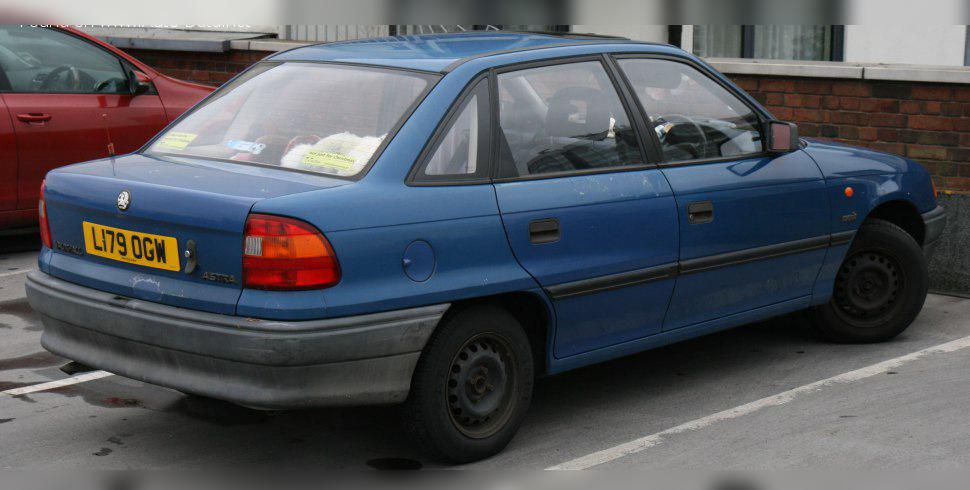
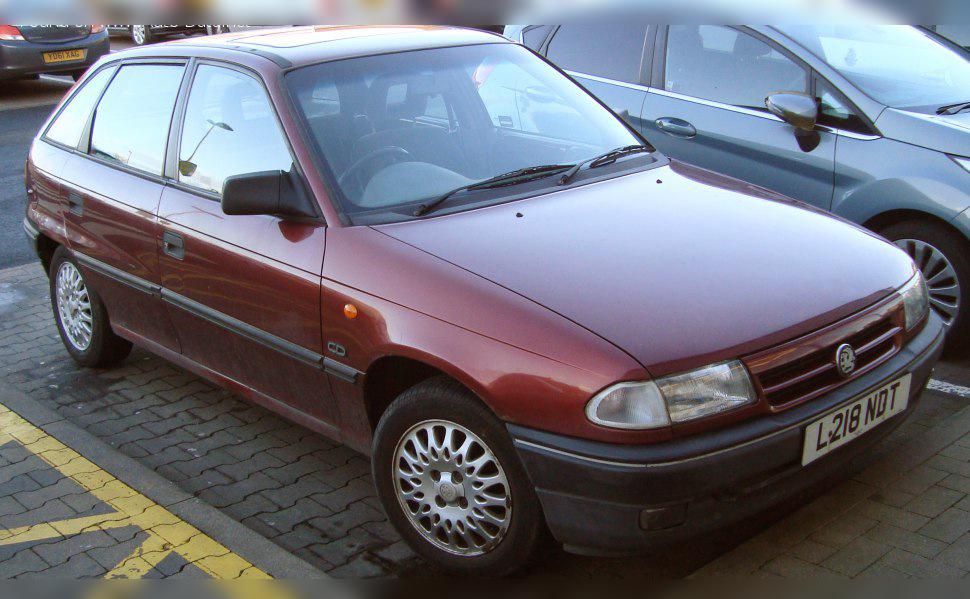
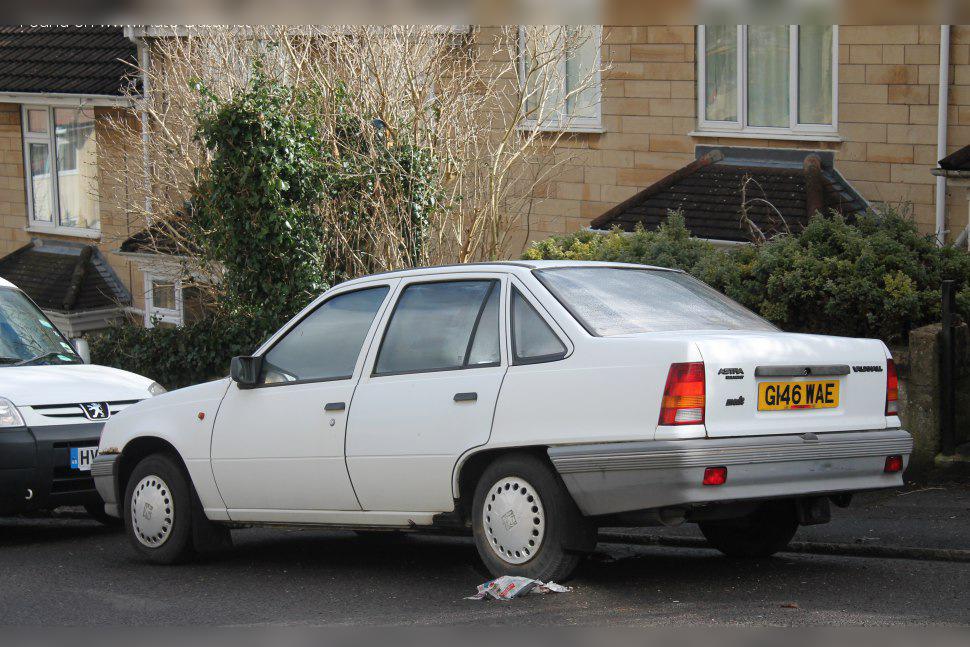
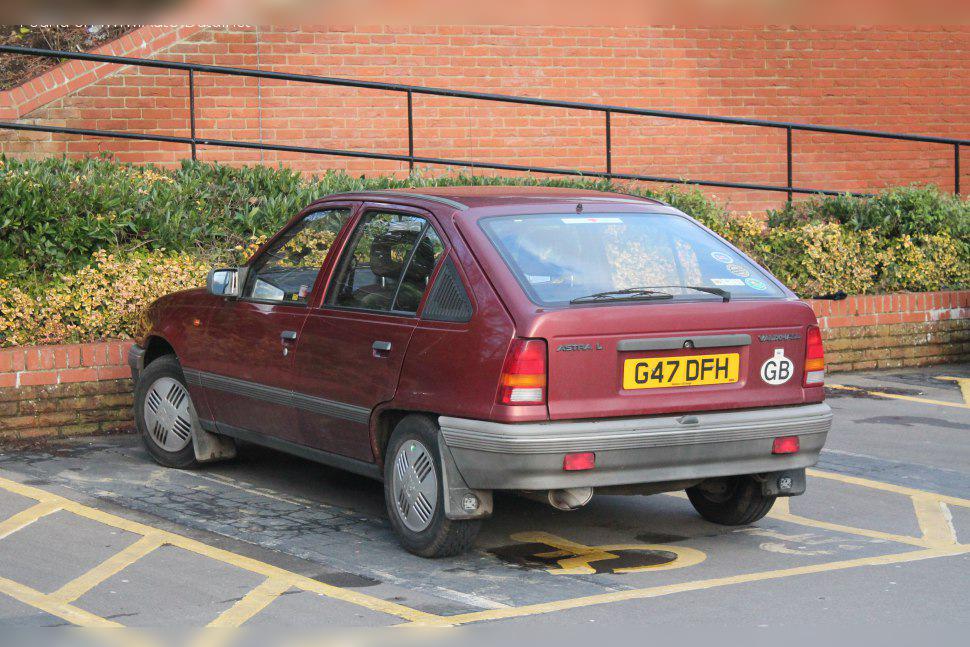
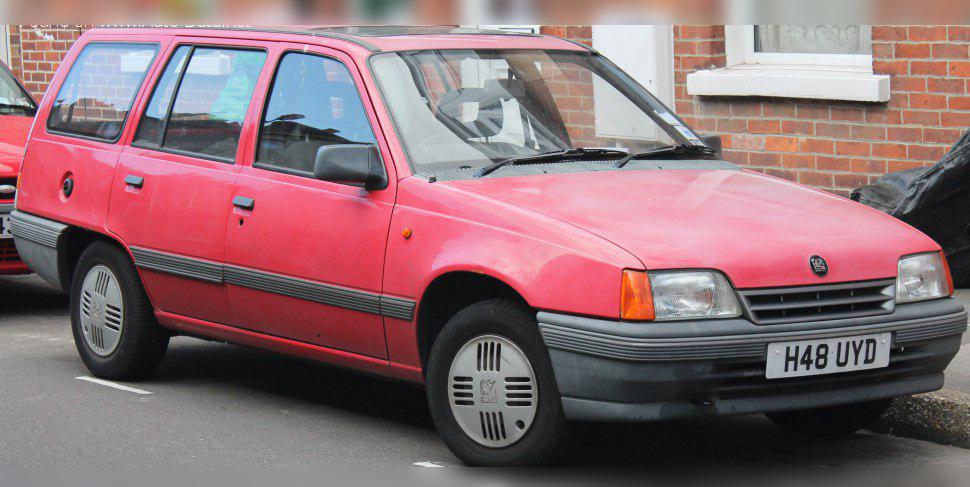
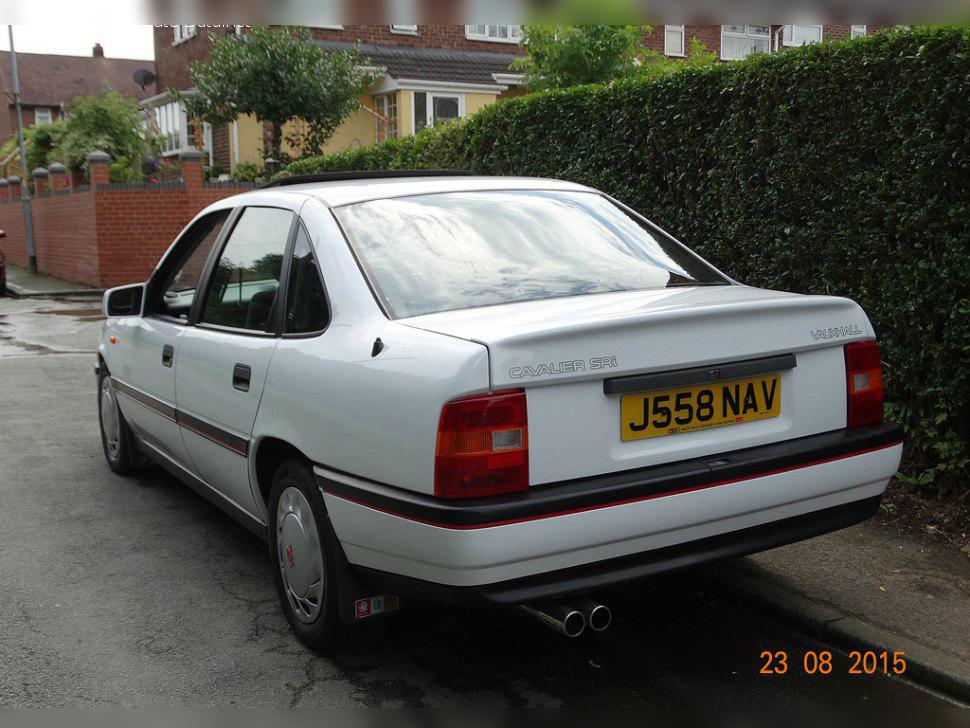
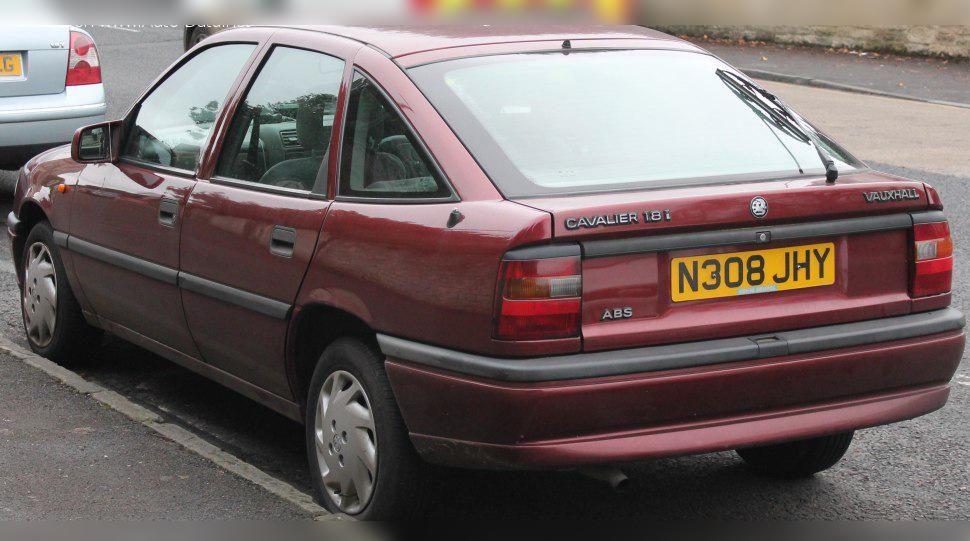
When we talk about the 17D engine, we’re talking about pure, raw mechanics from the late eighties and early nineties. This is Opel’s power unit (don’t confuse it with the legendary 1.7 Isuzu turbo diesels) that was designed with a single goal: to transport passengers from point A to point B with minimal fuel consumption and maximum longevity. It was installed in icons of that era such as the Opel Kadett E, Astra F, and even the heavier Vectra A. Although by today’s standards this engine is hopelessly slow and noisy, its simplicity makes it a favorite among those who value reliability over performance.
Technical specifications
| Parameter | Data |
|---|---|
| Displacement | 1700 cc (1.7 L) |
| Power | 42 kW (57 HP) at 4600 rpm |
| Torque | 105 Nm at 2400 - 2600 rpm |
| Engine codes | 17D |
| Injection type | Indirect injection (Mechanical Bosch/Lucas pump) |
| Intake | Naturally aspirated |
Reliability, Maintenance and Failures
Timing belt and major service
The 17D engine uses a timing belt. Given the old design, the interval for a major service (replacement of belt, tensioner, rollers and water pump) is quite short and is recommended every 60,000 km or every 4 to 5 years. A snapped belt on this engine leads to serious damage to the valves and cylinder head, so this is not something to play with.
Oil and regular servicing
This engine takes about 4.5 to 5 liters of oil. Due to the older tolerances of engine components, a thicker oil is recommended, most often semi-synthetic 10W-40, or even mineral 15W-40 for engines that have covered a huge mileage. Regular minor service is done every 10,000 km. Oil consumption is to be expected. Due to wear of piston rings and valve stem seals over the decades, it is normal for it to consume 0.2 to 0.5 liters per 1000 km. If it consumes over one liter per 1000 km, it’s time for a serious “refresh” (partial overhaul).
Most common failures
This engine is incredibly reliable, so “failures” mostly come down to the consequences of aging:
- Oil leaks: The crankshaft oil seals and oil pan gasket often fail. The symptom is obvious oily spots under the car.
- Cold start issues: If it cranks for a long time in the morning and emits white smoke, the most common culprits are the glow plugs or fuel pressure loss in the system (air ingress in the fuel lines).
- Fuel pump: Seals on the Bosch or Lucas rotary high-pressure pump can dry out and start leaking, which requires resealing by a diesel specialist.
Injectors and fuel system
Since this is a diesel, injector lifespan is fascinating. These are mechanical injectors that can last over 300,000 km. When they wear out (symptoms: rough engine operation, loss of power, black smoke under load), only the injector nozzle is replaced, which is extremely affordable (depends on the market). After replacement, the injectors are calibrated by a diesel specialist and are ready for hundreds of thousands of kilometers more.
Specific parts and Costs
This is an engine from the era before strict emission standards and modern performance requirements, which drastically reduces ownership costs.
- Dual-mass flywheel: DOES NOT EXIST. This engine uses a simple, solid flywheel, which means that clutch replacement involves only the pressure plate, clutch disc and release bearing.
- Injection system: No expensive common-rail injectors or rail pressure sensors. Injection is completely mechanical.
- Turbocharger and intercooler: It doesn’t have them. This is a naturally aspirated (“ordinary”) diesel. Consequently, there are no turbo failures either.
- DPF filter and AdBlue: The engine is from long before Euro 4/5/6 standards, so it has no DPF filter and does not use AdBlue fluid. The earliest versions don’t even have an EGR valve, while later ones had an extremely primitive mechanical EGR that can be easily and cheaply blocked off if it gets stuck from soot.
Fuel Consumption and Performance
Real-world fuel consumption
For its era, the 17D is a fuel saver. In city driving, consumption is around 6.5 to 7.5 l/100 km, depending on how heavy your right foot is. On open roads (single carriageway), it can drop to about 4.5 to 5 l/100 km.
Driving dynamics and “sluggishness”
Is this engine “sluggish”? Absolutely yes. With only 57 HP, the 0–100 km/h sprint is measured by the calendar (over 16–17 seconds). In lighter shells such as the Opel Kadett E it just about manages, but in the Vectra A estate, which is significantly heavier, driving requires patience and careful planning of every overtake. The lack of torque (105 Nm) means you’ll often have to shift down on inclines.
Behavior on the motorway
This engine is not intended for today’s motorways. At a speed of 130 km/h (which is close to its top speed), the engine spins at about 3500–4000 rpm. At those revs, cabin noise is unbearable, and oil and fuel consumption increase exponentially. The ideal cruising speed (the so‑called “sweet spot”) for this unit is around 90–100 km/h.
Additional Options and Modifications
If you were wondering how much this engine can be “chipped” (Stage 1), the answer is – not at all. Since the unit has no ECU (engine control unit) that controls injection and turbo pressure, electronic “chipping” is impossible. The only way to increase power on old diesels is to manually turn the fuel delivery screw on the pump. This will give you a few extra horsepower, but will create clouds of thick black smoke (unburnt diesel) behind you, higher engine temperatures and higher fuel consumption. Not recommended.
Gearbox and Power transfer
The 17D was most commonly paired with tried-and-tested Opel five-speed manual gearboxes from the F13 or F16 series, depending on the car model.
- Manual gearboxes: They are very reliable, but after decades of use the driveshaft oil seals (oil leaks) and the gear selector wear out (the linkage loses precision, so the gear lever feels “wobbly” and it’s hard to engage first and second gear). Refurbishing the selector is not expensive (depends on the market). The oil in the manual gearbox should be changed every 100,000 km, although almost no one does this, which leads to difficult shifting in winter.
- Automatic gearboxes: Practically non-existent in combination with this weak naturally aspirated diesel on the European market. If you do come across one, avoid it, because old 3- or 4-speed hydraulic automatics kill what little power the engine has.
- Clutch replacement cost: Since the engine does not have a dual-mass flywheel, the clutch kit (pressure plate, disc, bearing) is among the cheapest on the market. Replacement cost is very low (depends on the market).
Buying used and Conclusion
What exactly to check before buying?
Considering that these cars are around 30 years old, the mechanicals have probably outlived the bodywork.
- Cold start: You must test the engine completely cold. If it starts hard, cranks for a long time and emits white or blue smoke, it has a problem with glow plugs, compression or the fuel pump.
- Pressure in coolant hoses: Let it warm up and feel the upper radiator hose. If it’s hard as a rock, there’s a high chance that the head gasket has blown, which is not uncommon due to overheating caused by old, clogged radiators.
- Exhaust gases under load: Black smoke at full throttle means bad injectors or a misadjusted Bosch pump. Blue smoke means it’s burning oil past the rings.
- Diagnostics: Pointless. The engine has no OBD2 port and cannot be read with diagnostics like modern cars. Rely on your ears, eyes and an experienced mechanic.
Who is this engine for?
The Opel 17D engine is a relic of the past. It’s not intended for young drivers hungry for speed, nor is it for the motorway. It is ideal for people in more rural areas, farmers, or drivers looking for an extremely cheap “workhorse” car for short, everyday trips where comfort and speed are not a priority, and where reliability and low maintenance costs are the most important factors.