Opel 18SV (1.8 90 hp) – Experiences, problems, fuel consumption and buying used
In front of you is a detailed analysis of one of Opel’s best-known engines from the late eighties and early nineties. As an experienced mechanic and technical editor, I’ve dealt with countless Vectra A and Omega A models powered by the 18SV unit. This is an engine from the “golden age” of mechanics, before electronics and strict environmental regulations complicated everything.
Key points (TL;DR)
- Mechanically indestructible: Old GM Family II (OHC) engine architecture that easily covers huge mileage with basic maintenance.
- No expensive modern parts: No dual-mass flywheel, turbocharger, DPF or complex injectors.
- Problematic carburetor: The most common issues come from the Pierburg carburetor (automatic choke and vacuum hoses).
- Ideal for LPG: Thanks to its simple design, installing a basic venturi LPG system is very cheap and effective.
- Sluggish in heavier cars: While it’s perfectly adequate in the Vectra A, in the heavy Omega A (which is also rear-wheel drive) it feels noticeably “lazy”.
- Cheap maintenance: All suspension, engine and auxiliary parts fall into the not expensive category (Depends on the market).
Contents
- Introduction and engine origins
- Technical specifications
- Reliability and maintenance
- Specific parts (Costs)
- Fuel consumption and performance
- Additional options and modifications
- Gearbox and drivetrain
- Buying used and conclusion
Introduction and engine origins
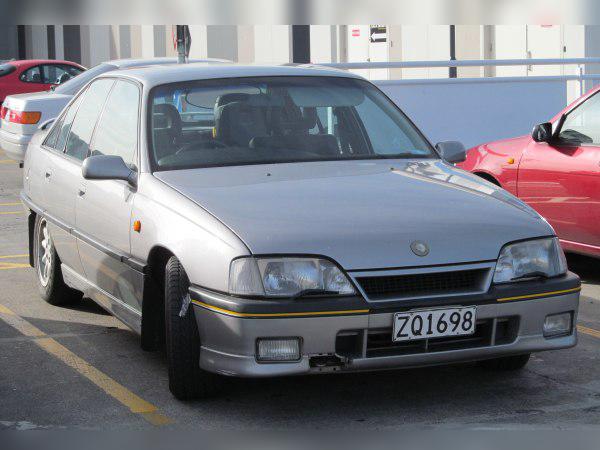
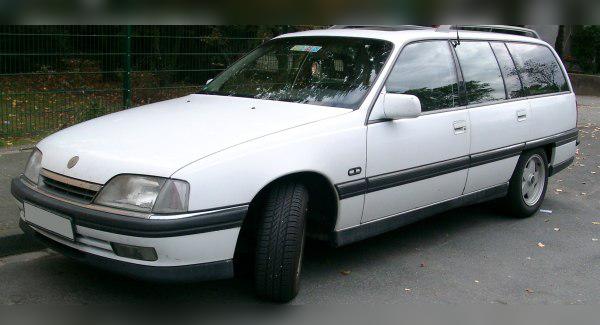
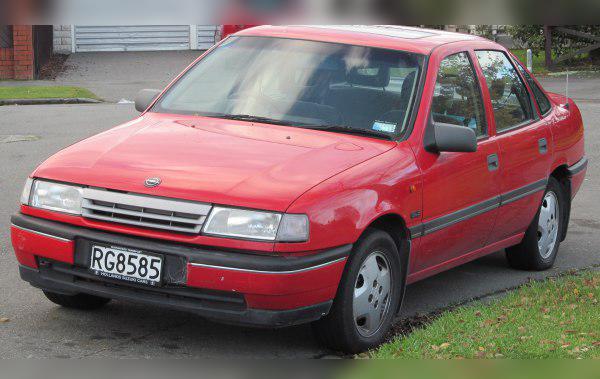
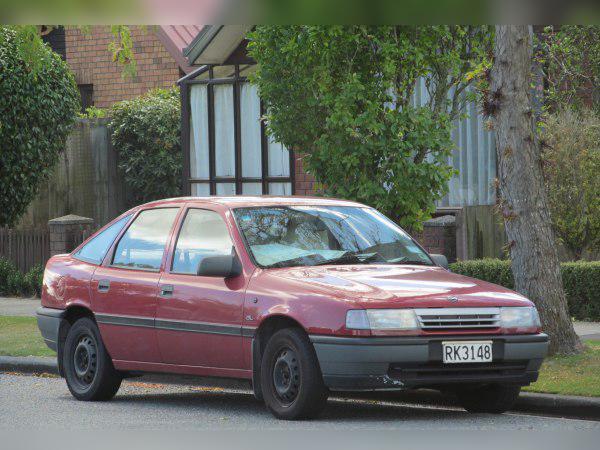
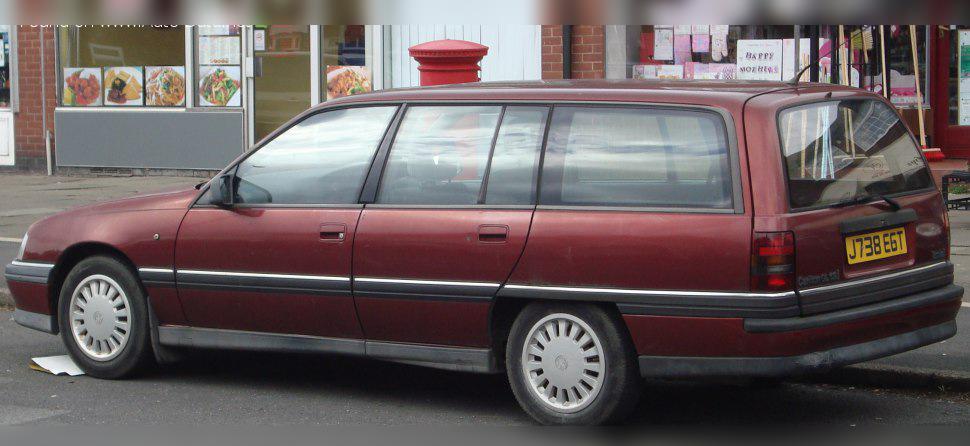
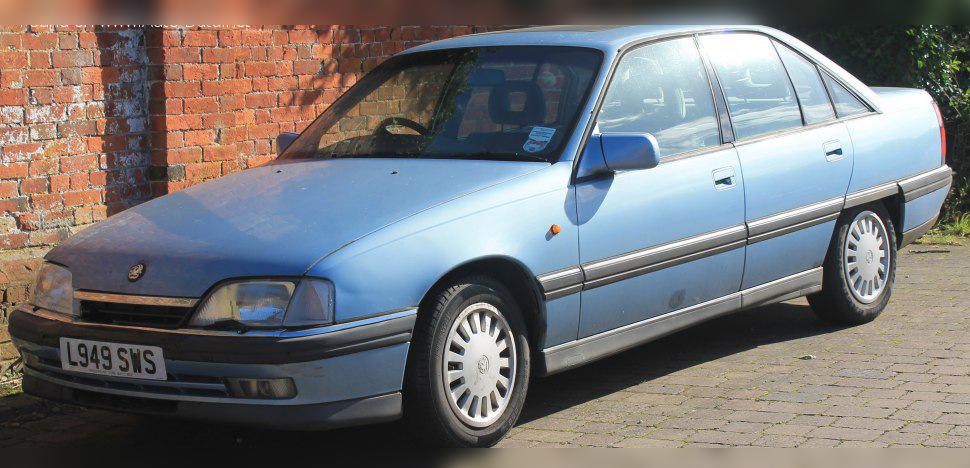
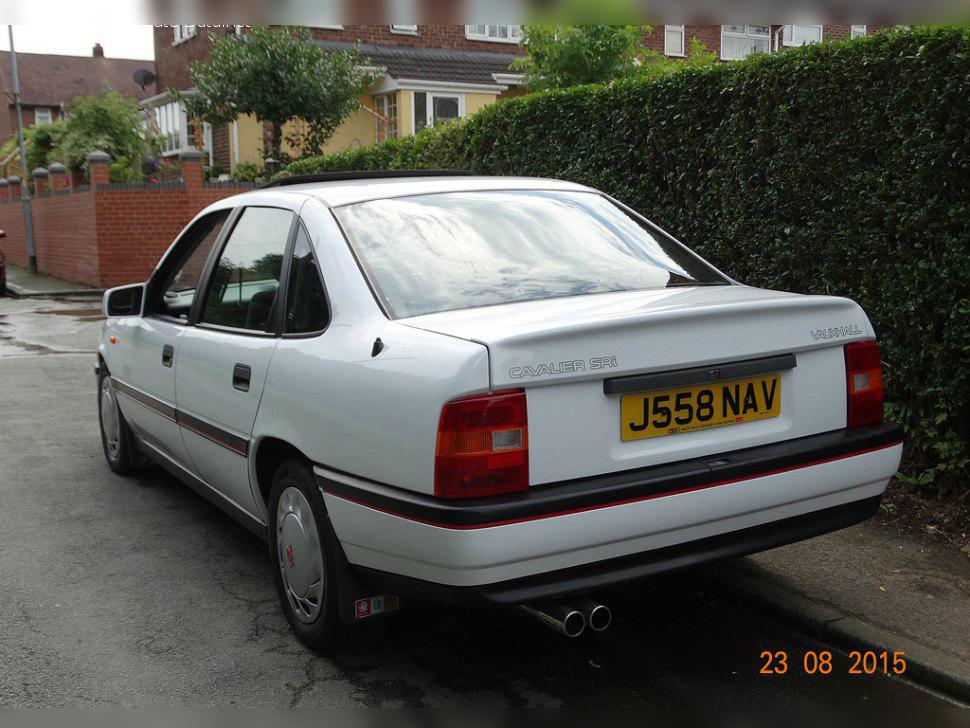
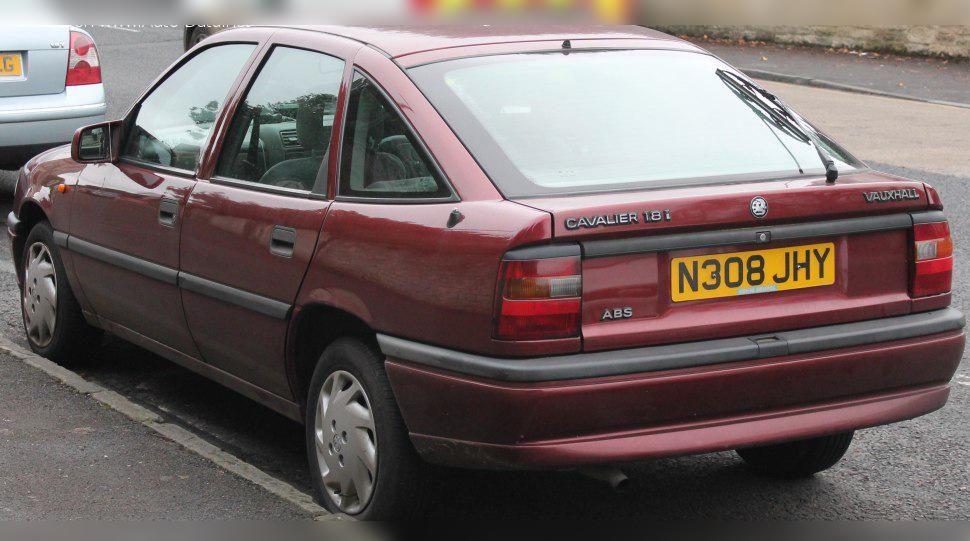
The 18SV engine belongs to the famous Opel (GM) Family II series of OHC (Overhead Camshaft) engines with 8 valves. The letter “S” denotes a compression ratio intended for Super petrol, while “V” (from the German word Vergaser) clearly indicates that this engine uses a carburetor, not electronic fuel injection. It was mostly installed in models such as the Opel Vectra A and Opel Omega A (as well as their British twins, the Vauxhall Cavalier and Carlton). This is an old-school unit, designed to be a workhorse rather than a racing engine.
Technical specifications
| Parameter | Data |
|---|---|
| Displacement | 1796 cc |
| Power | 66 kW (90 hp) |
| Torque | 145 Nm |
| Engine codes | 18SV |
| Fuel system | Carburetor (Pierburg 2E3) |
| Turbo/Naturally aspirated | Naturally aspirated engine |
Reliability and maintenance
Timing and service intervals
The 18SV engine uses a timing belt to drive the camshaft. The design is so robust that even in the event of a belt snap, on earlier versions of these 1.8 engines the pistons rarely hit the valves (so-called “non-interference” engine), although you should not rely on this completely as it depends on the cylinder head machining. The major service is typically done every 60,000 km or every 4–5 years. Parts for the major service (belt, tensioner, water pump) fall into the not expensive category (Depends on the market).
Most common failures
The block and cylinder head mechanics themselves are virtually indestructible, but the auxiliary components can cause headaches:
- Carburetor (Pierburg 2E3): This is by far the weakest point of the engine. The automatic choke often fails, making the engine hard to start in winter or causing excessively high idle speed. Also, the vacuum hoses crack with age, so the engine draws “false air”, jerks under acceleration and stalls at traffic lights.
- Distributor and ignition module: The ignition module located inside the distributor can burn out without any warning. Symptom: the car dies while driving and there is no spark at the plugs.
- Valve stem seals: Given the age, gaskets and valve stem seals become hard and brittle. The engine then starts burning oil. Symptom: bluish smoke from the exhaust at first cold start in the morning or when you step on the gas after prolonged engine braking.
- Valve cover gasket: Very often it seeps oil and makes the entire top half of the engine dirty. Replacement cost is minimal (cork gasket).
Oil and spark plugs
The engine takes about 4.0 liters of oil with filter change. The recommended grade is semi-synthetic 10W-40 (or even 15W-40 in summer for very worn examples). As for oil consumption, due to age and worn piston rings or valve stem seals, consumption of 0.5 l to 1 l per 1000 km is unfortunately considered “normal” today on most surviving units. Spark plugs are standard copper plugs, with no platinum or iridium, and are replaced every 30,000 km.
Specific parts (Costs)
Forget the worries that plague modern drivers. The 18SV is mechanics in its purest form.
- Dual-mass flywheel: It doesn’t exist. The engine uses a conventional solid flywheel. Replacing the clutch kit is not expensive (Depends on the market).
- Fuel system: There are no electronic injectors. Fuel is mixed solely by the carburetor. Maintenance comes down to cleaning the carburetor and replacing membranes, but the problem is finding a mechanic today who really knows how to properly tune a Pierburg carburetor.
- Turbocharger: The engine is naturally aspirated, so there is no turbo.
- DPF and EGR: This engine was designed before DPF filters and does not have an EGR valve that could clog with soot.
- AdBlue: There is of course no AdBlue system.
Fuel consumption and performance
From today’s perspective, fuel consumption is high for the power on offer. A carbureted engine is simply not as efficient as modern direct injection systems.
- City driving: Expect real-world consumption of 10 to 12 l/100 km in the city, especially in winter when the automatic choke enriches the mixture for a longer time.
- Performance and weight: Engine behavior depends heavily on the body style. In the Vectra A (Cavalier), which is front-wheel drive and relatively light, 90 hp and 145 Nm are quite adequate for normal driving. However, in the large Omega A (Carlton) saloon with rear-wheel drive, this engine is extremely sluggish. Overtaking requires a run-up and shifting down.
- Motorway: At 130 km/h in fifth gear, the engine spins at a relatively high 3200–3500 rpm (depending on the gearbox ratio). At these speeds, cabin noise becomes noticeable and fuel consumption rises above 8 l/100 km.
Additional options and modifications
LPG installation
This is one of the best aspects of the 18SV engine. It’s perfect for LPG! Since it uses a carburetor, you don’t need an expensive sequential LPG injection system. A simple venturi system with a mixer is installed. Installation is very cheap (Depends on the market), the system is incredibly reliable and drastically cuts running costs. The only downside is that you lose boot space because of the tank.
Chipping (Stage 1 tuning)
Is it worth it? Absolutely not. The 18SV is an old naturally aspirated engine without an ECU controlling injection. There is no map to “remap”. Any power increase would require physical modifications: different camshaft, ported intake and fitting twin Weber carburetors, which is completely uneconomical for a 90 hp engine.
Gearbox and drivetrain
Manual and automatic gearboxes
This engine was most commonly paired with the proven 5-speed manual gearbox (F-series for the Vectra, or R-series for the Omega). Old 4-speed automatic gearboxes (Aisin Warner or GM) were also available, although they are very rare in this region.
Gearbox failures and maintenance
The manual gearboxes are literally indestructible. The most common fault is not in the gearbox itself, but in the gear selector linkage, which develops a lot of play over time, making the gear lever imprecise. Automatic gearboxes lose their smooth shifting if the oil hasn’t been changed regularly (the oil turns black and smells burnt, which leads to slipping).
Service: For the manual gearbox, an oil change is recommended every 100,000 km, although many manufacturers didn’t even specify it (a level check was considered sufficient). For automatics, ATF oil and filter must be changed strictly every 60,000 km.
As already mentioned, manual models do not have a dual-mass flywheel. Replacing the complete clutch kit (disc, pressure plate, release bearing) is considered a not expensive repair (Depends on the market).
Buying used and conclusion
What to check before buying?
Considering that cars with the 18SV engine have long since moved past the “used car” status and entered “youngtimer” territory, inspection is crucial:
- Bodywork: Before you even look at the engine, check the bodywork! Vectra A and Omega A are notorious for rust (arches, sills, strut towers). A sound engine is pointless if the car isn’t structurally safe.
- Idle behavior: When you start a cold engine, revs should slightly rise while the choke is working and then settle down smoothly. If the car misfires, stalls at traffic lights or has black smoke from the exhaust, the problem is in the carburetor.
- Hydraulic tappet noise: These engines have hydraulic valve lifters. A sewing-machine-like ticking sound in the first few seconds after startup is normal until the oil pump builds pressure. But if the noise doesn’t disappear once the engine is warm, the lifters are due for replacement or the oil passages are clogged with sludge.
- Blue smoke: Warm the car up, let it idle for a minute, then floor the throttle. If it throws out a cloud of blue smoke, the valve stem seals or piston rings are done.
Conclusion
Who is the 18SV for today? This engine is not for someone looking for dynamic performance or modern technology. It’s aimed at fans of retro cars (Opel classics), people who want a cheap platform for learning mechanics themselves, and those who need a simple, inexpensive machine to get from A to B with an LPG system fitted. Although the carburetor can occasionally get on your nerves, the core of this engine is a chunk of iron from an era when cars were built to last.