Engine 20SEH (Opel 2.0i 129 HP): Experiences, problems, fuel consumption and used car buying tips
- No dual-mass flywheel or turbocharger – Maintenance is extremely cheap and simple.
- Very durable engine block – Covers huge mileage without serious internal damage.
- Excellent performance – In light bodies (such as the Opel Kadett E) it provides a truly sporty experience.
- Ideal for LPG – The engine handles gas systems very well without damaging the valves.
- Prone to oil leaks – The valve cover and oil pan gaskets often seep.
- Outdated technology – Due to age, the biggest issues are worn wiring, sensors and vacuum hoses.
Contents
- Introduction: Old-school Opel engineering
- Technical specifications
- Reliability and Maintenance: What fails and how much does it cost?
- Specific Components: Injection, flywheel and emissions
- Fuel Consumption and Performance: How does it behave on the road?
- Additional Options and Modifications: LPG and Chiptuning
- Gearbox: Manual and automatic options
- Buying Used and Conclusion
Introduction: Old-school Opel engineering
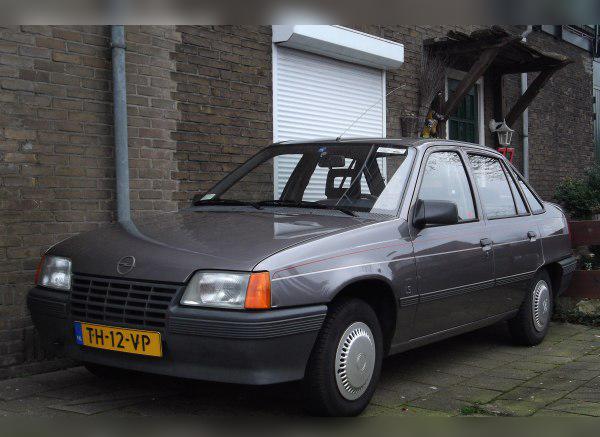
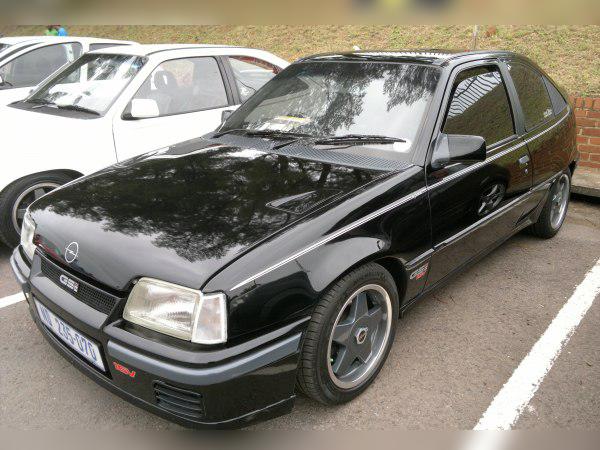
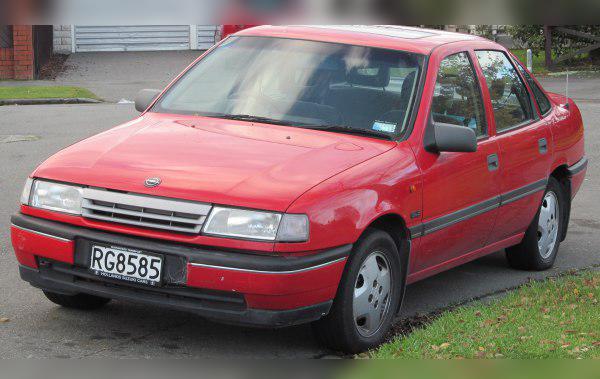
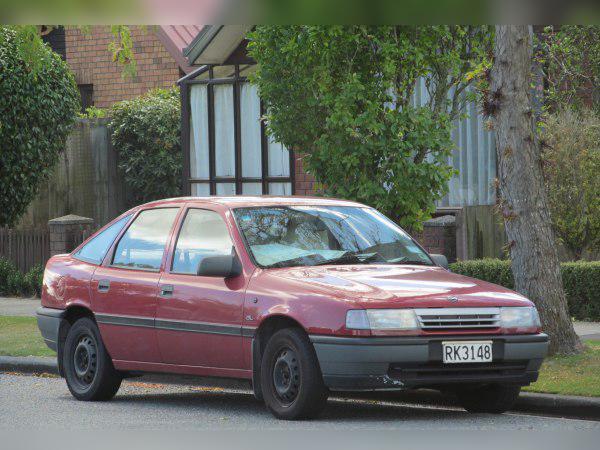
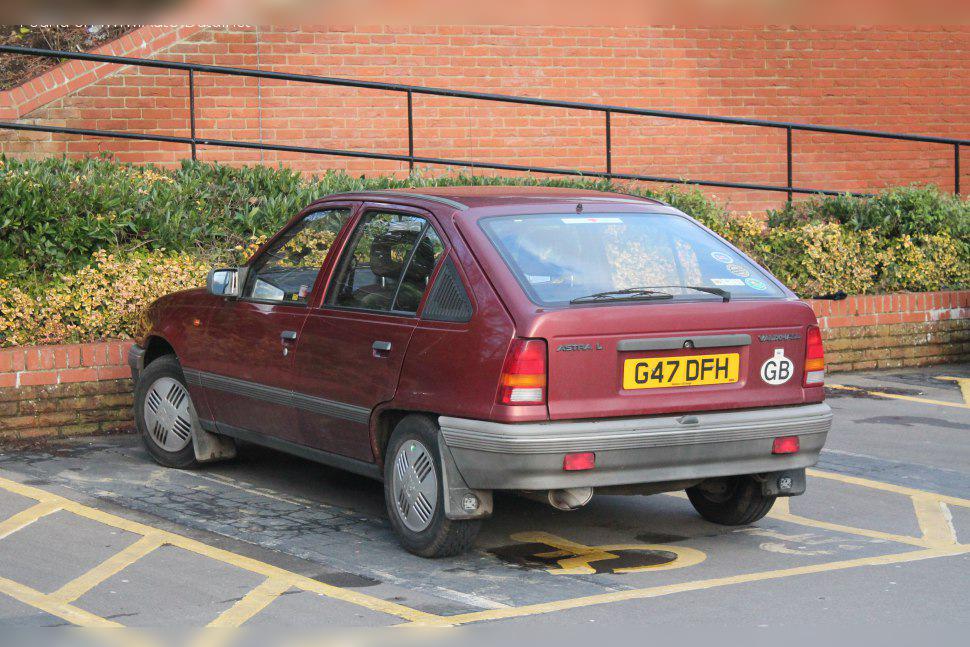
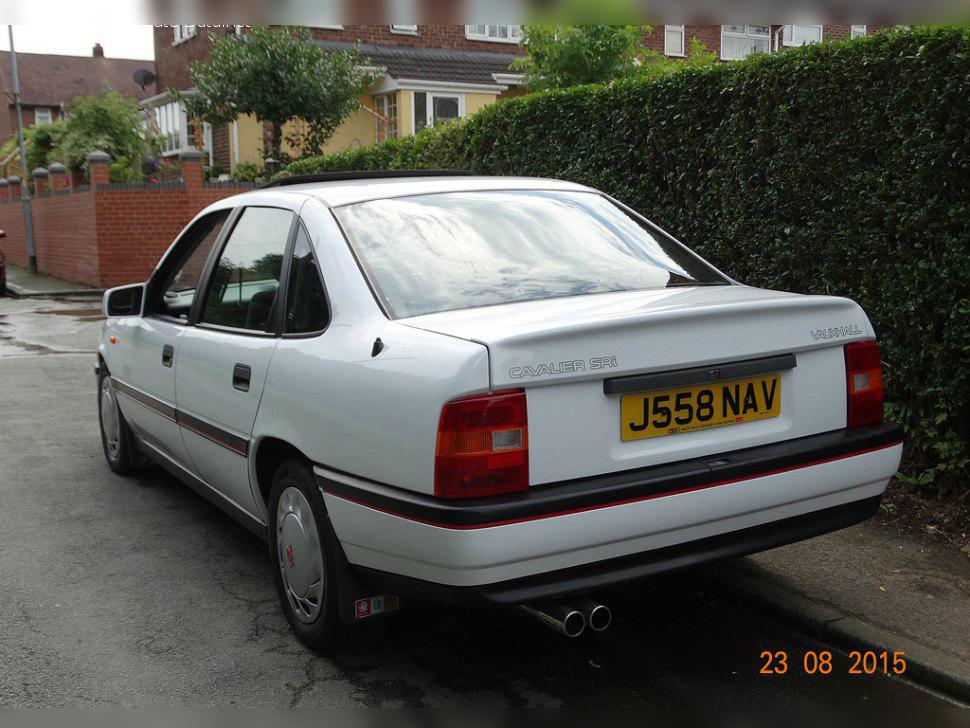
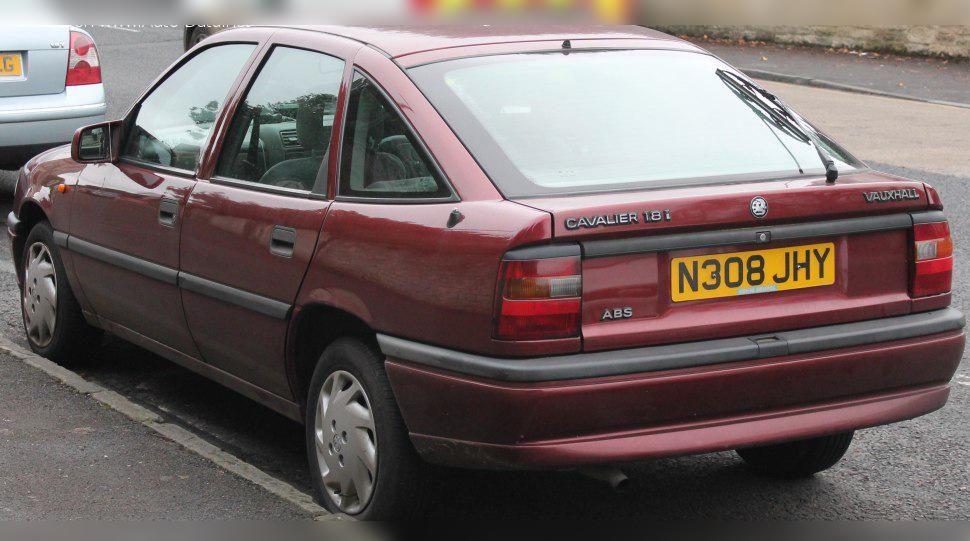
The engine designated 20SEH is a true legend from the late eighties and early nineties. It belongs to Opel’s famous “Family II” engine series. It is an eight-valve, naturally aspirated 2.0-liter petrol engine that delivers 129 HP (95 kW). This engine is actually a higher-compression (10.0:1) version of the better-known C20NE, and it was developed primarily for sporty and “Grand Touring” models before the widespread introduction of strict emission standards and catalytic converters. It was installed in icons such as the Opel Kadett E GSI and Opel Vectra A GT, as well as their Vauxhall twins in Europe.
Technical specifications
| Specification | Data |
|---|---|
| Engine displacement | 1998 cc |
| Power | 95 kW (129 HP) at 5600 rpm |
| Torque | 180 Nm at 4600 rpm |
| Engine code | 20SEH |
| Injection type | Multi-point (Bosch Motronic) |
| Induction | Naturally aspirated |
| Camshaft drive | Timing belt |
Reliability and Maintenance: What fails and how much does it cost?
Timing belt and major service
The 20SEH uses a timing belt for valve timing. Unlike the related C20NE engine, which is a “freiläufer” (non-interference – valves do not hit the pistons if the belt snaps), on the 20SEH, due to the higher compression ratio and different pistons, there is a risk of valve-to-piston contact if the belt breaks. That’s why the major service must strictly be done every 60,000 km or every 4 to 5 years. Parts for the major service (belt, tensioners, water pump) are extremely cheap and widely available (Not expensive – depends on the market).
Most common failures and symptoms
The engine block itself is virtually indestructible, but the peripherals suffer from age. The most common issues are:
- Idle control valve (stepper motor): Due to oil vapors and carbon buildup, the valve that controls idle can stick. Symptoms include fluctuating idle speed, stalling when you press the clutch, or excessively high idle. Cleaning often helps, but replacement is a more permanent solution.
- Oil leaks (gaskets): The valve cover gasket (often cork or cheap rubber) gives up, so oil leaks onto the exhaust manifold (you can smell burning oil in the cabin). The oil pan gasket is also prone to sweating.
- Crankshaft position sensor: With age, the sensor wiring deteriorates. If the engine cranks but won’t start and there is no spark at the plugs, this is the main suspect.
- Fuel pump relay: A classic problem on old Opels. Cold solder joints in the relay crack, so the fuel pump doesn’t get power.
Engine oil and regular servicing
The engine takes about 4.0 to 4.5 liters of oil (depending on oil filter size). The recommended grade for this old-school engine is semi-synthetic 10W-40. Given the age, it is normal for the engine to consume some oil between services. Consumption of up to 0.5 liters per 1000 km is considered acceptable for this generation. If you notice bluish smoke at the first cold start of the day, worn valve stem seals are the cause, which is a repair that is not overly demanding.
Spark plugs
Since this is a petrol engine, it is recommended to replace the spark plugs every 30,000 to 40,000 km. Standard copper plugs (such as NGK or Bosch) do the job perfectly. There is no need for expensive iridium plugs unless you are running LPG.
Specific Components: Injection, flywheel and emissions
Fuel injection system
The engine uses a reliable Bosch Motronic multi-point injection system. The injectors are very durable and rarely fail, but after 30+ years of operation, ultrasonic cleaning and replacement of the micro-filters and O-rings can significantly smooth out the engine and improve throttle response.
Flywheel and clutch
A major advantage of this engine is that it does not have a dual-mass flywheel. It uses a classic, solid flywheel. Because of this, clutch replacement costs (pressure plate, disc, release bearing) are minimal compared to modern vehicles (Very affordable – depends on the market).
Turbo, DPF, EGR and AdBlue
As an engine from the era before strict emission standards, the 20SEH is a naturally aspirated engine – it has no turbocharger, which means no potentially expensive turbo or intercooler failures. It has no DPF filter, and there is no modern EGR valve that clogs with soot. And of course, there is no AdBlue system here. This is pure, raw mechanics.
Fuel Consumption and Performance: How does it behave on the road?
Real-world fuel consumption
Considering its eighties technology, the 20SEH is not a fuel economy champion. In city driving you can expect a realistic consumption of 10 to 12 l/100 km, especially in frequent stop-and-go traffic. On the open road, consumption drops to around 6.5 to 7.5 l/100 km.
Is the engine “lazy”?
Absolutely not! This is one of the liveliest 8v engines of its time. Thanks to a relatively flat torque curve (180 Nm available already in the mid-range), throttle response is instant. In a light car such as the Kadett E GSI (weighing around 1000 kg), this engine turns it into a rocket. Even in the significantly heavier Vectra A the engine doesn’t feel lazy at all and allows for easy overtaking.
Highway driving
At 130 km/h on the highway in 5th gear, the engine usually spins at around 3300 to 3500 rpm (depending on the gearbox fitted). Due to the somewhat shorter gear ratios and poorer sound insulation of older cars, it can be noisy in the cabin at this speed, but the engine has more than enough power in reserve to accelerate without downshifting.
Additional Options and Modifications: LPG and Chiptuning
LPG conversion
This engine is absolutely fantastic for LPG conversion. It has no sensitive valve seats and no complex direct injection. Although simple “Venturi” systems were commonly installed in the past, today a sequential LPG system is recommended. With sequential LPG, the power loss is negligible, consumption is about 10–15% higher compared to petrol, and running costs are incomparably lower.
Chiptuning (Stage 1)
Is it worth doing a remap (Stage 1) on the 20SEH? No. Because this is an older-generation naturally aspirated engine, software changes (chipping) will bring barely 5 to 8 HP, which is practically imperceptible. If you want more power from this engine, the path is purely mechanical: installing a hotter camshaft, porting the intake and exhaust ports (head porting), or modifying the exhaust system.
Gearbox: Manual and automatic options
Manual gearboxes (F16 / F20)
It is most commonly paired with the 5-speed manual F16 gearbox. Opel offered two versions: CR (Close Ratio – short ratios, for GSI and GT models) and WR (Wide Ratio – long ratios, for economy). Gearbox failures are rare, but the shift linkage mechanism is prone to wear of the plastic bushings, which makes the gear lever “wobbly” and gears harder to engage. The 2nd gear synchro can be damaged if the car has been driven hard and aggressively for a long time. Although the oil in the manual gearbox was once considered “lifetime”, it should be changed every 60,000 km for longevity.
Automatic gearboxes
Some versions of the Vectra A came with a 4-speed automatic (most often from the Aisin/GM stable). These are classic torque-converter automatics. By today’s standards they are very slow and significantly blunt the engine’s performance while increasing fuel consumption. The main problem is owner neglect – if the oil and filter in the automatic gearbox have not been changed regularly (every 60,000 km), harsh shifting (“jerking”) or slipping can occur.
Buying Used and Conclusion
What exactly should you check before buying?
- Bodywork before engine: The biggest enemy of cars fitted with the 20SEH is not the mechanics but rust. The Kadett E and Vectra A are extremely prone to corrosion (arches, sills, strut towers). A perfect engine is useless if the chassis is rotting away.
- Cold start and exhaust smoke: Watch the exhaust at the first cold start. Blue smoke means the valve stem seals are gone.
- Hydraulic lifter noise: If you hear a strong metallic “ticking” from the top of the engine on startup that lasts longer than a few seconds, the hydraulic lifters are clogged with poor oil or worn out.
- Visual inspection of seals: Take a look around the distributor (it often leaks oil at the O-ring) and around the valve cover.
- Vacuum check: Old, cracked rubber vacuum hoses can cause rough idle and jerking while driving.
Who is this engine for?
The 20SEH is no longer a realistic option for everyday family driving, primarily because of the age of the cars it comes in and the safety standards of those bodies. It is intended for enthusiasts, classic car lovers and tuners who want to restore an eighties “hot hatch” (Kadett GSI) or a reliable “youngtimer” (Vectra GT). This is a raw machine from a time when engineering relied on steel and mechanics, not sensors and emissions systems. Maintenance is dirt cheap, reliability with regular servicing is top-notch, and the smile it puts on your face with its sharp sound at high revs is priceless.