Opel A14XER 1.4 (100 HP) – Experiences, problems, fuel consumption and used car buying guide
- Key points in short (TL;DR)
- Introduction: Old-school naturally aspirated petrol engines
- Technical specifications
- Reliability, maintenance and common failures
- Specific parts and costs
- Fuel consumption and performance
- Extras, LPG and chip tuning
- Gearboxes and drivetrain
- Buying used and conclusion
Key points in short (TL;DR)
- Naturally aspirated engine with timing chain: No turbocharger and no sensitive direct injection, which makes it cheaper to maintain in the long run.
- Underpowered for heavier cars: Excellent in Corsa and Adam, but quite sluggish in heavier models such as Astra J and Meriva B.
- Typical failures: The most common issues are the membrane in the valve cover (PCV valve), ignition coil pack and VVT cam phasers.
- LPG-friendly: This engine works great with LPG systems, which is ideal for reducing running costs.
- Problematic gearbox: The 5-speed manual F17 gearbox needs attention because it suffers from premature bearing wear.
- Maintenance: Not expensive (depends on market), but it requires regular oil changes to protect the chain and cam phasers.
Introduction: Old-school naturally aspirated petrol engines
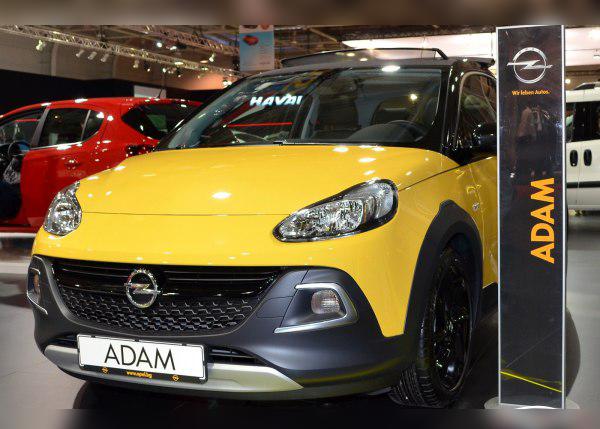
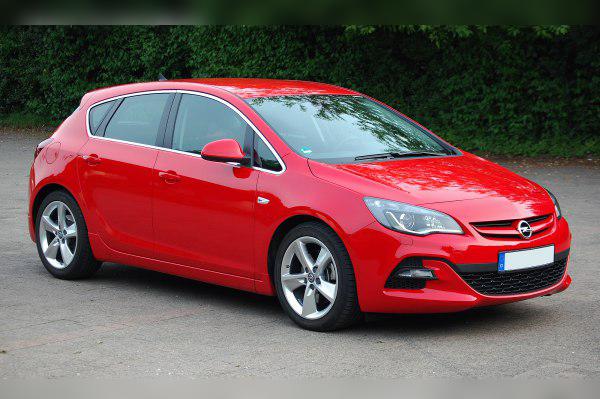
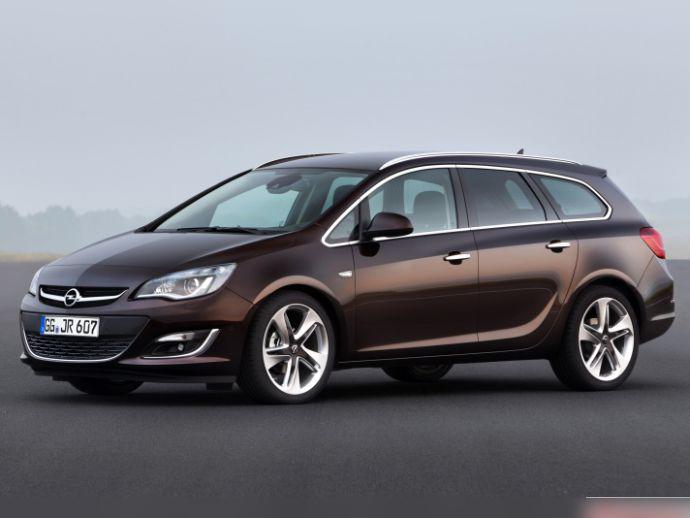
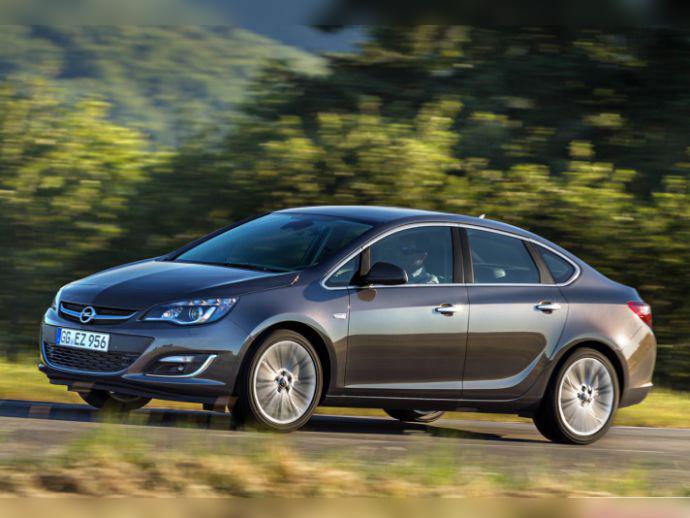
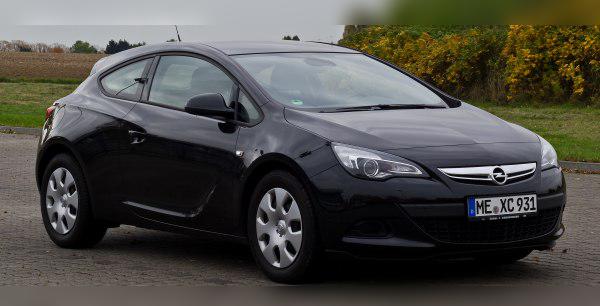
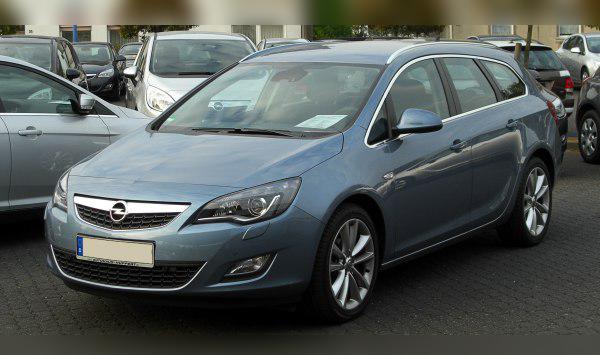
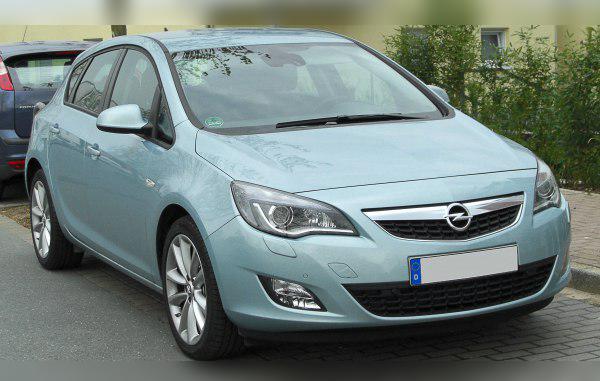
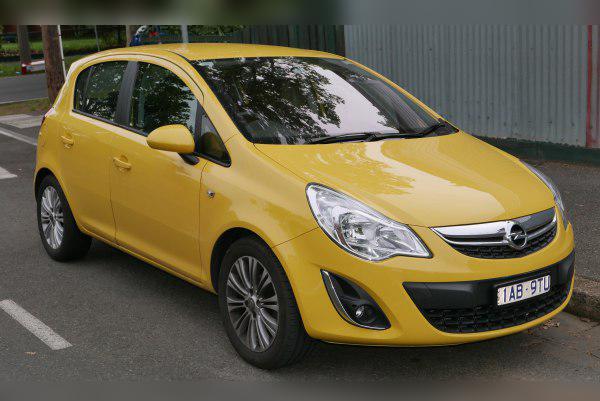
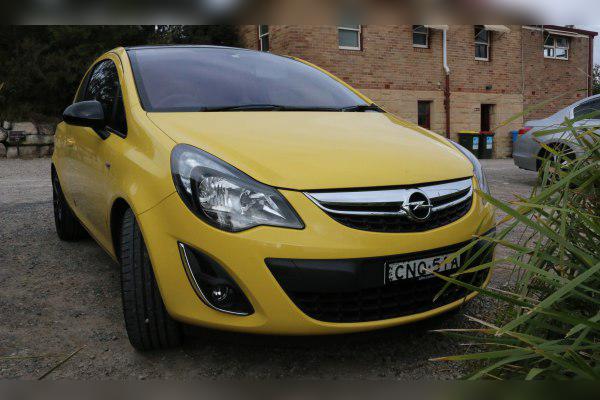
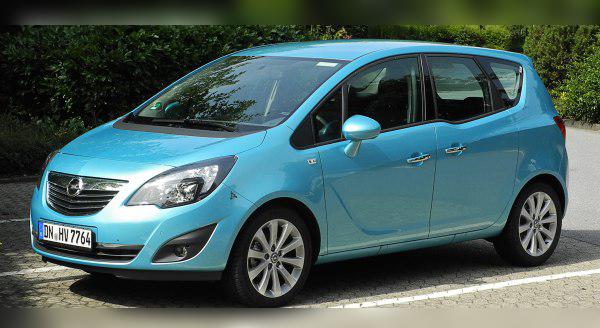
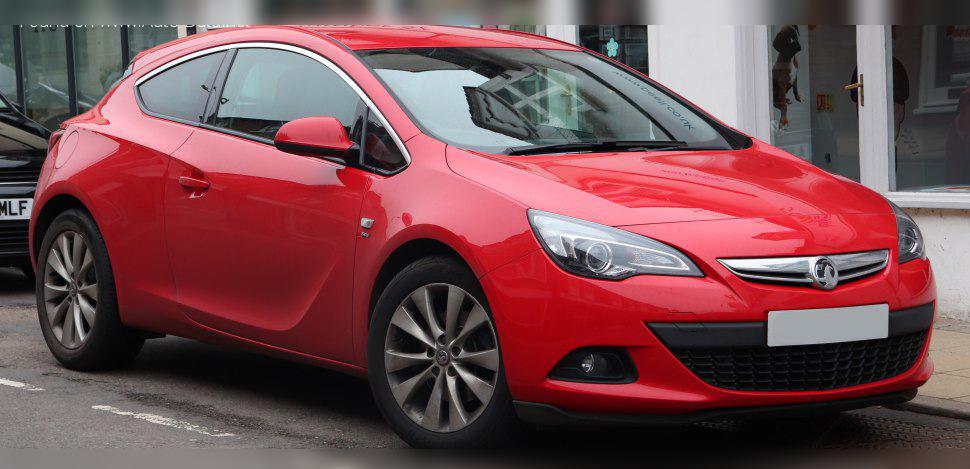
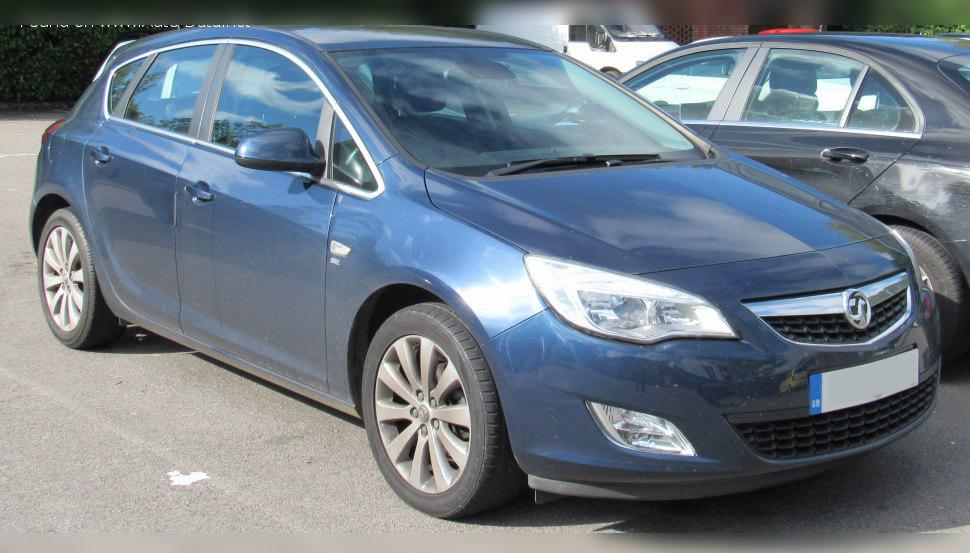
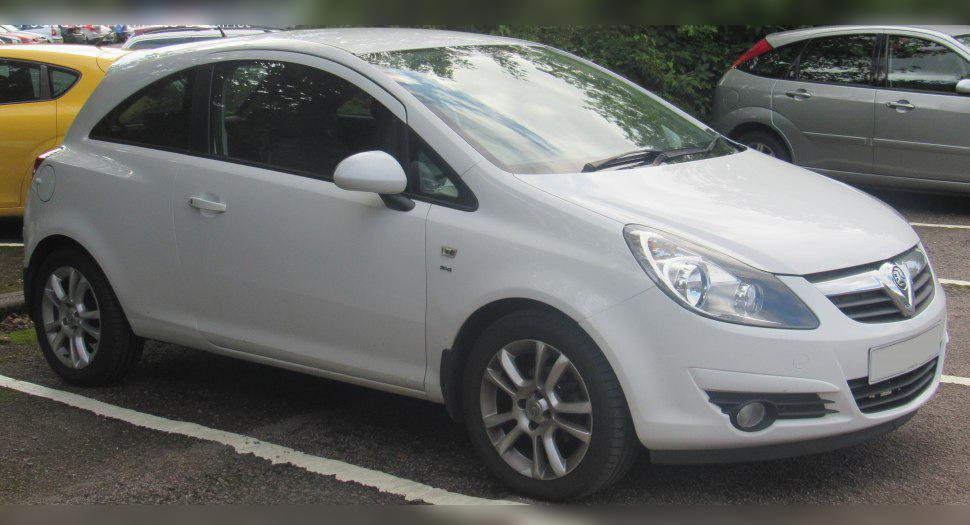
The engine with the code A14XER belongs to Opel’s and Vauxhall’s Ecotec engine family and represents an evolution of older, proven blocks. With a displacement of 1.4 litres and 100 horsepower, it was designed to be a reliable, simple workhorse for everyday use. In the era of downsizing and turbocharging, this engine is a breath of old-school air. It was installed in a wide range of vehicles, from city runabouts like Opel Adam and Corsa D, all the way to family options such as Astra J and Meriva B. That difference in body weight directly dictates what your behind-the-wheel experience with this engine will be.
Technical specifications
| Specification | Data |
|---|---|
| Displacement | 1398 cc |
| Power | 74 kW (100 HP) |
| Torque | 130 Nm at 4000 rpm |
| Engine codes | A14XER, LDD |
| Injection type | Indirect (MPI - Multi Point Injection) |
| Aspiration | Naturally aspirated |
| Timing system | Chain (VVT cam phasers on both camshafts) |
Reliability, maintenance and common failures
Does it have a timing belt or a chain? When is the major service due?
The A14XER uses a timing chain to drive the camshafts. There are no classic 60,000 or 80,000 km intervals for a major service like on belt-driven engines. In theory, the chain should last the “lifetime” of the engine, but in practice the major service (replacement of chain set, guides and tensioner) is done at around 150,000 km. A worn chain is indicated by a specific rattling or clattering noise in the first few seconds after a cold start. If you ignore this, you risk the chain jumping teeth and catastrophic engine damage.
Most common failures and symptoms
Although generally reliable, this engine has a few well-known “childhood diseases”:
- PCV valve (breather) membrane: It is integrated into the valve cover itself. When it tears, the engine draws unmetered air. Symptoms are rough idle, “Check Engine” light, increased oil consumption, and the most obvious sign is a loud whistling from the engine bay, as well as a strong vacuum that makes it hard to remove the oil filler cap while the engine is running. The solution is to replace the entire valve cover.
- Ignition module (coil pack): This engine uses a single coil pack (cassette) for all four spark plugs. Failure manifests as jerking while driving (misfire), loss of power and the engine running on three cylinders.
- VVT cam phasers: Located on the camshafts. If you hear a sound similar to a diesel engine when the petrol engine is at operating temperature, the phasers are worn out. This is most often caused by irregular oil changes.
- Oil and coolant leaks: It tends to leak oil from the crankshaft oil seal and the valve cover gasket. The water pump also tends to start leaking coolant over time.
Oil and spark plugs
The engine takes roughly 4.0 litres of oil with filter change. The recommended grade is 5W-30, and you should always look for Dexos 1 Gen 2 or Dexos 2 specification to protect the chain and cam phasers. As for oil consumption – yes, it does consume oil. The manufacturer tolerates relatively high consumption, but in real life it is considered normal to top up about 0.5 to 1 litre between services (every 10,000 km). If it uses more, the most likely culprits are valve stem seals or the aforementioned PCV valve in the cover.
Regarding the spark plugs, due to the sensitive coil pack, make sure to replace them at a maximum of 60,000 kilometres (or more often if the car runs on LPG).
Specific parts and costs
When it comes to repairs, owners can relax because the A14XER does not have a dual-mass flywheel. It uses a simple, solid flywheel, so clutch kit replacement costs are quite low and very affordable (depends on market).
This is an engine with indirect (MPI) injection, which means the injectors operate at low pressure. They do not fail often and are not as sensitive to poor fuel quality as injectors on direct injection engines (GDI/SIDI). And if they do get clogged, cleaning them in an ultrasonic bath solves the problem quickly and cheaply.
The engine does not have a turbocharger, has no DPF filter, and no AdBlue system because it is an old-school petrol unit. As for the EGR valve, Opel solved that on this engine in a different way – by overlapping camshaft phases via the VVT system (so-called internal EGR effect), so you do not have a classic external EGR valve that constantly clogs with soot and needs cleaning like on diesels.
Fuel consumption and performance
Naturally aspirated 1.4-litre petrol engines need to be revved to make power. The maximum torque of 130 Nm is available only at 4000 rpm. What does this mean in practice?
- City driving: Real-world city consumption is between 8.0 and 9.5 l/100 km, depending on how heavy your right foot is and how bad the traffic is.
- Weight and agility: In the Corsa D and Adam, this engine feels lively and is perfect for urban conditions. However, if you buy it in an Astra J (which weighs almost 1.4 tonnes) or a Meriva, the engine is noticeably sluggish. Overtaking on country roads requires dropping one or even two gears and planning ahead.
- Motorway: At 130 km/h, due to short gear ratios, the engine spins at a fairly high 3500 - 4000 rpm. This results in more noise in the cabin, while fuel consumption goes above 7.5 l/100 km. The lack of a sixth gear is very noticeable on most manual versions.
Extras, LPG and chip tuning
If you cover a lot of kilometres, the good news is that this engine is one of the best candidates for LPG conversion. Thanks to its simple MPI injection, installing a sequential LPG system is straightforward and not expensive (depends on market). The engine handles LPG very well, but pay attention to the spark plugs (replace them every 30,000 - 40,000 km on gas) and regularly check mixture quality so you do not burn the valves.
As for performance and chip tuning (Stage 1) – do not waste your money. Since this is a naturally aspirated engine without a turbo, remapping the ECU will give you at most 5 to 8 HP, which you will not really feel in everyday driving. It can maybe slightly smooth out throttle response, but you will never turn it into a race car.
Gearboxes and drivetrain
This engine usually comes paired with a 5-speed manual gearbox, the well-known Opel F17 gearbox. Unfortunately, it is the weakest point of the whole drivetrain.
Manual gearbox issues (F17)
This gearbox has a factory flaw with the gear cluster bearings. The fault usually manifests as whining and howling while driving in first, second or fifth gear, and the gear lever moving back and forth when you press the accelerator. To maximise the lifespan of this gearbox, mechanics strongly recommend changing the gearbox oil every 60,000 km, even though Opel officially claims the oil is “lifetime”.
Automatic gearboxes
In models such as the Corsa D you often find a classic old-school 4-speed automatic (Aisin) which is very reliable, but significantly increases fuel consumption and kills performance. There are also Easytronic versions (robotised manual gearboxes) – their main issues are harsh shifting (jerking when changing gears) and failure of the clutch actuator. With Easytronic gearboxes, regular calibration via diagnostics and replacement of the fluid in the hydraulic release bearing are mandatory.
Clutch kit
Fortunately, none of the variants with this engine use a dual-mass flywheel. Replacing the complete clutch kit (pressure plate, disc, release bearing) is not a major expense compared to modern diesels (depends on market).
Buying used and conclusion
What to check before buying?
- First start (cold start): The engine must be completely cold. Listen carefully for chain rattle in the first two or three seconds after starting.
- Oil cap while the engine is running: Try to gently lift the oil filler cap at idle. If there is a lot of resistance and you hear whistling/hissing, prepare money for a new valve cover (PCV valve).
- Listening while running: A sound similar to a clattering diesel, especially when the engine is warm, indicates worn VVT cam phasers.
- Gearbox test: During the test drive, make sure to drive in all gears. Turn off the radio and listen for any whining noises from the gearbox, which indicate worn bearings in the F17.
Conclusion: Who is this engine for?
Opel’s A14XER engine was not made for fast driving or frequent motorway overtakes with a full boot. It was built for low running costs and city and suburban driving.
If you are buying a Corsa or Adam, you will get perfectly adequate performance. If you choose it in an Astra J or Meriva, be prepared to compromise with very poor acceleration, but in return you will get a car that your mechanic will never keep for days because of a failed turbo, DPF or injectors. With a quality LPG system and regular oil changes to protect the chain, this is an extremely rational choice for used car buyers with a limited maintenance budget.