Opel 1.6 SIDI Turbo (A16XHT) engine – Experiences, issues, fuel consumption and used car buying guide
- Performance and weight: 170 hp sounds great, but the cars it’s fitted to (especially the Astra J and Zafira Tourer) are very heavy, so performance is good, but not exactly sporty.
- Timing drive: The engine uses a timing chain, which is generally reliable, but requires regular inspection and high‑quality lubrication.
- Achilles’ heel (LSPI): This engine is extremely sensitive to the phenomenon of low‑speed pre‑ignition (LSPI). The use of a specific oil is strictly required to avoid piston failure.
- Injection system: Direct injection (SIDI) means better performance, but brings the issue of carbon build‑up on the intake valves. It is not recommended for LPG (autogas) conversion.
- Gearboxes: The manual M32 gearbox is known for bearing issues, while the automatic is reliable provided the oil is changed on time.
Contents
- Introduction: About the A16XHT engine
- Technical specifications
- Reliability and maintenance
- Specific parts and costs
- Fuel consumption and performance
- Additional options and modifications
- Gearbox and drivetrain
- Buying used and conclusion
Introduction: About the A16XHT engine
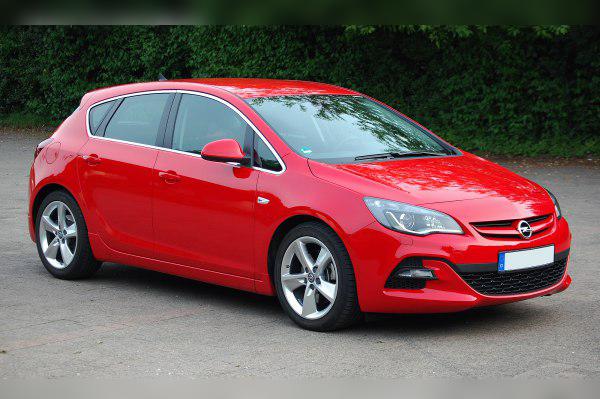
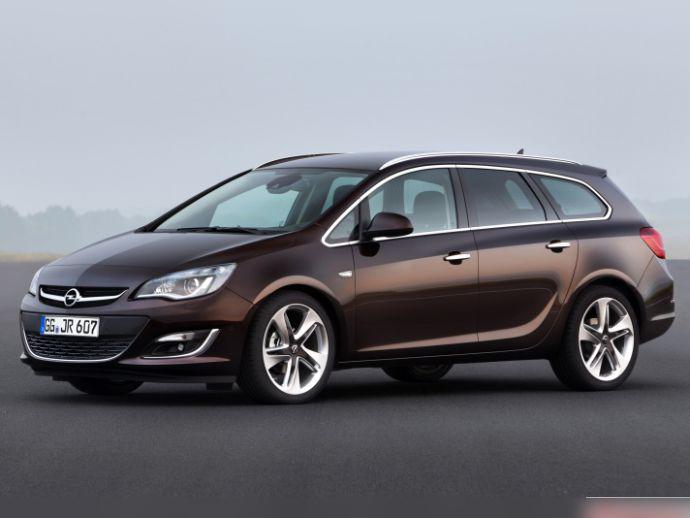
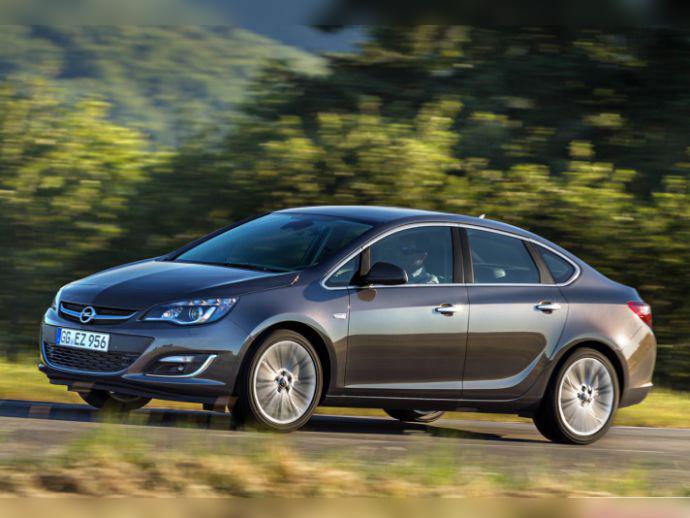
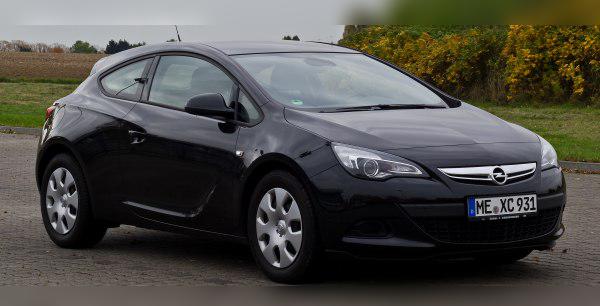
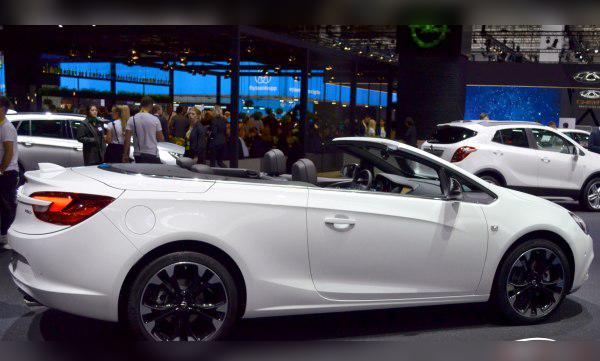
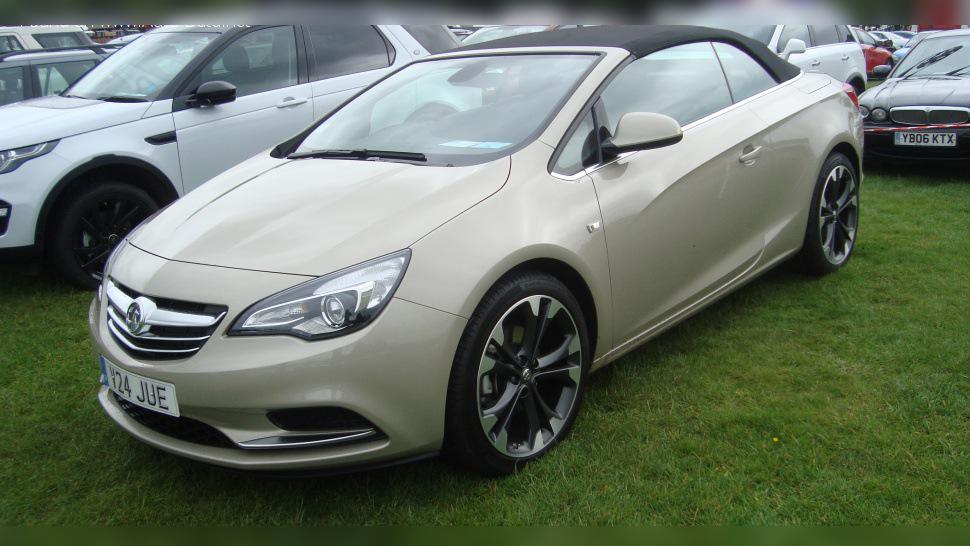
When Opel introduced its SIDI (Spark Ignition Direct Injection) generation of engines, the goal was clear: to replace the older, rather thirsty 1.6 turbo units with something more refined, flexible and efficient. The engine designated A16XHT delivers 125 kW (170 hp) and was mostly installed in models from the so‑called “heavy” GM era. You’ll find it in the Astra J (hatchback, estate, sedan and GTC), the elegant Cascada, as well as the family‑oriented Zafira Tourer C. This is a modern, quiet and surprisingly refined engine, but it comes with a specific set of rules every owner must strictly follow in order to avoid catastrophic engine failure.
Technical specifications
| Parameter | Data |
|---|---|
| Displacement | 1598 cc |
| Power | 125 kW (170 hp) |
| Torque | 260 Nm (at 1650 - 4250 rpm) |
| Engine codes | A16XHT (later Euro 6 versions may be coded B16XHT) |
| Injection type | Direct injection (SIDI) |
| Charging | Turbocharger with intercooler |
| Camshaft drive | Chain |
Reliability and maintenance
Timing drive and servicing
The A16XHT uses a timing chain to drive the camshafts. Because of this, there is no classic “major service” in the sense of a strict timing belt replacement interval at a certain mileage. However, the chain is not eternal. In practice, its service life heavily depends on driving style and oil change intervals. It often requires inspection and quite often replacement of the complete set (chain, guides, tensioners) at around 150,000 to 200,000 km. Replacing the chain set falls into the category: expensive (depends on the market). The auxiliary belt set (water pump, rollers, tensioner) should be replaced at around 100,000 km as a preventive measure.
LSPI issue and engine oil
This is the most important point with this engine. SIDI engines are prone to LSPI (Low Speed Pre‑Ignition) – pre‑ignition of the mixture at low revs and high load. This creates enormous pressure in the cylinder and directly leads to broken rings, piston damage, and even complete destruction of the engine block. To prevent this, the use of oil with Dexos 1 Gen 2 (or newer Gen 3) specification is mandatory, viscosity grade 5W‑30. The engine takes about 5.5 litres of oil. Never use the older Dexos 2 oil that was previously used in Opels!
As for oil consumption, this engine does tend to use some oil. The factory tolerance is unrealistically high, but in reality, consumption of 0.5 to 1 litre per 10,000 km is considered completely normal. Change oil and filters strictly every 10,000 to a maximum of 15,000 km. Waiting for a 30,000 km interval is a death sentence for the crankshaft and turbocharger.
Spark plugs and ignition coils
As a modern turbo petrol engine with direct injection, this unit wears out spark plugs very quickly. Replacement is recommended every 40,000 to 60,000 km. Ignoring this interval leads to a weaker spark, which promotes hesitation under load and further increases the risk of the aforementioned LSPI phenomenon. Along with the plugs, the coils are also consumable items at these mileages.
Specific parts and costs
Injection and intake
The system operates on the principle of direct injection into the cylinder at very high pressure. Injectors are sensitive to poor‑quality fuel, and replacing them is expensive. A much bigger issue, typical of all SIDI engines, is carbon build‑up on the intake valves. Since the fuel does not wash the valves (it is injected directly into the cylinder, not into the intake manifold), oil vapours from the PCV valve accumulate and bake onto the valves. Symptoms include rough idle, loss of power and increased fuel consumption. At around 80,000 - 100,000 km it is often necessary to perform intake de‑carbonisation (the so‑called “walnut blasting”).
Turbocharger and emissions
The turbo is integrated with the exhaust manifold, which means quick warm‑up and excellent throttle response. Its service life is usually over 200,000 km, provided the oil is changed regularly and the engine is left to idle for about 30 seconds after fast motorway driving so the turbo can cool down and prevent oil coking in the bearings.
Because it’s a petrol engine, it does not have an AdBlue system nor the typical problematic diesel DPF filter (models up to Euro 6 standard do not even have a gasoline particulate filter – GPF). There is also no complex external EGR valve that constantly needs cleaning; instead, exhaust gas recirculation is handled via variable valve timing (VVT).
Fuel consumption and performance
The figure of 170 hp promises a sporty feel, but this is where vehicle weight comes into play. The Opel Astra J and Cascada weigh between 1.5 and 1.7 tonnes. Because of this, the engine is not as aggressive as you might expect; the focus is on cruising and smooth acceleration. The engine is definitely not “sluggish”, but the driving feel is more touring‑oriented than sporty.
The main downside of this weight is fuel consumption. In city driving, especially in stop‑and‑go traffic, real‑world consumption rarely drops below 9.5 to 11 l/100 km. On the other hand, on the motorway the situation is much better. The engine feels “at home”. At 130 km/h in sixth gear, revs sit at a pleasant ~2600 rpm, the cabin is quiet, and consumption is around a reasonable 6.5 to 7.5 l/100 km.
Additional options and modifications
Should you install LPG?
The short and clear answer: No. Direct injection means the petrol injectors are inside the combustion chamber. To prevent them from melting, petrol must constantly flow through them. Conventional LPG systems do not work properly here. There are systems that periodically inject petrol together with LPG (which defeats the purpose of saving money), or extremely expensive LPI systems that inject liquid gas through the factory petrol injectors. The cost of such an installation falls into the very expensive category (depends on the market) and in most cases never pays off economically.
Remapping (Stage 1)
This engine has solid potential for software tuning (Stage 1). Power can safely be raised to around 200 - 205 hp, with torque of around 300 to 320 Nm. The engine can mechanically handle this, but the extra power puts additional stress on the gearbox (especially the M32) and increases the risk of LSPI if you use poor‑quality fuel (after remapping you must use high‑octane petrol, 98 or 100 RON).
Gearbox and drivetrain
Manual and automatic gearboxes
If you choose a model with a manual gearbox, you get the six‑speed unit with the notorious code M32. Although after 2012 (when the A16XHT was produced) these gearboxes received revised housings and bearings, the issue of sixth‑gear bearing wear still exists. The most common fault is whining in 5th and 6th gear and movement of the gear lever when applying and releasing the throttle. To prevent this, changing the gearbox oil every 60,000 km is mandatory (around 2.2 to 2.4 litres of suitable high‑quality oil).
The automatic gearbox is the 6T45 type – a conventional hydraulic automatic with a torque converter. It is significantly more reliable than the M32, offers smooth shifts and is quite durable. Failures occur only if the gearbox overheats and if the oil is not changed. Servicing the automatic (oil change) is also recommended every 60,000 km.
Dual‑mass flywheel and clutch
Modern turbo petrol engines are no less complex than diesels. The version with a manual gearbox has a dual‑mass flywheel (DMF). It takes a serious beating due to the high torque (260 Nm) and the heavy body of the car. Replacing the complete set (clutch, release bearing and dual‑mass flywheel) falls into the expensive to very expensive category (depends on the market).
Buying used and conclusion
What to check before buying?
When buying a used car with the A16XHT engine, pay attention to the following:
- Noise on cold start: Make sure the seller does not start the car before you arrive. During the first few seconds after starting, listen for metallic noise from the timing area. If you hear rattling, the chain needs to be replaced.
- Service history (type of oil): Check the service book to see which oil was used. If you see Dexos 2, walk away from that car. Look only for proof that 5W‑30 Dexos 1 Gen 2/3 oil was used.
- Test drive – gearbox: With the manual, put it in 6th gear at around 80 km/h, accelerate and then lift off. If the gear lever “moves” back and forth or you hear bearing whine, an M32 gearbox overhaul is on the horizon.
- Idle quality: Rough idle on a warm engine may indicate dirty injectors, worn spark plugs/coils or heavy carbon build‑up on the intake valves.
Who is this engine for?
Opel’s 1.6 SIDI Turbo (A16XHT) is an excellent engine for drivers who mainly travel on open roads, want refined operation, good sound insulation and enough power in reserve for safe overtaking. It is not for those who want to save on every litre of fuel (the heavy body takes its toll in city driving), and definitely not for drivers who skip or delay minor services. Maintained with high‑quality, correct‑spec oil every 10,000 km, it will provide many comfortable kilometres without serious headaches.