Opel C16NZ (1.6 8V) engine: Experiences, issues, fuel consumption and used car buying tips
Key points in short (TL;DR)
- Exceptional durability: One of Opel’s most reliable and simplest old-school engines.
- Cheap maintenance: Parts are very affordable and the mechanics are easy to work on.
- No expensive components: No dual-mass flywheel, no turbocharger, no complicated injectors.
- Ideal for LPG: Single-point injection makes it a perfect candidate for LPG conversion.
- Performance: Don’t expect miracles; it’s a dependable workhorse, but 75 hp is quite “lazy” in heavier bodies like the Vectra A.
- Typical weaknesses: Oil leaks from the valve cover gasket, ignition distributor issues and unstable idle (EGR/idle stepper motor).
Contents
- Introduction: Old-school Opel mechanics
- Technical specifications
- Reliability, maintenance and common failures
- Specific components and fuel injection
- Real-world fuel consumption and performance
- LPG and remapping
- Gearbox and drivetrain
- Buying used and final verdict
Introduction: Old-school Opel mechanics
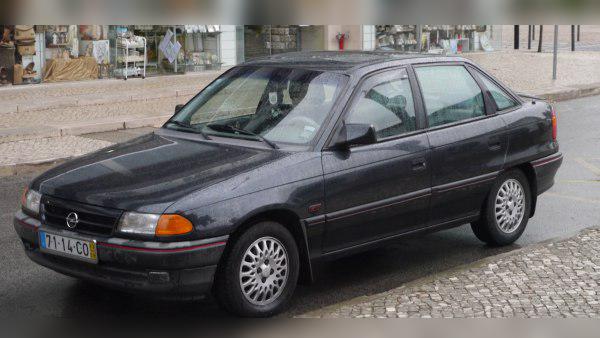
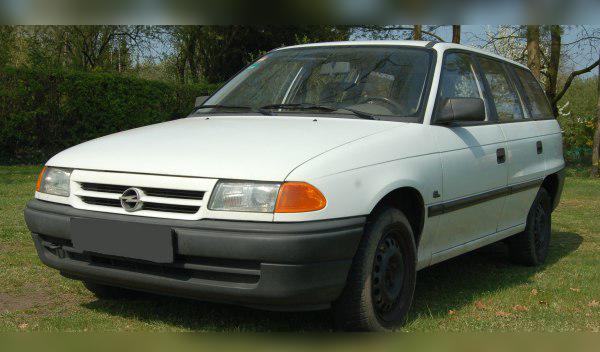
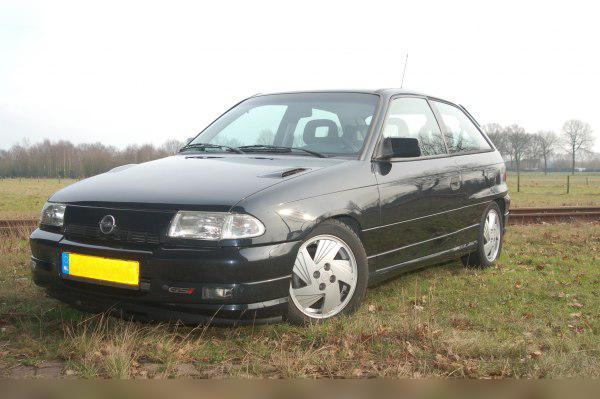
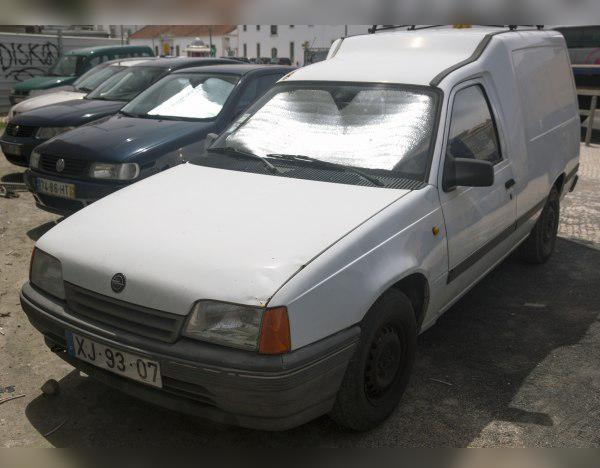
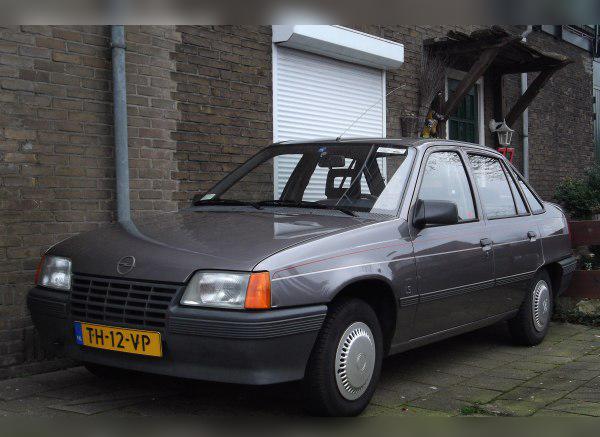
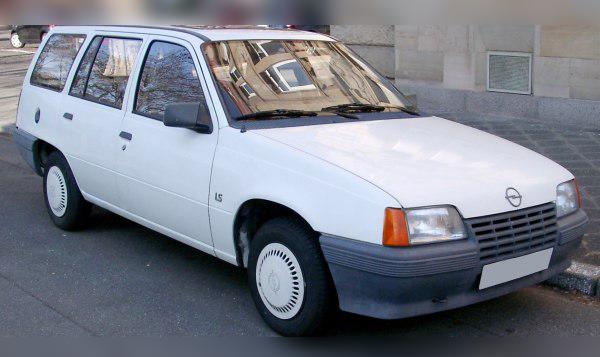
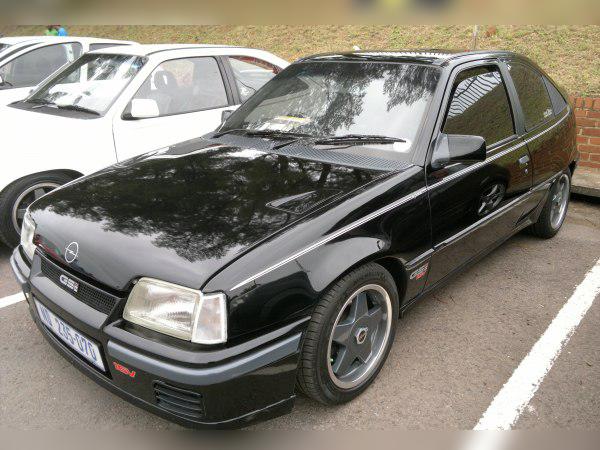
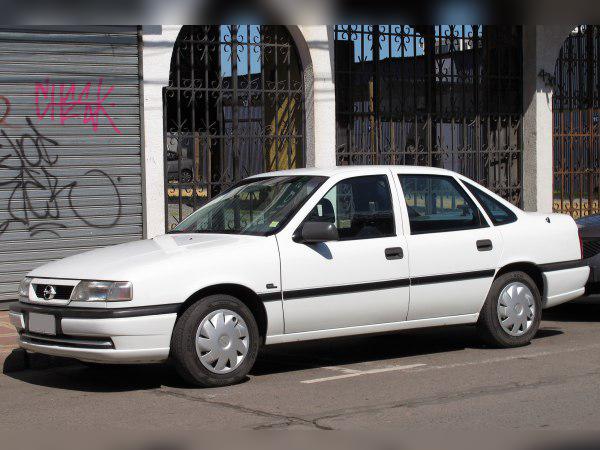
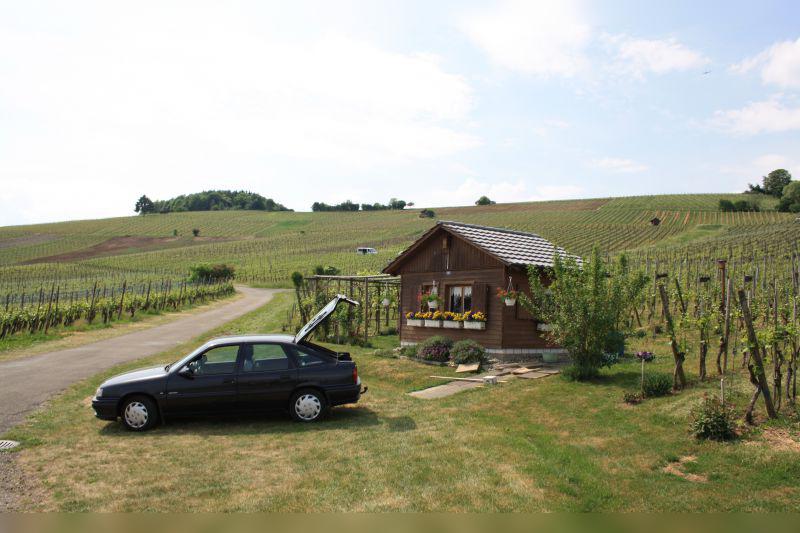
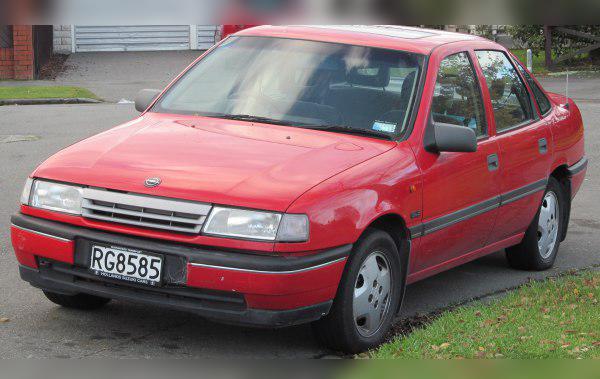
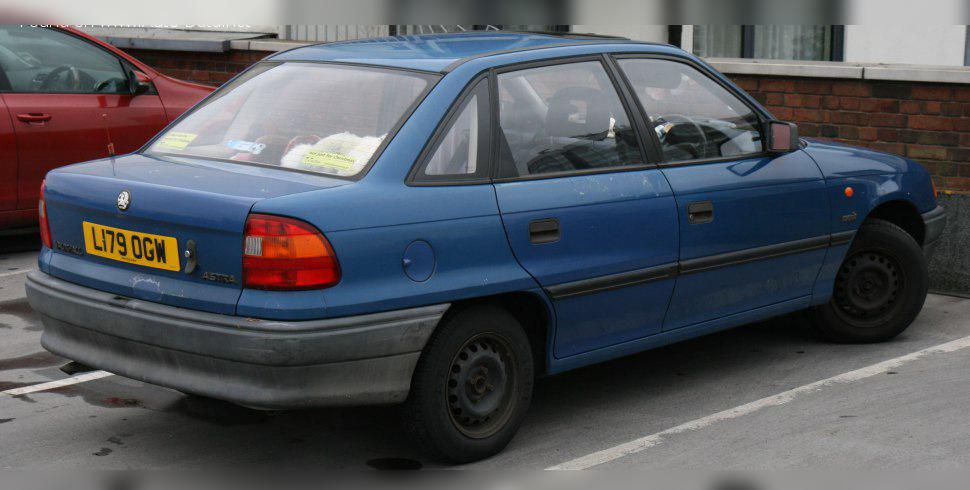
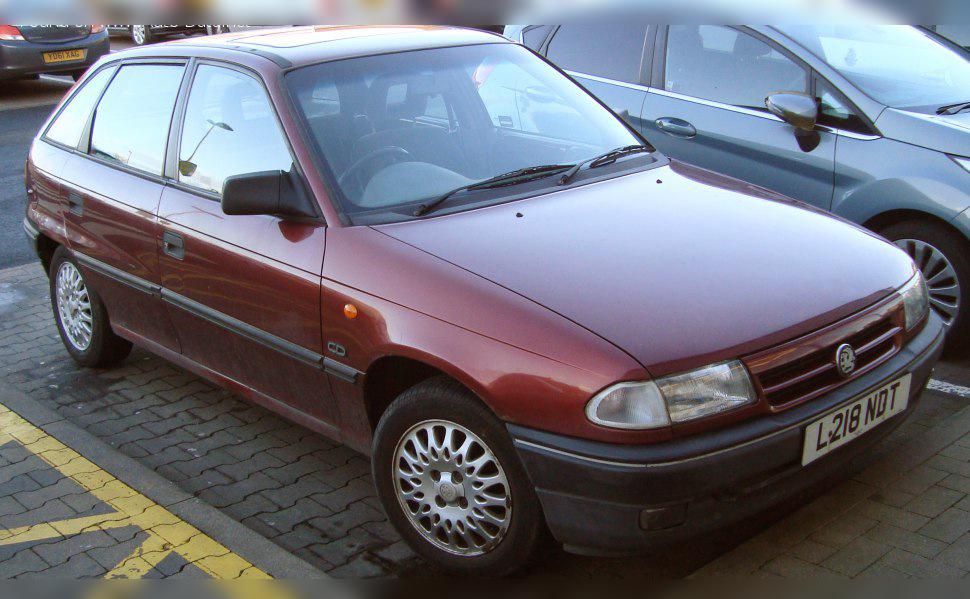
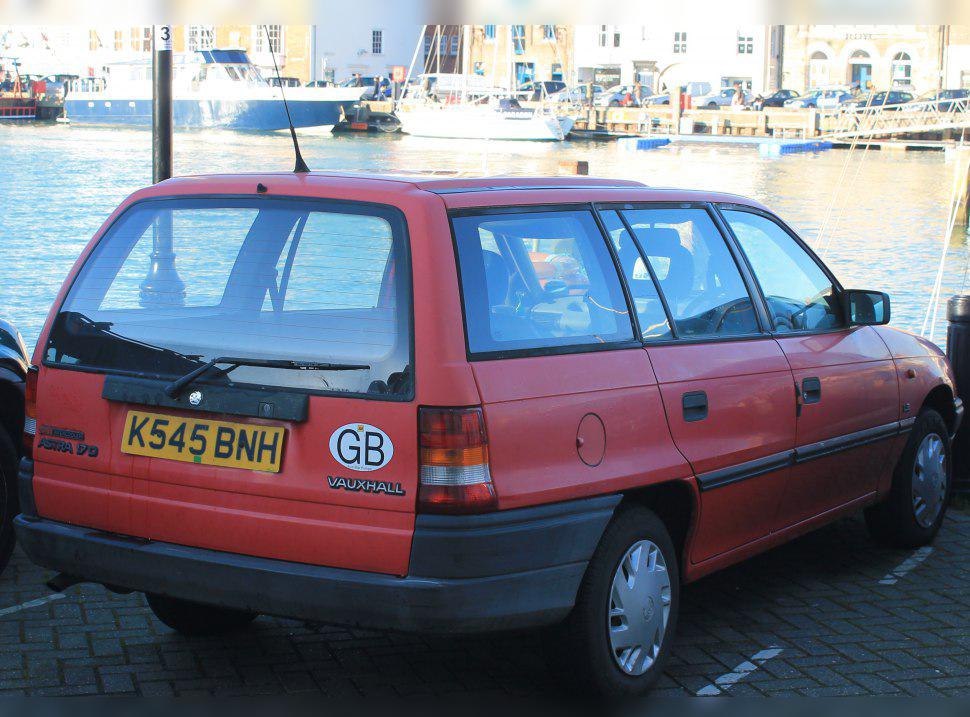
If you’ve ever driven the legendary “Suza” (Kadett E) or the first-generation Astra (Astra F), there’s a good chance you had the C16NZ engine under the bonnet. This 1.6‑liter, 8‑valve, 75‑horsepower unit represents the very essence of Opel’s old philosophy: simple mechanics that can withstand a lot of abuse. It was fitted from the late eighties up until the late nineties in models such as the Corsa A, Kadett E, Astra F and Vectra A. Although its performance is modest by today’s standards, its indestructibility still keeps it on roads all over Europe.
Technical specifications
| Engine code | C16NZ |
| Engine displacement | 1598 cc |
| Power output | 55 kW (75 hp) |
| Torque | 125 Nm |
| Injection system | Multec SPI (Single-point injection – one injector) |
| Aspiration | Naturally aspirated |
| Fuel type | Petrol |
Reliability, maintenance and common failures
This unit is driven by a timing belt. Thanks to the very simple 8‑valve head design, even in the event of a belt snap (which is rare if intervals are respected), most variants of this engine are non‑interference, meaning pistons and valves do not collide. Still, it’s recommended to do a major service every 60,000 km, replacing the timing belt, tensioners and water pump. The cost of a major service is very reasonable (depends on the market).
The lubrication system holds about 3.5 liters of oil, and the recommended grade is 10W‑40 semi‑synthetic. Over time, due to age and mileage, these engines tend to consume some oil. The most common cause is old, hardened valve stem seals, which manifests as bluish smoke from the exhaust on the first cold start of the day. Consumption of around 0.3 to 0.5 liters per 1,000 km is often considered “normal” and acceptable for an engine this old. Also, oil leaks from the valve cover gasket are a standard issue, but replacement is extremely cheap and simple.
Regular servicing also includes replacing the spark plugs, which on this petrol engine should be changed every 30,000 to 40,000 km. Faulty plugs or worn high‑tension leads directly cause jerking under acceleration and increased fuel consumption.
Most common roadside issues
The C16NZ rarely leaves you stranded, but when it does, the main suspect is the ignition module (ignition amplifier) located inside the distributor. When it overheats or fails, the engine simply cuts out while driving and cannot be restarted until it cools down or the module is replaced. Another frequent problem is the idle stepper motor. Due to dirt in the intake, idle speed starts to fluctuate, revs go up and down, or the car stalls at traffic lights. Cleaning the throttle body and the stepper motor solves the problem in about 90% of cases.
Specific components and fuel injection
When it comes to the mechanical side of this engine, you can relax. The C16NZ does not have a dual‑mass flywheel; it uses a classic solid flywheel and a clutch kit priced among the cheapest on the market. It’s not expensive (depends on the market).
The injection system is Multec SPI (Single‑Point Injection). This means the engine doesn’t have one injector per cylinder, but instead uses just one central injector positioned above the throttle body, similar to an electronic carburetor. This injector is almost indestructible and very rarely causes trouble. The engine has no turbocharger, no DPF filter and no AdBlue system. It’s a pure, old‑fashioned naturally aspirated petrol engine.
However, even though it’s an old‑school petrol, it does have an EGR valve. Its job is to route part of the exhaust gases back into the intake manifold for emissions purposes. Due to soot and oil vapour deposits, the EGR valve often sticks, causing jerking while driving and loss of power. Many owners resort to simply “blanking off” this valve with a metal plate, after which the engine often runs more smoothly.
Real-world fuel consumption and performance
With 75 horsepower and 125 Nm of torque, performance depends entirely on which car the engine is installed in. In light bodies such as the Opel Corsa A or Kadett E, the C16NZ is surprisingly lively in city driving because maximum torque is available at around 2,800 rpm. On the other hand, in the Opel Vectra A (especially estate versions), this engine is quite “lazy” and underpowered. When overtaking you must judge distance carefully and use higher revs.
Realistic fuel consumption in stop‑and‑go city traffic rarely drops below 9–10 l/100 km, which isn’t exactly low for this power level. On the motorway, at 130 km/h, the gearbox keeps the engine at relatively high revs (close to 3,500–4,000 rpm, depending on the final drive). Because of this, consumption rises to around 8 l/100 km, and cabin noise becomes quite tiring. This engine is ideal for country roads and speeds of 80–100 km/h, where it is most economical.
Extras: LPG and remapping
This is probably one of the best engines for LPG conversion in the history of the automotive industry. Thanks to single‑point injection, it’s perfectly suited for basic (venturi) LPG systems, which are very cheap to install and maintain. The engine handles LPG brilliantly, valves don’t wear out easily, and running costs become extremely low. It’s not expensive (depends on the market).
As for “chipping” (Stage 1 remap), the short answer is: Don’t waste your time or money. This is an old‑generation naturally aspirated engine. Software tweaks won’t give you more than 3–5 hp, which you won’t feel in real life. Any talk of a serious power increase on this engine without major hardware mods (camshaft, intake, exhaust) is pure fantasy.
Gearbox: Manual and automatic
The C16NZ was most commonly paired with 5‑speed manual gearboxes (the well‑known F13 or F15), while classic 4‑speed automatic gearboxes from Japanese manufacturer Aisin were rarer and mostly found in the Vectra and Astra Mk III.
Manual gearboxes are mechanically robust and rarely whine or pop out of gear. Their biggest weakness lies in the gear‑selection mechanism, specifically the linkage and selector pin/bushes. Over time, excessive play develops, the gear lever becomes vague, it feels like you’re stirring soup, and engaging first or second can require “searching” for the gear. The cure is fitting a new set of bushes and a selector pin. The oil in the manual gearbox should be changed every 60,000–80,000 km to preserve the synchros.
As already mentioned, there is no dual‑mass flywheel. The clutch kit (pressure plate, disc, release bearing) lasts a very long time, and parts and labour are among the cheapest on the market. Very affordable (depends on the market).
Automatic gearboxes are classic torque‑converter units. They are extremely slow, further strangle the already modest performance and increase fuel consumption by about 1–1.5 l/100 km. If you come across an automatic, the most important things to check are the colour of the oil (it must not be black or smell burnt) and whether it jolts when shifting from P to D or R. The automatic gearbox service and oil change must be done every 60,000 km.
Buying used and conclusion
When you’re buying a car with a C16NZ engine today, you’re well aware you’re buying a vehicle that’s over 25–30 years old. The engine itself is rarely a cause for concern, but here’s what you absolutely must check:
- Cold start: Ask the seller not to start the car before you arrive. When starting, watch the exhaust. If it blows out a cloud of blue smoke that then disappears, the valve stem seals are worn.
- Idle quality: Once the engine is warm, idle speed must be stable. If the engine revs up and down on its own, the problem is the idle stepper motor, vacuum hoses or the EGR valve.
- Oil around the engine: Look around the distributor area and below the valve cover – these engines tend to sweat and leak oil there, although fixing it is not expensive.
- Cooling system: Check whether the hoses are “rock hard” under pressure and what the coolant looks like. These engines can blow a head gasket if they’ve been overheated in the past.
Final verdict: Who is this engine for? The Opel C16NZ is ideal for drivers on a tight budget who need cheap transport from point A to point B. This engine forgives irregular maintenance, happily runs on the cheapest LPG, and any village mechanic can fix it. However, keep in mind that your biggest concern when buying these models (Kadett, Astra F, Vectra A) is bodywork and rust, not the mechanicals. If you find a car with a solid suspension, floor and arches, the C16NZ engine itself will serve you faithfully with minimal investment.