Opel C16SE (1.6 Si / 100 hp) – Experiences, problems, fuel consumption and buying used
Key points (TL;DR)
- Exceptional reliability: Old-school Opel 8-valve engine, durable and easy to maintain.
- Low running costs: No dual-mass flywheel, no turbocharger, and suspension/mechanical parts are cheap.
- Prone to oil leaks: Valve cover gasket and oil pan gasket often seep, which is a standard weak point.
- Excellent for LPG: The engine handles sequential LPG systems brilliantly.
- Performance: With 100 hp in a light body (Astra F, Nova), it offers surprisingly lively performance for city driving.
- Annoying little issues: Idle air control valve and EGR valve can cause problems due to dirt buildup.
Contents
- Introduction: About the C16SE engine
- Technical specifications
- Reliability and maintenance
- Specific parts and costs
- Fuel consumption and performance
- Additional options and modifications
- Gearbox and clutch
- Buying used and conclusion
Introduction: About the C16SE engine
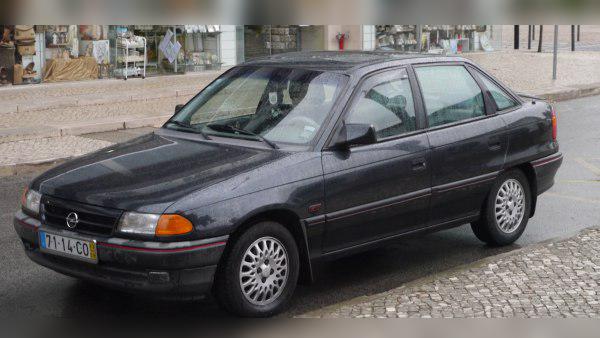
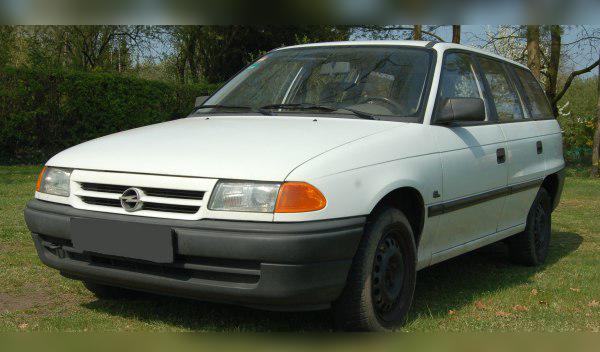
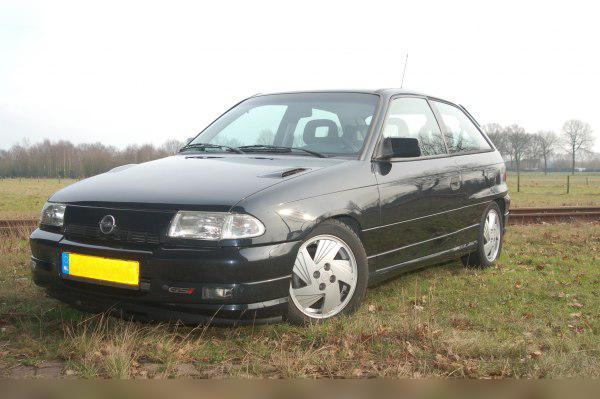
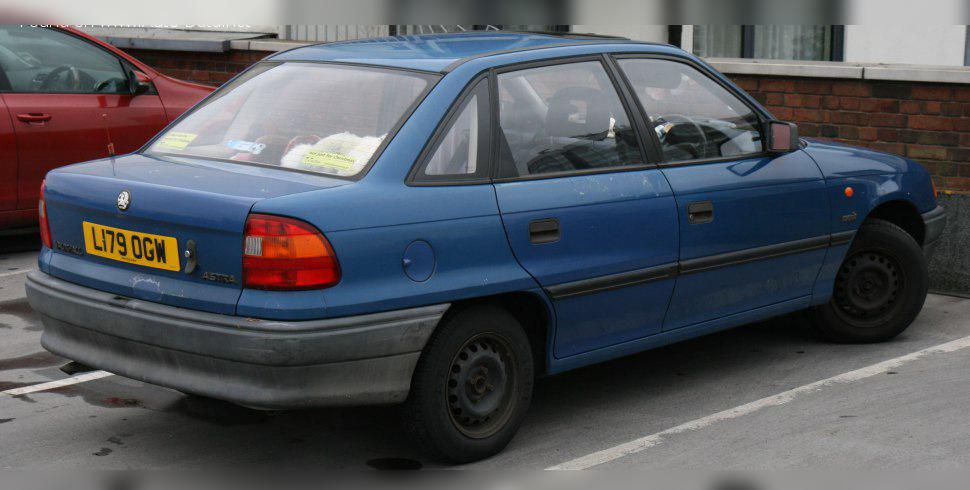
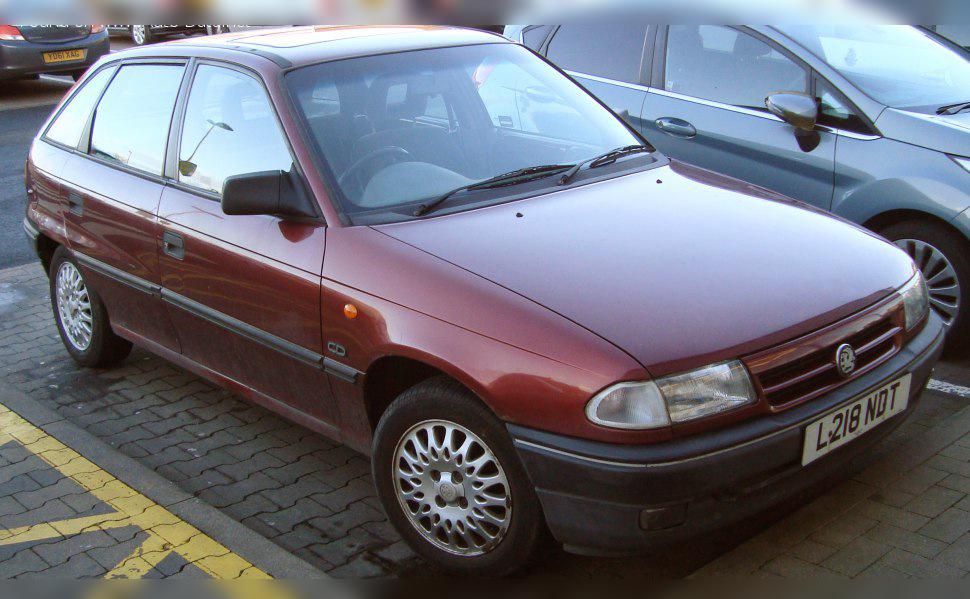
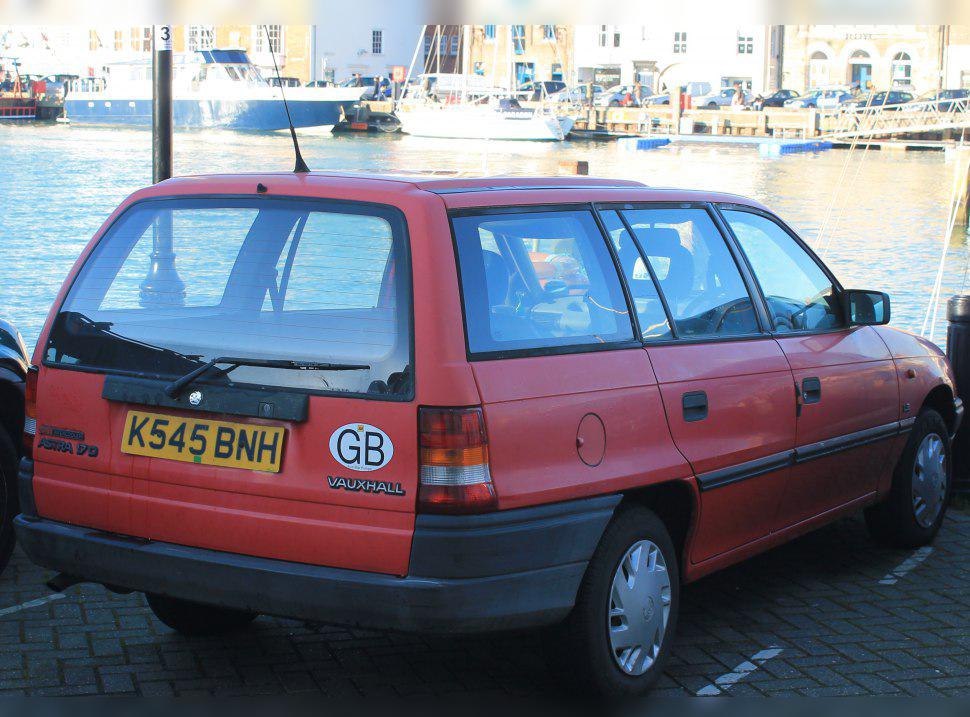
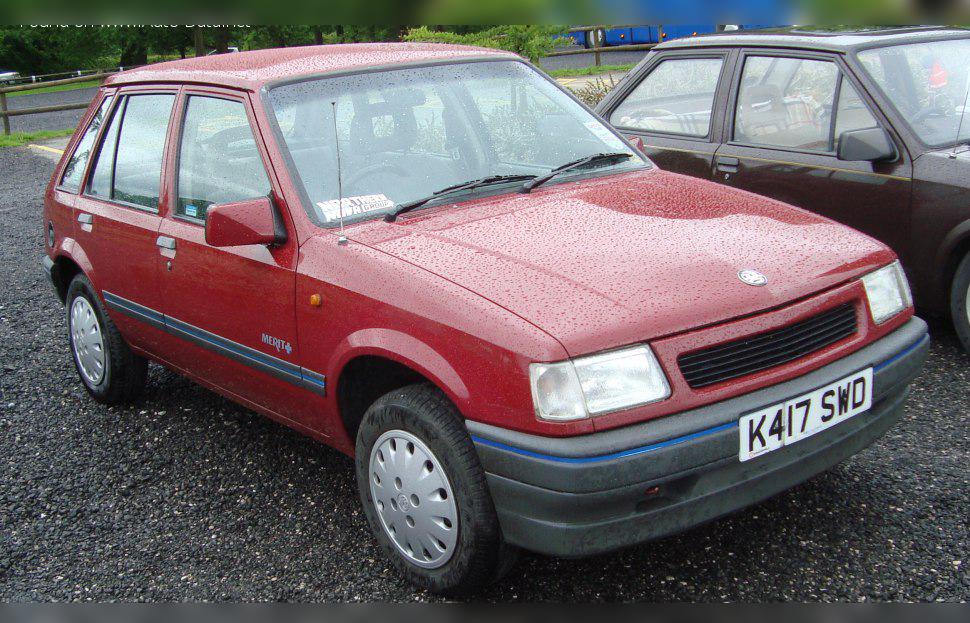
The engine designated as C16SE is one of Opel’s most respected petrol units from the 1990s. It was developed as a more powerful Multi-Point Injection (MPI) version of the famous 1.6‑liter 8‑valve block. It became best known in models such as the Opel Astra F (hatchback, wagon, sedan) and the smaller, sportier Vauxhall Nova (Opel Corsa A) in its GSi variant.
This unit is a perfect compromise between weaker single‑point injection versions (like the C16NZ) and more complex, more expensive 16‑valve engines (EcoTec series). It offered buyers a solid 100 horsepower, decent torque and mechanicals that any half‑decent backyard mechanic could repair.
Technical specifications
| Engine displacement | 1598 cc |
|---|---|
| Power | 74 kW (100 hp) |
| Torque | 136 Nm |
| Engine code | C16SE |
| Injection type | Multi-Point Injection (MPI) |
| Aspiration | Naturally aspirated |
Reliability and maintenance
When it comes to the timing system, the C16SE uses a timing belt, not a chain. Since the design is simple, a major service is not expensive (depends on the market). The timing belt, tensioners and water pump should be replaced every 60,000 km or 5 years, whichever comes first. On older 1.6 OHC engines, a snapped belt often didn’t cause piston‑to‑valve contact, but due to the higher compression ratio on the C16SE, the risk of serious damage is there, so regular servicing must not be skipped.
The lubrication system takes about 3.5 liters of engine oil. Semi‑synthetic oil with a viscosity of 10W‑40 is most commonly recommended. Oil consumption is normal for this engine, especially at this age. Tolerance is around 0.5 to 1 liter per 10,000 km. If the engine consumes significantly more (or blows blue smoke), the most common causes are worn, hardened valve stem seals or worn oil control rings. Oil leaks from the valve cover gasket and oil pan are a factory‑known issue on this engine – an oily block is almost standard equipment, but it’s easy and very cheap to fix.
As for the ignition system, since this is a pure petrol engine, the spark plugs should be replaced roughly every 30,000 km. High‑tension leads (if fitted on that version) and the distributor cap/rotor (depending on whether it has the early ignition setup or a DIS module) can fail due to moisture, causing the car to jerk when you press the accelerator. The ignition coil pack (DIS module on newer series) lasts a long time, but when it fails, the engine will run on three cylinders.
Specific parts and costs
Maintaining this engine is a blessing for your wallet. The engine does not have a dual‑mass flywheel; it uses a standard solid flywheel with a regular clutch kit, which means clutch replacement is very affordable – not expensive (depends on the market).
The fuel system is electronic multi‑point injection (MPI). Injectors are not problematic and very rarely fail. They can get dirty due to poor‑quality fuel in the tank, which is easily solved by ultrasonic cleaning. Also, the engine has no turbocharger, no intercooler and, of course, being an old‑school petrol, it has no DPF filter and no AdBlue system.
The part that can cause headaches is the EGR valve. It often clogs up with soot from the exhaust, especially if the car is driven mostly in city traffic at low revs. Symptoms of a clogged EGR are engine hesitation when you press the accelerator and an unstable idle. In addition to the EGR, the idle air control valve often gets dirty from oil vapors, causing idle speed to “hunt” between 500 and 1500 rpm. Removing and cleaning the throttle body solves this cheaply.
Fuel consumption and performance
Real‑world city consumption is between 9 and 10.5 l/100 km, depending on how heavy your right foot is and how bad the traffic is. On open roads (80–90 km/h) consumption can drop to about 6–6.5 liters, while on the motorway it rises again due to short gearbox ratios and the poorer aerodynamics of cars from that era.
In terms of power‑to‑weight ratio, this engine is anything but sluggish. It was fitted to cars like the Astra F, which barely exceeded 1,000 kg. With 100 hp and 136 Nm of torque, the C16SE pulls very nicely and smoothly from low revs, which is typical of good 8‑valve engines.
On the motorway at 130 km/h in fifth gear, the crankshaft spins at around 3,500 to 3,800 rpm (depending on the exact gearbox ratio fitted to the model). This means the engine has enough power in reserve for overtaking, but cabin noise becomes quite tiring due to the high revs and poor sound insulation.
Additional options and modifications
This unit is an excellent candidate for LPG conversion. It doesn’t have sensitive valves or direct injection, so with a quality sequential LPG system it runs without any hiccups. Power loss on gas is negligible, and the savings in running costs are huge.
As for “chipping” (Stage 1 remap), the rule is clear – on old‑generation naturally aspirated petrol engines, it’s basically a waste of money. Any power gain is tiny, around 3–5 hp, which you won’t feel in real driving. Instead of a remap, it’s better to invest that money in new leads, spark plugs, filters and proper injector cleaning so the engine can regain its factory 100 hp.
Gearbox and clutch
Most cars were fitted with 5‑speed manual gearboxes (codes F13 or F15), while more luxurious versions (especially wagons) could have a 4‑speed Aisin automatic gearbox with a classic torque converter.
Manual gearboxes are extremely robust. The main weakness is not the gearbox itself but the gear linkage, which develops play over the years (plastic bushings wear out), making gear changes imprecise and “rubbery”. Second‑gear synchros can wear out if the car has been driven aggressively. Clutch replacement is straightforward, and the kit is relatively cheap – not expensive (depends on the market). According to the factory, the oil in the manual gearbox is “lifetime fill”, but experienced mechanics recommend checking the level and changing it every 100,000 km to preserve the synchros.
The automatic gearbox is reliable if serviced regularly, but it’s old‑fashioned and slow, and increases fuel consumption by about 1 to 1.5 l/100 km. Failures usually show up as harsh shifts between gears, caused by dirty oil or faulty solenoids. On automatics, the oil and filter must be changed every 60,000 km. If, during a test drive, you feel strong jolts when shifting from P to R or D, expect expensive repairs.
Buying used and conclusion
What to check in detail?
When buying a car with a C16SE engine (these are now quite old used cars), first look into the engine bay. Expect it to be oily, but fresh oil leaks around the cylinder head can indicate a blown head gasket. Squeeze the coolant hoses when the engine is warm; if they’re rock hard, compression is leaking into the cooling system (the head gasket is done). Be sure to open the oil filler cap – if you see a white, mayonnaise‑like sludge, that’s a sign of oil and coolant mixing.
On a cold start, pay attention to the noise from the top of the engine. If you hear loud rattling for the first ten seconds or so, the hydraulic lifters are worn or the oil is very old. Have someone else rev the engine while you watch the exhaust – blue smoke is a sure sign of worn piston rings or valve stem seals.
Who is this engine for?
The Opel C16SE with its 100 hp is a fantastic engine for people on a limited budget who want a lively car that’s cheap to maintain. It’s not a refined unit with top‑class smoothness and plush sound insulation, but a tough old‑school “workhorse”. It forgives maintenance neglect, runs happily on LPG and, with regular oil changes, can easily cover more than 400,000 km. The biggest enemy of this engine is not the mechanicals, but rust on the bodies it was fitted to (especially the Astra F).