Opel C20XE engine 2.0 16V (150 hp) – Experiences, problems, fuel consumption and buying used
Key points in short (TL;DR)
- Performance: One of the most legendary naturally aspirated engines of the 1990s (known as the "Red Top"). Offers fantastic throttle response and exceptional power for its displacement.
- Cylinder head failures: The most famous issue is the so‑called "porous head" (mainly on Kolbenschmidt castings) where oil and coolant mix. Coscast heads do not suffer from this problem.
- Maintenance: The engine uses a timing belt with a relatively short replacement interval (around 60,000 km).
- Parts: No dual‑mass flywheel, no turbocharger, and no complex emission systems like a DPF, which drastically reduces maintenance costs.
- Modifications: Chip tuning (Stage 1) brings negligible results. Power is extracted through mechanical modifications (camshafts, exhaust system).
- Recommendation: Ideal for enthusiasts, restorers and track‑day fans, but it is increasingly hard to find an example that hasn’t been abused.
Contents
- Introduction: A legend from Rüsselsheim
- Technical specifications
- Reliability, maintenance and common failures
- Specific parts and costs
- Fuel consumption and performance
- Additional options and modifications (LPG and tuning)
- Transmissions: Manual and automatic
- Buying used and conclusion
Introduction: A legend from Rüsselsheim
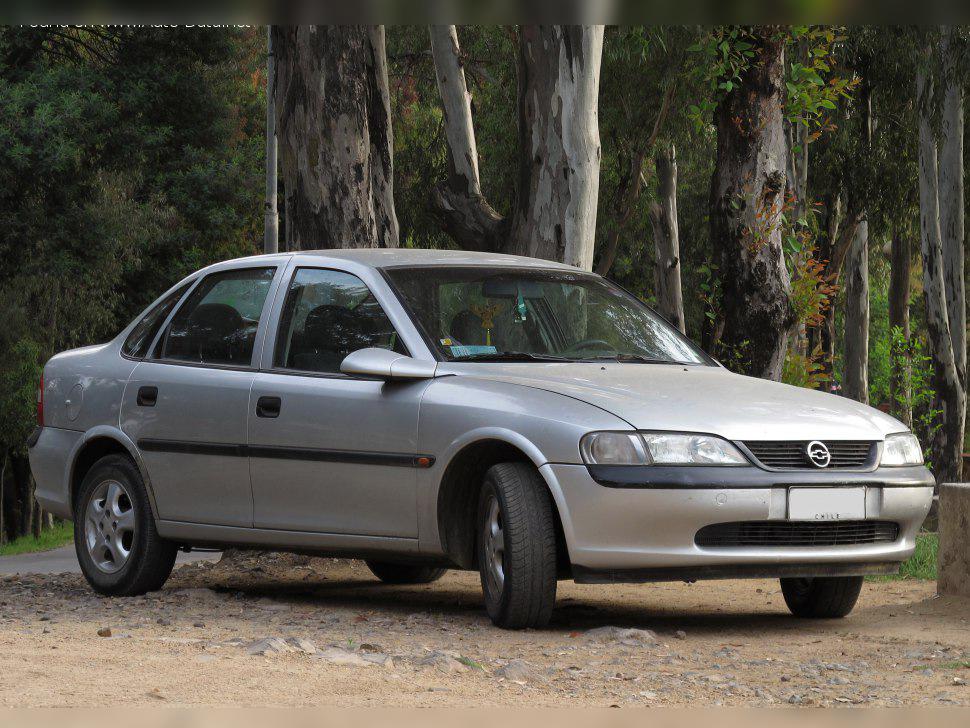
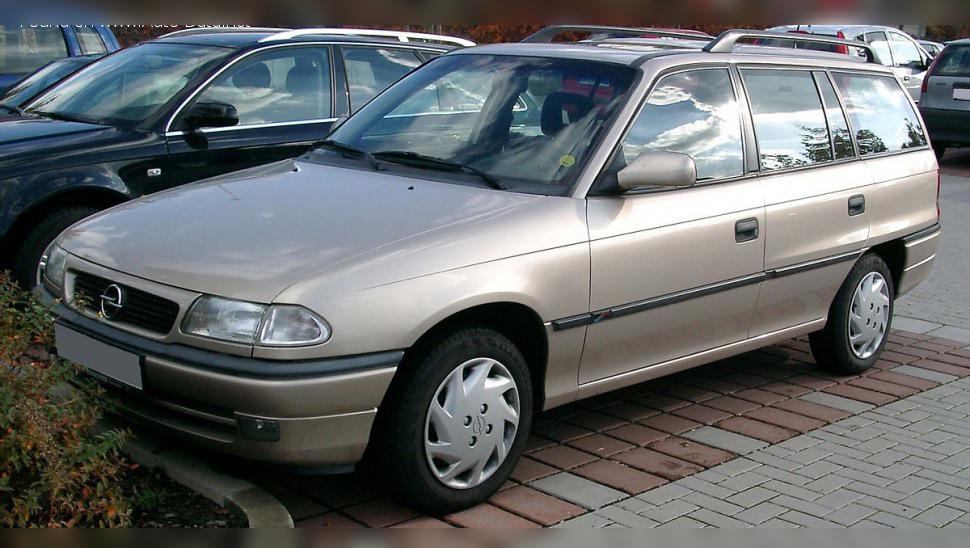
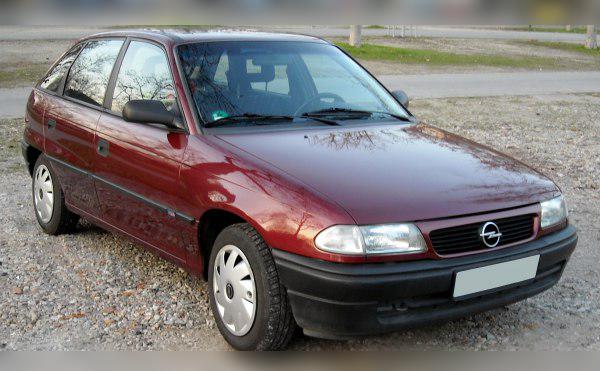
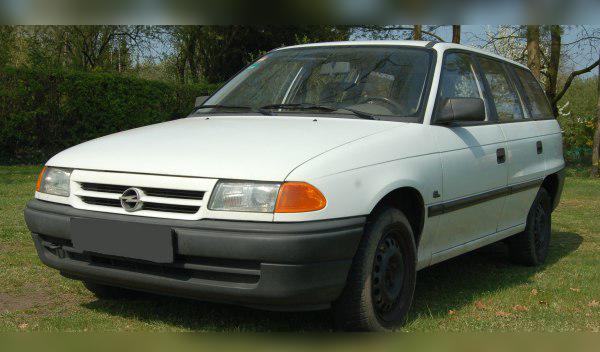
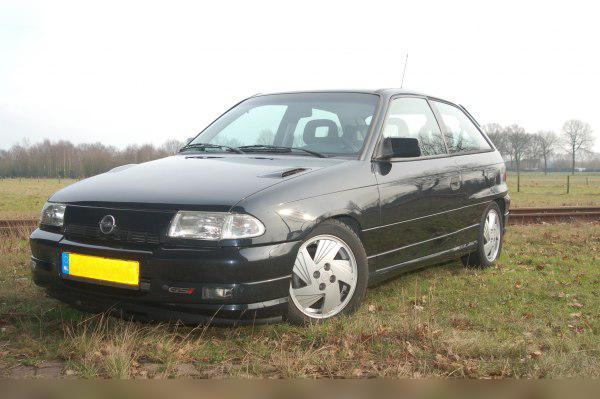
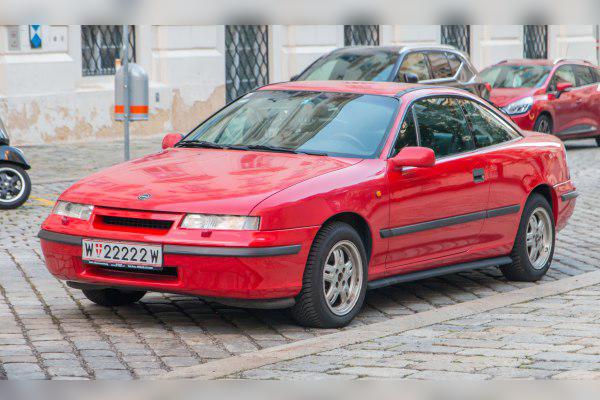
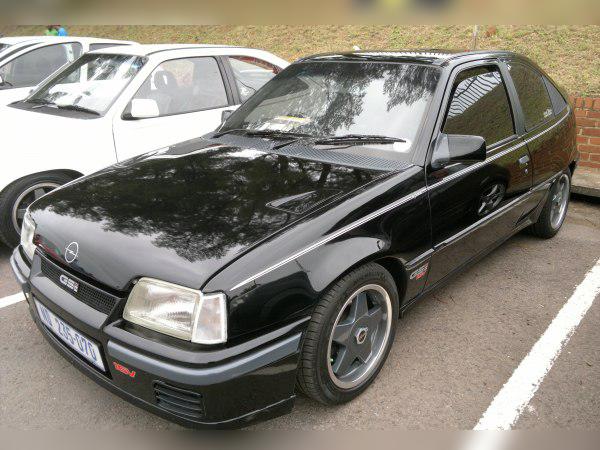
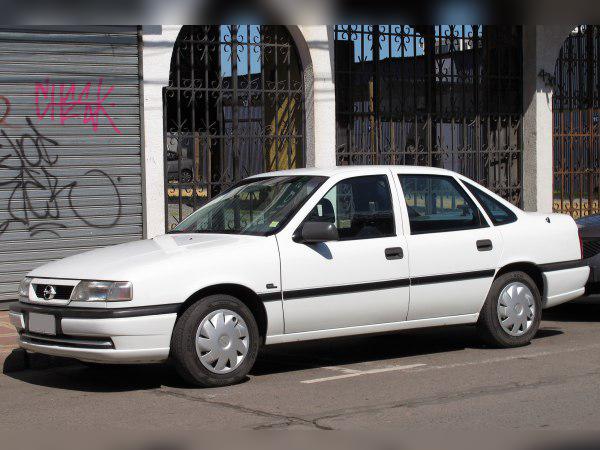
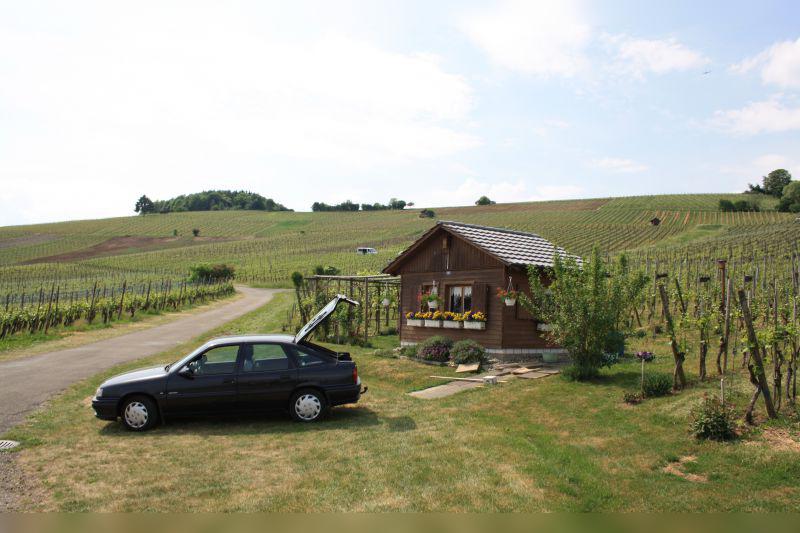
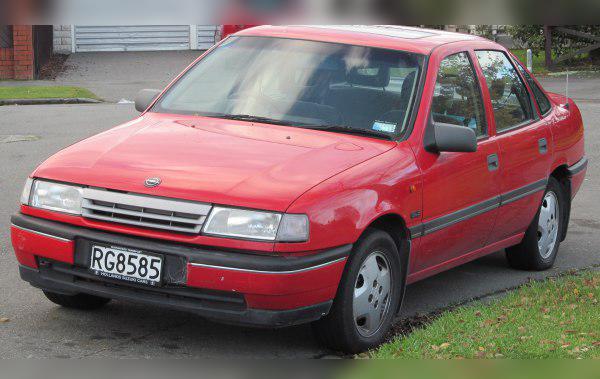
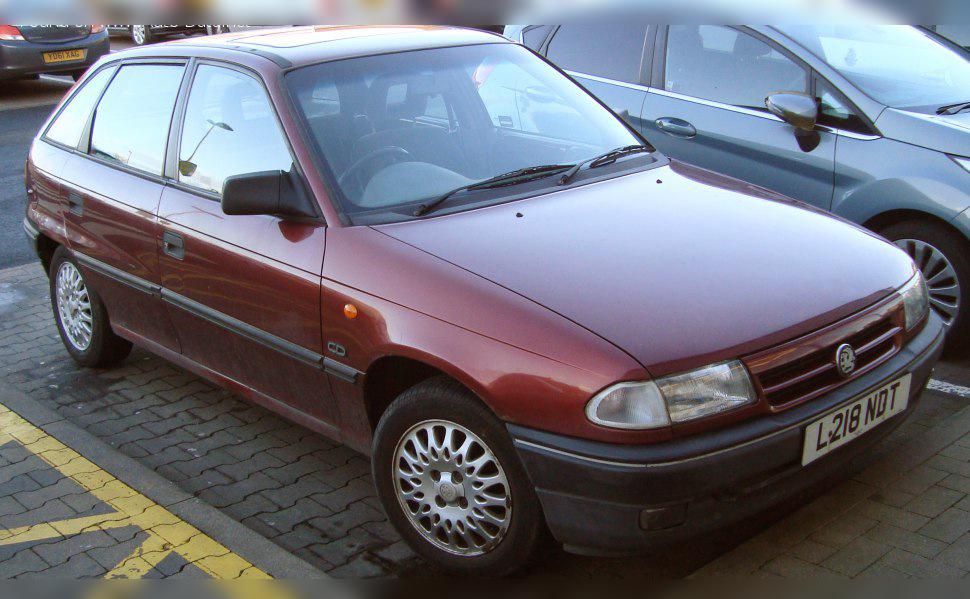
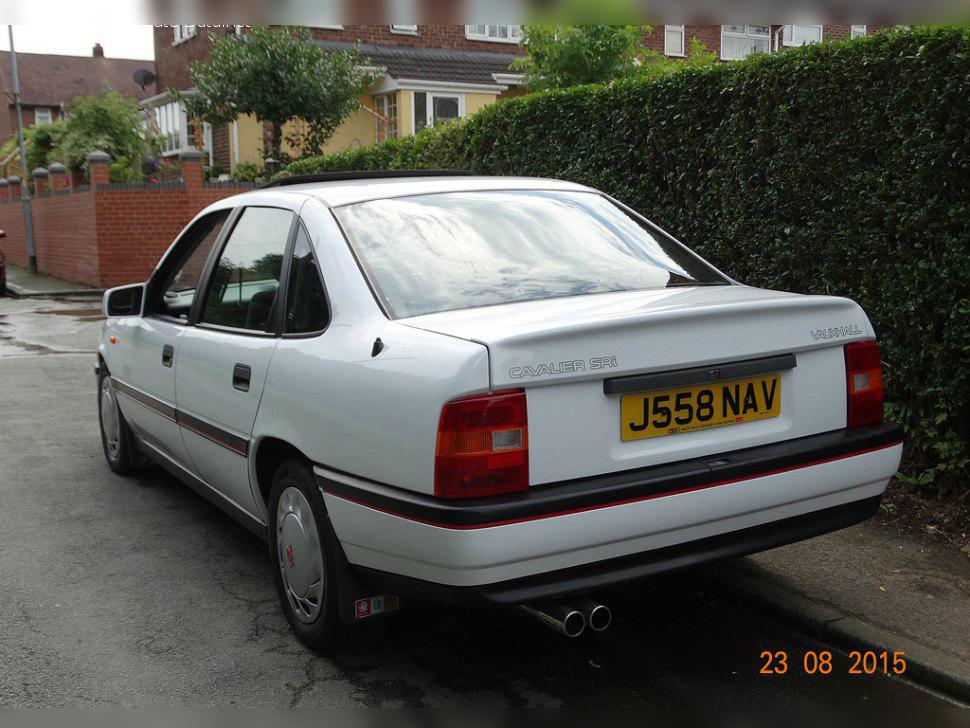
When people mention the golden era of "GSi" models, the C20XE engine, known among enthusiasts as the "Red Top" (because of the red spark plug cover and the L‑shape on the valve cover), is an unavoidable topic. Designed in cooperation with Cosworth engineers, this 2.0‑liter naturally aspirated gem set the standards throughout the 1990s. It was installed in icons such as the Kadett E GSi, Astra F GSi, Calibra and Vectra A (as well as their Vauxhall and Chevrolet counterparts). It was an engine that embarrassed far more expensive and powerful cars both on the race track and on the street. Its construction is robust, but age and hard driving have taken their toll, so today knowing its weaknesses is crucial for owners and buyers.
Technical specifications
| Specification | Data |
|---|---|
| Displacement | 1998 cc |
| Power | 110 kW (150 hp) at 6000 rpm |
| Torque | 196 Nm at 4800 rpm |
| Engine code | C20XE |
| Injection type | Multipoint (Bosch Motronic 2.5 or 2.8) |
| Induction | Naturally aspirated |
| Fuel type | Petrol |
Reliability, maintenance and common failures
The block of this engine is practically indestructible, which is why many later used it as a base for turbo conversions (C20LET). However, the ancillaries and the cylinder head require attention.
Timing system and service intervals
This engine uses a timing belt to drive the camshafts. It is recommended to perform a major service every 60,000 km or every 4–5 years, whichever comes first. A snapped belt on a C20XE is catastrophic – the valves will inevitably hit the pistons (interference engine), resulting in engine destruction and huge repair costs. Always replace the water pump and all rollers/tensioners during the major service.
Oil, viscosity and consumption
The sump capacity is around 4.5 liters of oil. Due to the age of the design and tolerances, the optimal oil grade is 10W‑40, although some enthusiasts pour high‑quality 5W‑40 synthetic oil into fully refreshed engines. Does this engine consume oil? Absolutely. For engines of this age, it is normal to use between 0.3 and 0.5 liters per 1000 km. If consumption exceeds 1 L per 1000 km, the usual causes are worn valve stem seals (a common issue) or worn piston rings due to a long history of high‑rev driving. Blue smoke on cold start is a sure sign of failed valve stem seals.
Spark plugs and ignition
As a classic petrol engine, it requires regular spark plug changes. Standard copper plugs (with two ground electrodes, as from the factory) should be replaced every 30,000 to 40,000 km. The spark plug leads are long, run through a "channel" in the cylinder head and, over time, due to high temperatures, they start to leak, causing the engine to hesitate when you press the throttle.
Most common issues: Porous head and idle control valve
The biggest nightmare for C20XE owners is the porous cylinder head. Opel used two head manufacturers: Cosworth ("Coscast") and Kolbenschmidt ("KS"). KS heads often become porous internally, allowing oil to seep into the cooling system. Symptom: oil in the coolant expansion tank (a greasy, grey emulsion, i.e. "mayonnaise"). Coscast heads do not have this problem (you can recognize them by the fact that they do not have a plug under the first exhaust port). The solution for a KS head is "tubing" (inserting a tube into the oil gallery), which is a demanding machining job.
Another common problem is the Idle Control Valve (ICV). Over time it gets dirty from oil vapors, so the engine idles erratically, revs up on its own or stalls at traffic lights. Removing and cleaning it usually solves the problem temporarily, but in the end it needs to be replaced.
Specific parts and costs
Because of its late‑80s design, the C20XE is spared many of the expensive "diseases" of modern engines.
- Dual‑mass flywheel: From the factory, most C20XE engines (especially in the Kadett and early Astra) have a solid flywheel. A few later versions with the so‑called "pot" type flywheel still retain a solid configuration. So there are no costly dual‑mass flywheel failures. A clutch kit is affordable – from 100 to 200 euros (depending on the market).
- Fuel injection: The injection system is Bosch Motronic. The injectors themselves are very durable and rarely cause problems if clean fuel is used. The mass air flow sensor (MAF / AFM) can fail, with symptoms such as engine bogging, lack of power and huge fuel consumption. It is not cheap to replace and it is hard to find a good used one.
- Turbo, DPF, AdBlue, EGR: This engine does not have a turbocharger, does not have a DPF filter, and does not have an AdBlue system. Some late versions with Motronic 2.8 electronics (switch to a DIS ignition module, without a distributor) received an early form of EGR valve, but it rarely causes serious problems compared to modern diesels. Most versions are completely without EGR.
Fuel consumption and performance
Performance is the trademark of this engine. It has a fantastic torque curve for a naturally aspirated unit and happily revs without strain up to 7000 rpm. In bodies like the Kadett (weighing barely around 1000 kg) or the Astra F, the car literally flies and is absolutely not sluggish. In heavier vehicles such as the Vectra A 4x4 or Calibra, initial acceleration is a bit duller, but there is never a lack of power for overtaking.
City consumption: Real‑world consumption in urban conditions is between 10.5 and 12.5 liters per 100 km. The engine does not forgive a "heavy right foot", so this figure easily rises.
Motorway driving: At 130 km/h, the C20XE (usually paired with the F20 sports gearbox with short ratios) cruises at a fairly high 3500 to 3700 rpm. Because of this, the cabin is somewhat noisier, and motorway consumption is around 7 to 8 liters per 100 km.
Additional options and modifications (LPG and tuning)
LPG conversion
The C20XE handles LPG very well, but under one major condition: only a sequential injection system must be installed. Fitting old "venturi" systems (where gas is sucked in through a mixer) is strictly forbidden. Why? With classic systems, backfires in the intake manifold often occur. Since the MAF housing is very sensitive (often with a flap‑type meter), even the smallest backfire will permanently damage and deform it, leaving you stranded at the roadside.
Chip tuning (Stage 1)
Is it worth "chipping" the C20XE? The short answer is: No. Because this is a naturally aspirated engine from which the engineers have already extracted the maximum for series production. The so‑called "Stage 1" software will raise the rev limiter to about 7200 rpm and slightly improve the ignition map, resulting in a power increase of barely 5 to 8 hp. In practice, the difference is imperceptible. To seriously increase power, hardware tuning is necessary (more aggressive camshafts – the famous Schrick, a "powercap" on the intake instead of the SFI resonant box, head porting and a sports exhaust). Such modifications are very expensive.
Transmissions: Manual and automatic
Manual gearbox (F20)
The standard and by far the most common gearbox for this engine is Opel’s famous F20 (5‑speed). This manual gearbox is extremely durable and can handle much more torque than stock. The most common failure (mainly due to abuse by previous owners) is failure of the second‑gear synchro. The symptom is grinding when quickly shifting from first to second gear at high revs. The oil in the manual gearbox should be changed or at least its level checked every 80,000 km, although many people forget about it.
Automatic gearbox
Very rarely, this engine was paired with a 4‑speed automatic gearbox (Aisin AW). This automatic kills all of the engine’s sporty character. The car becomes significantly slower and lazier, with much higher fuel consumption in the city (over 13 liters). The most common issues include jolts when shifting from first to second gear, usually due to old, never‑changed ATF oil or worn solenoids in the valve body. Changing the oil and filter in the automatic is mandatory every 60,000 km.
Buying used and conclusion
Buying a car with a C20XE engine today is not about purchasing a means of transport, but about buying a weekend toy or a restoration project.
What exactly should you check before buying?
- Cooling system and oil: Unscrew the coolant expansion tank cap and check whether the fluid is clear (pink or green). If there is a thick, greasy mixture inside ("mayonnaise"), the head is porous or the head gasket has failed. This is a serious and expensive fault.
- Cold running: Listen to the engine immediately after starting. A "taktaktak" sound from the top of the engine indicates worn hydraulic lifters. If the sound disappears after 10 seconds, it is tolerable. If it is constantly audible even when the engine is warm, the lifters or camshafts need replacing.
- Blue and black smoke: Hold the revs at about 4000 rpm and then suddenly release the throttle. If the car emits blue smoke from the exhaust as the revs drop, the valve stem seals are worn. If it smokes under full throttle under load, the piston rings are worn out.
- Suspension and bodywork: Due to the power on the front axle, the suspension and driveshafts are under heavy stress. Check the CV joints (clicking noise on full steering lock). More importantly, bodywork on cars from this era is terrible – check the rear arches, sills and the floor under the driver’s and passenger’s feet.
Who is this engine for?
The Opel C20XE is an engine for connoisseurs, hobby mechanics and lovers of 1990s engineering. It is not for someone looking for "a reliable daily car with no investment", because the age of rubber hoses, sensors and wiring on these models will regularly leave you stranded until everything is replaced. However, it offers a driving experience, raw feel, fantastic intake sound and acceleration that few modern naturally aspirated four‑cylinders can surpass.