E18NVR Engine (1.8 88 hp): Owner Experiences, Common Issues, Fuel Consumption and Used-Buying Tips
Key points in short (TL;DR)
- Old-school GM engineering: Extremely robust and durable engine block.
- The main headaches come from the fuel supply system (Pierburg 2EE electronic carburetor).
- Performance is very modest; the engine feels noticeably “sluggish” in heavier bodies like the Opel Omega.
- Maintenance is mechanically simple and not expensive (Depends on the market).
- City fuel consumption is high, but it handles classic LPG (autogas) conversions very well.
- No expensive modern parts: no dual-mass flywheel, no turbo, no DPF, no direct injection.
Contents
- Introduction: Old-school Opel engineering
- Technical specifications
- Reliability, maintenance and common failures
- Specific components and repair costs
- Fuel consumption and driving performance
- Extras: LPG and modifications
- Gearbox, clutch and drivetrain
- Used-buying tips and conclusion
Introduction: Old-school Opel engineering
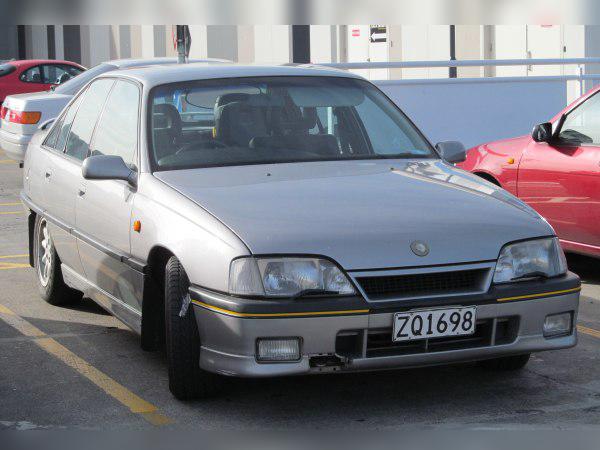
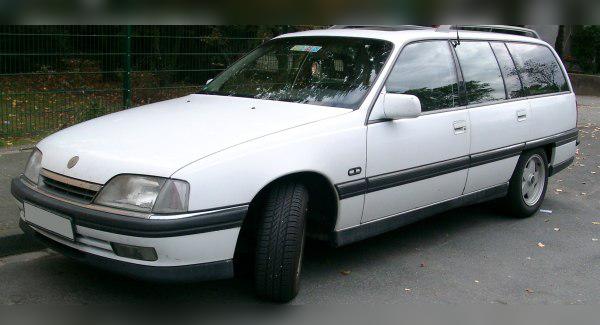
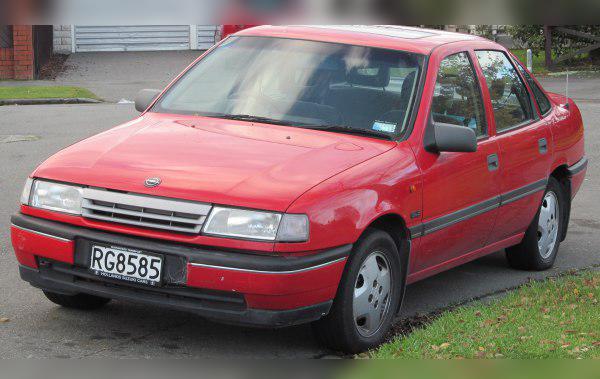
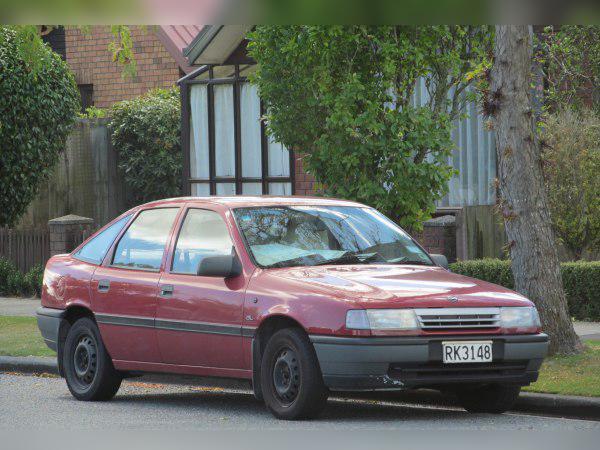
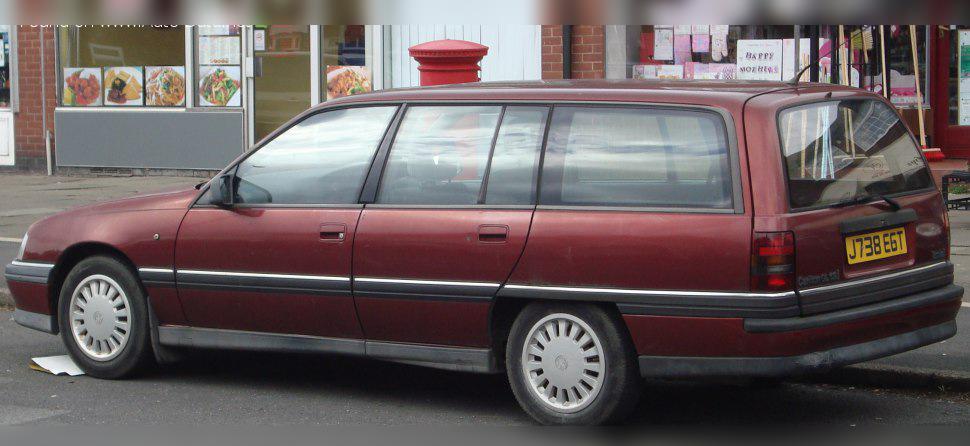
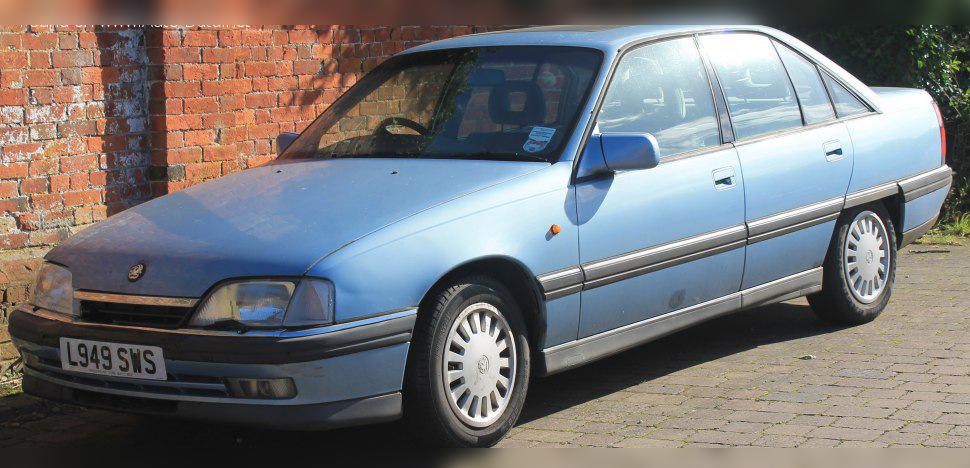
The E18NVR engine is part of the older generation of GM (Opel) Family II units with eight valves and a single overhead camshaft (OHC). It was installed in the late eighties and early nineties in models such as the Opel Vectra A, Opel Omega A, as well as their British twins badged as Vauxhall (Carlton). The letter “E” in the code indicates compliance with the early emission standards of the time, “N” denotes an engine tuned for lower-octane petrol, and “V” (Vergaser) points to the presence of a carburetor.
Today this unit is a true relic of the past, but for fans of older cars and classics it offers a level of simplicity that no longer exists. Its construction is robust, but due to its age, cars equipped with this engine require the attention of mechanics who still understand how carburetors work.
Technical specifications
| Specification | Data |
|---|---|
| Displacement | 1796 cc |
| Power | 65 kW (88 hp) at 5400 rpm |
| Torque | 143 Nm at 2800 rpm |
| Engine code | E18NVR |
| Fuel system | Electronic carburetor (Pierburg) |
| Induction type | Naturally aspirated (No turbo) |
Reliability, maintenance and common failures
Timing system and major service
This engine uses a timing belt to drive the camshaft and water pump. Since it is an older 8-valve OHC design, the major service (replacement of belt, tensioner, idlers and water pump) is usually recommended every 60,000 km or every 5 years. Parts for the major service are very affordable, and the procedure itself is straightforward for any average mechanic (Depends on the market).
Oil consumption and lubrication
The lubrication system requires about 4 liters of engine oil (including the filter). For engines of this age, the recommended viscosity is usually 10W-40 (semi-synthetic) or even 15W-40 if the engine has very high mileage. Given its age and design, oil consumption is a common occurrence. The most frequent causes are hardened valve stem seals or worn piston rings. A typical symptom of bad valve stem seals is bluish smoke from the exhaust on first cold start in the morning or when you suddenly lift off the throttle (“engine braking”). Consumption of up to 0.5 liters per 1,000 km is considered acceptable for this type of old engine, while anything above that calls for a cylinder head refresh.
Ignition system and electrics
As this is an old-generation petrol engine, it is recommended to replace the spark plugs every 30,000 to 40,000 km. However, a bigger issue than the spark plugs themselves often comes from the distributor cap, rotor arm and high-tension leads. Due to moisture ingress or deteriorated insulation, the car may jerk under acceleration or idle roughly.
Mechanical issues and engine “ticking”
One of the characteristic noises of this engine at high mileage is a ticking sound from the top end (cylinder head). The cause is usually hydraulic valve lifters that get clogged with deposits from irregular oil changes. Sometimes the solution is to use better-quality oil and a cleaning additive, but often they need to be physically replaced.
Specific components and repair costs
Fuel system: The Achilles’ heel of the E18NVR
Unlike modern petrol engines that use electronic injectors, the E18NVR relies on a carburetor. And not just any carburetor, but the notorious Pierburg 2EE electronic carburetor (also known as Ecotronic). This was a transitional design between a classic carburetor and modern fuel injection. There are no conventional injectors to clog, but the electronic idle actuators, vacuum hoses and stepper motors on this carburetor are a major source of trouble today. Typical symptoms include stalling at traffic lights, “hunting” idle speed or bogging down when you press the accelerator. Finding a mechanic nowadays who knows how to adjust and overhaul this carburetor is very difficult, and new parts for it are extremely rare.
Emission systems: Turbo, DPF and EGR
The good news is that this engine has none of the sensitive and expensive modern equipment. There is no turbocharger, no DPF filter, no complex modern EGR valves that clog up, and AdBlue systems didn’t even exist when it was designed. The absence of these parts means drastically lower maintenance costs compared to modern engines.
Fuel consumption and driving performance
The performance of this engine has to be viewed in the context of the body it is installed in. The output of 88 hp and 143 Nm is today on the level of small city cars.
Acceleration and dynamics
In a Opel Vectra A (which is lighter and front-wheel drive), the engine can be described as “adequate” for relaxed, smooth driving. However, in the heavier Opel Omega A (rear-wheel drive and over 1.2 tons empty), the E18NVR feels noticeably “sluggish”. Acceleration is slow, overtaking on country roads requires careful planning and downshifting, and under load on uphill sections the engine runs out of breath easily.
Real-world consumption and motorway driving
Because of the low power, the driver often has to keep the throttle pedal close to the floor, which results in high fuel consumption. Real-world city consumption is between 10 and 12 liters per 100 km, and in winter, while running on choke, it can be even higher. On the motorway, due to the lack of a sixth gear and the aerodynamics of older cars, at a cruising speed of 130 km/h the engine revs quite high (around 3,500 to 4,000 rpm, depending on the final drive). As a result, it becomes noisy in the cabin and consumption is around 8–9 l/100 km.
Extras: LPG and modifications
Is it suitable for LPG (autogas)?
The answer is an absolute YES. In fact, most of the surviving engines of this type are running on LPG today. Since it doesn’t have a plastic intake manifold with sophisticated electronic injection, people usually install a classic “venturi” (vacuum) LPG system, which is extremely cheap to install and maintain (Depends on the market). The engine tolerates LPG combustion very well, provided the ignition system (spark plugs, leads) is in perfect condition.
Chiptuning (Stage 1)
Any attempt at “chiptuning” (increasing power via software) on this engine is impossible and pointless. The E18NVR is a naturally aspirated petrol engine with a carburetor and has no modern ECU that would allow manipulation of fuel maps or turbo pressure (there is no turbo). Any power increase would require expensive mechanical tuning (different camshafts, cylinder head work, fitting twin Weber carburetors), which is completely uneconomical.
Gearbox, clutch and drivetrain
The gearbox layout depends on the model – in the Vectra it is mounted transversely, while in the Omega it is mounted longitudinally (sending power to the rear wheels).
Manual gearboxes
The 5-speed manual gearboxes (usually from GM’s famous F and R series, such as the F16 in the Vectra or R25 in the Omega) are virtually indestructible. Internal gearbox components rarely fail. The most common issue is the gear selector mechanism on the Vectra, whose plastic bushes and joints develop play over time, so the gear lever becomes vague and imprecise (engaging first or second gear can become difficult). An oil change in the manual gearbox is recommended every 80,000 to 100,000 km, although many manufacturers back then did not specify an interval at all (so-called “lifetime” oil).
Automatic gearboxes
Some models were paired with old 3- or 4-speed automatic gearboxes (Aisin/GM units). These automatics use a classic torque converter. They are extremely robust, but make the car even more “sluggish” and increase fuel consumption by about 1 to 1.5 l/100 km. For automatics it is essential to change the oil and filter every 60,000 km. If this is neglected, the gearbox will start to engage “D” or “R” with a harsh jolt.
Clutch and flywheel
This engine does not have a dual-mass flywheel. It uses a conventional solid flywheel. As a result, clutch repairs are extremely cheap. Replacing the complete clutch kit (pressure plate, disc, release bearing) is among the cheapest repairs in the automotive world (Depends on the market).
Used-buying tips and conclusion
What to check when viewing a car?
If you are buying a car with the E18NVR engine today, the age of the vehicle is your biggest enemy. It is recommended to check the following:
- Cold start: The engine should fire up immediately. If it cranks for a long time, flares up and then stalls, the carburetor (automatic choke on the Pierburg) is in trouble.
- Blue smoke: Warm the engine up, let it idle for 5 minutes, then suddenly blip the throttle. If it throws out a cloud of blue smoke, the engine is crying out for new valve stem seals or refreshed piston rings.
- Oil leaks: Old Opel OHC engines commonly leak from the valve cover gasket, oil pan and crankshaft seals. Inspect the block from underneath.
- Bodywork condition: Even if the engine is good, the Vectra A and Omega A are notorious for rust. Rear arches, sills and strut towers are often completely rotten if the car hasn’t been garaged.
Final verdict
The E18NVR is an engine from an era when cars were built to last a long time with minimal technical complexity. This is an engine for people who don’t care about performance, but only about low repair costs and the possibility of cheap motoring on LPG. However, if you are not an enthusiast or don’t know a good “old-school” mechanic who can properly set up the electronic carburetor, idle speed issues can easily turn your driving experience into a nightmare. Buying such a used car today only makes sense if you find an exceptionally well-preserved example or if you are restoring an ‘oldtimer’ project.