Engine F12SHL 1.2 Turbo (110 HP): Experiences, issues, fuel consumption and used car buying tips
Key points in short (TL;DR):
- This is a GM engine (General Motors), and NOT the PSA (Peugeot/Citroën) 1.2 PureTech. Don’t mix them up, the differences are drastic.
- The engine uses a timing chain, not an oil-immersed belt, which makes it more reliable in terms of timing from the outset.
- It has direct injection (SIDI), which means it is prone to carbon buildup on the intake valves.
- As a three-cylinder with serious torque, it is equipped with a dual-mass flywheel whose replacement is not cheap.
- It has a GPF (Gasoline Particulate Filter), so exclusively city driving can lead to clogging.
- It is not suitable for LPG (autogas) conversion due to the specifics of direct injection.
Contents
- Introduction: Myths and facts about the 1.2 Turbo engine in the Astra K
- Technical specifications
- Reliability and maintenance
- Specific parts and costs
- Fuel consumption and performance
- Additional options and modifications
- Gearbox and clutch
- Buying used and conclusion
Introduction: Myths and facts about the 1.2 Turbo engine in the Astra K
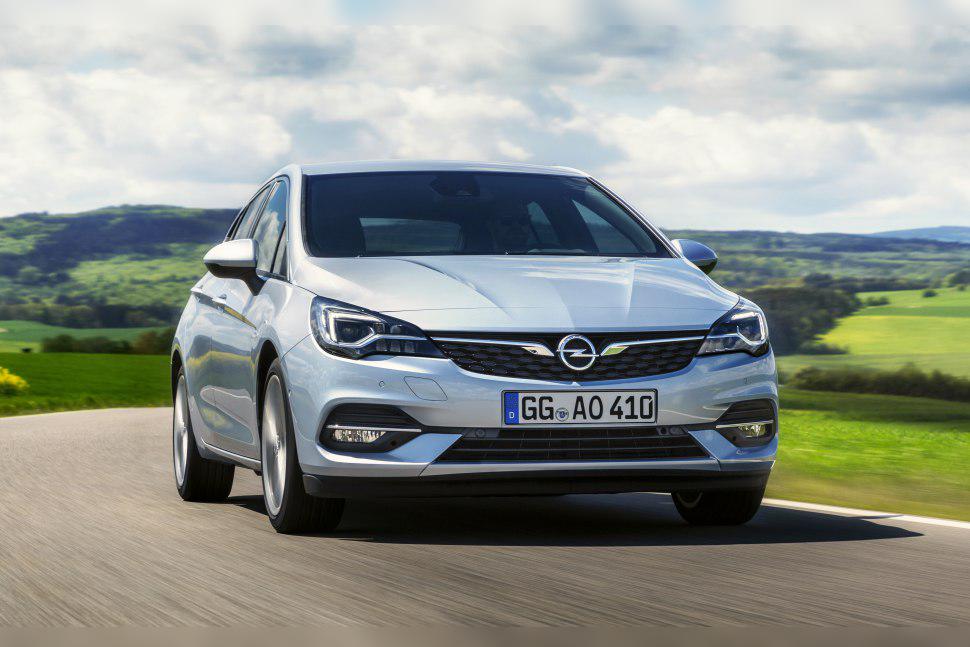
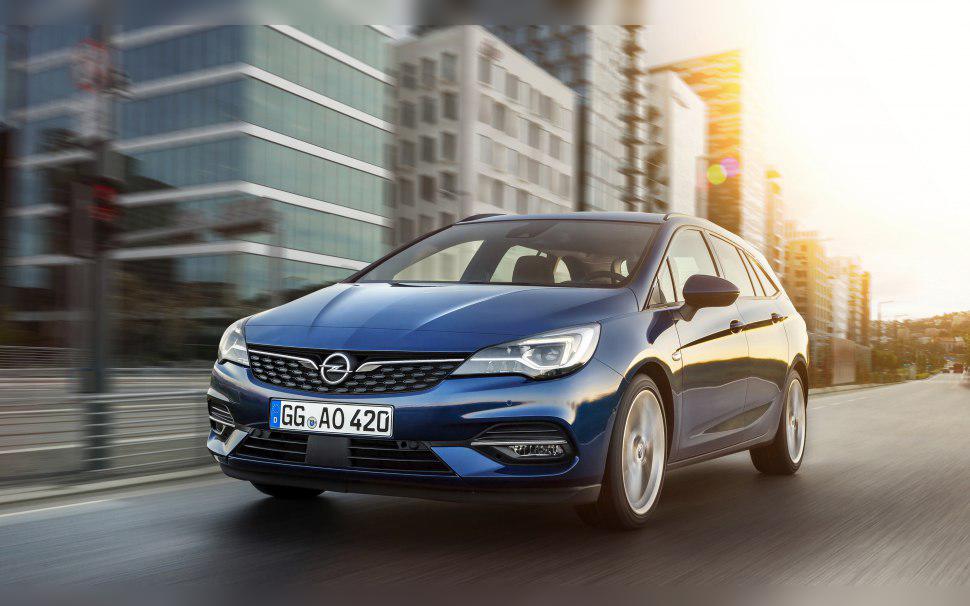
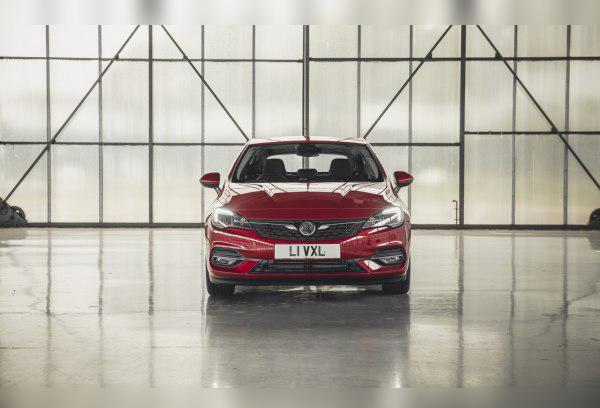
When Opel presented the facelift of the Astra K in 2019, the company was already owned by the PSA group (now Stellantis). Because of this, most drivers and self-taught mechanics automatically assume that under the bonnet sits the notorious French 1.2 PureTech engine with an oil-immersed belt. This is absolutely wrong.
The engine code F12SHL (internal GM RPO code: LIH) is part of the last generation of General Motors E‑Turbo units. It was made exclusively for the Astra K facelift to bridge the gap until the new generation. It is a three-cylinder, all‑aluminium engine with a balance shaft in the sump, direct injection and an integrated exhaust manifold. It is aimed at drivers looking for a modern hatchback or estate for everyday use, with an emphasis on ecology and low fuel consumption.
Technical specifications
| Specification | Data |
|---|---|
| Engine displacement | 1199 cc |
| Power | 81 kW (110 HP) |
| Torque | 195 Nm |
| Engine code | F12SHL (GM LIH) |
| Injection type | Direct injection (SIDI) |
| Turbo / Naturally aspirated | Turbocharger + Intercooler |
Reliability and maintenance
Timing: Chain or belt?
Unlike many modern three‑cylinder competitors, the F12SHL uses a timing chain to drive the camshafts. The chain does not need to be replaced at every major service, but it is sensitive to lubrication quality. If the driver does not change the oil on time, the chain tensioner weakens and the chain stretches. The symptom is a distinct metallic rattling at cold start.
Most common failures and service intervals
The manufacturer optimistically sets minor service intervals at 20,000 or even 30,000 km, but in practice this kills this engine. Due to direct injection, petrol dilutes the oil. Minor services should be done only every 10,000 to 15,000 km.
A major service in the classic sense (replacement of the timing set) is not done at a fixed mileage, but in practice the chain and related guides should be inspected and, if necessary, replaced at around 150,000 km.
The most common issue with this engine is carbon buildup on the intake valves. Since the injectors spray fuel directly into the cylinder and not over the valves, petrol does not “wash” the valves. Over time, carbon accumulates there, the engine starts to run unevenly at idle, loses power and triggers the “Check Engine” light. The solution is periodic mechanical intake cleaning (the so‑called “walnut blasting”), which can be expensive (depends on the market).
Oil: Capacity, grade and consumption
The system holds about 4.0 litres of oil. The use of fully synthetic, very low‑viscosity oil is mandatory, most commonly 0W‑20 with GM Dexos 1 Gen 2 (or Gen 3) specification. The oil must be of top quality to protect the turbo and the balance shaft.
As for oil consumption, modern engines do consume oil. It is normal to top up around 0.5 to 1 litre of oil between services (at 10,000 km). However, if the engine consumes more than 0.3 l per 1000 km, this is a clear sign that the piston rings are stuck or that the turbo is leaking oil.
Spark plugs and ignition
Due to the turbocharger and high combustion temperatures, the spark plugs are under huge stress. It is recommended to replace them every 40,000 to 60,000 km. If you feel hesitation under full throttle, first check the spark plugs and the ignition coils (one per cylinder).
Specific parts and costs
Clutch and dual‑mass flywheel
Yes, this engine has a dual‑mass flywheel. Since three‑cylinder engines are inherently unbalanced and generate strong torsional vibrations on the crankshaft, a dual‑mass flywheel is necessary to protect the gearbox. Replacing the clutch kit and dual‑mass flywheel falls into the category: Very expensive (depends on the market). Symptoms of wear are strong jolts and vibrations when setting off, as well as metallic rattling when you switch the engine off.
Injection system (injectors)
The engine uses high‑pressure injectors. They are generally robust, but very sensitive to poor fuel quality. If they fail, refurbishment is often not possible and new components are expensive (depends on the market). Prevention is to use quality petrol with additives.
Turbocharger and emissions (GPF, EGR, AdBlue)
The turbocharger is small (low‑inertia) in order to eliminate “turbo lag”. Its lifespan directly depends on the oil. If you respect the intervals, the turbo will easily last over 200,000 km.
Since this is a petrol engine, it does not have a DPF filter or AdBlue system, but to meet strict Euro 6d standards it is equipped with a GPF (Gasoline Particulate Filter). If you drive the car exclusively on short city trips (where the engine does not reach its optimal 90°C), the GPF will clog, requiring forced regeneration via diagnostics or an expensive replacement. The engine does not have a classic external problematic EGR valve; instead, exhaust gas recirculation is achieved by valve timing overlap (VVT).
Fuel consumption and performance
Fuel consumption and city driving
Real‑world city fuel consumption is between 7.5 and 8.5 l/100 km, depending on driving style and traffic. The engine warms up very quickly (thanks to the integrated exhaust manifold in the cylinder head), which is pleasant in winter both for the engine and the passengers.
Performance: Is the engine sluggish?
With its 110 HP and 195 Nm of torque available already at low revs, this engine copes very well in the Astra K body (which is significantly lighter than the previous J generation). It is not “sluggish” for everyday needs; on the contrary, in city conditions it feels quite agile. The lack of power will only be noticeable when the car is fully loaded with passengers and luggage, especially on steeper climbs, where it noticeably runs out of breath.
Behaviour on the motorway
On the motorway, at 130 km/h in top gear, the engine spins at a comfortable around 2,800 rpm. Fuel consumption then drops to about 6.0 to 6.5 l/100 km. Sound insulation in the Astra K is decent, so the characteristic three‑cylinder “buzz” is heard only during hard acceleration, while at cruising speeds it is not intrusive.
Additional options and modifications
Is this engine suitable for LPG?
Short answer: No. Due to direct injection, LPG conversion requires specialised and very expensive systems. While running on gas, the petrol injectors would burn in the combustion chamber due to high temperature, so the system must constantly inject a certain amount of petrol to cool them. When you factor in the installation cost, regular LPG system maintenance and the fact that petrol is still being consumed, the payback period is too long for an engine that does not use much fuel anyway.
Remapping (Stage 1)
Since the F12SHL shares its hardware base with more powerful versions from the same GM family, a “Stage 1” software remap is quite worthwhile. It can safely be raised to around 130 to 135 HP and about 230 Nm of torque. However, you must be aware that higher torque puts additional stress on the clutch and dual‑mass flywheel, shortening their service life.
Gearbox and clutch
The 110 HP version is primarily paired with a 6‑speed manual gearbox. The facelift Astra K uses modified gearboxes in which the earlier bearing issues (that made the infamous M32 gearbox notorious) have largely been resolved.
Failures of the manual gearbox itself are now rare, but the synchros for first and second gear can suffer from aggressive shifting. As for maintenance, the manufacturer often states that the gearbox oil is “lifetime”. Any experienced mechanic will tell you that such a thing does not exist. The oil in the manual gearbox should definitely be replaced every 80,000 to 100,000 km. The cost of this operation is not high (depends on the market) and it dramatically extends the life of the transmission.
Buying used and conclusion
What to check before buying?
- Cold start: This is the most important test. The engine must be completely cold. Listen carefully during the first 5 seconds of operation – you should not hear metallic scraping or rattling. If you do, the chain is stretched and a timing replacement awaits you.
- Warm engine at idle: If the car shakes unpleasantly at idle (and the revs are stable), the problem is probably a worn dual‑mass flywheel or collapsed engine mounts. If the revs “hunt”, suspect carbon buildup on the intake valves or an issue with the spark plugs.
- Diagnostics (OBD): Always connect a professional scanner. Check the condition of the GPF filter and look for stored faults related to misfire (cylinder misfire).
- Test drive (exhaust): Look for smoke from the exhaust under full throttle. Bluish smoke means it is burning oil (rings or turbo).
Who is this engine for?
The F12SHL (1.2 Turbo 110 HP) engine in the Opel Astra K is a perfectly decent choice for an average, calm driver who mainly covers mileage on open roads and suburban routes. A big plus is that it does not have the infamous “belt in oil” like some rival engines, but uses a chain instead.
However, you must be aware that this is not an old‑school naturally aspirated engine where you open the bonnet once a year. Due to direct injection, the GPF filter and the dual‑mass flywheel, it requires extremely meticulous maintenance, top‑quality oil changed at a maximum of 15,000 km, and an understanding that stop‑and‑go city driving shortens the lifespan of modern components. If you are looking for a car for taxi work or courier services in dense city centres, skip it. For everyone else, with a good example and a proper service history, it will provide comfortable and economical motoring.