LDA 1.8 16V Engine (122 HP): Ownership Impressions, Issues, Fuel Consumption and Used Car Buying Guide
Key points in short (TL;DR):
- Reliable old-school naturally aspirated petrol engine (GM / E-TEC II), excellent for LPG conversion.
- No expensive components: no dual-mass flywheel, turbocharger, DPF or AdBlue system.
- City fuel consumption can be high (often over 10 to 11 l/100 km).
- The most common issue is oil leakage from the valve cover gasket.
- Timing belt and full timing service must be done strictly on time to avoid engine failure.
- Automatic gearboxes are durable but outdated and increase fuel consumption.
Contents:
- 1. Introduction: Engine origin and car models
- 2. Technical specifications
- 3. Reliability and maintenance
- 4. Specific parts and costs
- 5. Fuel consumption and performance
- 6. Additional options and modifications (LPG and remapping)
- 7. Gearboxes: Manual and automatic
- 8. Buying used and conclusion
1. Introduction: Engine origin and car models
The engine designated as LDA is based on General Motors’ (GM) platform, often marketed as E-TEC II. It is a classic 1.8‑liter naturally aspirated petrol engine with 16 valves, producing 122 horsepower. This powerplant was designed with longevity and ease of maintenance in mind rather than outright performance.
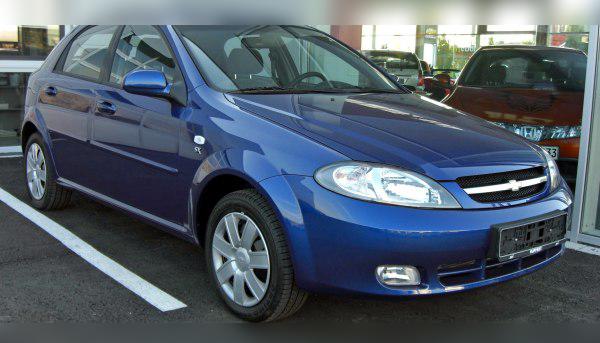
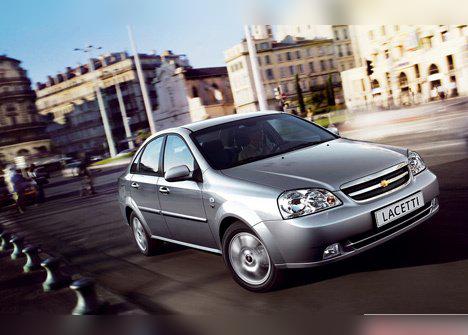
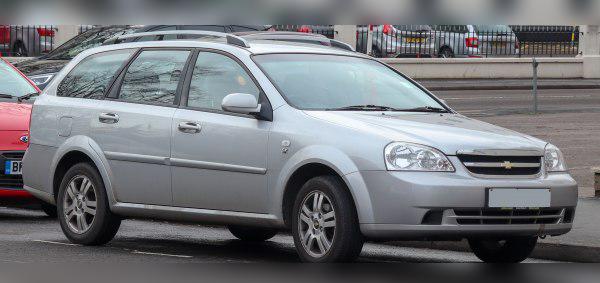
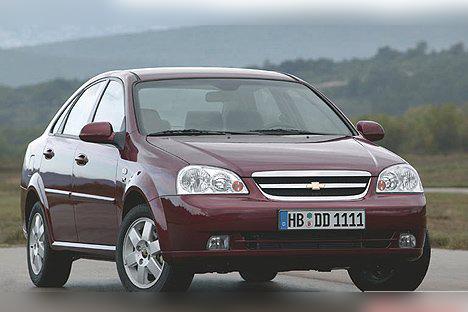
On the European market, this engine is most commonly found under the bonnet of models such as the Chevrolet Lacetti (Hatchback, Sedan and Wagon) and the Chevrolet Nubira (Sedan and Station Wagon). These cars offered excellent value for money, and the LDA engine was the optimal choice for drivers who found the 1.4 or 1.6 engines too weak for the heavier estate body.
2. Technical specifications
| Engine code | LDA (GM Family II / E-TEC II) |
| Displacement | 1799 cc |
| Power output | 89 kW (122 HP) |
| Torque | 165 Nm |
| Fuel type and injection | Petrol, Multi-point indirect injection (MPI) |
| Induction type | Naturally aspirated |
3. Reliability and maintenance
Timing belt and major service
Unlike more modern engines, the LDA powerplant uses a timing belt for the valvetrain. The major service, which includes replacement of the timing belt, tensioner, idler pulleys and water pump, needs to be done every 60,000 km or every 5 years, whichever comes first. Skipping this interval can lead to belt failure and serious engine damage (valves hitting the pistons), with repairs being extremely expensive.
Engine oil and regular servicing
This engine takes around 4 liters of engine oil. The factory recommendation is usually 5W‑30 synthetic, but given that these are now higher‑mileage cars, many mechanics recommend switching to 10W‑40 semi‑synthetic, especially if the engine starts consuming oil. Some oil consumption between services is normal; up to 0.5 liters per 1,000 km on older examples is considered acceptable, although a healthy engine should use significantly less. If it consumes more, the problem usually lies in worn valve stem seals or oil control rings.
Spark plugs and ignition system
As this is a petrol engine, regular spark plug replacement is crucial for smooth running. Replacement is recommended every 30,000 to 40,000 km. If you run the car on LPG, halve this interval or use special LPG‑rated spark plugs, as the gas mixture requires a stronger spark.
Most common failures and symptoms
The best‑known issue with this engine is oil leakage from the valve cover gasket. Oil often drips onto the exhaust manifold, causing a burning smell in the cabin, and can also fill the spark plug wells, leading to engine misfires. Repair costs are not high (depending on the market), but require careful installation of a quality gasket. In addition, the EGR valve is prone to clogging with carbon deposits, which results in unstable idle (fluctuating revs) and hesitation under acceleration. Cleaning or blanking the EGR (where legally allowed) solves the problem.
4. Specific parts and costs
This is where the LDA engine really shines from a household budget perspective. Unlike modern diesels, this engine does not have a dual‑mass flywheel, but uses a conventional solid flywheel. Because of this, clutch kit replacement is a routine job and falls into the “not expensive” category (depending on the market).
The fuel system is a classic MPI (Multi‑Point Injection). The petrol injectors operate at low pressure, are extremely reliable and rarely fail. If problems do occur, ultrasonic cleaning is usually sufficient. Also, this engine has no turbocharger, no DPF filter and does not use AdBlue, which means you are spared the components that most heavily drain the wallets of today’s drivers.
5. Fuel consumption and performance
Is 122 HP enough?
The engine produces 122 HP and 165 Nm of torque. Considering it is installed in the Lacetti and Nubira, it is definitely not sluggish. It offers solid in‑gear acceleration and carries load respectably, even in estate (Wagon) versions. It is powerful enough for safe overtaking on country roads, although it requires higher revs compared to turbo diesels.
Fuel consumption
The main downside of older GM naturally aspirated engines is fuel consumption. In pure city driving, real‑world consumption is between 10 and 12 l/100 km, depending on how heavy your right foot is and on traffic conditions. Versions with automatic transmission can easily exceed 12 liters in town.
Motorway behaviour
On the motorway, at 130 km/h in fifth gear, the engine spins at around 3,500 to 3,800 rpm (depending on gearbox and model). At these revs, cabin noise becomes noticeable and fuel consumption rises to around 8 to 8.5 l/100 km. This car is more comfortable “cruising” at around 110–120 km/h.
6. Additional options and modifications (LPG and remapping)
LPG conversion
If you are buying this engine, installing a sequential LPG system is highly recommended. This engine has hydraulic tappets (automatic valve clearance adjustment), which makes it extremely durable and resistant when running on gas. LPG drastically reduces running costs, compensating for its biggest drawback – high petrol consumption. The engine runs smoothly on gas, with virtually no noticeable power loss.
ECU remapping (Stage 1)
Short answer: Don’t waste your money. Since this is a naturally aspirated engine, an ECU remap will give you at most 5 to 8 HP, which is completely imperceptible in everyday driving. Remapping only really makes sense on turbo engines; on the LDA 1.8 it is a poor investment.
7. Gearboxes: Manual and automatic
This engine was paired with two types of gearboxes, both of which have proven to be quite robust, but each with its own specifics.
Manual gearbox (5‑speed)
The manual gearboxes feel somewhat “rubbery” when changing gears, which is characteristic of GM vehicles from that period. The most common fault is oil leakage from the gear selector shaft seal. Replacing this seal is not expensive (depending on the market), but if ignored and the gearbox runs low on oil, the bearings can fail. It is recommended to change the oil in the manual gearbox every 60,000 to 80,000 km. As mentioned, the clutch is conventional and the cost of replacing the complete kit is not high.
Automatic gearbox (4‑speed)
The automatic gearboxes (usually classic hydraulic torque‑converter units made by ZF or Aisin, depending on the exact year and series) are known for their durability. Their main drawback is technological obsolescence – they have only 4 gears, shift slowly and significantly increase fuel consumption. The biggest mistake owners make is not changing the oil. The oil in this automatic gearbox must be changed every 60,000 km, together with the filter. If, during a test drive, the gearbox engages harshly when shifting from P to R or D, or slips while driving, this is a sign of serious and costly valve body (torque converter/valvetrain) issues.
8. Buying used and conclusion
When buying a used Chevrolet Lacetti or Nubira with the 1.8 LDA engine, stand in front of the open engine bay and first do the following:
- Visual inspection: Check the area around the valve cover. If everything is oily and leaking, you are looking at a valve cover gasket replacement.
- Cold start: Ask the seller not to start the car before you arrive. On first start‑up, listen to the engine. Rattling in the first few seconds indicates dry or worn hydraulic tappets, but if the rattling does not stop, mechanical repair will be required.
- Idle smoothness: The car should hold a stable idle speed. If the needle jumps or the engine hesitates, the culprit is usually a dirty EGR valve, idle control valve on the throttle body, or worn spark plugs/ignition coil.
Final verdict: Who is this engine for? The LDA 1.8 16V is an ideal choice for a rational buyer on a tighter budget, who doesn’t put luxury first but wants a reliable and spacious car with low maintenance costs. If you plan to cover decent annual mileage, make sure you find a car that already has LPG installed or have it fitted yourself, and this engine will serve you faithfully for hundreds of thousands of kilometres without the fear of the eye‑wateringly expensive failures typical of modern diesels.