Opel X14XE 1.4 16V Engine (90 HP) – Experiences, issues, fuel consumption and used-car buying tips
- Reliable mechanical unit, but requires regular monitoring of oil level due to frequent consumption.
- Strict adherence to timing belt replacement intervals is mandatory – engine failure is almost certain if the belt snaps.
- Handles LPG (autogas) installation extremely well, which makes it economical to run.
- The main weak points are a dirty EGR valve and a worn idle control valve (stepper motor), which cause rough idling.
- Maintenance is very cheap; the engine has no sensitive and expensive components such as a dual-mass flywheel or turbocharger.
- In lighter cars it is very agile, while in heavier bodies it can feel a bit sluggish.
Contents
- Introduction and basic information
- Technical specifications
- Reliability and maintenance
- Specific parts and costs
- Fuel consumption and performance
- Additional options and modifications
- Gearbox and drivetrain
- Buying used and conclusion
Introduction and basic information
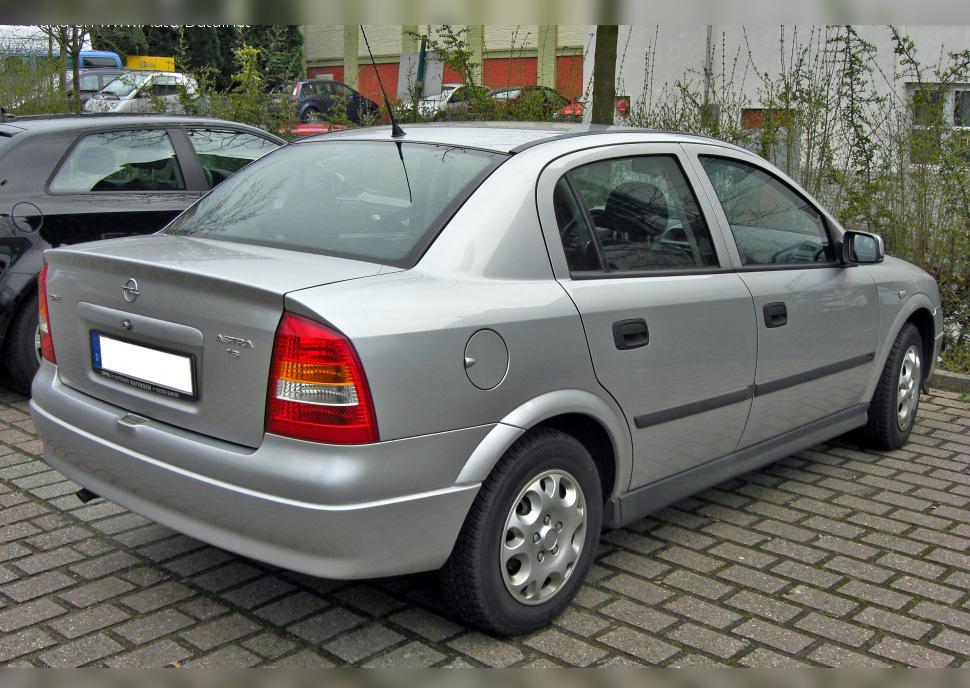
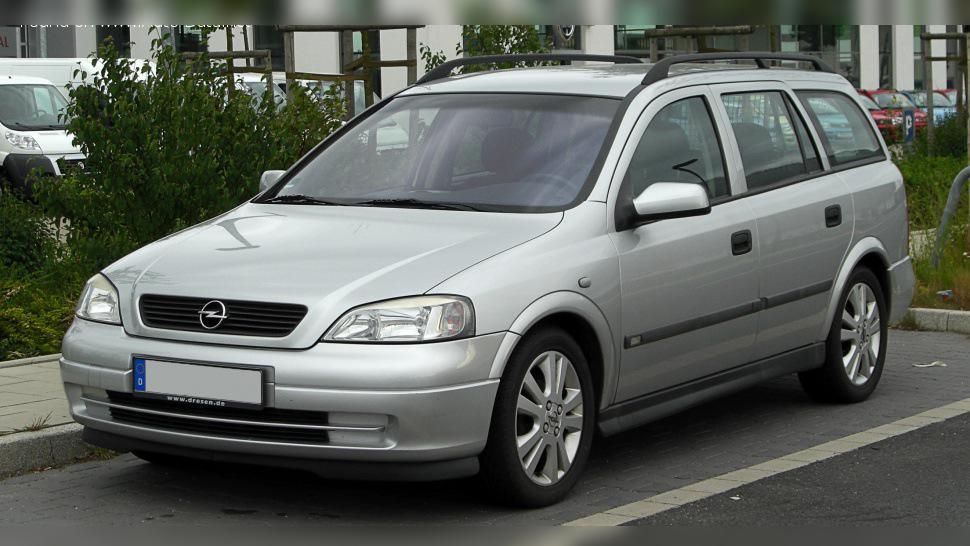
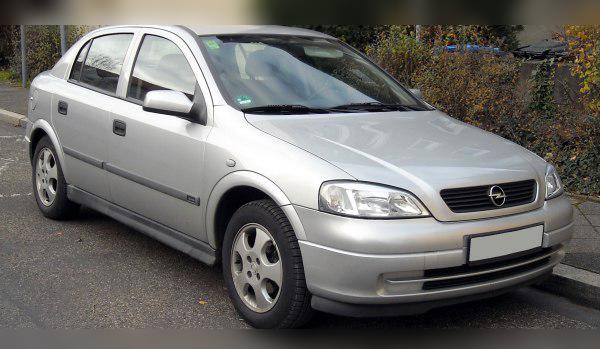
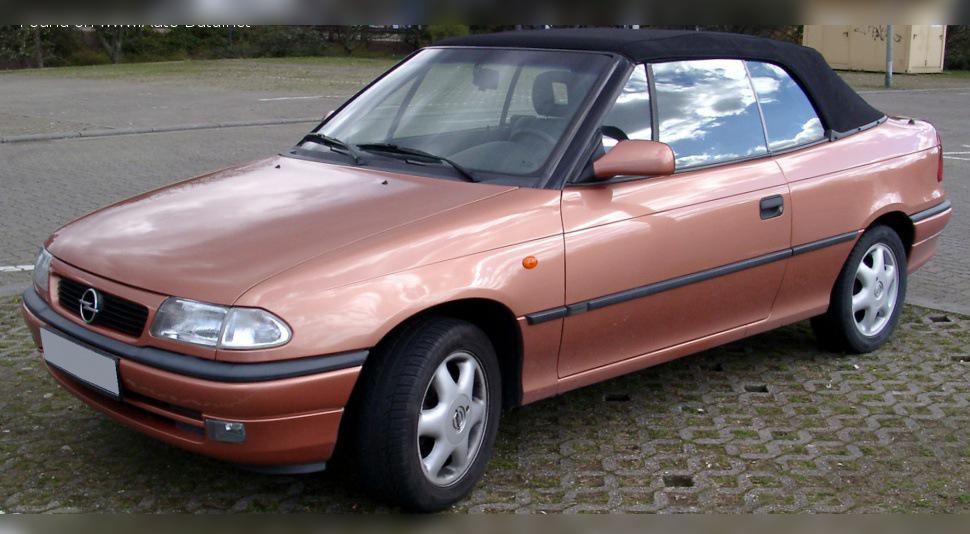
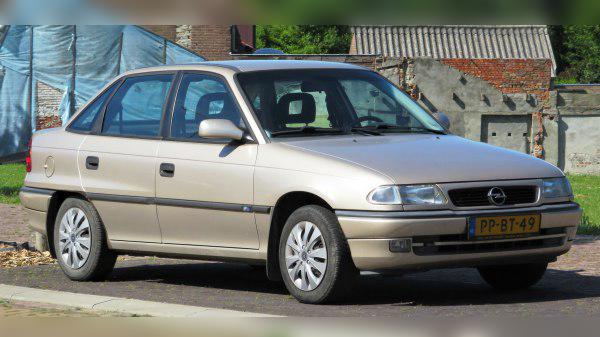
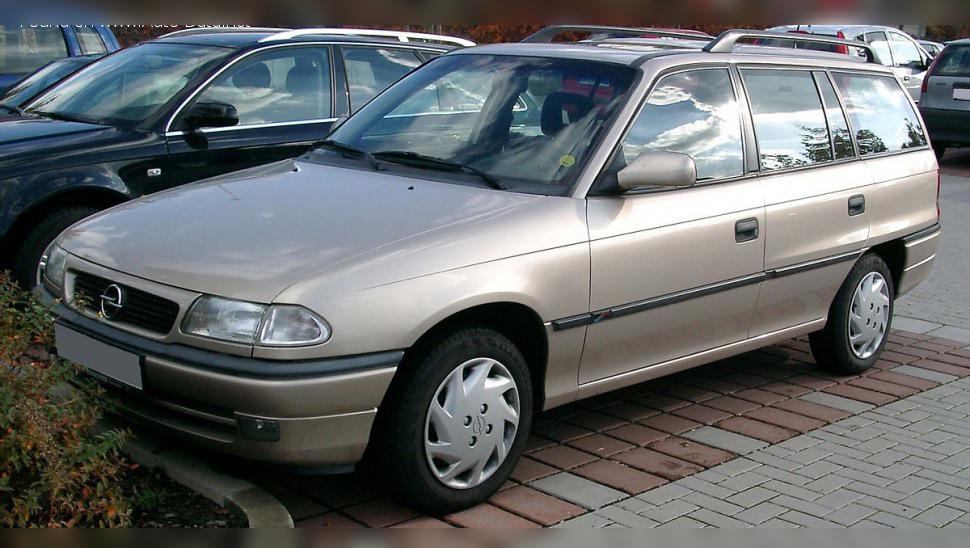
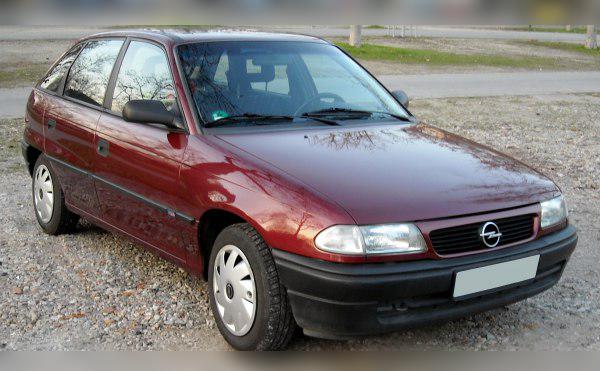
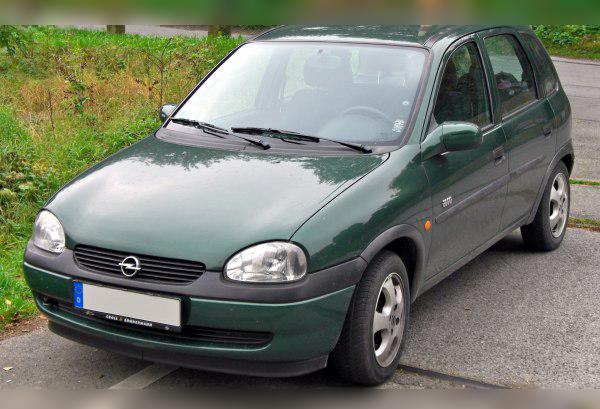
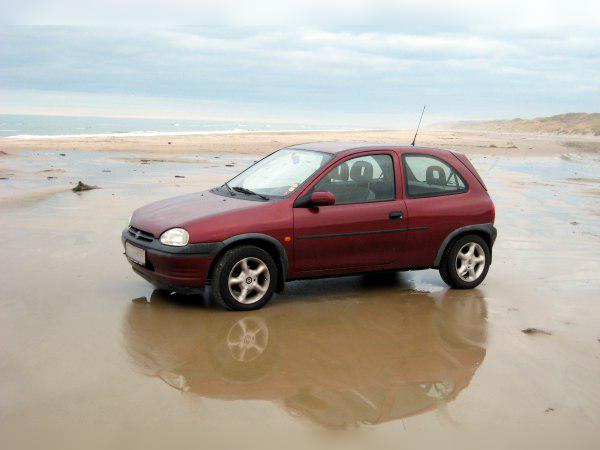
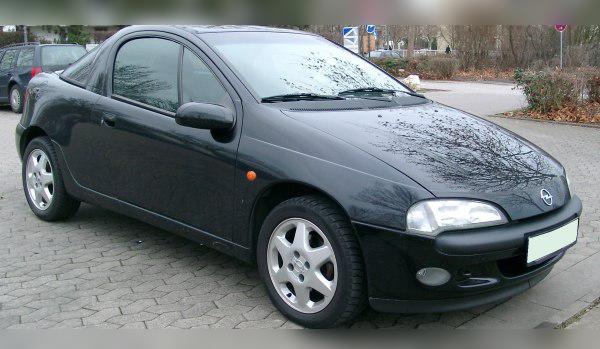
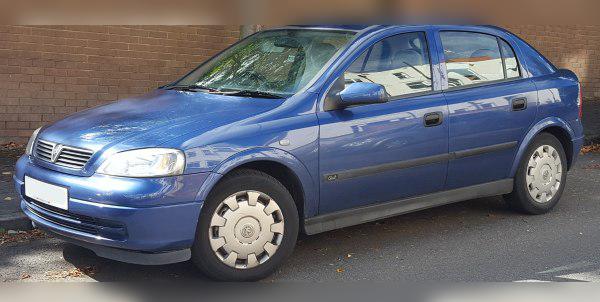
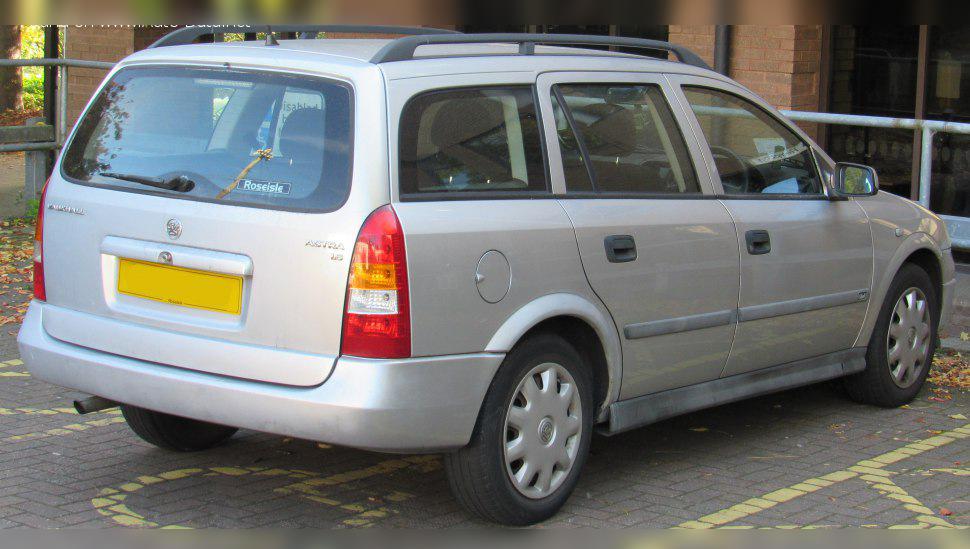
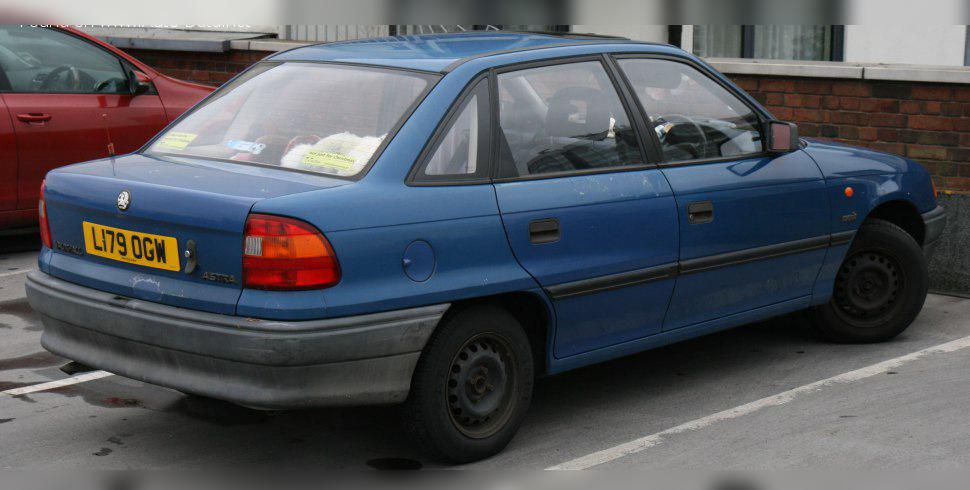
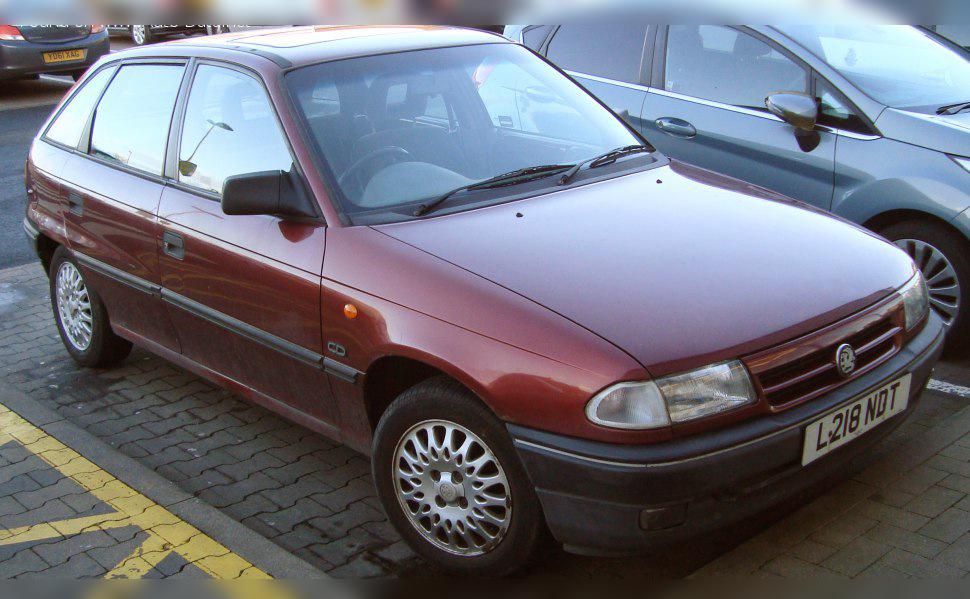
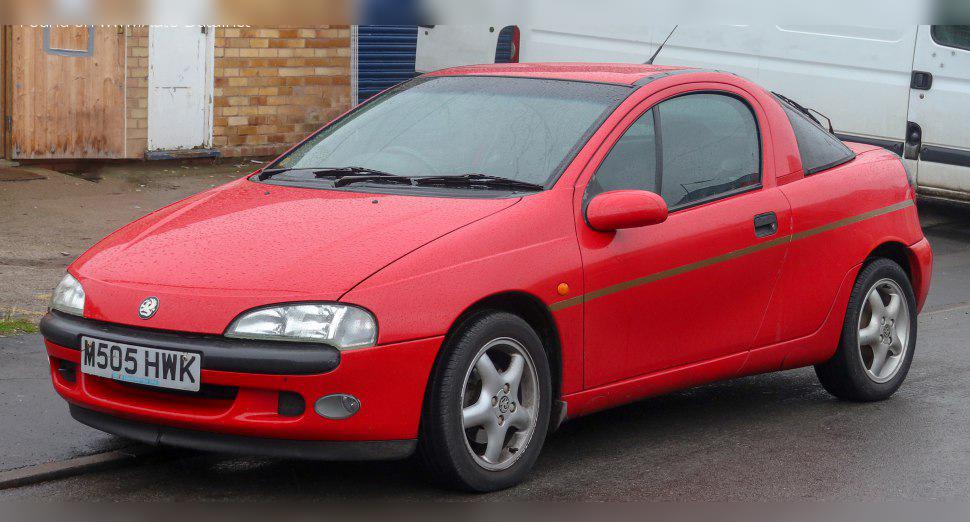
When talking about Opel engines from the nineties and early 2000s, the Ecotec family holds a special place. The engine designated as X14XE is a 1.4‑liter naturally aspirated petrol unit with 16 valves, producing 90 HP. It was installed in a wide range of vehicles, starting from smaller and lighter models such as the Opel Corsa B and the attractive Tigra A, all the way to larger family cars like the Astra F and Astra G (as well as their Vauxhall equivalents).
This powerplant was conceived as an optimal balance between performance and economy for its time. It is important to note that pre‑ and post‑facelift versions (e.g. on the Astra F and Corsa B) kept the same mechanical layout, but over the years went through minor changes to the electronics and exhaust emission control systems in order to meet the Euro standards of that era.
Technical specifications
| Parameter | Data |
|---|---|
| Engine displacement | 1389 cc |
| Power | 66 kW (90 HP) |
| Torque | 125 Nm |
| Engine code | X14XE |
| Injection type | Multi-point injection (MPI) |
| Aspiration | Naturally aspirated |
Reliability and maintenance
Timing system and major service
The X14XE uses a timing belt, not a chain. The timing system is the Achilles’ heel of this engine if maintenance is neglected. The system has several rollers and tensioners, and the water pump is also part of the timing assembly. The major service must be done at a maximum of 60,000 km or every 4 to 5 years. If this interval is ignored, timing belt failure or water pump seizure is very common. There are usually no symptoms until it is too late, and the consequence is contact between pistons and valves, which results in an expensive engine overhaul.
Most common failures and oil consumption
This engine is known for a few specific issues. The first is rough idling. The usual culprits are a dirty EGR valve or a faulty idle air control valve (better known as the stepper motor). The driver notices this when the car stalls when stopping at traffic lights, the revs fluctuate, or the engine hesitates and responds poorly to throttle input from low rpm.
As for lubrication, this engine takes about 3.5 liters of oil, and the recommended viscosity is usually 10W‑40 (semi‑synthetic), although 5W‑40 is also used in some climate conditions. Oil consumption between services is almost a regular occurrence. Due to the specific design and age, valve stem seals harden over time and the piston rings lose their sealing. It is considered normal for this engine to consume 0.3 to 0.5 liters of oil per 1000 km. If you notice bluish smoke from the exhaust on first cold start in the morning or under sudden hard acceleration, it is time to refresh the engine (replace valve stem seals and piston rings).
Spark plugs and ignition
Since this is a petrol engine, regular spark plug replacement is crucial for smooth running and optimal fuel consumption. Replacement is recommended every 30,000 to 40,000 km. If the car runs on LPG, this interval should be shortened and spark plugs specifically designed for LPG should be used for better combustion, while the ignition coil pack (DIS module) requires correct plugs so it does not burn out due to excessive resistance.
Specific parts and costs
The good news for owners and potential buyers is that maintaining this engine is quite affordable. Parts prices are low to moderate (depending on the market).
Dual-mass flywheel: This engine does not have a dual-mass flywheel, but uses a classic (solid) flywheel, which drastically reduces clutch replacement costs. A clutch kit is not expensive (depends on the market).
Fuel injection system: It uses standard multi‑point injection (MPI) into the intake manifold. Injectors are very reliable, rarely fail and usually require nothing more than occasional ultrasonic cleaning if you notice hesitation or power loss.
Turbocharger and filters: The X14XE is a pure naturally aspirated engine and has no turbocharger, so there are no related risks or expensive repairs. Being an old‑school petrol engine, it has no DPF filter or AdBlue system. It does have a catalytic converter and the aforementioned EGR valve. The EGR is prone to soot build‑up, especially if the car is often driven in the city at low revs. Many owners opt for software and physical EGR blanking (where legally allowed) to permanently solve engine hesitation issues.
Fuel consumption and performance
With its 90 HP and 125 Nm of torque, the X14XE offers a different driving experience depending on the car it is installed in.
Is the engine sluggish?
In light models such as the Opel Corsa B and Tigra A, this engine is very lively, the car accelerates well and provides a sporty driving feel. However, when it sits under the bonnet of an Astra G (estate or hatchback), the engine struggles with the vehicle’s weight. There it feels somewhat “sluggish”, especially on climbs or under full load at low revs, so it requires more frequent shifting and driving at higher revs to extract the maximum power.
Fuel consumption
Real‑world city consumption ranges between 8.5 and 10 l/100 km, depending on vehicle weight and driving style. On open roads, with smooth driving, consumption can drop to around 6 to 6.5 liters.
Motorway driving
On the motorway, aerodynamics and the short gear ratios become apparent. At a cruising speed of 130 km/h in fifth gear, the engine spins at a relatively high 3,700 to 4,000 rpm. Because of this, cabin noise is increased and fuel consumption rises above 7.5 liters. This powerplant does not feel at its best at constant high speeds.
Additional options and modifications
LPG (autogas) conversion
This is one of the best characteristics of this engine – the X14XE absolutely loves LPG (autogas). Installing a sequential LPG system goes smoothly and without issues. The valves and cylinder head are durable, and there is no need for additional valve lubrication systems. Running on LPG drastically reduces running costs, with an almost imperceptible power loss if the LPG map is properly tuned.
Remapping (Stage 1)
As a classic naturally aspirated engine without a turbo, remapping this engine is not cost‑effective. A “Stage 1” remap on the X14XE can yield at most 5 to 7 HP and a few Nm of torque. In practice, the driver will hardly notice this, so such a modification is not recommended as it is essentially a waste of money.
Gearbox and drivetrain
The X14XE was paired with classic 5‑speed manual gearboxes (most commonly from the F13 or F15 series) and 4‑speed automatic gearboxes made by Aisin.
Manual gearbox
The manual gearboxes are mechanically very robust. The main issue that appears is wear in the gear linkage (gear selector mechanism). The symptom is a “loose” gear lever and difficulty engaging first or second gear. Fixing this fault is not expensive (depends on the market) and usually involves replacing the plastic selector bushes. The oil in the manual gearbox is normally only checked and topped up, but due to the age of these cars, a complete gearbox oil change is strongly recommended if it has not been done in the last 100,000 km.
Automatic gearbox
The 4‑speed automatic gearbox is quite reliable if properly maintained, although it robs the car of a fair bit of performance and increases city fuel consumption by more than 1.5 l/100 km. Failures are most often caused by irregular oil changes, which lead to jerking during gear changes, delayed shifting or gearbox “slipping”. Servicing the automatic gearbox (oil and filter change) is mandatory every 60,000 km to keep the system durable.
Buying used and conclusion
What to check before buying?
When inspecting a car with the X14XE engine, pay attention to the following:
- Cold start and smoke: Make sure the seller does not start the car before you arrive. Start it cold and watch the exhaust. If it emits a blue cloud of smoke that disappears after a couple of minutes, this is a clear sign that the valve stem seals are worn and the engine is burning oil.
- Idling: Once the engine is warm, the rev counter needle should be steady. If the needle “jumps” or the car stalls, be prepared to clean the throttle body, EGR valve and replace the idle control valve (stepper motor).
- Oil leaks: These engines are prone to oil leaks at the valve cover gasket and crankshaft oil seal. Check whether the engine has been washed before sale or if there are fresh oil traces on the block.
- Noise from the timing area: Listen to the engine around the timing belt area. Rattling or grinding noises indicate a worn water pump or rollers – an urgent major service is required.
Conclusion
The Opel X14XE 1.4 16V engine is intended for drivers looking for a cheap and simple everyday car to get from point A to point B. It is ideal for beginners or people planning to install an LPG system for maximum savings. It is not a speed champion, it is noisy on the motorway and will probably require topping up oil, but with regular maintenance (especially of the timing belt) and a basic understanding of its mechanics, it is very unlikely to leave you stranded with huge repair bills like those we often see with modern engines.