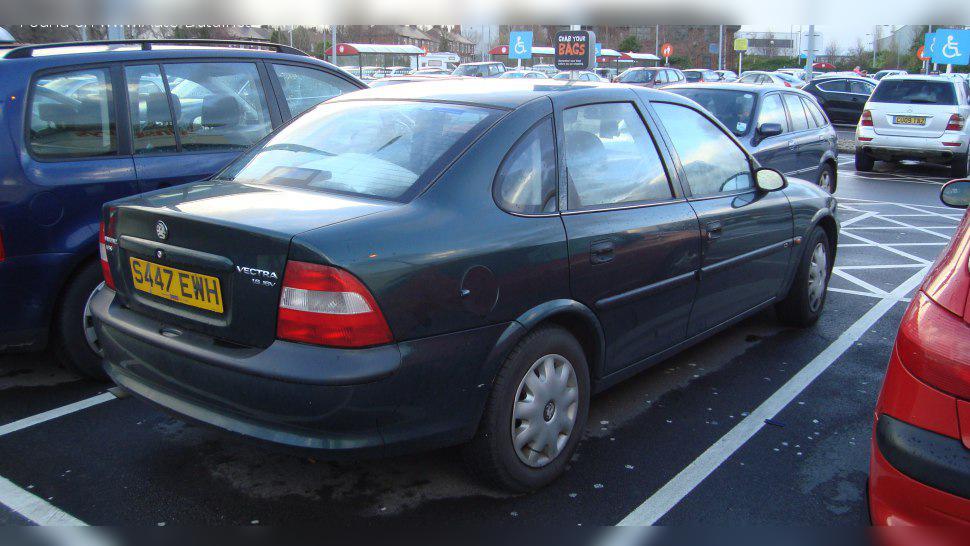
Engine X16SZR 1.6 8V (75 HP): Experiences, issues, fuel consumption and used car buying tips
- No expensive failures: The absence of a dual-mass flywheel, turbocharger and modern injectors makes it extremely cheap to maintain.
- Ideal for LPG: This engine handles LPG (autogas) perfectly, which makes driving extremely economical.
- Very weak performance: With only 75 HP, in heavier bodies (such as the Astra G and Vectra B) the engine is quite sluggish and slow.
- Typical EGR valve problems: Fluctuating idle and jerking while driving are most often caused by a dirty EGR valve or idle stepper motor.
- Cheap parts: Timing belt service and clutch kit fall into the category: not expensive (Depends on the market).
- Intended for calm drivers: If speed is not your priority and you are looking for reliability and cheap transport from point A to point B, this is an excellent choice.
Contents
- Introduction
- Technical specifications
- Reliability and Maintenance
- Specific Parts (Costs)
- Fuel Consumption and Performance
- Additional Options and Modifications
- Gearbox
- Buying Used and Conclusion
Introduction
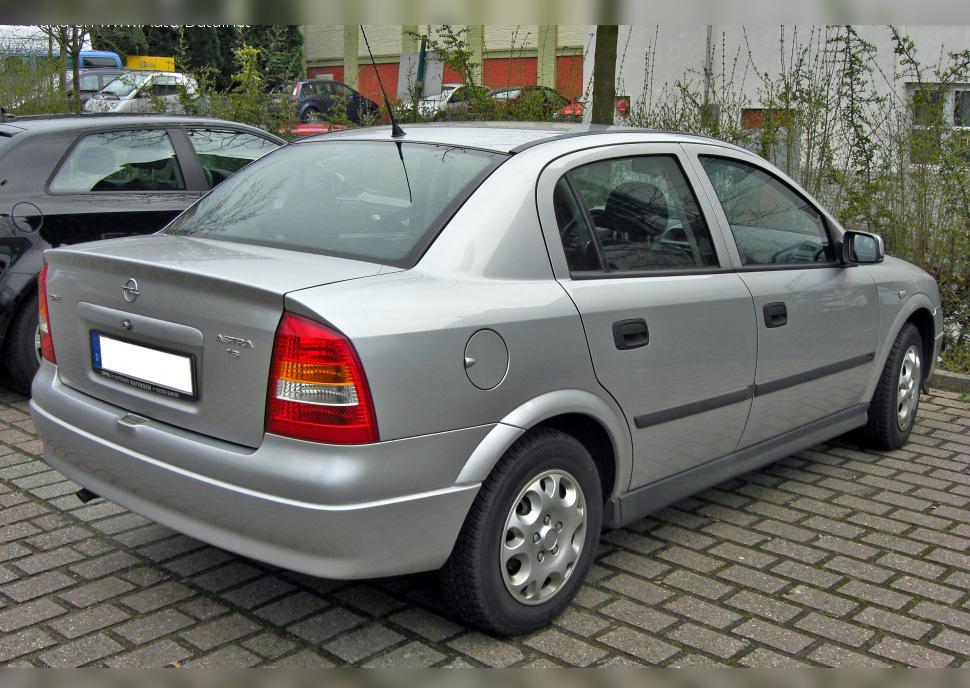
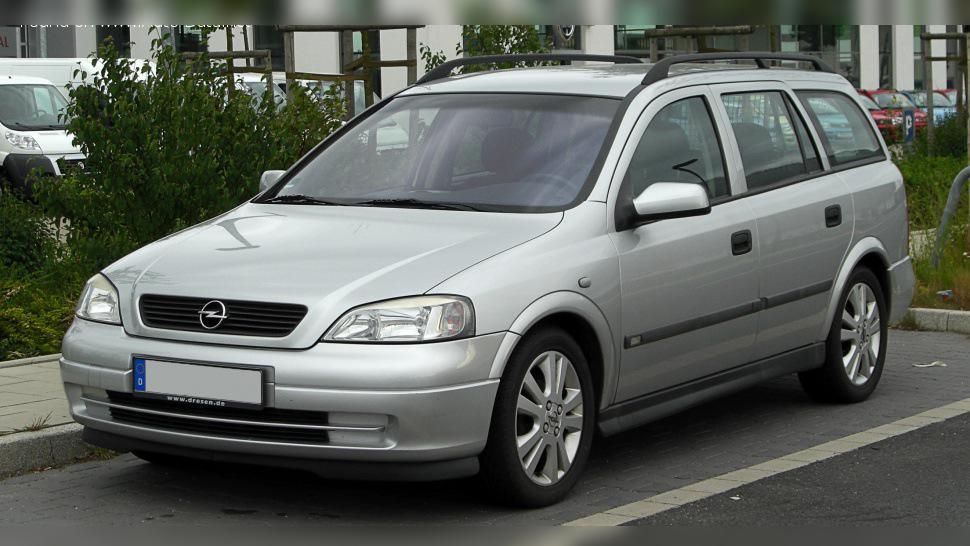
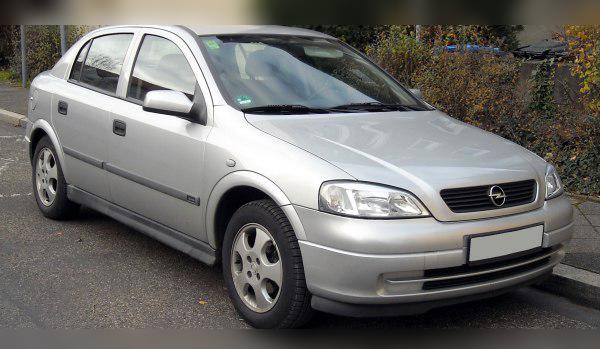
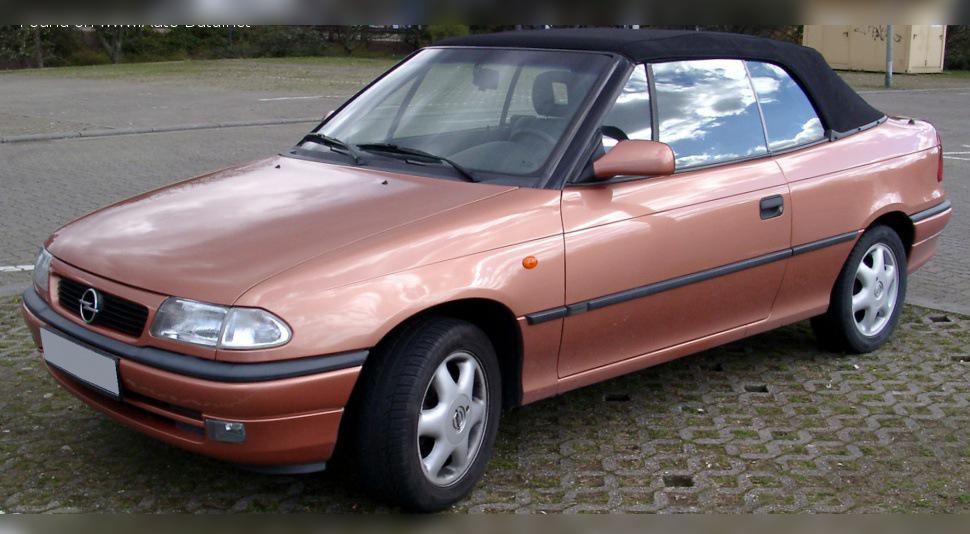
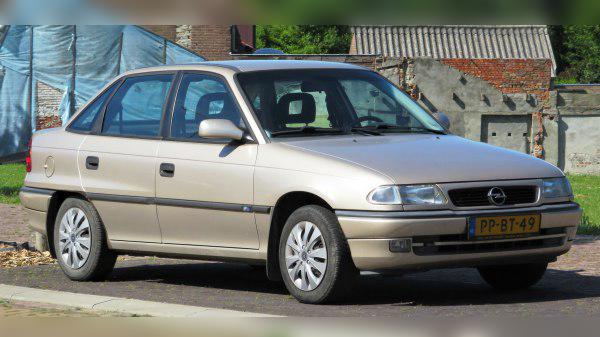
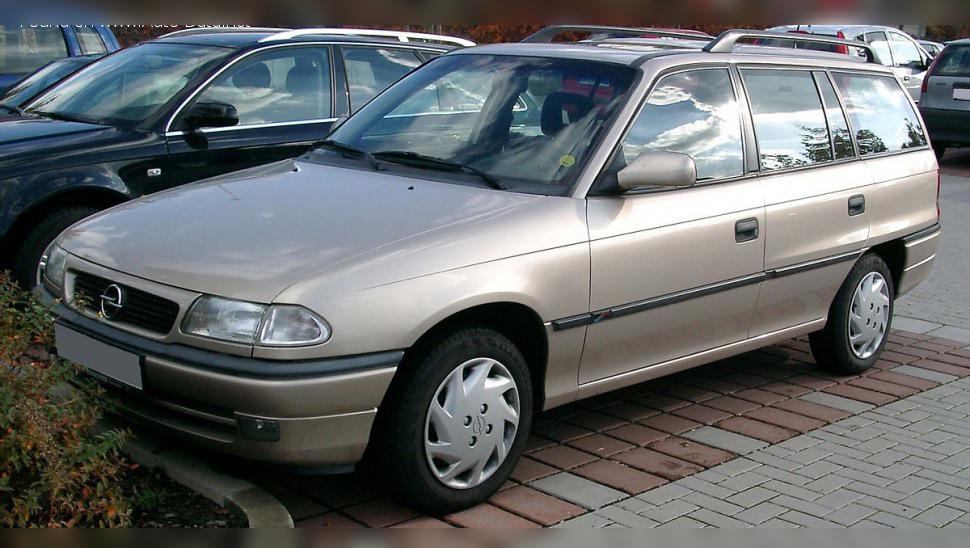
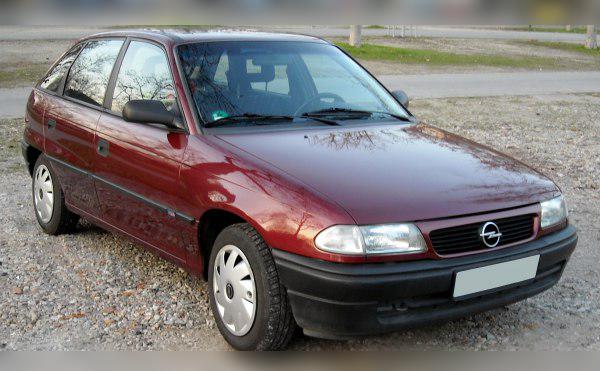
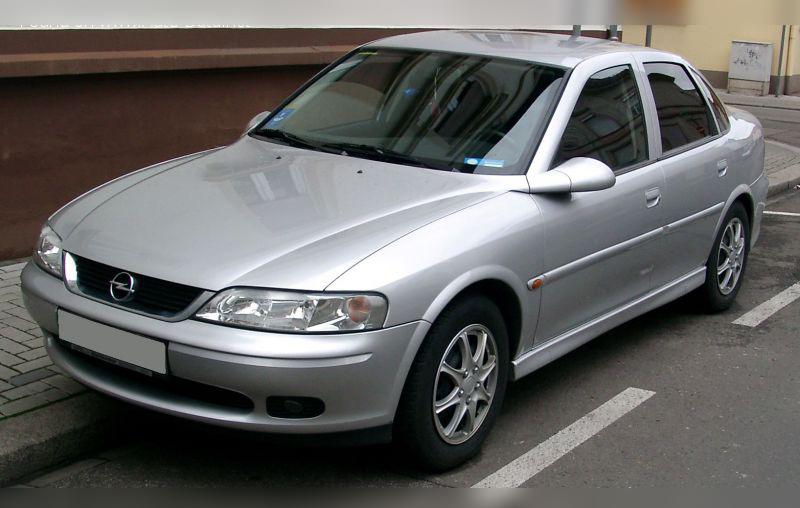
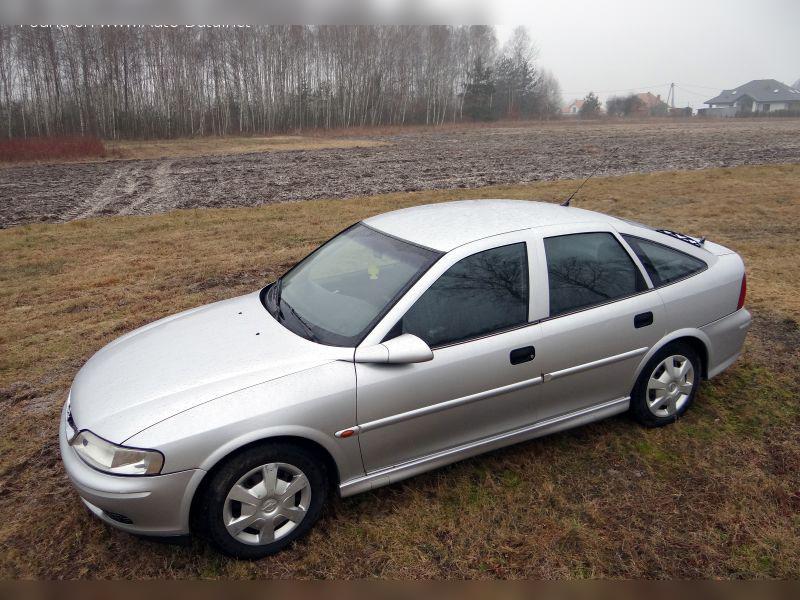
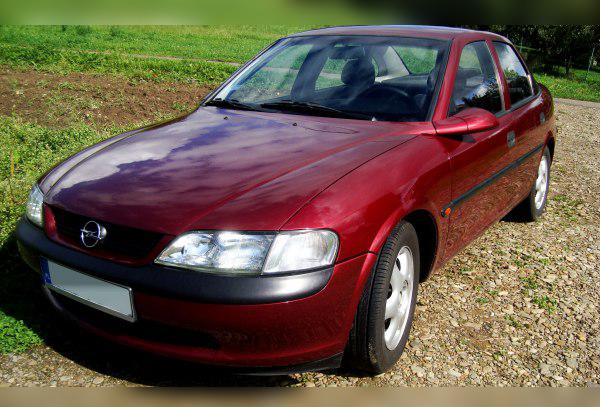
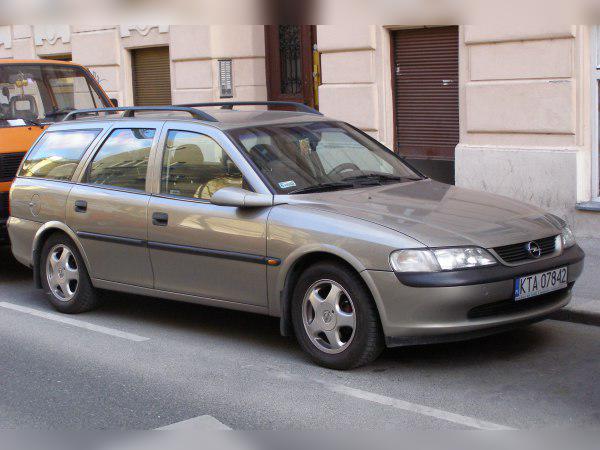
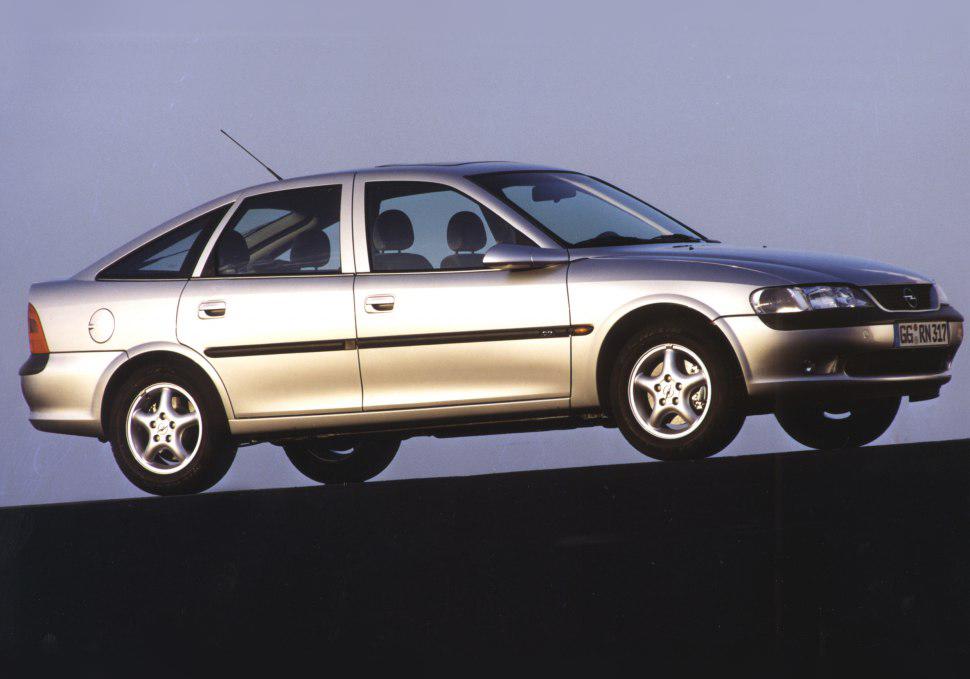
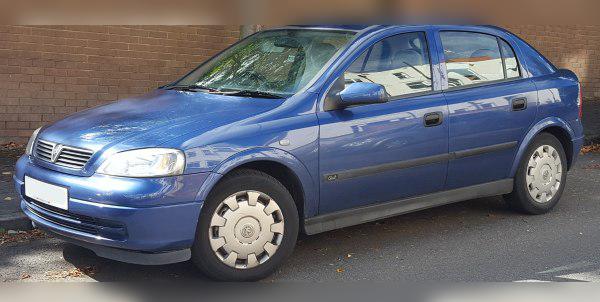
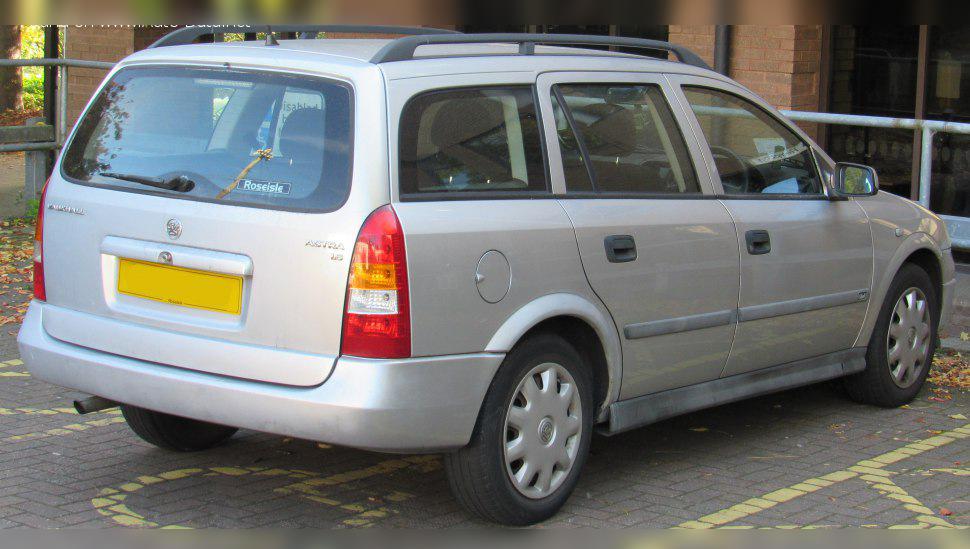
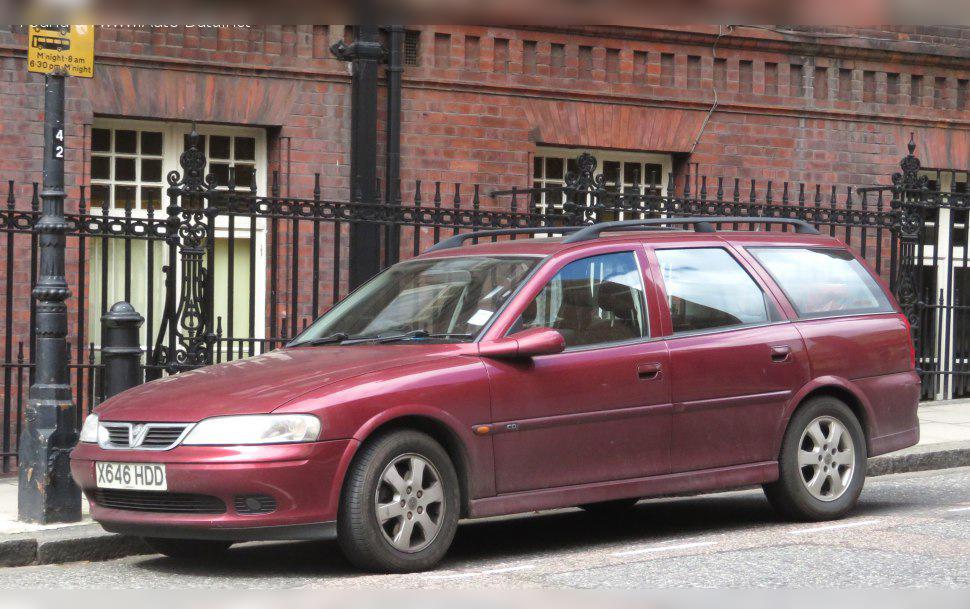
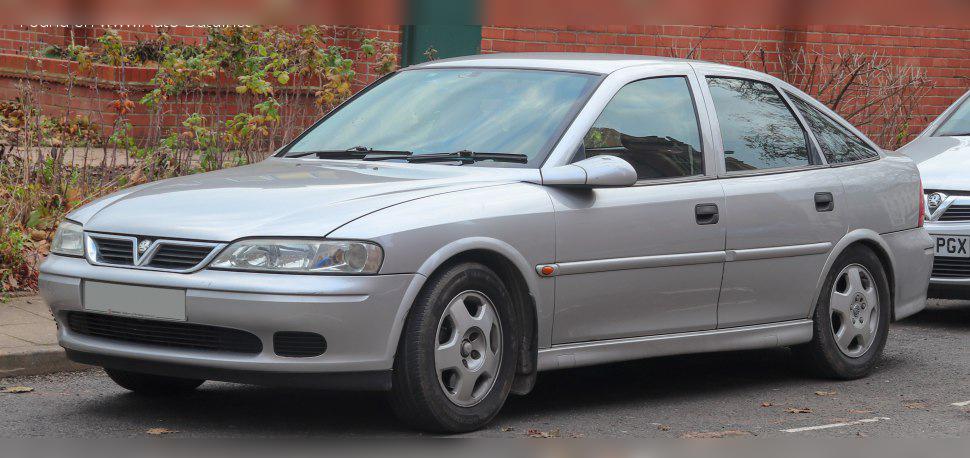
The engine designated as X16SZR is a legendary Opel power unit from the 1990s, which continued its life into the early 2000s. It is a classic 1.6‑liter petrol engine with only 8 valves and a single overhead camshaft. It was installed in a wide range of vehicles, starting from the lighter Astra F, through the Astra G, all the way to the relatively heavy Vectra B (as well as their Vauxhall twins). Its main characteristic is not power – on the contrary, it offers a modest 75 horsepower – but indestructibility, mechanical simplicity and the possibility of maintenance at minimal cost. This is a typical representative of the old school of engine design, created before the era of strict environmental regulations (it meets Euro 2 standard).
Technical specifications
| Parameter | Specification |
|---|---|
| Engine displacement | 1598 cc |
| Power | 55 kW (75 HP) |
| Torque | 128 Nm |
| Engine code | X16SZR |
| Injection type | Single-point injection (Multec SPI) |
| Intake type | Naturally aspirated (No turbo) |
| Number of valves | 8 valves (OHC) |
| Fuel type | Petrol (Gasoline) |
Reliability and Maintenance
The mechanics of this engine are so simple that practically any local mechanic can repair it with their eyes closed. Instead of a chain, this engine uses a timing belt. The system is so lightly stressed that failures are rare, but replacement must be done regularly.
Most common failures and symptoms
Although extremely durable, the X16SZR has its “childhood diseases” that appear with age. The most common problem is the EGR valve, which gets dirty due to soot build-up, as well as the idle stepper motor. The driver will notice this as rough idle (the tachometer needle jumps), jerking at low revs and stalling when pressing the clutch while approaching a traffic light. Another frequent issue is oil leakage from the valve cover gasket. Fortunately, replacing this gasket is very cheap and can be done in about ten minutes. A faulty ignition coil pack (ignition module) may manifest itself as the engine running on three cylinders and losing its already modest power.
Service intervals and oil
The major service on this engine is recommended every 60,000 km or every 4 to 5 years, depending on which comes first. The procedure itself is simple, and the parts fall into the category: not expensive (Depends on the market).
As for engine oil, the X16SZR takes about 3.5 liters of oil. Semi-synthetic oil of 10W‑40 grade is most commonly recommended, considering the clearances and age of the technology. These engines are known to consume some oil, and consumption of 0.2 to 0.5 liters per 1000 km is often considered normal due to age. If it consumes more than that, the cause is usually worn valve stem seals, and replacing them solves the problem of blue smoke from the exhaust on cold start or sudden throttle after engine braking.
As a classic petrol engine, it requires regular spark plug replacement. It is recommended to install quality spark plugs every 30,000 to 40,000 km to keep combustion optimal and to protect the coil pack from excessive load.
Specific Parts (Costs)
This is the section where owners of this engine save the most. The unit does not have a dual-mass flywheel, but uses a classic solid flywheel, which means that replacing the clutch kit is cheap and does not carry the hefty costs associated with modern diesels.
The injection system is SPI (Single Point Injection). This means that the engine does not have four separate injectors for each cylinder, but only one main injector above the throttle body that mixes fuel with air (similar to a carburetor, but electronically controlled). This injector is almost indestructible and failures on it are statistically negligible.
The engine is naturally aspirated, which means it does not have a turbocharger or an intercooler, eliminating another potential source of high maintenance costs.
As an older-generation petrol engine, it does not have a DPF filter and does not use AdBlue fluid. However, as mentioned earlier, it does have an EGR valve. It constantly gets dirty, so many owners resort to mechanically blocking the EGR valve with a blanking plate, after which the engine often runs more smoothly, and error codes on the dashboard with this generation of engines usually do not cause major issues with the ECU.
Fuel Consumption and Performance
If you are expecting dynamic driving, you will not find it here. With its 75 HP and 128 Nm of torque, the engine is extremely “lazy”. In the lighter Astra F it still manages somehow, but in the Astra G, and especially in the heavy Vectra B (particularly the estate version), every kilogram can be felt. Acceleration is slow, and overtaking on open roads requires good judgment, a run-up and dropping to a lower gear.
Because the engine has to work harder to move the heavy body, real-world fuel consumption in city driving is often not low and ranges between 9.5 and 11 l/100 km, depending on driving style and traffic.
On the motorway, the situation is not ideal for long trips. The gearbox has short ratios (to compensate for the lack of power), which means that at a cruising speed of 130 km/h the engine runs at high revs (usually between 3,800 and 4,000 rpm). The cabin then becomes quite noisy and fuel consumption rises significantly.
Additional Options and Modifications
This unit is one of the best engines for LPG conversion. It can handle even the most basic venturi systems on the intake without major consequences for the intake manifold, although sequential LPG is always recommended. Due to the low compression ratio and simple materials, the valves do not wear out quickly under LPG. Driving on LPG halves running costs, which makes it a favorite workhorse.
As for “chipping” (Stage 1 software tuning), it is absolutely pointless on this engine. Since it is an old naturally aspirated engine without a turbo and with single-point injection, changing the maps will not bring any noticeable gain – at most 4–5 HP, which you will not feel in real driving. Investing money in chipping this engine is a pure waste.
Gearbox
The X16SZR was paired with five-speed manual gearboxes (mostly F13 or F15 models) and four-speed Aisin automatic gearboxes.
Manual gearbox
They are very reliable, but the biggest weak point is the gear linkage (gear selector mechanism). Over time, the plastic and rubber bushings in the mechanism under the gear lever wear out, which results in the gearbox becoming imprecise, with a lot of “play”, and the driver having difficulty engaging first or second gear. The repair is, fortunately, routine and falls into: not expensive (Depends on the market). Officially, the oil in these gearboxes is “lifetime” (does not need changing), but in practice it is advisable to refresh the oil every 80,000 to 100,000 km for the sake of synchro longevity. As mentioned, there is no dual-mass flywheel, so the cost of installing a new clutch kit (pressure plate, disc, release bearing) is quite affordable: not expensive (Depends on the market).
Automatic gearbox
The four-speed automatic is a classic torque-converter design. It is extremely robust, but further strangles the already weak performance of the engine (cars with this engine and an automatic gearbox are drastically slow). Failures are rare, provided the gearbox does not overheat and the oil is changed regularly, ideally every 60,000 km.
Buying Used and Conclusion
When buying a car with the X16SZR engine, focus on a visual and auditory inspection. The most important things to check are:
- Exhaust smoke color: Blue smoke when revving or on first start-up indicates worn valve stem seals.
- Idle quality: If the car hesitates, bogs down or has fluctuating idle, expect to remove and clean the EGR valve and throttle body, or to replace the idle stepper motor.
- Oil traces: Oil around the valve cover and below the distributor is normal for its age, but check that it is not leaking heavily from the crankshaft oil seals, which would require more extensive work.
- Coolant condition: Look at the expansion tank. If there are traces of oil (“mayonnaise”), the head gasket may have failed.
Final word: Who is this engine for? Exclusively for drivers who do not care about performance, acceleration and overtaking. If you are buying an Astra G or Vectra B for relaxed family driving, commuting, carrying tools, and you want to install LPG and minimize visits to the mechanic – the X16SZR is a brilliant choice. It is simple mechanical engineering from a time when engines were designed by engineers, not economists and environmentalists.