Engine X16XEL (1.6 16V): Ownership Impressions, Issues, Fuel Consumption and Buying Used
Key points (TL;DR)
- Oil consumption: The biggest downside of this engine. Factory‑poor piston rings and valve stem seals often lead to consumption of more than 1 liter per 1000 km.
- Timing belt maintenance: Strictly following the timing belt service interval is mandatory. A snapped belt causes total engine failure.
- EGR valve: Prone to frequent clogging and sticking, which causes jerking and rough idle.
- Cheap maintenance: No dual‑mass flywheel, no turbocharger, and suspension and mechanical parts are very affordable.
- LPG (autogas): The engine handles sequential LPG systems very well, which drastically cuts running costs.
- Performance: Decent in lighter bodies (Astra), but quite “sluggish” in heavier models like the Vectra B Caravan.
Contents
- Introduction: About the X16XEL engine
- Technical specifications
- Reliability and maintenance
- Specific components and systems
- Fuel consumption and performance
- Additional options and modifications
- Gearbox and drivetrain
- Buying used and conclusion
Introduction: About the X16XEL engine
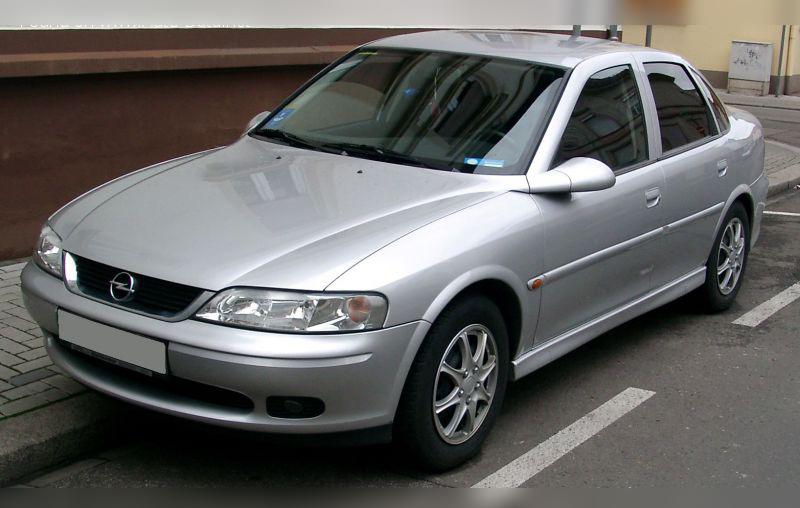
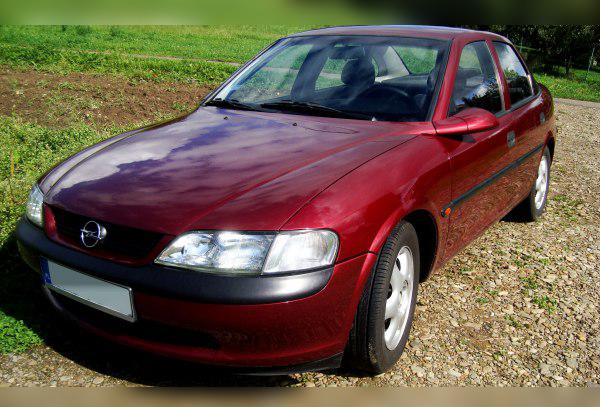
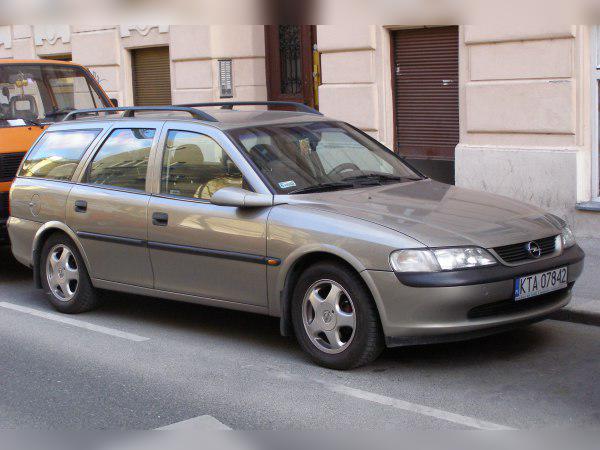
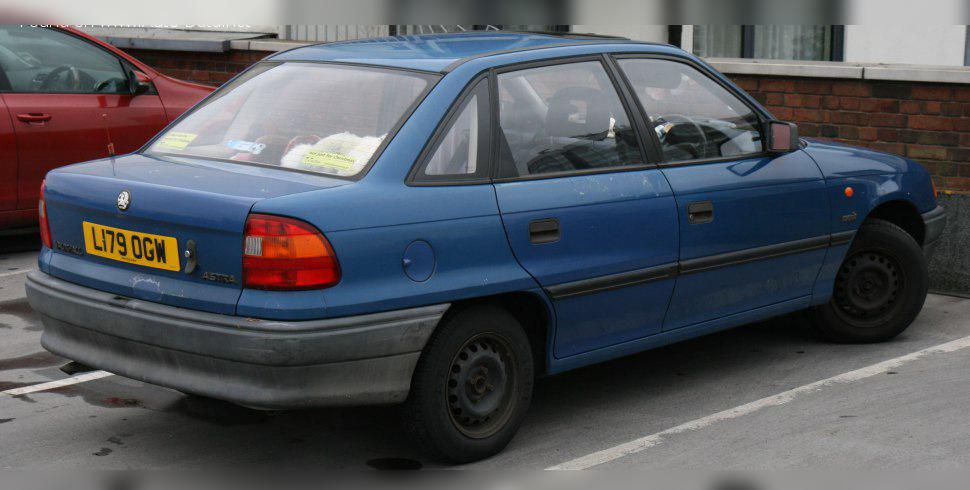
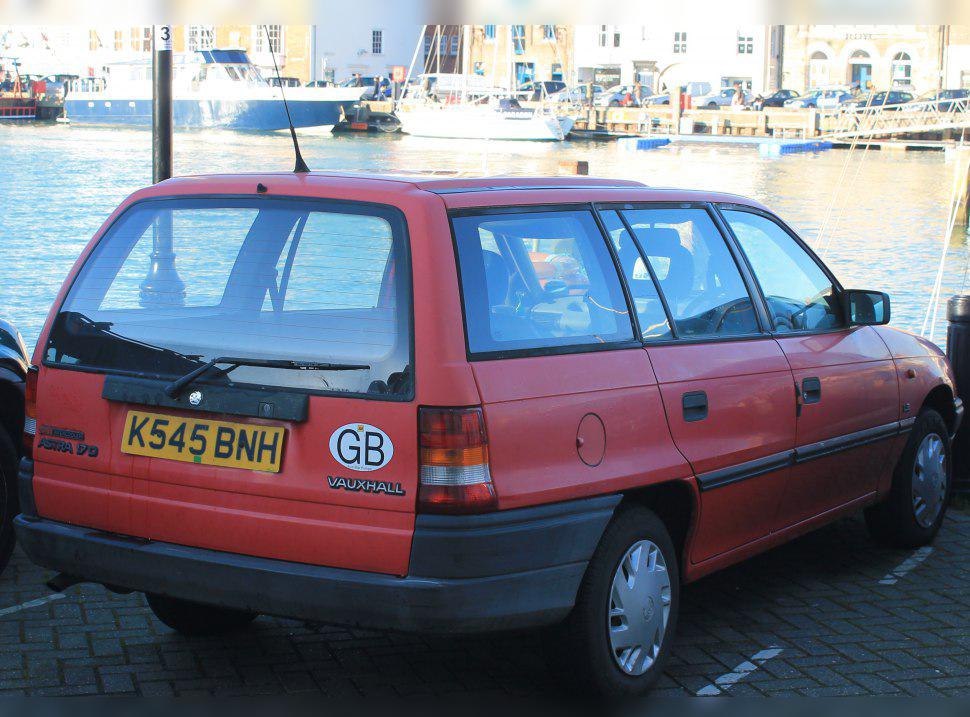
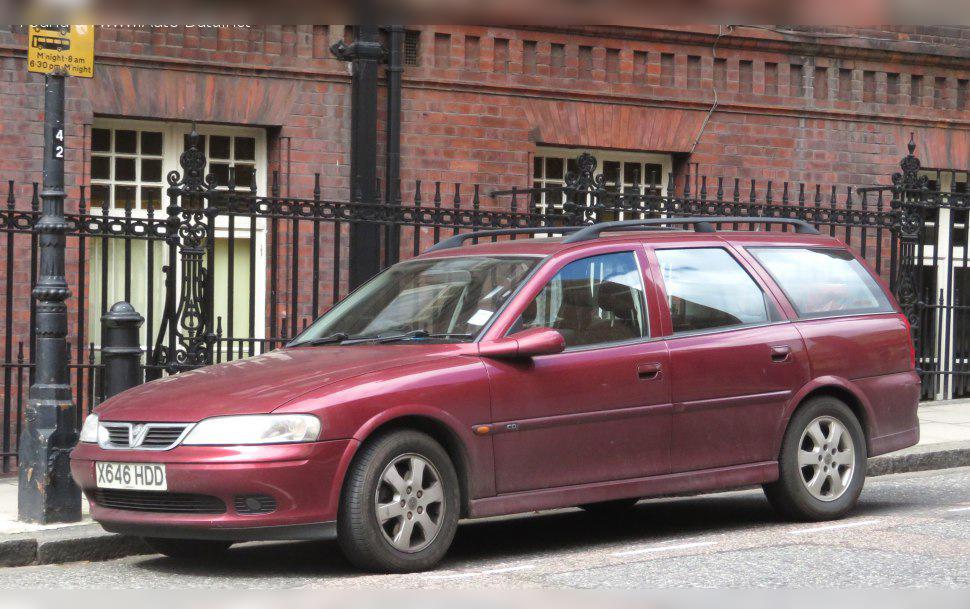
When Opel’s late‑90s Ecotec engine series is mentioned, the X16XEL code brings back very mixed memories for both drivers and mechanics. It is a naturally aspirated 1.6‑liter petrol engine with 16 valves, producing a round 100 horsepower. It was one of the most common engines in Europe at the time, fitted to high‑volume models such as the Opel Vectra B (including facelift versions), Astra F (Mk III) and Astra G (Mk IV), in both saloon and heavy estate versions.
This unit represents a transitional generation of technology – it brought more power and better emissions (Euro 2 standard, later tweaked towards higher standards) compared to the old 8‑valve engines, but it also introduced some specific teething problems that every potential buyer needs to be aware of.
Technical specifications
| Specification | Data |
|---|---|
| Displacement | 1598 cc |
| Power | 74 kW (100 hp) at 6000 rpm |
| Torque | 150 Nm at 3600 rpm |
| Engine code | X16XEL |
| Injection type | Multi‑point electronic injection (Multec) |
| Induction | Naturally aspirated |
| Fuel | Petrol (gasoline) |
Reliability and maintenance
Timing drive and service intervals
The X16XEL uses a timing belt to drive the camshafts. This is extremely important because this engine is an interference design – if the belt snaps, the pistons hit the valves and cause catastrophic damage that requires serious cylinder head machining. The major timing service on this unit must be done every 60,000 km or every 4 years, whichever comes first. During the service, all idlers, tensioners and the water pump must be replaced, because a failed pump bearing is a common cause of the belt jumping or coming off.
Oil consumption and viscosity
This is probably the best‑known weakness of this engine. The lubrication system requires about 3.5 liters of oil at change. The factory recommended 10W‑40 or 5W‑40 grades. However, the X16XEL is notorious for high oil consumption between services. The problem lies in the design of the piston rings, which tend to seize up over time, and in the Teflon valve stem seals, which harden from heat.
As a result, the engine starts burning oil. A consumption of 0.5 liters per 1000 km was, unfortunately, often considered “normal” factory tolerance for this old Ecotec back then, although in practice it is a warning sign. It is not uncommon for neglected examples to use more than 1 liter of oil per 1000 km. Drivers can notice this by bluish smoke from the exhaust, especially on cold start in the morning or when flooring the throttle after a long downhill run (engine braking).
Spark plug replacement
Since this is a petrol engine with a sensitive ignition module (DIS coil pack mounted directly above the plugs on some versions, or a more traditional twin‑coil setup), regular spark plug replacement is critical. Replacement is recommended every 30,000 to 40,000 km. If the interval is stretched, increased resistance can burn out the coil pack, and that is a repair that falls into the “quite expensive” category (depending on the market).
Specific components and systems (costs)
Injection and emissions systems
The Multec injection system is very robust. Petrol injectors on this engine rarely cause trouble, unless the car has been run for years on poor‑quality fuel with lots of contaminants. Ultrasonic injector cleaning usually cures any “hiccups”.
As this is an older‑generation naturally aspirated engine, it does not have a turbocharger, a DPF filter or an AdBlue system. Because of that, you won’t be dealing with the very expensive components typical of modern diesels.
EGR valve: Owners’ nightmare
Although there is no DPF, the X16XEL does have an EGR valve (exhaust gas recirculation valve), and it is one of the most common sources of problems. Due to the intake manifold design and the aforementioned oil consumption, a lot of soot is created in the exhaust, which quickly clogs the EGR valve. Symptoms include: jerking at low revs, stalling at traffic lights, rough idle and the “Check Engine” light coming on. Replacement is possible, but in practice many mechanics physically blank off this valve and disable it in the software to solve the problem permanently.
Fuel consumption and performance
City driving and weight
In real‑world conditions, the 1598 cc engine is not particularly economical by today’s standards. Urban fuel consumption ranges from 9.5 to 11 l/100 km, depending on how heavy your right foot is and on traffic conditions.
As for performance, the answer depends heavily on the body style. In the lighter Astra, the engine offers decent agility. However, in the Vectra B Caravan (estate), this engine is quite “sluggish”. With only 150 Nm of torque available in the mid‑range, the heavy car requires frequent gear changes and revving high if you want brisk acceleration, which further increases both fuel and oil consumption.
Motorway behaviour
This engine is paired with relatively “short” gearboxes. At a cruising speed of 130 km/h on the motorway, the engine spins at around 3700 to 3900 rpm (depending on gearbox version). Because of this, it becomes noisy in the cabin and fuel consumption rises to about 7.5 to 8 l/100 km. It is not made for quiet, fast, transcontinental cruising, but rather for more moderate speeds.
Additional options and modifications
LPG (autogas) conversion
Given the petrol consumption, the good news is that the X16XEL is extremely suitable for LPG (autogas) conversion. It has no direct injection and no particularly delicate valves, so a standard sequential LPG system works flawlessly. The LPG installation pays for itself very quickly. The only important thing is to change spark plugs and leads/coil regularly, because LPG is more sensitive to weak ignition than petrol.
Remapping (Stage 1)
For small‑displacement naturally aspirated engines, software tuning is a waste of money. A safe “Stage 1” remap on this engine will bring at most 5 to 8 hp, which is absolutely imperceptible in real driving. Changing the map cannot compensate for the lack of a turbocharger. The sensible advice is to spend that money on regular maintenance and the full timing service.
Gearbox and drivetrain
Gearbox types and common issues
The X16XEL usually comes with five‑speed manual gearboxes (codes F15 or F17), as well as four‑speed automatic gearboxes (Aisin).
- Manual gearbox: Relatively reliable, but suffers from minor oil leaks (most often at the gear selector shaft seal). On hard‑driven examples, the synchros for second and third gear can make shifting more difficult. Over time, the gear selector develops a lot of play, so the gear lever becomes imprecise (replacing the plastic bushes solves the problem).
- Automatic gearbox: An old‑school conventional automatic. It is very slow and further “chokes” the engine’s performance (especially in estates), but mechanically it is extremely durable as long as it hasn’t been abused with low oil level.
Clutch and flywheel
A huge advantage of this engine compared to modern equivalents is the absence of a dual‑mass flywheel. The engine uses a standard solid flywheel. Replacing the complete clutch kit (pressure plate, disc, release bearing) is mechanically straightforward and falls into the not expensive (depending on the market) category, which significantly eases the budget when buying a used car.
Gearbox servicing
On the manual gearbox, the factory considered the oil “lifetime fill”, but in practice it should be replaced (or at least the level checked) every 80,000 to 100,000 km. On the automatic gearbox, oil and filter must be changed every 60,000 km to keep shifts smooth and to prevent burning the internal clutch packs.
Buying used and conclusion
The cars fitted with the X16XEL engine are now well into their third decade of life. Therefore, when buying, you should not focus on mileage alone, but exclusively on the current mechanical condition.
What you must check
- Exhaust smoke: The most important test. Ask someone to start a completely cold engine while you watch the exhaust. Bluish smoke means the valve stem seals are gone. During the test drive, rev the engine above 4000 rpm, lift off the throttle, and after a few seconds floor it again. If it throws out a cloud of blue smoke, the piston rings are bad and the engine is ready for a partial rebuild (which often exceeds the value of the car itself).
- Idle noise and jerking: If the engine idles roughly or the revs fluctuate, you are probably looking at throttle body cleaning or EGR valve work.
- Coolant condition: Look at the coolant reservoir. Oily patches inside, or mayonnaise‑like (whitish) sludge on the oil filler cap indicate a blown head gasket (a common failure on poorly maintained examples).
- Timing belt history: If there is no clear proof of when the timing belt was changed (invoice, sticker), your very first step after purchase must be a visit to the mechanic, without delay.
Conclusion: Who is this engine for?
Opel’s 1.6 16V (X16XEL) is a classic workhorse of its era. It is aimed at drivers on a tight budget who don’t mind a slightly rougher engine and regularly checking the dipstick. With LPG fitted, it offers extremely cheap motoring and, thanks to its simple mechanics, lack of a turbo, dual‑mass flywheel and expensive DPF systems, any local mechanic can look after it. However, avoid it in a heavy Vectra B estate with an automatic gearbox, as performance in that combination is below what is needed for safe overtaking. It is ideal in lighter Astras, where its 100 horsepower can really shine – provided you find an example with the oil consumption issue already sorted.