Opel 1.6 16V Ecotec (X16XEL) engine: Experiences, problems, fuel consumption and used-car buying tips
- In short, the most important (TL;DR):
- Extreme oil consumption is the trademark of this engine – the problem lies in the valve stem seals and piston rings.
- The EGR valve often gets dirty and sticks, which causes jerking and rough idling.
- The engine uses a timing belt with a strict replacement interval (usually at 60,000 km) due to sensitive rollers and tensioners.
- It works very well with LPG conversion, which significantly reduces running costs.
- There are no expensive failures such as a dual-mass flywheel, DPF filter or turbocharger.
- In the Astra it performs quite decently, while in the heavier Vectra B it is rather sluggish.
- Maintenance is not expensive (depends on the market), and spare parts are available everywhere.
Contents
- Introduction: Old-school Opel engineering
- Technical specifications
- Reliability, maintenance and failures
- Specific parts and costs
- Fuel consumption and performance
- Additional options and modifications
- Gearbox and clutch
- Buying used and conclusion
Introduction: Old-school Opel engineering
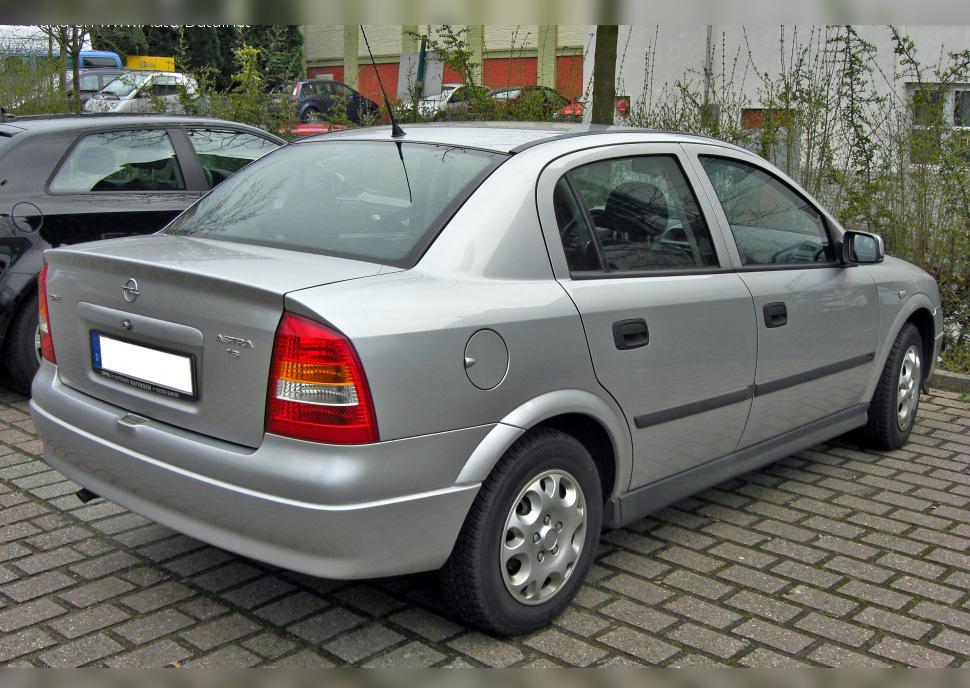
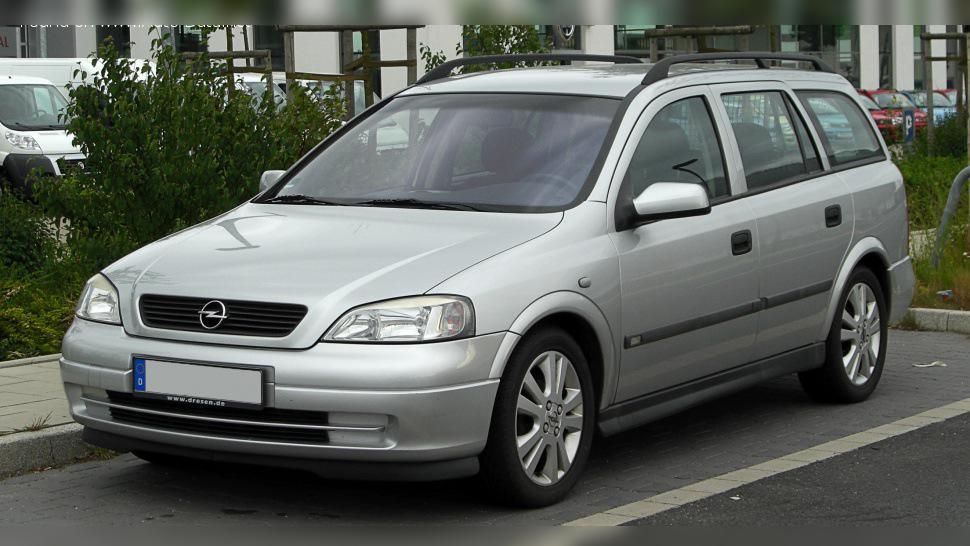
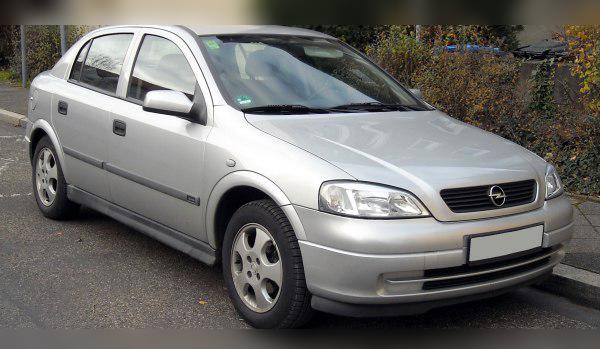
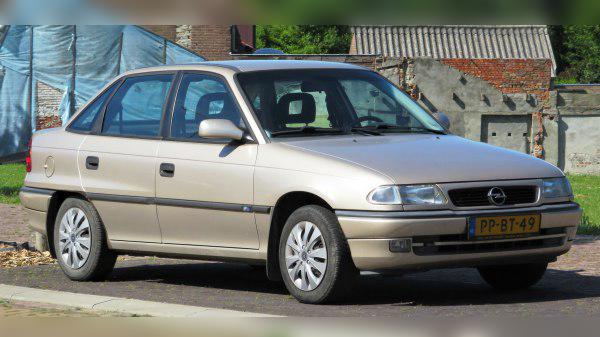
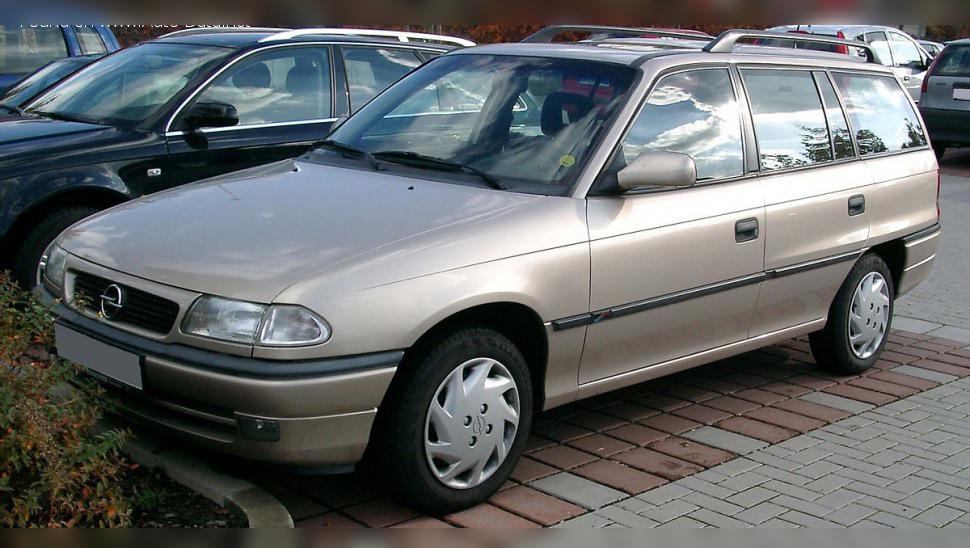
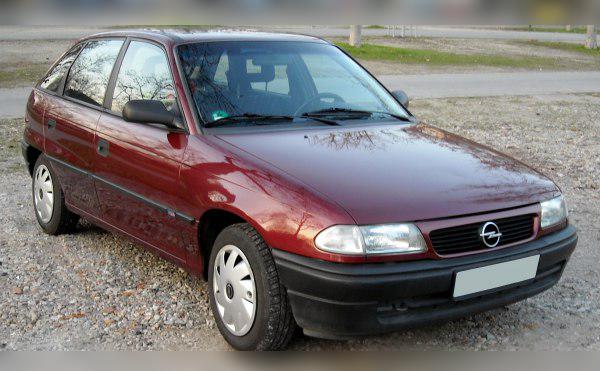
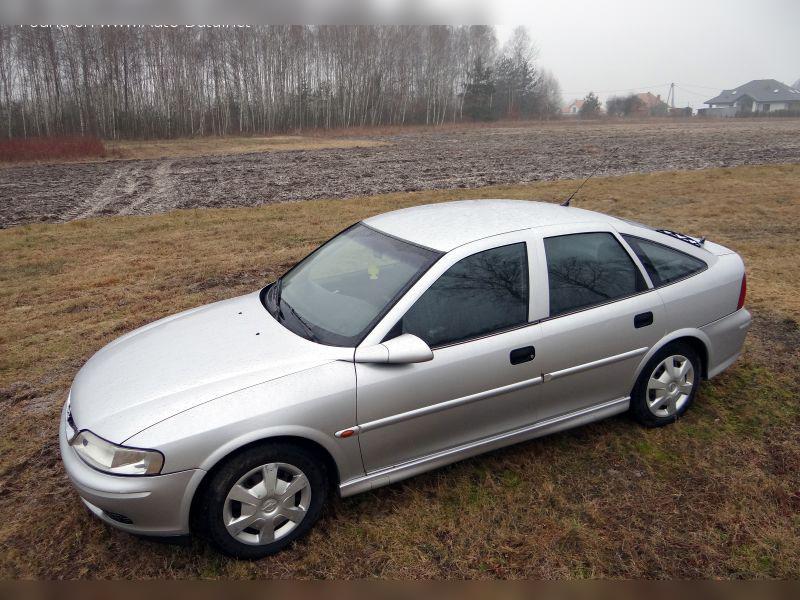
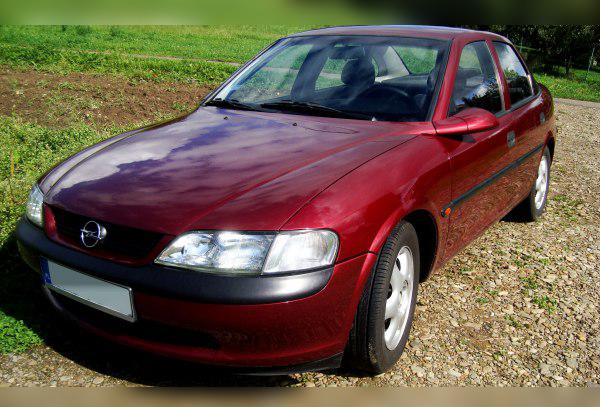
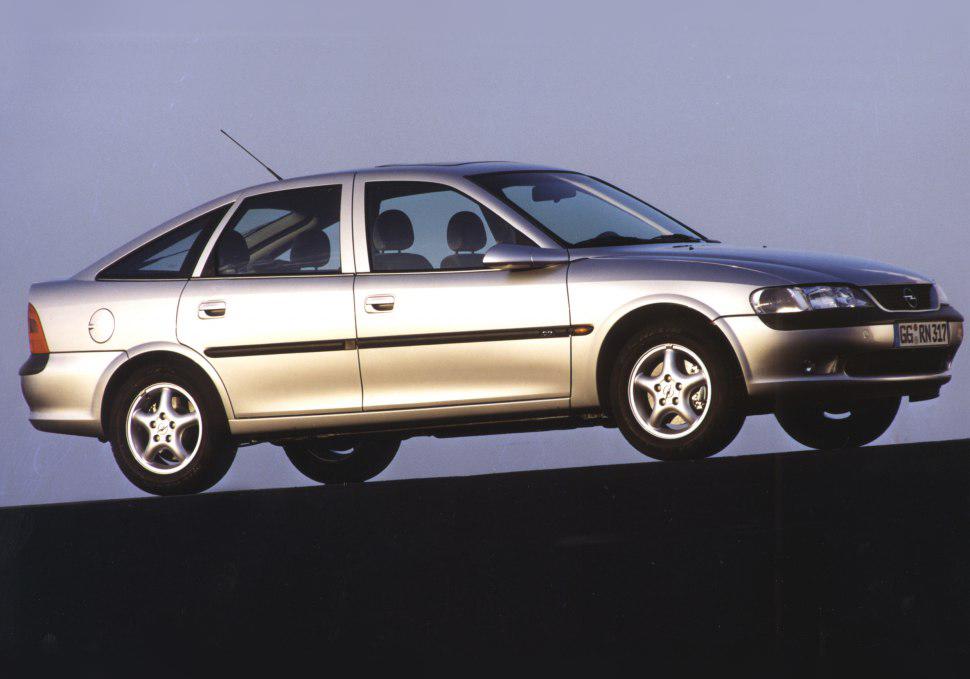
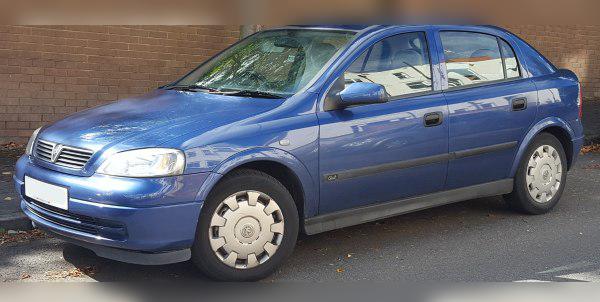
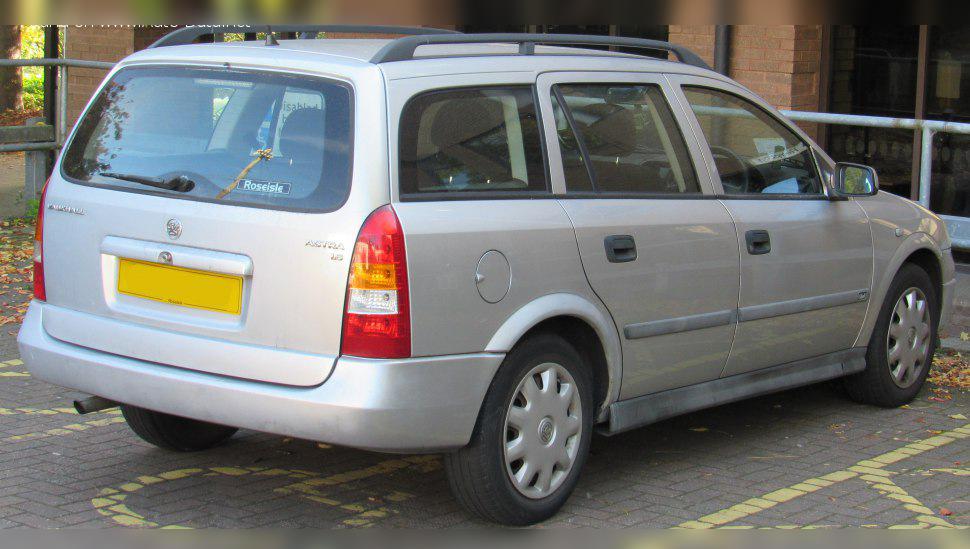
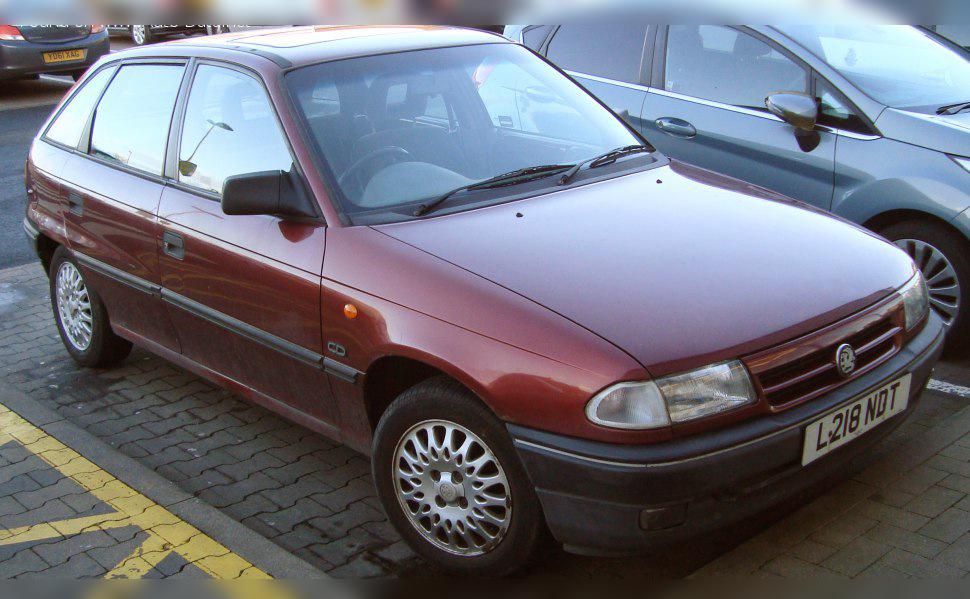
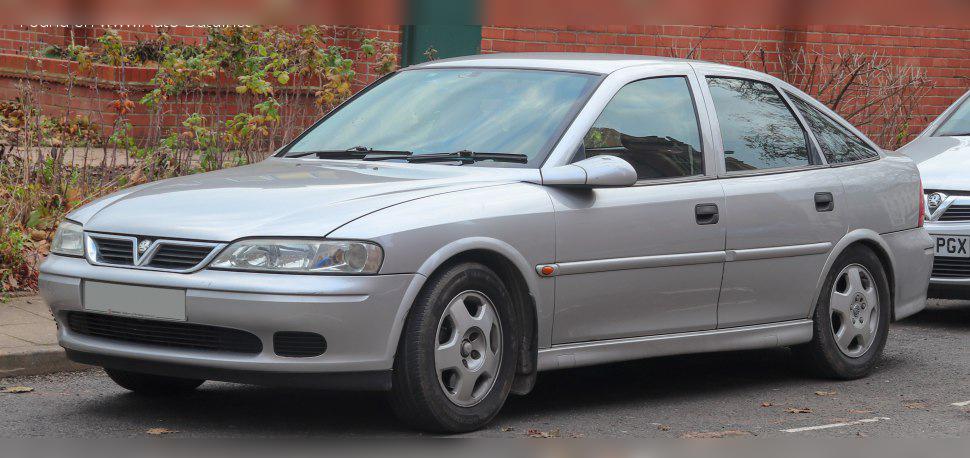
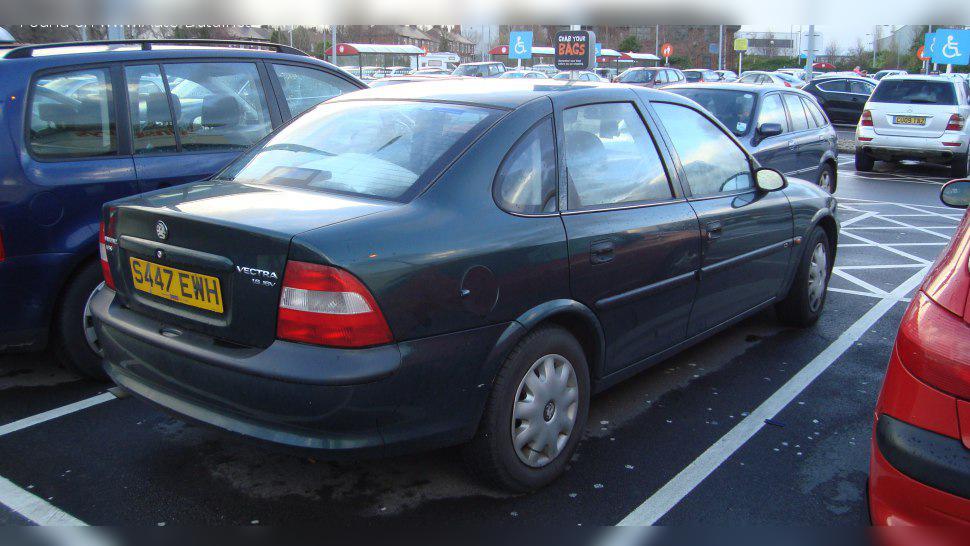
The engine with the code X16XEL is one of the best-known units from Opel’s Ecotec family of the late nineties and early 2000s. It was installed in a huge number of cars across Europe, primarily in the Opel Astra F and G models, as well as in the Vectra B. Thanks to its simple design and the fact that it is a naturally aspirated petrol engine, it long had a reputation as a workhorse. Although it lacks the complex systems of modern engines, this 1.6 16V unit has its own recognizable quirks that every owner had to learn to live with. Understanding its strengths and weaknesses is crucial to keeping this veteran in running condition.
Technical specifications
| Parameter | Data |
|---|---|
| Engine code | X16XEL |
| Displacement | 1598 cc |
| Power | 74 kW (101 hp) |
| Torque | 150 Nm |
| Fuel type | Petrol (Gasoline) |
| Induction type | Naturally aspirated |
| Injection type | Multi-point indirect injection (MPI) |
Reliability, maintenance and failures
Timing belt and major service
This engine uses a timing belt to drive the camshafts. Replacement intervals have historically been a sore point for owners. Opel initially specified a longer interval, but in practice the rollers and tensioners deteriorated quickly, which led to belt failure and catastrophic engine damage (bent valves). Because of this, experienced mechanics recommend doing the major service every 60,000 km or every 4 years. Parts for the major service are inexpensive, so skipping this maintenance is pure risk.
Oil consumption – Opel’s “normal” anomaly
When talking about the X16XEL engine, the first association is oil. Yes, this engine consumes oil between services, and a lot of it. The causes lie in the poor design of the valve stem seals, which harden over time, as well as in the piston rings, which easily get stuck. A symptom the driver may notice is bluish smoke from the exhaust, especially at first start-up or when you suddenly press the throttle after engine braking.
Back in the day, Opel stated in the manuals that consumption of 0.6 liters per 1000 km was “normal”, but in practice older examples easily drink more than 1 liter per 1000 km. Because of that, regularly checking the dipstick is mandatory. The engine holds about 3.5 liters of oil, and semi-synthetic 10W-40 is most commonly recommended, although some mechanics use thicker oil to reduce consumption, which is not ideal for the hydraulic lifters at lower temperatures (below 0 °C).
Spark plugs and ignition
As a classic petrol engine, it requires regular spark plug replacement. Spark plugs should be replaced every 30,000 to 60,000 km, depending on whether you drive on petrol or LPG, and whether you use standard plugs or higher-quality multi-electrode plugs. If you notice jerking under load or loss of power, the cause can often be a worn ignition coil pack, which is sensitive to bad spark plugs.
Specific parts and costs
EGR valve – The most common headache
This model is notorious for problems with the EGR valve (exhaust gas recirculation system). Over time, soot builds up and the valve gets stuck in the open or closed position. The symptoms are very obvious: the car loses power, jerks at constant speeds, stalls when coming to a stop (rpm drop) and the famous orange “Check Engine” light comes on. Many owners solve this problem by physically blocking (blanking) the EGR valve with a metal plate, which improves engine operation but increases nitrogen oxide emissions.
Injection system and absence of expensive components
The engine uses classic multi-point indirect injection into the intake manifold (MPI). The injectors are very durable, rarely cause problems and are not expensive to clean in an ultrasonic bath. Since this is an older petrol engine, there is no turbocharger, no DPF filter, and no AdBlue system. Because of that, drivers are spared from extremely costly repairs that are typical for modern diesels.
Fuel consumption and performance
Is the engine sluggish?
With 101 hp (74 kW) and 150 Nm of torque, the driving impression depends heavily on the body style. In the lighter Astra F, the engine feels fairly lively. In the Astra G it provides decent everyday performance. However, if you find this engine in a Vectra B (especially the estate version with a full boot), you will feel that it is “sluggish”. When overtaking you will often have to reach for the gearbox and rev it high into the red to get the most out of it.
Fuel consumption
This is not a particularly economical engine, especially by today’s standards. Real-world consumption in strict city driving is often between 9.0 and 10.5 l/100 km, especially in heavy traffic. On open roads, consumption drops to a decent 6.0–6.5 l/100 km.
On the motorway, at 130 km/h, the gearing is not very long and the engine usually cruises at a fairly high 3800 to 4000 rpm. This results in more noise in the cabin and fuel consumption rising to around 7.5–8.0 l/100 km.
Additional options and modifications
LPG conversion
Is the X16XEL good for LPG? The answer is: Yes, it’s excellent! This engine does not have direct injection or overly sensitive valves, so installing a sequential LPG system is routine and inexpensive. With regular maintenance of the vaporizer and gas injectors, the engine can cover huge mileages on LPG without damaging the cylinder head. Precisely because of the low price of LPG, this is a favorite option for many to cut running costs.
Chipping (Stage 1)
If you are thinking about “chipping” (remapping the ECU), forget it. Since this is a naturally aspirated petrol engine, a Stage 1 map will bring at most 5 to 8 hp more, which the driver will not really feel in practice. It would be a pointless waste of money; it is smarter to invest that money in refreshing the cylinder head and solving the oil consumption issue.
Gearbox and clutch
Manual and automatic gearboxes
This engine was most commonly paired with a 5-speed manual gearbox (mainly the F17 series). The best-known weak point of this gearbox is the bearings, specifically the shaft or differential bearing, which can start whining if the oil level drops. It is necessary to check the oil level in the manual gearbox, and it is also recommended to replace it every 80,000 to 100,000 km, despite the manufacturer sometimes claiming the oil is “lifetime”.
There was also a 4-speed automatic gearbox (Aisin). These gearboxes are durable, but make the car noticeably slower and increase city fuel consumption by up to 1.5 l/100 km. If the car shifts harshly (jerks when changing gears), it is a sign that the gearbox has not been maintained. Automatic transmission service and ATF oil replacement must be done every 60,000 km.
Clutch and flywheel
The good news for your wallet is that this engine does NOT have a dual-mass flywheel, but uses a conventional solid flywheel instead. Because of that, clutch replacement costs are minimal. A clutch kit (pressure plate, disc, release bearing) is not expensive (depends on the market), so transmission maintenance is one of the brightest points of this vehicle.
Buying used and conclusion
What to check before buying?
Considering that cars with this engine are now quite old, the following checks are the most important:
- Warm engine and revving: Have someone rev the engine at operating temperature (up to 4000–5000 rpm) while you watch the exhaust. Blue smoke is a sure sign that the valve stem seals and piston rings are worn, and that an engine “refresh” awaits you, which is an intervention that is not too expensive, but not free either (depends on the market).
- Engine noise: Listen to the top of the engine (valve cover). If you hear an even “ticking” that increases with rpm, the hydraulic lifters are worn or the engine is low on oil.
- Diagnostics: Read the fault codes. If you see EGR-related errors, be prepared to have it cleaned or to buy a new one.
- Cooling system: Check whether there are traces of oil in the coolant reservoir (a sign of a blown head gasket) or a strong smell of petrol.
Final conclusion
The X16XEL engine is primarily intended for drivers on a limited budget who want a spacious car (Astra or Vectra) and cheap parts. Do not expect sporty performance or high refinement. It will win you over by the fact that every mechanic knows it inside out, parts are available almost everywhere, and with LPG installed you can drive very cheaply. The biggest compromise you have to accept is “hanging out with a can of oil” in the boot. If you don’t mind checking the dipstick every 1000 kilometers and topping up half a liter of oil when needed, this old Ecotec will serve you faithfully for many more years.