Opel X17DTL Engine (1.7 TD 68 HP) – Experiences, problems, fuel consumption and used car buying tips
Most important in short (TL;DR):
- This is an older-generation Opel engine with indirect injection (it should not be confused with Isuzu 1.7 engines).
- It is extremely durable and mechanically simple, but is considered a very sluggish and “lazy” unit on the road.
- It has a classic (solid) flywheel and simple mechanical injectors, which drastically reduces maintenance costs.
- It does not have modern, expensive systems such as a DPF filter, dual-mass flywheel or AdBlue.
- The timing belt service must be done strictly on time due to the sensitivity of the belt.
- Ideal for local use and work vehicles, but due to lack of power and noise, it is not the happiest solution for long motorway journeys.
Contents:
- Introduction: Old-school diesel
- Technical specifications
- Reliability and maintenance
- Specific parts and costs
- Fuel consumption and performance
- Additional options and modifications
- Gearbox and drivetrain
- Buying used and conclusion
Introduction: Old-school diesel
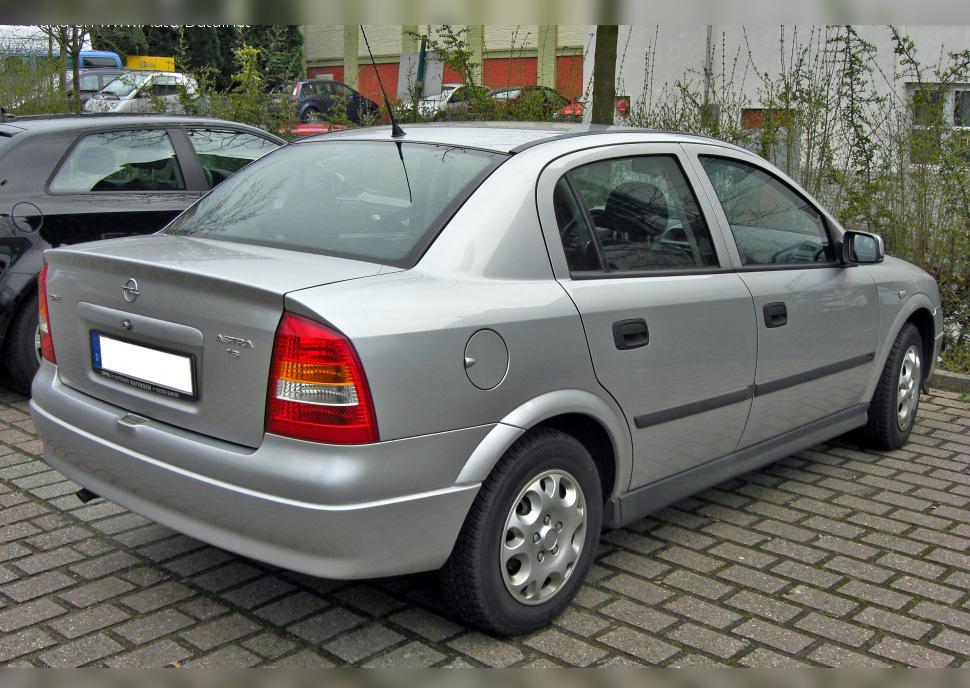
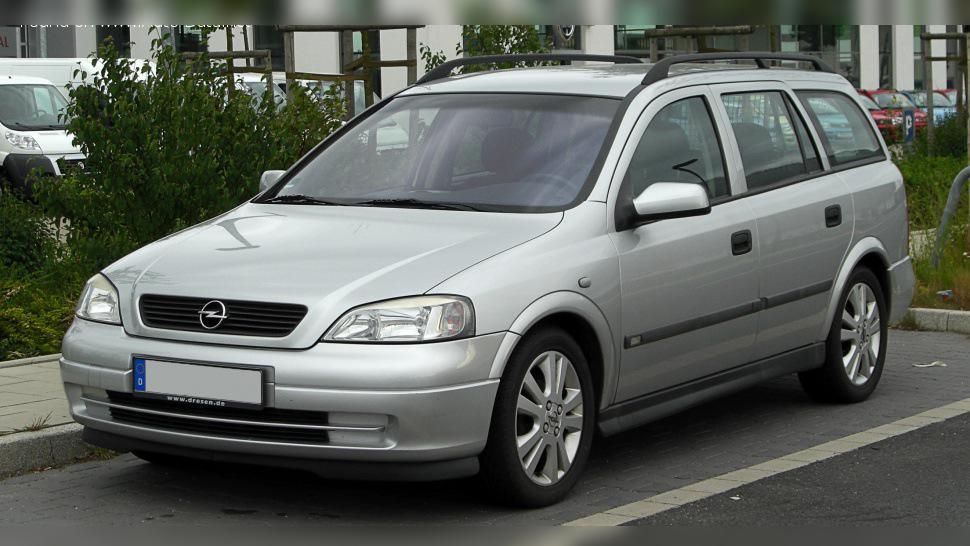
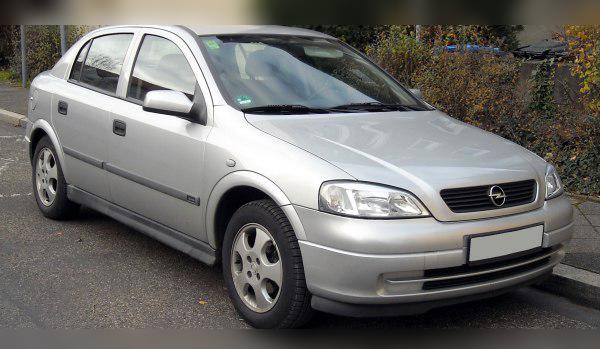
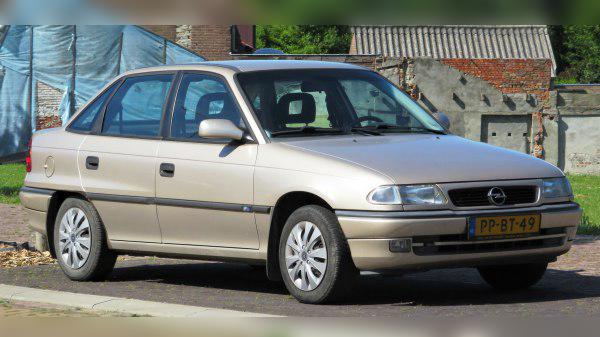
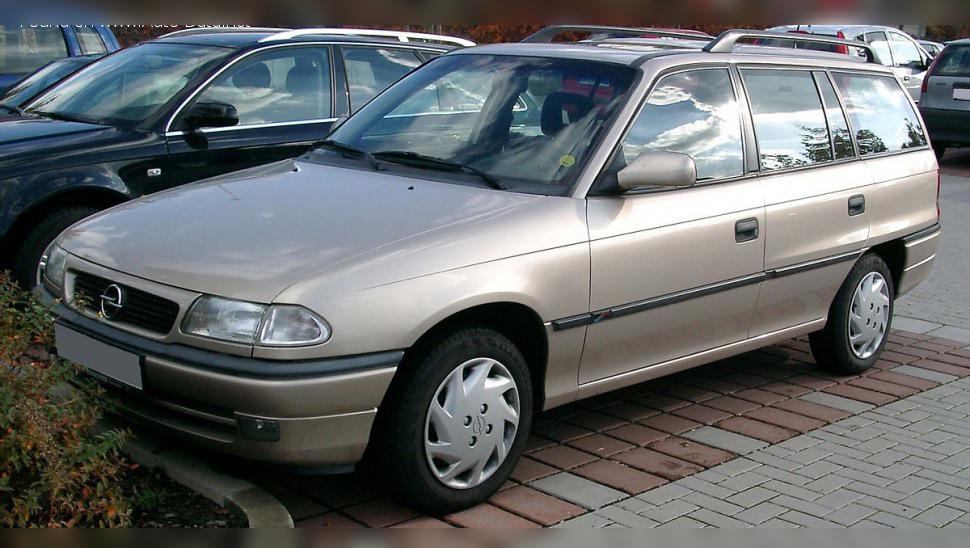
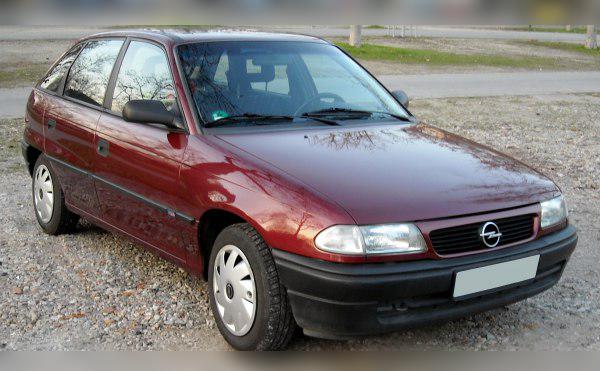
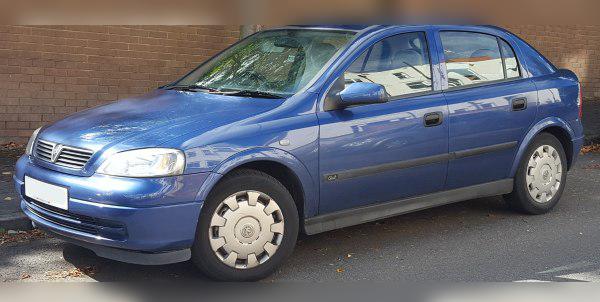
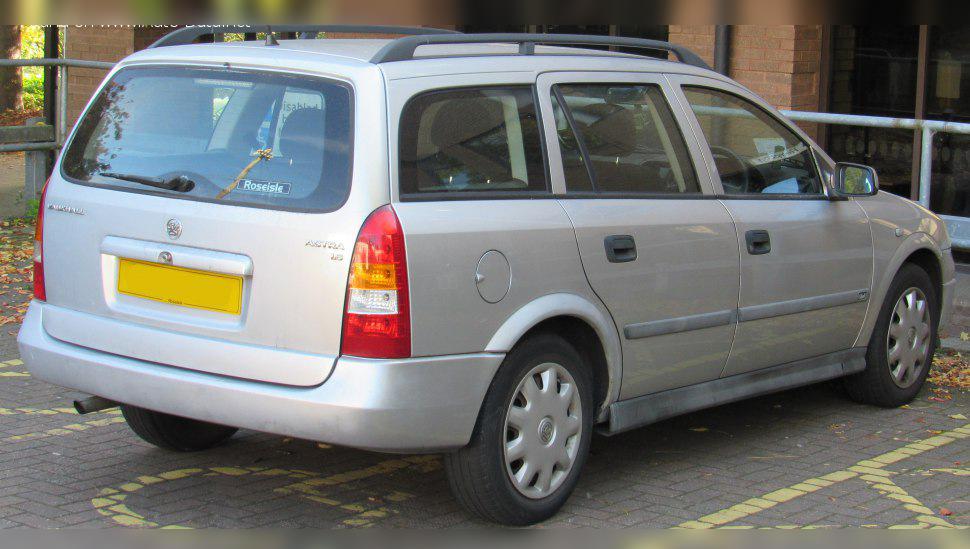
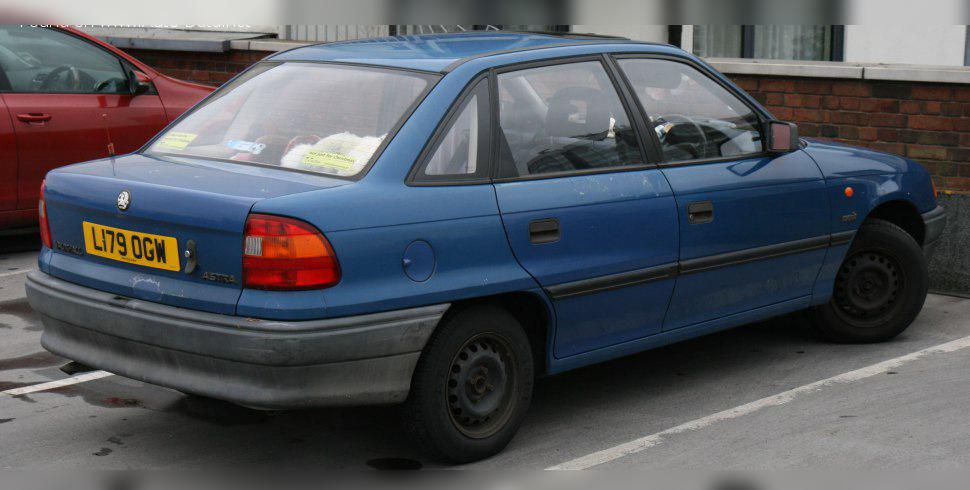
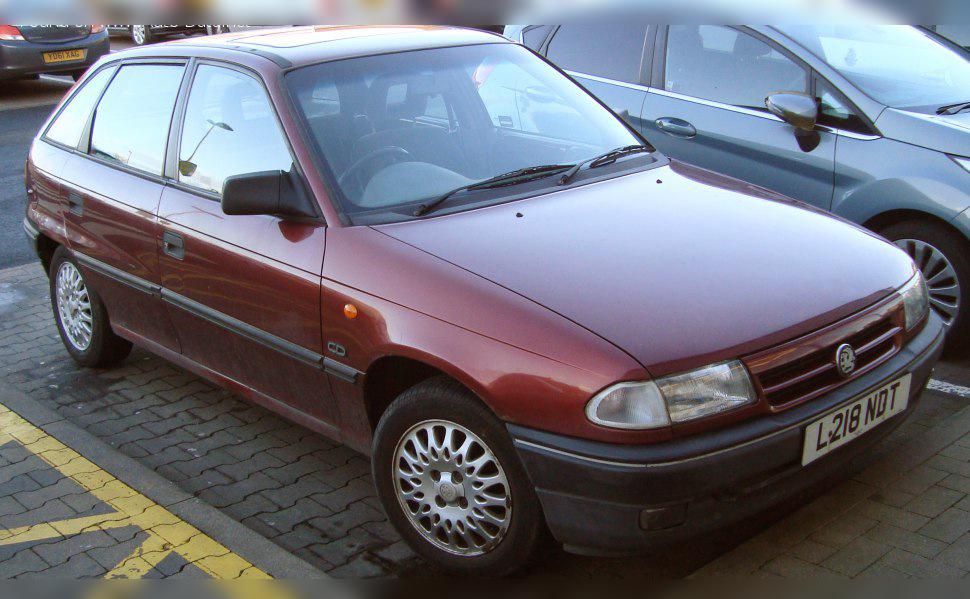
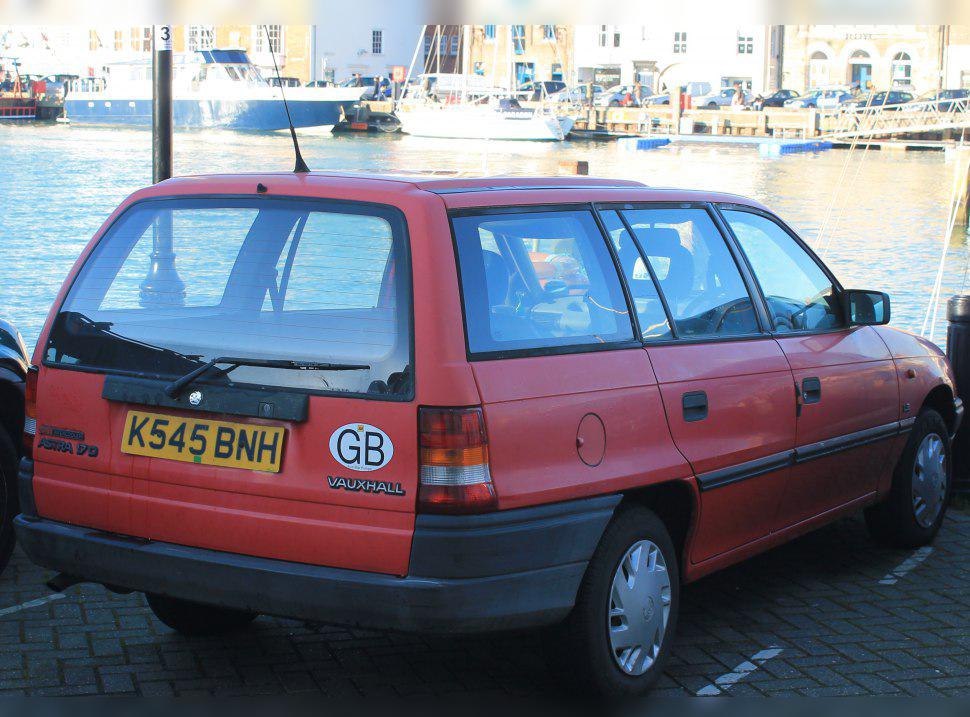
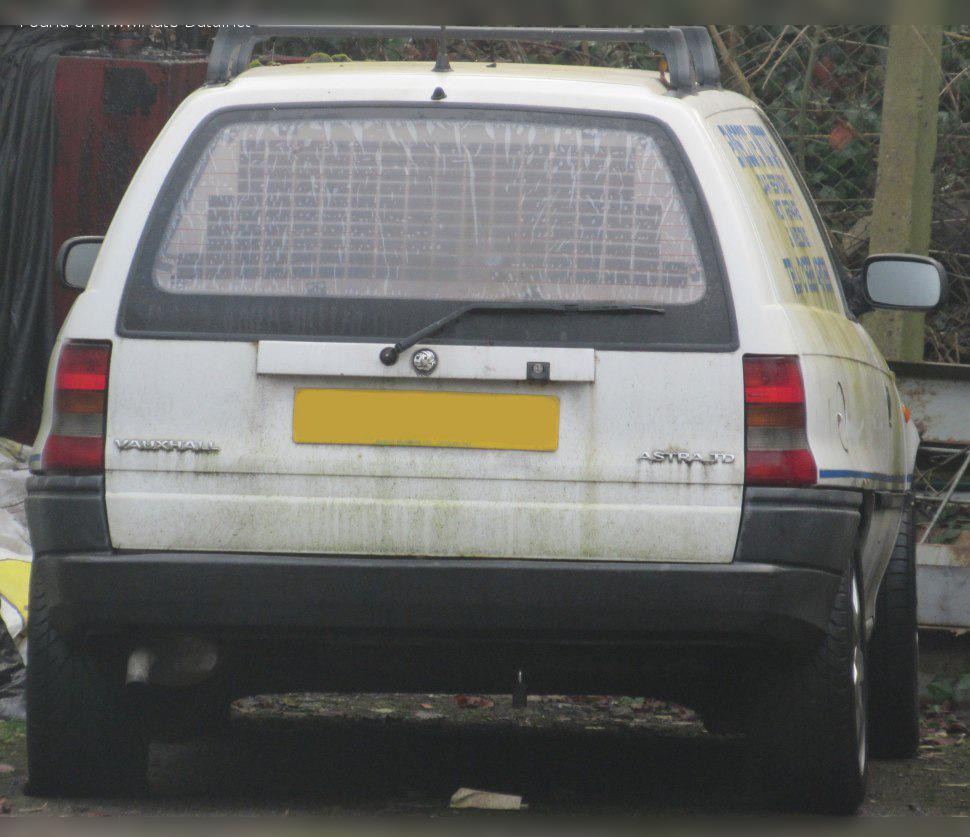
The engine designated X17DTL is Opel’s 1.7‑liter turbo‑diesel unit that was installed in cars in the late 1990s and early 2000s. You will most often find it under the bonnet of the Opel Astra F (facelift) and Opel Astra G, as well as their Vauxhall counterparts. It is important in automotive history because it represents one of the last iterations of diesels with indirect injection (pre‑chambers) before the mass transition to common‑rail systems. This engine often differs visually and in performance from the Japanese Isuzu 1.7 engine (marked X17DT or Y17DT, with higher output). Its main trump card is robustness and tolerance of lower‑quality fuel.
Technical specifications
| Parameter | Data |
|---|---|
| Engine displacement | 1699 cc |
| Power | 50 kW (68 HP) |
| Torque | 105 Nm |
| Engine code | X17DTL |
| Fuel type and injection | Diesel / Indirect injection (rotary pump) |
| Aspiration (charging) | Turbocharger (low boost pressure) |
Reliability and maintenance
Belt or chain and major service
The X17DTL engine uses a timing belt. Unlike some more modern engines, here the tolerance for belt failure is zero. A snapped belt leads to catastrophic damage in the cylinder head (bent valves and damaged camshaft). Because of this, the major timing service must be done every 60,000 km or at the latest every 5 years. It is recommended to install quality kits including a new water pump, and the parts themselves are not expensive (depends on the market).
Most common failures
Given the age and design, electronics rarely cause problems because there is very little of it. The main weak points are mechanical. The head gasket is a known weak spot; due to overheating (which can occur because of an old radiator or a clogged thermostat), the gasket can fail, leading to mixing of oil and coolant or coolant being pushed out of the system. Also, the alternator is mounted quite low and often suffers from moisture, and deterioration of rubber vacuum hoses can lead to stalling or loss of power.
Oil: capacity, grade and consumption
This engine takes about 4.5 liters of oil (including the filter). The recommended grade for most European climates is semi‑synthetic 10W‑40, given the larger tolerances of the older design. As for oil consumption, since these engines have usually covered serious mileage by now, it is normal for them to consume between 0.5 and 1 liter of oil per 10,000 km. If consumption exceeds this, the most common causes are worn piston rings, valve stem seals or oil leakage through the turbocharger itself.
Injector and fuel system longevity
As this is a diesel engine with indirect injection, it uses mechanical injectors with low sensitivity. Their lifespan is excellent – they often last well over 300,000 km without major issues. When they wear out, symptoms include black smoke under load and rough idle (so‑called “knocking”). Fortunately, overhauling mechanical injectors is very cheap and usually consists of a simple replacement of internal elements (depends on the market).
Specific parts and costs
Flywheel and clutch
This is a big advantage for buyers on a tighter budget: the engine does not have a dual‑mass flywheel. It uses a classic solid flywheel which is not treated as a regular wear item. The clutch kit (pressure plate, disc, release bearing) is replaced as needed and is a very affordable repair compared to modern diesels, so the cost is not high (depends on the market).
Injection system
The engine uses a mechanical (or semi‑electronic, depending on the year) Bosch or Lucas rotary high‑pressure pump. The pumps are robust, but after 20 years of use they can start to leak, i.e. lose diesel at the seals, which manifests as difficult first start in the morning (due to air being drawn into the system). Pump resealing/overhaul is the solution and falls into the medium‑priced repair category (depends on the market).
Turbocharger
The turbocharger is a basic type (fixed geometry) with low boost pressure. Its service life is very long provided the oil has been changed regularly. If you hear a pronounced “whistle” when pressing the accelerator, notice bluish smoke from the exhaust or see oil in the intake hoses, it is a sign that the turbo bearings are worn and an overhaul is near.
Emissions: EGR, DPF and AdBlue
There is no DPF filter or AdBlue system on this engine, which eliminates two huge maintenance items. The EGR valve exists in its most primitive form (often vacuum‑controlled). It tends to clog with soot deposits (especially due to city driving), which leads to black smoke and loss of power. Cleaning it is trivial, and many mechanics simply block it off physically with a plate, since this does not cause serious software errors on this generation of engines.
Fuel consumption and performance
Real‑world fuel consumption
Due to the old pre‑chamber combustion technology, the X17DTL is not as frugal as newer CDTI or TDI engines. In city driving it realistically uses between 6.5 and 8.0 l/100 km, depending on body weight (an Astra G Caravan in the city will easily reach 8 liters). On open roads, consumption can drop to around 5 liters.
Performance and “sluggishness”
This engine is absolutely sluggish. With only 68 horsepower and a meagre 105 Nm of torque, which also does not come in abruptly, acceleration is slow and requires a lot of patience. Installing this engine in a heavier body like the Opel Astra G Caravan means that every overtaking manoeuvre on a main road has to be carefully judged and planned.
Behaviour on the motorway
On the motorway, this engine is not in its natural environment. At 130 km/h, the gearbox keeps it at over 3000 rpm. The engine then becomes very noisy and vibrations are transmitted into the cabin. The ideal cruising speed for this car on the motorway is between 100 and 110 km/h, where noise and fuel consumption are in an optimal range.
Additional options and modifications
Chiptuning potential (Stage 1)
The short and clear answer is: don’t bother. Although old‑school mechanics can slightly “turn up” the fuel delivery on the mechanical pump and marginally increase turbo pressure by mechanical means, a classic software Stage 1 tune makes little sense here. The injection system does not have enough electronic control, and the factory cooling and age of the materials do not cope well with increased thermal loads. Attempts at tuning usually result only in clouds of black smoke and rapid overheating.
Gearbox and drivetrain
Available gearboxes and failures
The engine was almost exclusively paired with Opel’s F‑series five‑speed manual gearboxes (F13 or F17). Automatic gearboxes with this weak engine are statistically negligible and extremely rare. The manual gearbox itself is mechanically reliable, and gears rarely fail.
The most common problem with the manual gearbox is not in the box itself, but in the linkage (gear selector). Plastic bushes and joints wear out, which leads to a vague feel at the gear lever and difficulty engaging first or second gear. The solution is to replace the linkage set, which is a cheap intervention (depends on the market).
Gearbox servicing
Although many claim that gearbox oil is “lifetime”, good mechanical practice dictates that it should be replaced every 80,000 to 100,000 km, especially on cars of this age. Around 1.6 liters of synthetic 75W‑90 gearbox oil is used, which contributes to smoother shifting in winter.
Buying used and conclusion
What exactly to check before buying?
Since you are buying a car that is over twenty years old, OBD diagnostics will not tell you much here. The inspection comes down to mechanics and your senses:
- Cold start: Make sure the engine is completely cold. If it cranks for a long time and emits thick white smoke, the glow plugs have failed or (worse) the engine has lost compression.
- Coolant check: Open the coolant reservoir cap. If you notice “mayonnaise” (a greasy, slimy mass) or smell exhaust gases in the tank, the head gasket has failed. Walk away from such a car.
- Smoke under load: Have someone drive behind you. Blue smoke means it is burning oil, too much black smoke indicates bad injectors or a clogged intake.
- Suspension and rust: On an Astra F/G, the bodywork is more likely to rust through or the suspension links to fail than for the engine block itself to let you down.
Who is this engine for?
Opel’s X17DTL engine is not for enthusiasts, not for fast driving, nor for frequent motorway cruising. This is a workhorse. It is intended for drivers with a very limited budget who need a spacious car (such as an Astra Caravan) for commuting, transporting tools or agricultural produce on local and main roads. Thanks to the absence of a dual‑mass flywheel, DPF and complex electronics, there are virtually no unexpected major expenses. If you are willing to forgive the lack of power and noisy operation, this is one of the cheapest ways to get from point A to point B.