Opel 1.8 16V X18XE1 (116 HP): Experiences, problems, fuel consumption and used car buying tips
- Excellent for LPG: The engine has hydraulic lifters and multipoint injection, which makes it an ideal candidate for cheap driving on gas.
- Low maintenance costs: It doesn’t have expensive components such as a dual-mass flywheel, DPF filter or a sensitive turbocharger.
- Achilles’ heel – Engine control unit (ECU): Due to its poor position directly on the engine block, the ECU is exposed to heat and vibrations, which often leads to broken connections.
- Sensitive timing belt: The major service must be done strictly on time, because a snapped belt causes catastrophic valve damage.
- Slightly higher city fuel consumption: Expect around 10 to 11 l/100 km in heavy city traffic.
- Oil leaks: A typical issue with the valve cover gasket, which causes oil to soak the spark plugs.
Contents
- Introduction: About the X18XE1 engine
- Technical specifications
- Reliability, maintenance and common failures
- Specific parts and costs
- Fuel consumption and performance
- Extras: LPG and chip tuning
- Gearbox and drivetrain
- Buying used and conclusion
Introduction: About the X18XE1 engine
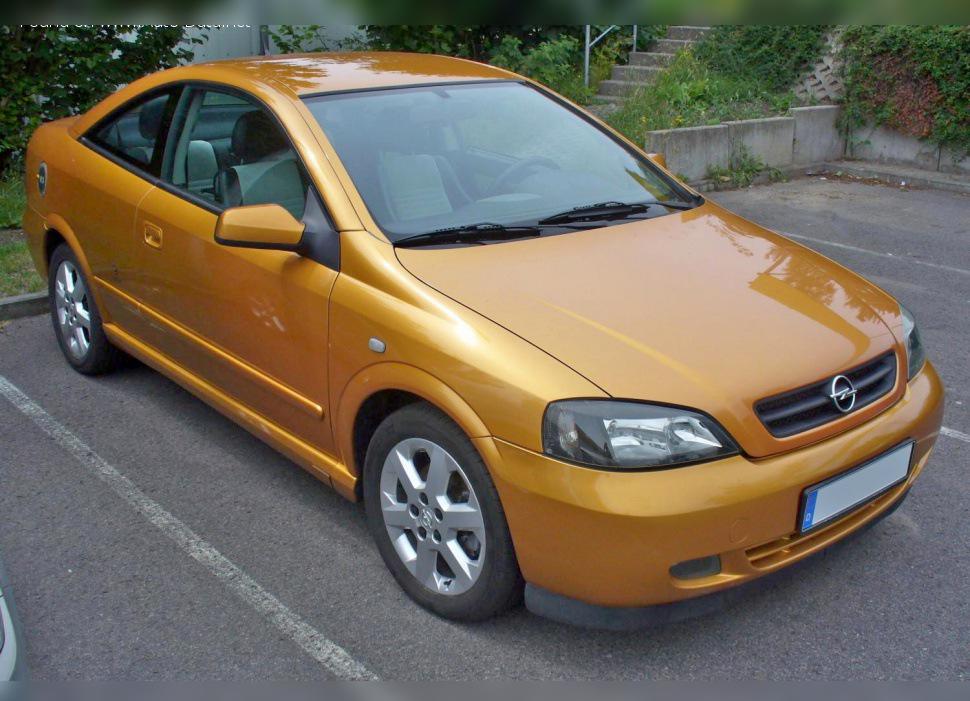
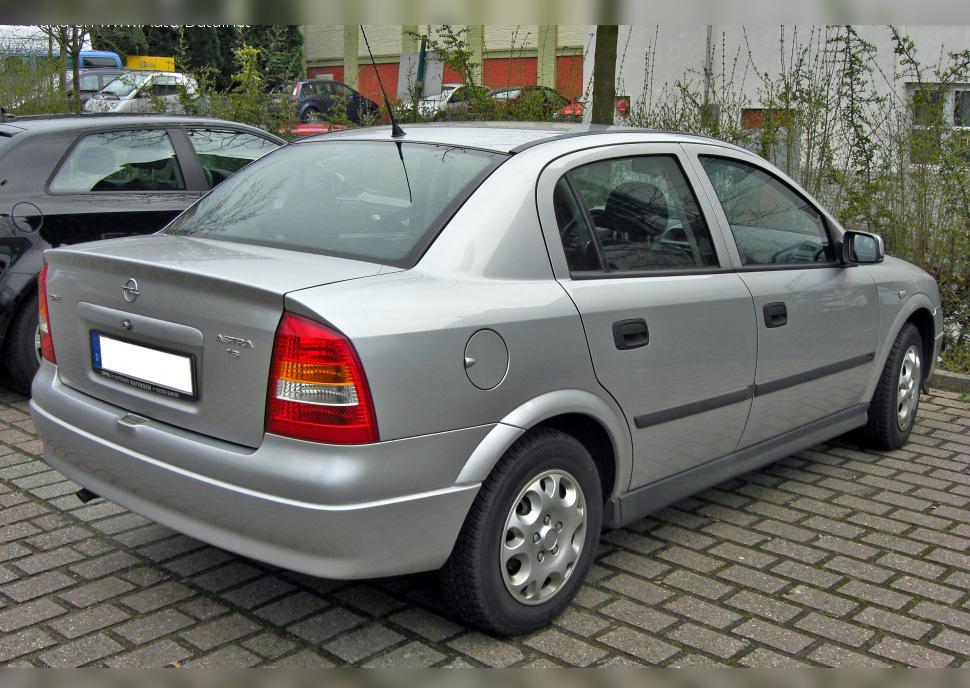
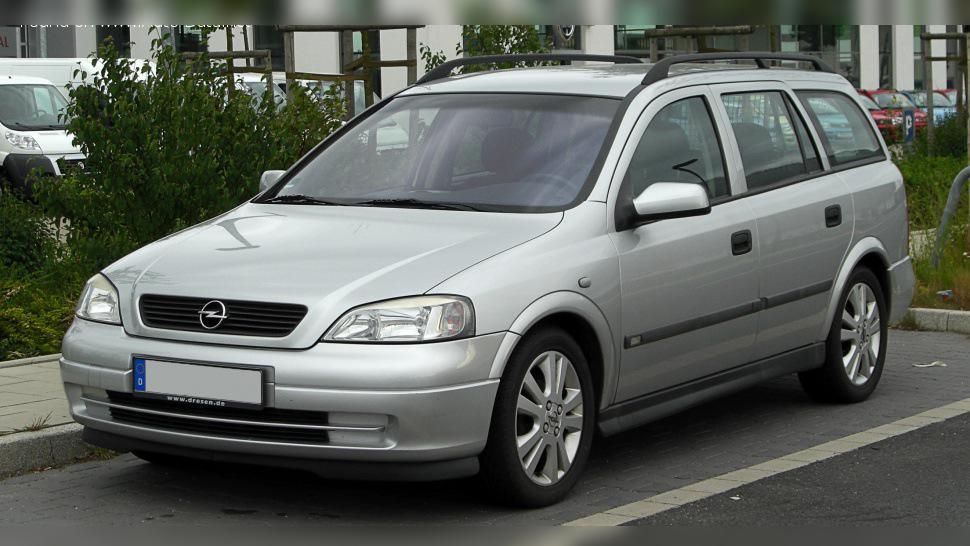
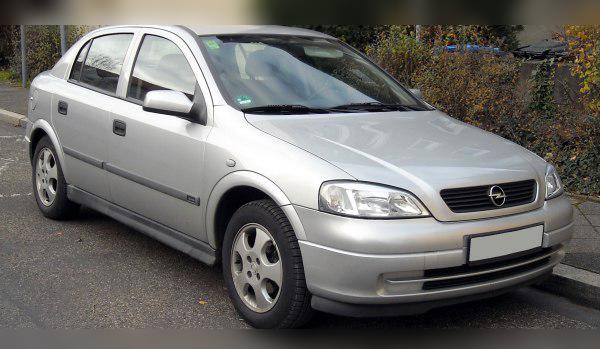
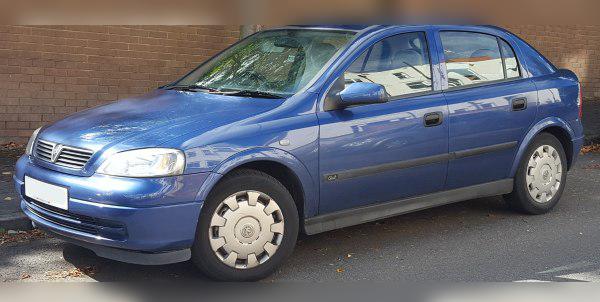
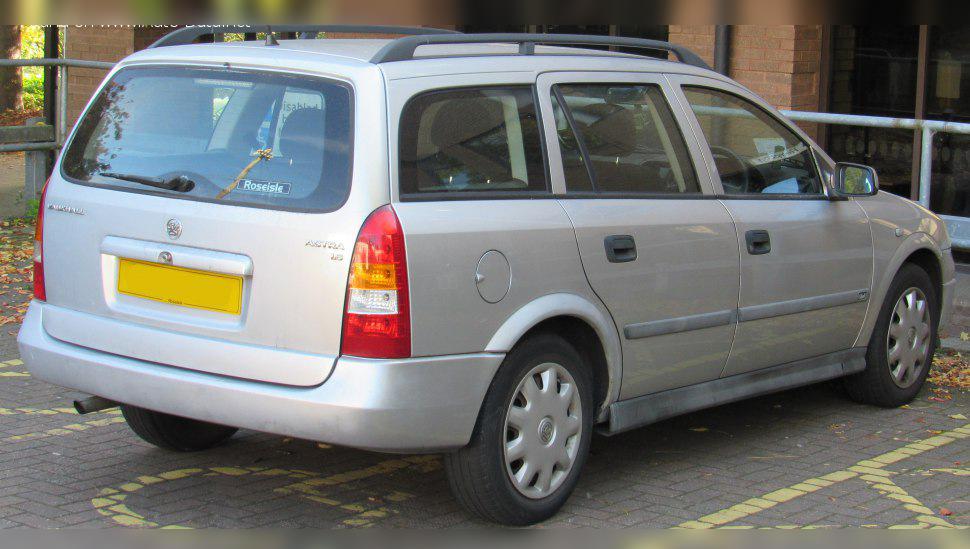
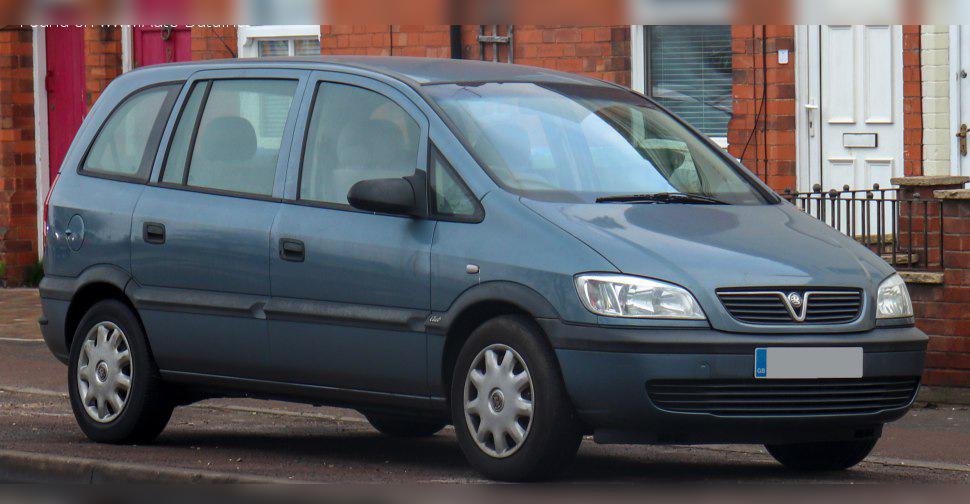
The X18XE1 is an Ecotec petrol engine from Opel’s so‑called “Family 1” (Small Block) series. It was introduced in the late nineties as a replacement for the older “Big Block” 1.8 engines, and is most commonly found under the bonnet of models such as the Opel Astra G and Vauxhall/Opel Zafira A. Its role was to offer a good compromise between power, which 1.4 and 1.6‑litre engines often lack, and reasonable registration and maintenance costs. Although it was later replaced by the slightly more powerful Z18XE (125 HP) due to stricter emission standards, the X18XE1 is still very common on the used market and is considered a reliable workhorse if properly maintained.
Technical specifications
| Specification | Data |
|---|---|
| Engine code | X18XE1 |
| Displacement | 1796 cc |
| Power | 85 kW (116 HP) at 5400 rpm |
| Torque | 170 Nm at 3400 rpm |
| Injection type | Multipoint indirect injection (MPI) |
| Aspiration | Naturally aspirated |
| Valve timing | Timing belt (DOHC, 16 valves) |
Reliability, maintenance and common failures
When it comes to Ecotec petrol engines from this era, maintenance has to be preventive rather than reactive. This engine uses a timing belt and is very sensitive to exceeding the replacement interval.
Major and minor service
The major service on this engine must be done every 60,000 km or every 4 years (whichever comes first). The timing belt on these engines is under considerable load, and the rollers and tensioners are prone to wear. If the belt snaps, the pistons and valves will collide, which means complete cylinder head failure, and repairs fall into the category: very expensive (depends on the market). Along with the belt, the water pump must also be replaced.
As for oil, the X18XE1 takes about 4.25 litres of oil. The recommended grade is 10W‑40 for older, higher‑mileage engines, although fully synthetic 5W‑40 is also successfully used in healthy engines. The minor service should be done every 10,000 to 15,000 km.
Oil consumption and spark plug replacement
Like most older Ecotec engines, the X18XE1 can consume some oil, but it should not be excessive. The manufacturer tolerates up to 0.6 l/1000 km, but in practice a healthy engine should not use more than 1 to 1.5 litres between two services (over 10,000 km). If it consumes significantly more, the problem usually lies in hardened valve stem seals or oil control rings. Since this is a petrol engine, spark plugs are replaced every 60,000 km. It is recommended to use quality plugs, especially if the car is equipped with an LPG system.
Most common failures
On the X18XE1 engine you should pay attention to the following specific issues:
- ECU failure (Simtec 70): This is by far the biggest weakness. The ECU is physically bolted to the intake manifold/engine block. Over the years, extreme temperature changes (from -10 °C in winter to over 90 °C operating temperature) and constant vibrations cause microscopic solder joints inside the ECU to crack. Symptoms include: the car stalls while driving once it warms up, throws error codes for the ignition coil, injectors or throttle body (even though those parts are fine), or runs on three cylinders. Repairing (refurbishing) the ECU costs: expensive (depends on the market).
- Valve cover gasket: A very common problem. Over time the rubber hardens and oil starts leaking directly into the spark plug wells. This leads to ignition coil (DIS module) damage and jerking while driving.
- Throttle body and idle control valve: They get clogged with deposits from oil vapours. The driver notices that idle speed fluctuates (wanders between 600 and 1200 rpm) or the car stalls at traffic lights. Cleaning the throttle body solves the problem and is not an expensive job.
- EGR valve: It often gets clogged with soot, which causes jerking at low revs and loss of power.
Specific parts and costs
What makes this engine popular on the market is precisely the absence of extremely expensive parts typical of modern engines.
- Dual‑mass flywheel: This engine does not have a dual‑mass flywheel, but uses a conventional (solid) flywheel. This drastically reduces maintenance costs.
- Fuel injection system: It uses standard MPI petrol injection. The petrol injectors on this engine are extremely durable and rarely fail. If a problem does occur, it is usually clogging due to poor fuel quality, which is easily solved by ultrasonic cleaning.
- Turbocharger: The engine is naturally aspirated, which means it does not have a turbocharger, and therefore there is no risk of an expensive turbo failure.
- DPF filter and AdBlue: Since this is an older petrol engine, it does not have a DPF filter or AdBlue system. This spares you the major headaches that plague diesel owners.
- EGR valve: As mentioned, the engine has an EGR valve. It often causes problems due to fouling, and many owners choose to have it disabled in the software and physically blocked off, which significantly improves throttle response at low revs.
Fuel consumption and performance
The performance of this engine depends on the body it is installed in. With 116 HP and 170 Nm of torque, it is a perfect match for the Astra G. It is not a racer, but it offers solid in‑gear acceleration and enough power for overtaking on country roads.
However, if you are buying a Zafira A, be aware that with a full cabin of passengers and the air‑conditioning on, this engine can feel “lazy” on uphill sections. The heavier Zafira body extracts the maximum from it, so you will have to rev it higher.
Real‑world fuel consumption:
- City driving: Don’t expect miracles. In heavy stop‑and‑go city traffic, consumption is around 10 to 11 l/100 km.
- Open road: It can drop to a fairly economical 6 to 6.5 l/100 km with a relaxed driving style.
- Motorway: The X18XE1 is paired with a five‑speed manual gearbox with relatively short ratios. At 130 km/h, the engine spins at about 3500–3800 rpm. This means it becomes quite noisy in the cabin and fuel consumption rises to around 8 l/100 km.
Extras: LPG and chip tuning
LPG conversion
If there is a petrol engine that begs for an LPG system, it is this one. The X18XE1 is extremely suitable for sequential LPG installation. The engine has hydraulic valve lifters, which means valve clearance is adjusted automatically. There is no need for additional valve lubricators, and the power loss with a quality LPG system is barely noticeable. Due to the higher city fuel consumption, the investment in LPG pays off very quickly.
Chip tuning (Stage 1)
Short answer: It’s not worth it. Since this is a naturally aspirated engine without a turbo, you cannot gain a significant increase in power with a simple software remap (Stage 1). The maximum that serious tuning shops can extract is an additional 8 to 10 HP and maybe 10–15 Nm of torque. The difference in driving is marginal, and the cost of remapping is not justified by what you get.
Gearbox and drivetrain
The X18XE1 is most commonly paired with a five‑speed manual F17 gearbox, or optionally with a four‑speed Japanese automatic (Aisin AW 50‑40LE / AF17).
Manual gearbox (F17)
This gearbox is well known across the Opel range. The most common and most serious issue with the F17 is failure of the differential bearings or mainshaft bearings. If, while driving in second and third gear (or when lifting off the throttle), you hear a whining or humming noise from the gearbox, it is a sign that the bearings are worn. It is recommended to change the oil in the manual gearbox every 60,000 to 80,000 km to extend the life of the bearings, even though the manufacturer often labels it as “lifetime oil” (which in practice is not true).
Since there is no dual‑mass flywheel, the clutch kit (pressure plate, disc, release bearing) falls into the category: not expensive (depends on the market).
Automatic gearbox (AF17)
This is a conventional automatic with a torque converter. It is very robust and reliable, but slow when changing gears, which further increases fuel consumption in city driving. The most common failures are related to the hydraulic valve body (valves/solenoids), which starts to shift harshly or “bang” when engaging Drive (D) or Reverse (R). The main cause is irregular maintenance. The oil in the automatic gearbox must be changed every 60,000 km, together with the gearbox filter.
Buying used and conclusion
When you go to see a used Astra or Zafira with the X18XE1 engine, make sure you do the following:
- Cold start inspection: Ask for the car to be completely cold when you start it. If, on first start, the revs fluctuate heavily, the car stalls or you hear knocking from the top of the engine (until the hydraulic lifters build up oil pressure), be cautious.
- Checking for oil leaks: Remove the plastic engine cover (if the owner allows it) and check around the ignition coil (centre of the valve cover) to see if it is swimming in oil.
- Engine temperature and ECU: Be sure to drive the car until it reaches full operating temperature (90 °C) and then drive it in city stop‑and‑go conditions. Heat is what triggers problems with a damaged ECU. If the car starts jerking, stalling or showing the “Check Engine” light only when hot, there is a high chance the ECU needs refurbishment.
- Diagnostics: Always bring an OBD scanner. Check the live data for intake air temperature and lambda sensor operation.
Conclusion: Who is this engine for?
The X18XE1 engine is ideal for buyers on a limited budget who are looking for a spacious car (such as an Astra estate or Zafira), cover a decent annual mileage (so they would install LPG), and want to avoid the headaches and very expensive repairs that come with older diesels. It is not for those who expect sporty performance, nor for drivers who mainly do long motorway journeys at speeds over 130 km/h, due to noise and short gearing. With preventive timing belt replacement and a sorted ECU, this Ecotec will certainly not leave you stranded.